All you need to know about Roussanne: A quick guide
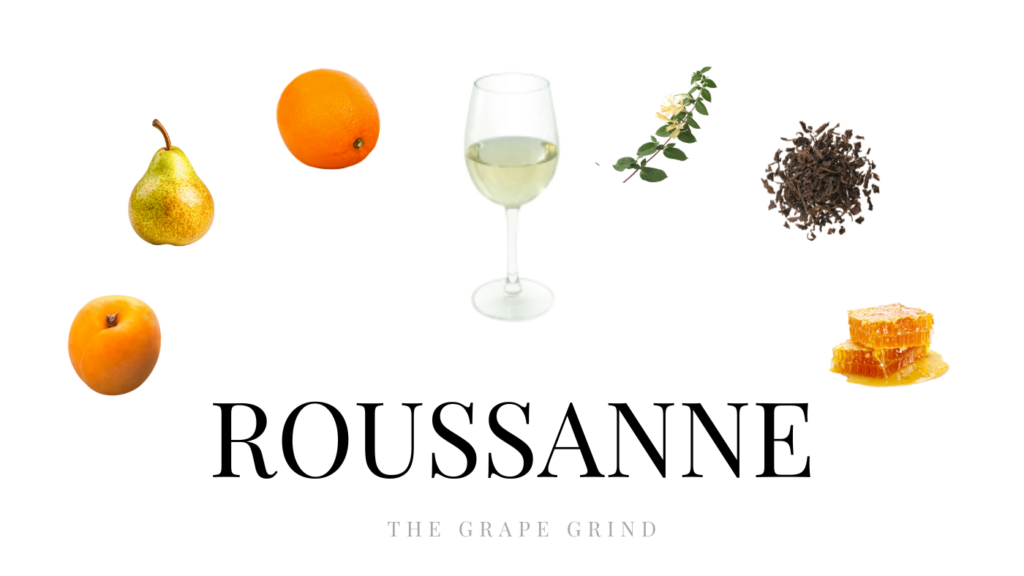
Roussanne
Make 2026 THE year.
Take 10% OFF your first 12 months of Tasting Group!
Code:
Roussanne
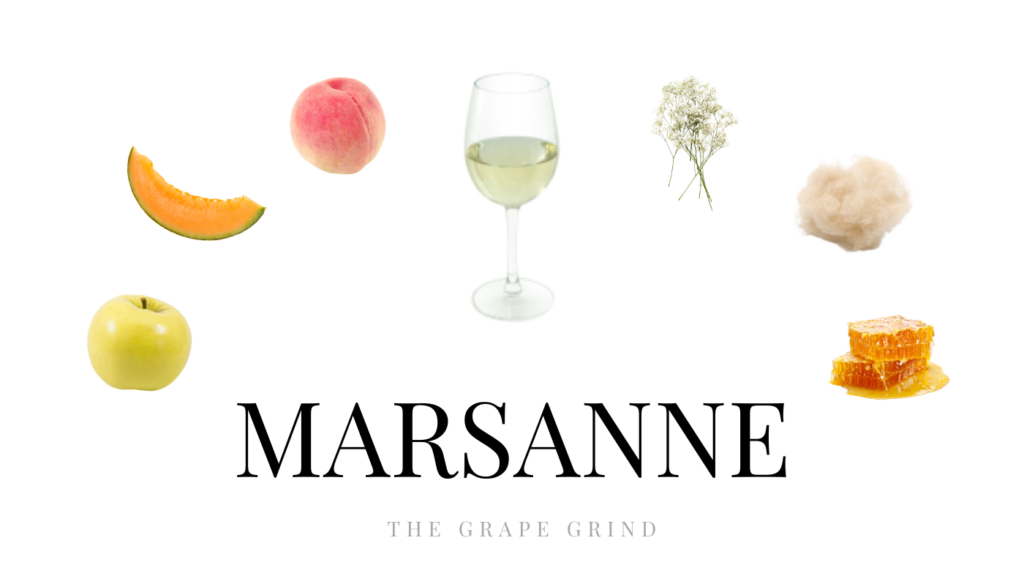
Marsanne
Wine certification can make progress feel public and competitive, but your path does not need to match anyone else’s. Here’s how to reset your metrics, protect your energy, and keep building real tasting confidence.
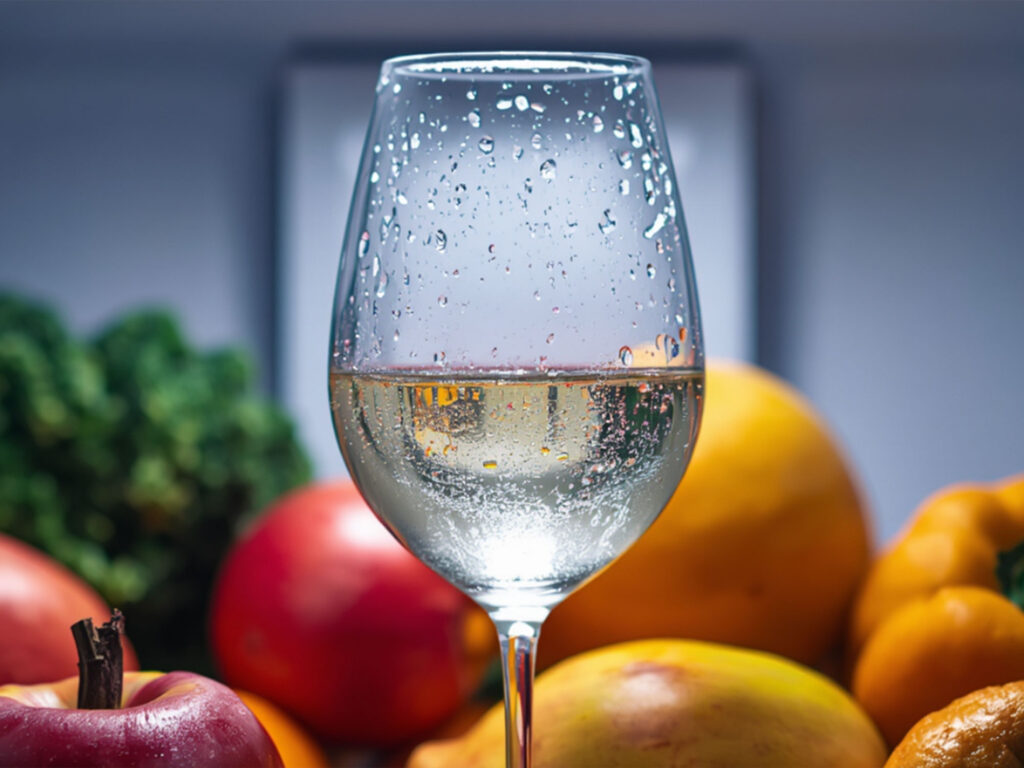
Temperature changes more than just how refreshing a wine feels. It changes aroma, acidity, tannin, sweetness, and texture, which makes it a useful tool for tasting practice.
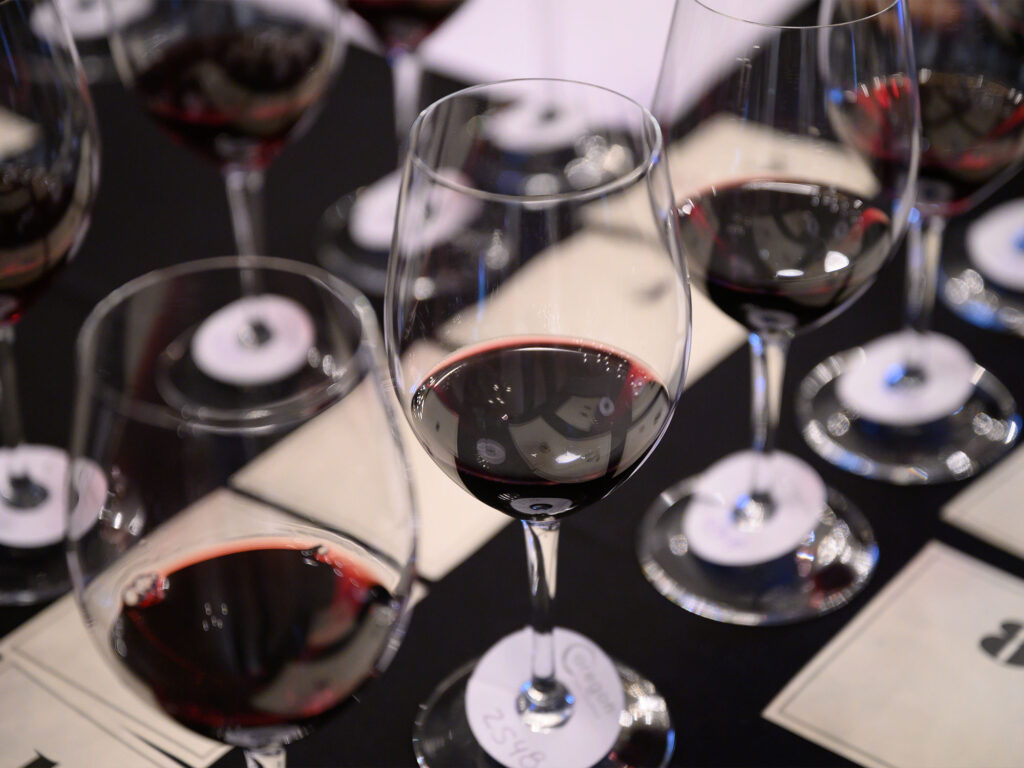
Wine tasting does not need to feel stiff, fake, or intimidating. Start with a simple framework, then build enough confidence to use your own words.
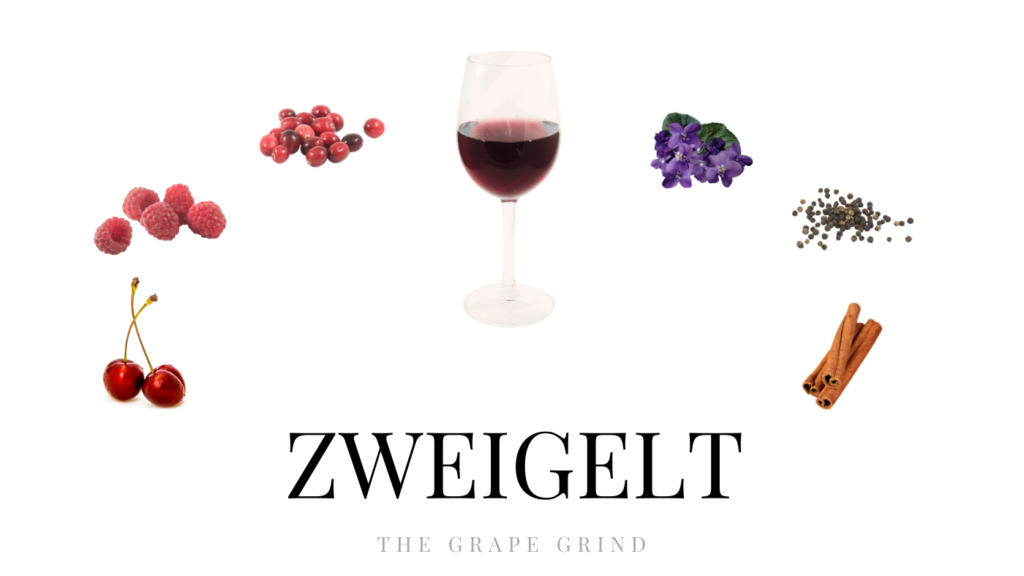
Zweigelt
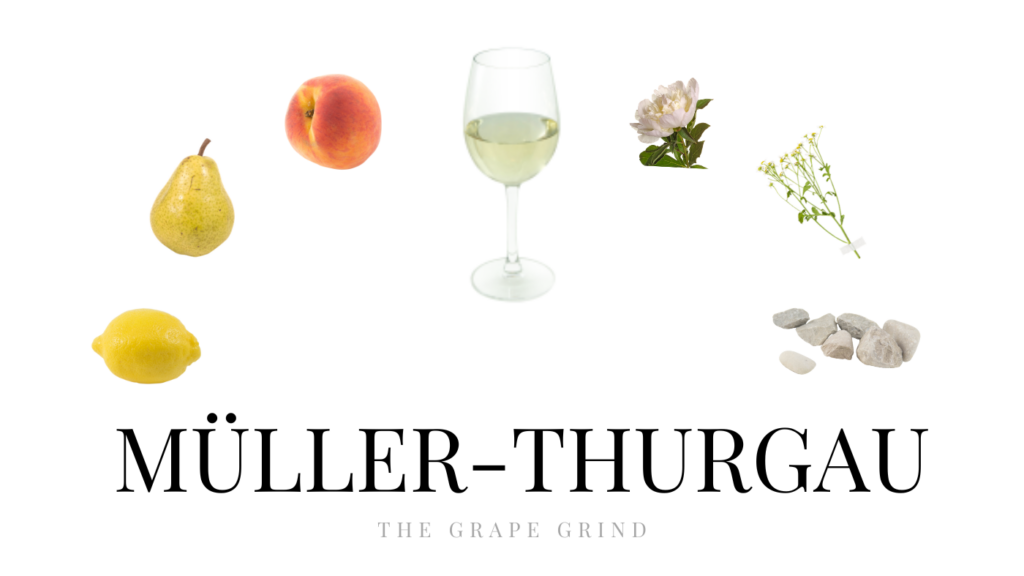
Müller-Thurgau
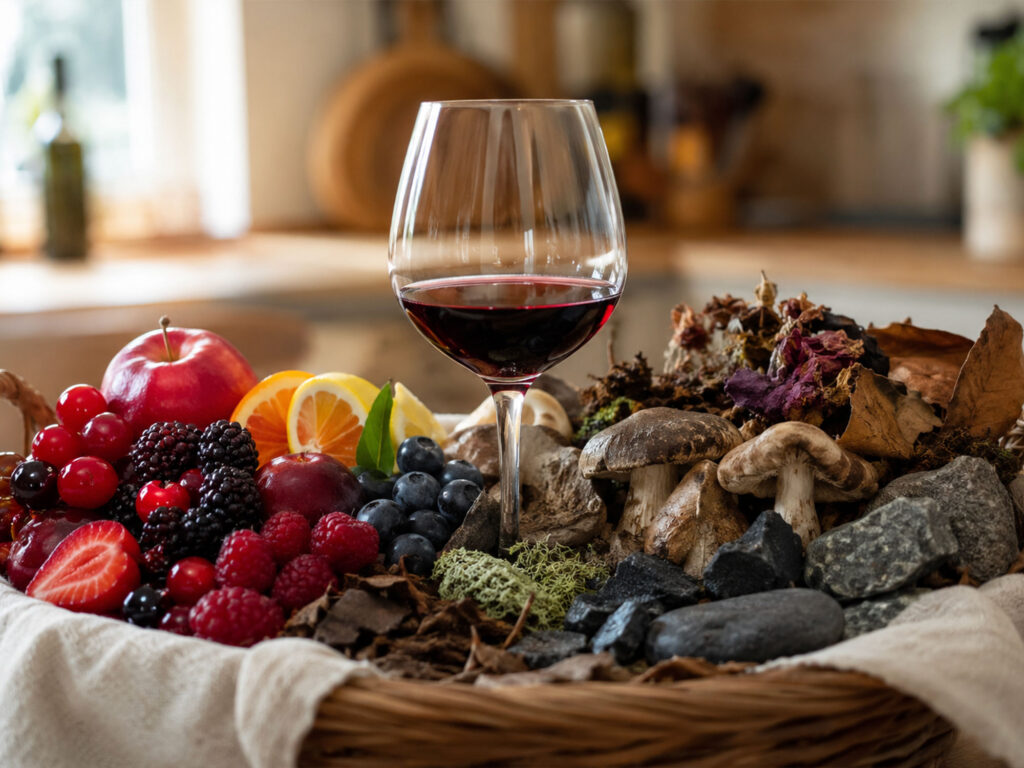
Some wines lead with ripe fruit. Others finish more on earth, mineral, or savory notes. Here’s a simple way to tell the difference and use it in blind tasting.
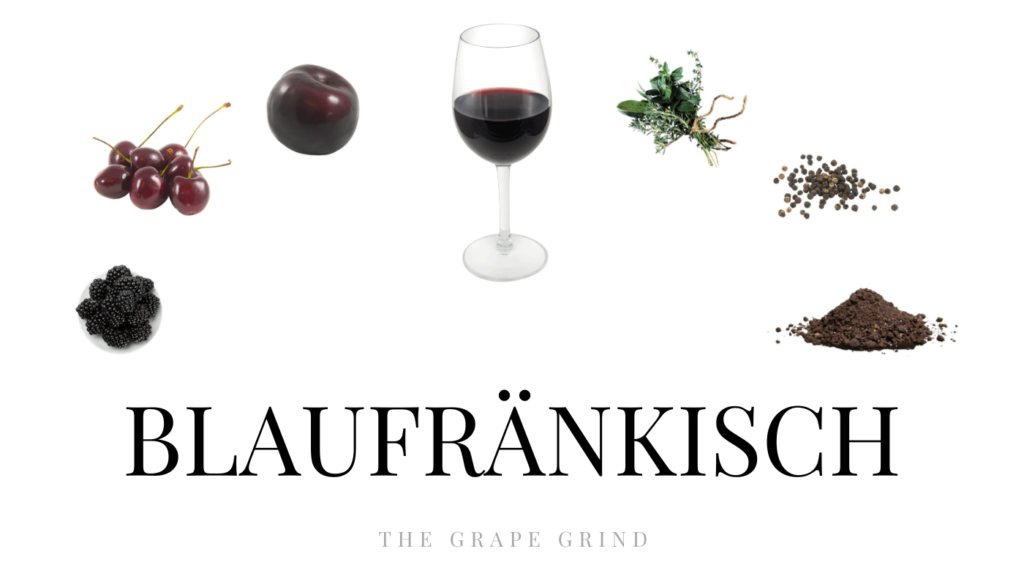
Blaufränkisch
Join our totally free community, which includes:
Just submit your info to receive your invite!
By submitting, you are consenting to receive marketing emails from The Grape Grind, including much of the core educational content you’re specifically signing up for now. You can unsubscribe at any time.