Mourvèdre
Make 2026 THE year.
Take 10% OFF your first 12 months of Tasting Group!
Code:
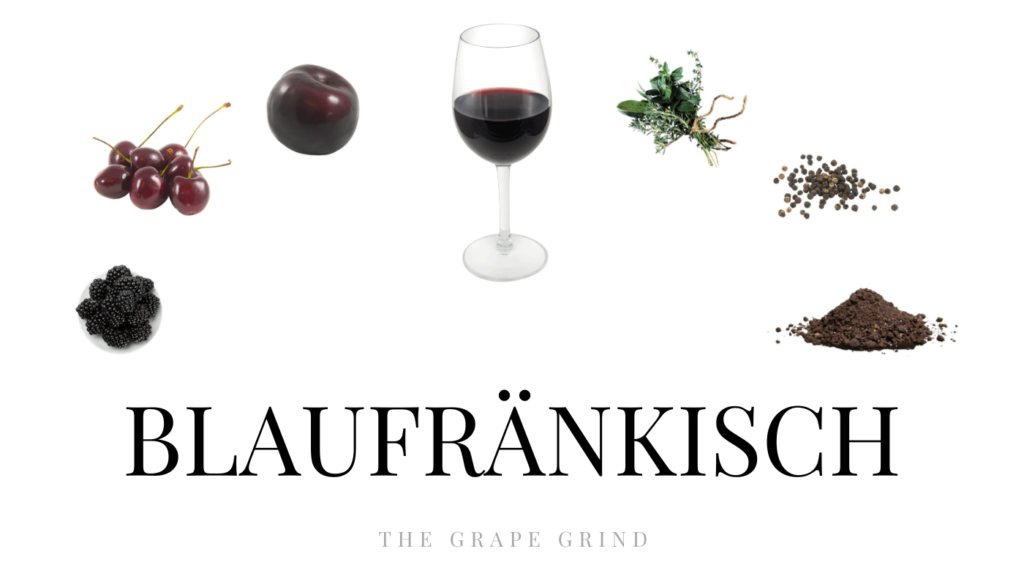
Blaufränkisch is a red grape variety closely associated with Central and Eastern Europe, especially Austria and Hungary. It is known for medium-bodied wines with dark fruit, peppery spice, brisk acidity, and firm tannins, which gives it a reputation for both character and aging potential.
It also appears under many regional names, including Kékfrankos, Lemberger, and Frankovka. Even with all those aliases, it is one distinct grape variety with a clear identity in the glass.
A few more notes on Blaufränkisch:
From here, we will look at Blaufränkisch through its aroma and flavor profile, structural traits, major origins, food pairings, and a few grapes it is often compared with.
Blaufränkisch is widely recognized for peppery spice, often supported by savory herbal notes. That spicy edge is one of the clearest markers of the variety.
High natural acidity gives the wine freshness and drive. That brightness keeps the dark fruit profile from feeling heavy and helps the wine age well.
Its thick skins and naturally firm tannins give Blaufränkisch a noticeable grip, especially when young. Even medium-bodied examples tend to feel structured rather than soft.
STANDARD TASTING NOTES: These are your benchmark exam-style tasting notes.
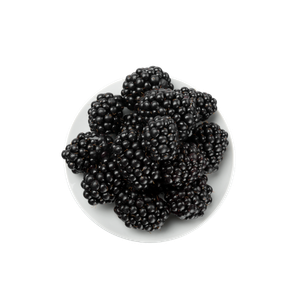
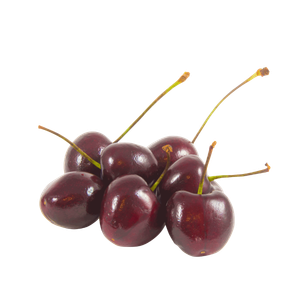
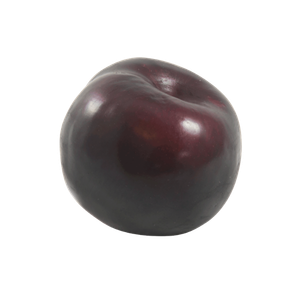
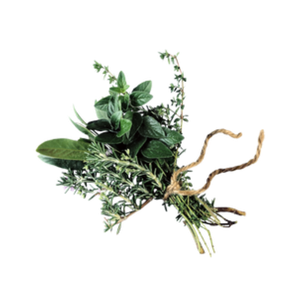
There is no “one size fits all” when it comes to structure for every grape, however, there IS a general range when it comes to body, acid, alcohol, and tannin for each. Below are general guidelines for classic representations. Growing conditions and winemaking techniques can impact each of the following.
Typical range: medium to medium-full. Blaufränkisch usually carries more weight than Pinot Noir but less than heavier reds like Cabernet Sauvignon or Syrah.

Typical range: medium-plus to high. Its acidity is one of the grape’s defining traits, giving the wines a racy, zesty feel and strong aging potential.

Typical range: medium to high, often around 13% to 15% ABV in quality wines. Cooler sites can produce lower alcohol, while warmer regions push it higher.

Typical range: medium to high and firm. The tannins are often fine-grained but plentiful, giving young wines a chewy, sometimes austere structure that softens with age.

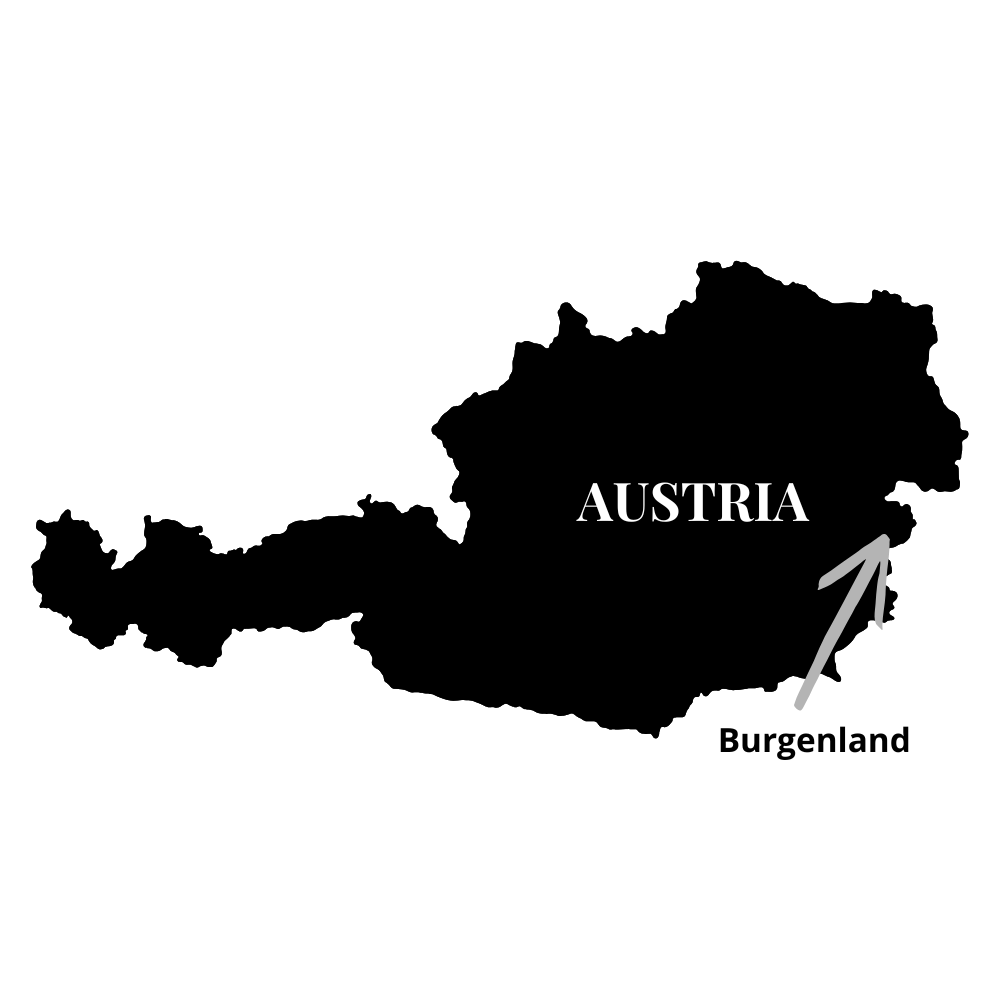
Burgenland, Carnuntum
Blaufränkisch likely originated in the region south of Vienna or nearby Styria, and Austria remains one of its key homes today. The grape was formally recorded as Blaufränkisch in Vienna in 1862, though it had been known earlier under other names.
Burgenland is Austria’s main center for the variety, with warm Pannonian conditions and the moderating influence of Lake Neusiedl. Within Burgenland, Mittelburgenland is known for fuller, more powerful wines from heavy loam and clay, while Eisenberg gives spicier, leaner wines from iron-rich schist, and Leithaberg produces lighter, more mineral examples from limestone and marl. In Carnuntum, especially Spitzerberg, sandy limestone sites give more linear, tension-filled wines.
Other important producing areas include Hungary, Germany, Slovakia, Czechia, Slovenia, Croatia, and Serbia
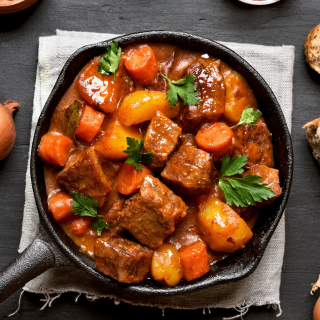
Blaufränkisch works well here because its high acidity keeps the dish from feeling heavy, while its peppery spice fits naturally with paprika-driven flavors. The wine’s tannins also have enough grip to handle the meat.
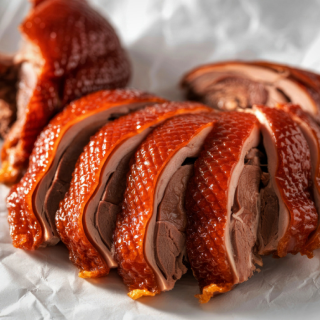
The wine’s acidity helps refresh the palate after richer bites, and its firm tannins match the protein well. Savory spice and dark fruit also sit comfortably beside earthy sauces and slightly gamey flavors.
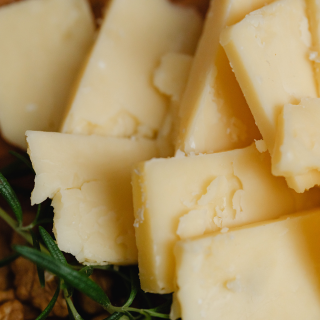
This pairing leans on contrast and structure. Blaufränkisch’s acidity cuts through the cheese’s richness, while its peppery edge and dark fruit bring energy to the salty, tangy character. Rustic in the best way.
(common confusions)
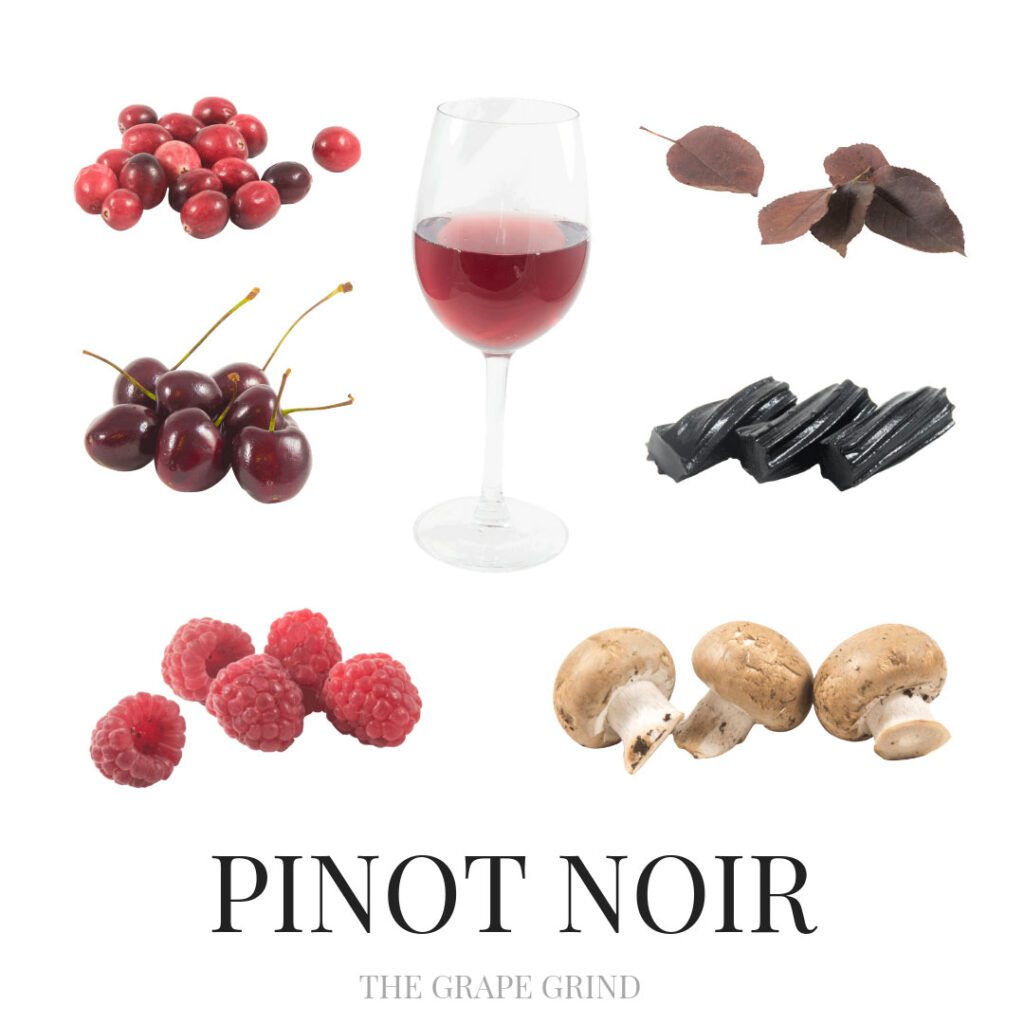
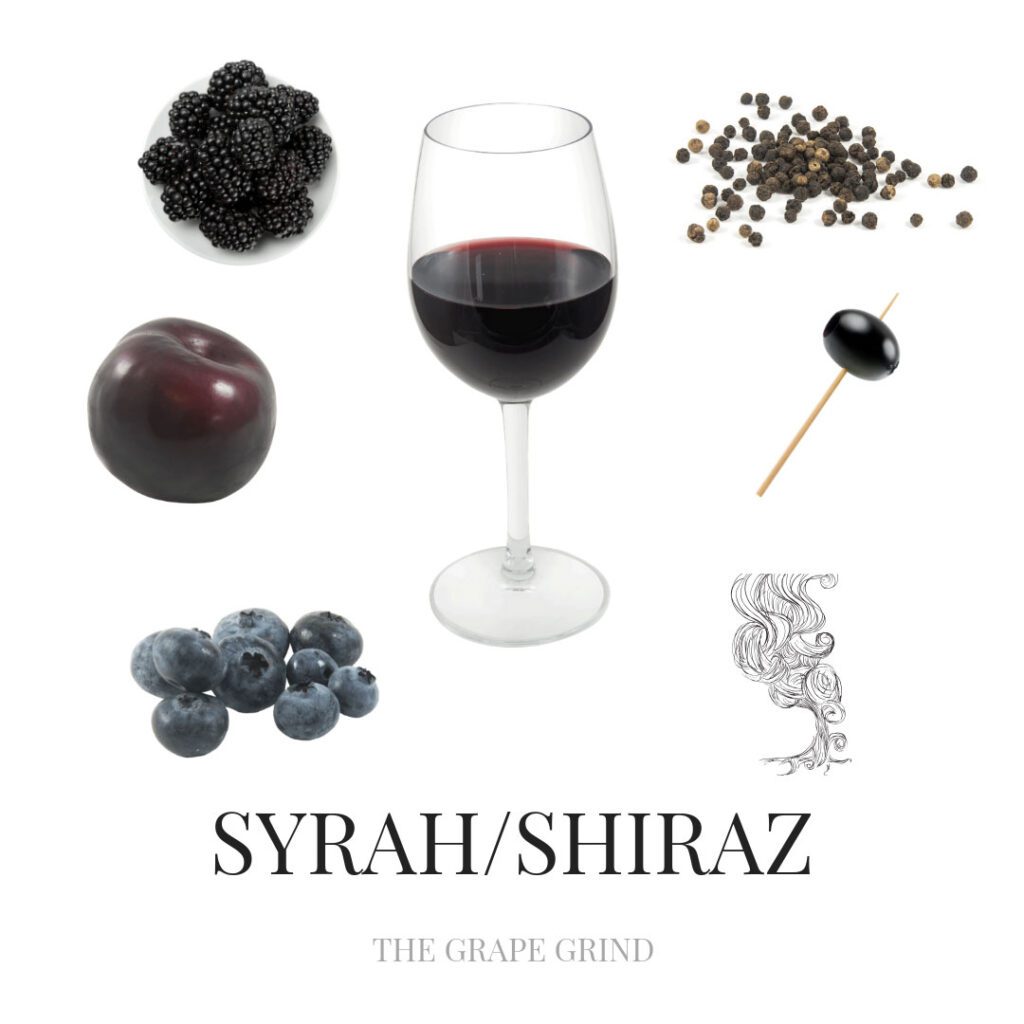
(Learn to Taste or Refresh Foundations)
(Ask, Discuss, & Connect)
(Gain Tasting Confidence)
Join our totally free community, which includes:
Just submit your info to receive your invite!
By submitting, you are consenting to receive marketing emails from The Grape Grind, including much of the core educational content you’re specifically signing up for now. You can unsubscribe at any time.
Joining the free Grape Grind community means your wine tasting journey begins NOW!
STEP 1 of 2 – Fill this out:
After you click the button above, you’ll be asked to enter your email again to set up your free account. Please use this same email address to create your account.
By submitting, you are consenting to receive marketing emails from The Grape Grind, including much of the core educational content you’re specifically signing up for now. You can unsubscribe at any time.
Learn & improve your wine tasting skills for free!