Gamay
Make 2026 THE year.
Take 10% OFF your first 12 months of Tasting Group!
Code:
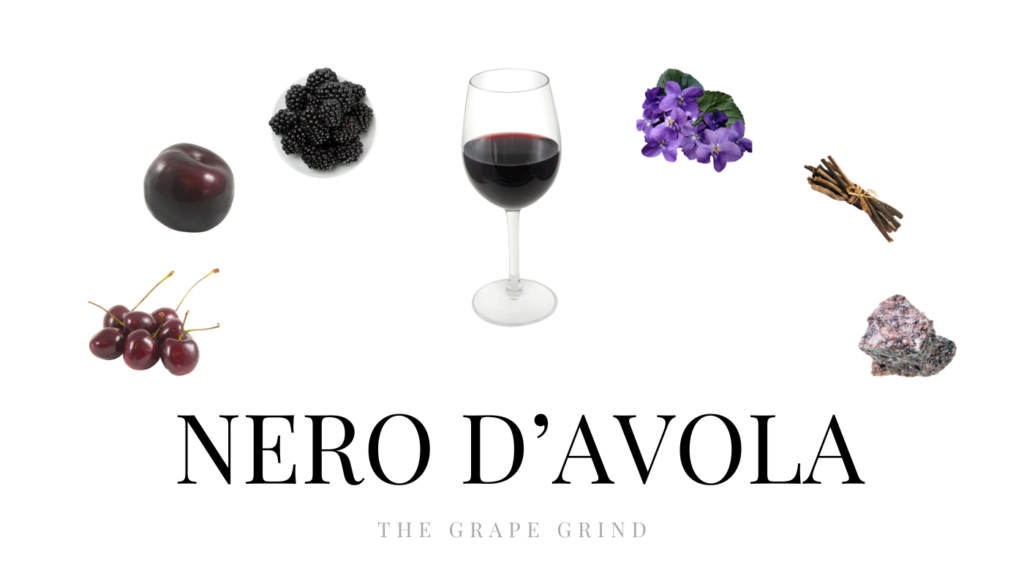
Nero d’Avola is a red grape variety from Sicily, and it is much more specific than the catch-all idea of a “big Sicilian red.” It is deeply colored, dark-fruited, and structurally flexible, with enough acidity to support everything from fresh, youthful reds to oak-aged, longer-lived wines, plus rosato, sparkling styles, and blends.
It is most closely tied to southeastern Sicily, especially around Avola and the broader Val di Noto area, but its role now stretches across the island and into a few warm-climate regions abroad. What makes it worth knowing is that it combines color, fruit, savory details, and freshness in a way that can look powerful without always drinking heavily. That’s a “win” in appealing to all types of drinkers!
A few more notes on Nero d’Avola:
This guide walks through Nero d’Avola from the angles that matter most in the glass and at the table: aroma and flavor, structure, where it comes from, what to eat with it, and which other grapes it can resemble.
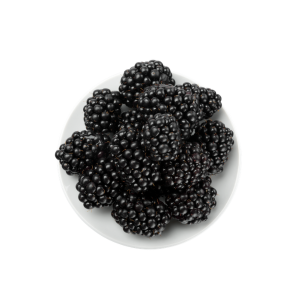
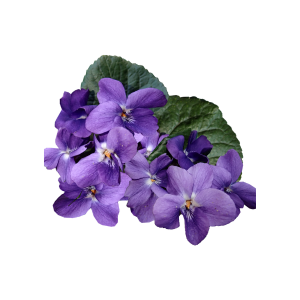
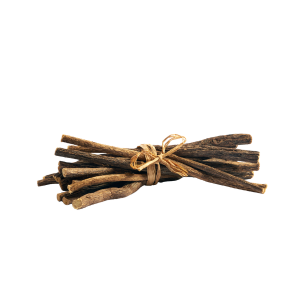
Nero d’Avola usually carries dark fruit with a distinctly savory edge, often showing herbs, balsam, licorice, or bitter citrus notes rather than simple sweetness.
It can support fresh stainless-steel reds, oak-aged cellar wines, rosato, sparkling styles, and blends without losing its core identity.
Nero d’Avola often carries a sense of energy; fresh acidity, lively fruit, and aromatic lift, rather than feeling heavy or flat. It captures both ripeness and movement in the glass, which is what makes the grape so compelling.
STANDARD TASTING NOTES: These are your benchmark exam-style tasting notes.
There is no “one size fits all” when it comes to structure for every grape, however, there IS a general range when it comes to body, acid, alcohol, and tannin for each. Below are general guidelines for classic representations. Growing conditions and winemaking techniques can impact each of the following.
Typical range: Medium to Medium (+). Nero d’Avola usually has substantial fruit and color, but the best examples stay proportionate rather than feeling heavy.

Typical range: Medium (+) to High. Acidity is one of the grape’s key balancing features, giving a juicy central line that keeps ripe fruit from turning broad.

Typical range: Medium to High. Still reds often land around 13% to 14.5%, with the strongest wines using acidity and extract to keep alcohol integrated.

Typical range: Medium to Medium (+). Tannins are usually smoother than the deep color suggests, though low-yield and oak-raised examples can build more grip and length.

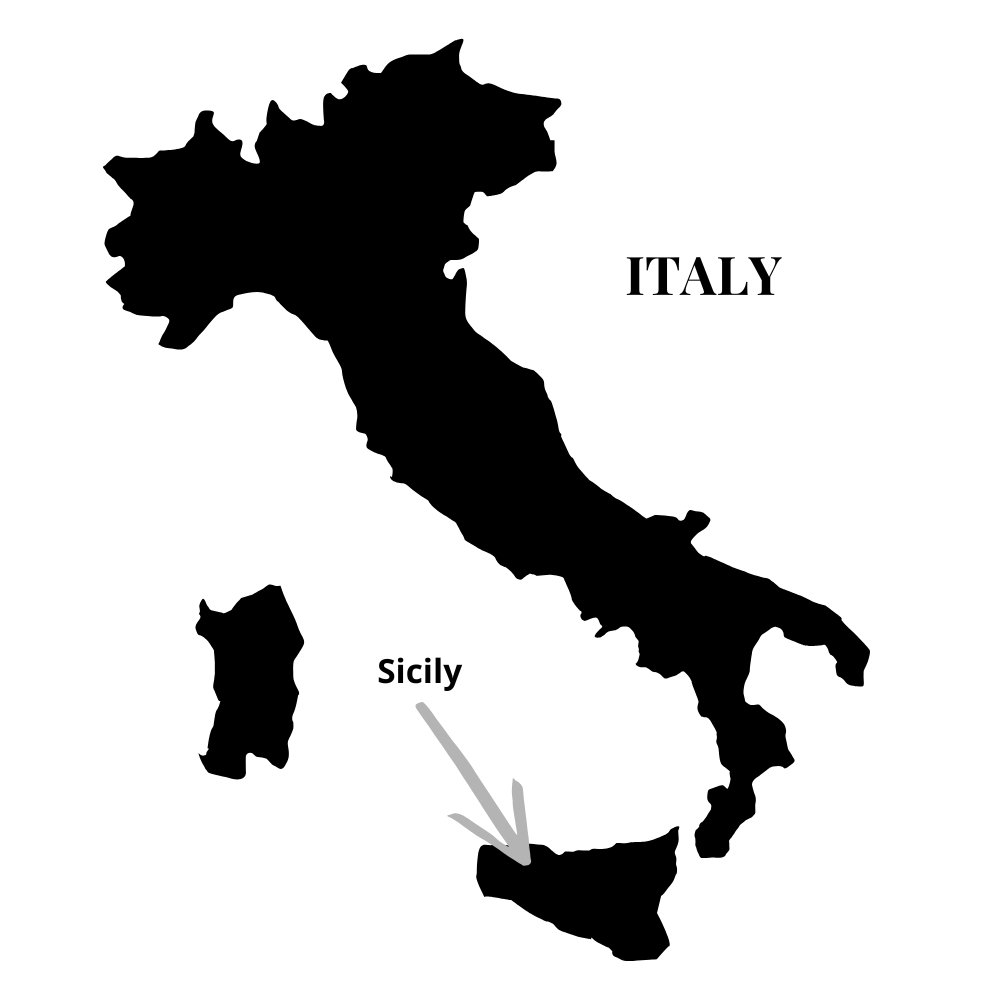
Sicily
Nero d’Avola is indigenous to Italy and historically anchored in sun-soaked southeastern Sicily, especially around Avola and the wider Val di Noto. While records mention it as far back as 1696, the grape’s story likely stretches even further into Sicily’s past.
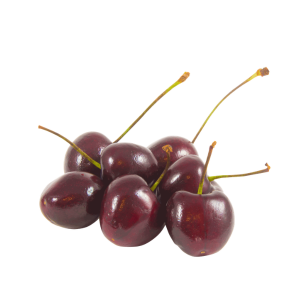
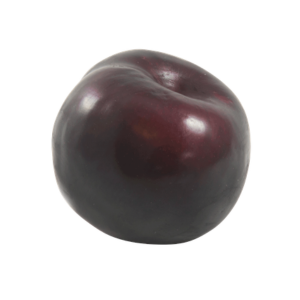
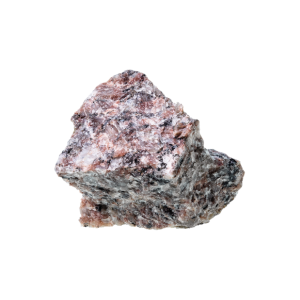
In the southeast, warm Mediterranean sunshine, cooling sea breezes, and dry conditions help Nero d’Avola thrive, producing wines packed with black cherry, plum, blackberry, wild herbs, balsamic notes, and a subtle bitter-citrus edge. Limestone, marl, and clay-rich soils often add depth and structure.
In Vittoria, the style is shifted. Red sandy soils, limestone, and slightly higher elevations create wines that feel brighter, lighter on their feet, and more lifted aromatically, especially in the famous Cerasuolo di Vittoria blends.
Other producing areas mentioned include Australia where Nero d’Avola has found success in warm-climate regions like Riverland and McLaren Vale, and California, where Nero d’Avola remains small in scale.
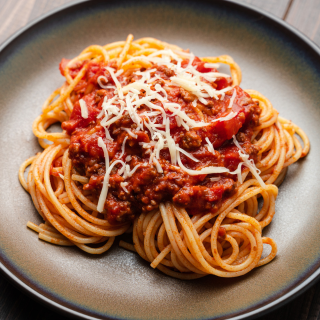
This works especially well with fresher or medium-bodied Nero d’Avola. The wine’s acidity can match tomato and moderate tannin gives enough grip for texture without making the pairing feel off.
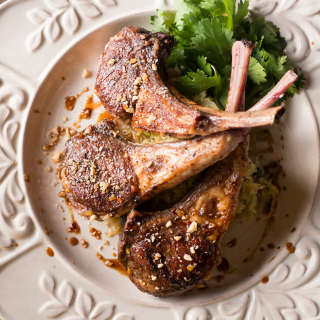
More structured, oak-raised, or low-yield versions have the fruit depth, tannin, and savory complexity for lamb. Protein and fat soften the tannin, while the wine’s acidity and balsamic-herbal notes help keeps it feeling lively.
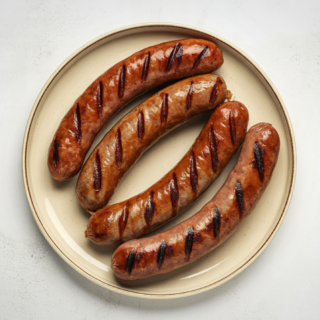
Grilled sausage is a natural match for Nero d’Avola. The wine’s dark fruit and savory notes work with the smoky, spiced meat, while its moderate tannin gives enough structure to handle the richness without overpowering it.
When Nero d’Avola feels fresher, lean toward tomato and vegetables. When it feels richer or oakier, move toward roast meat and deeper umami.
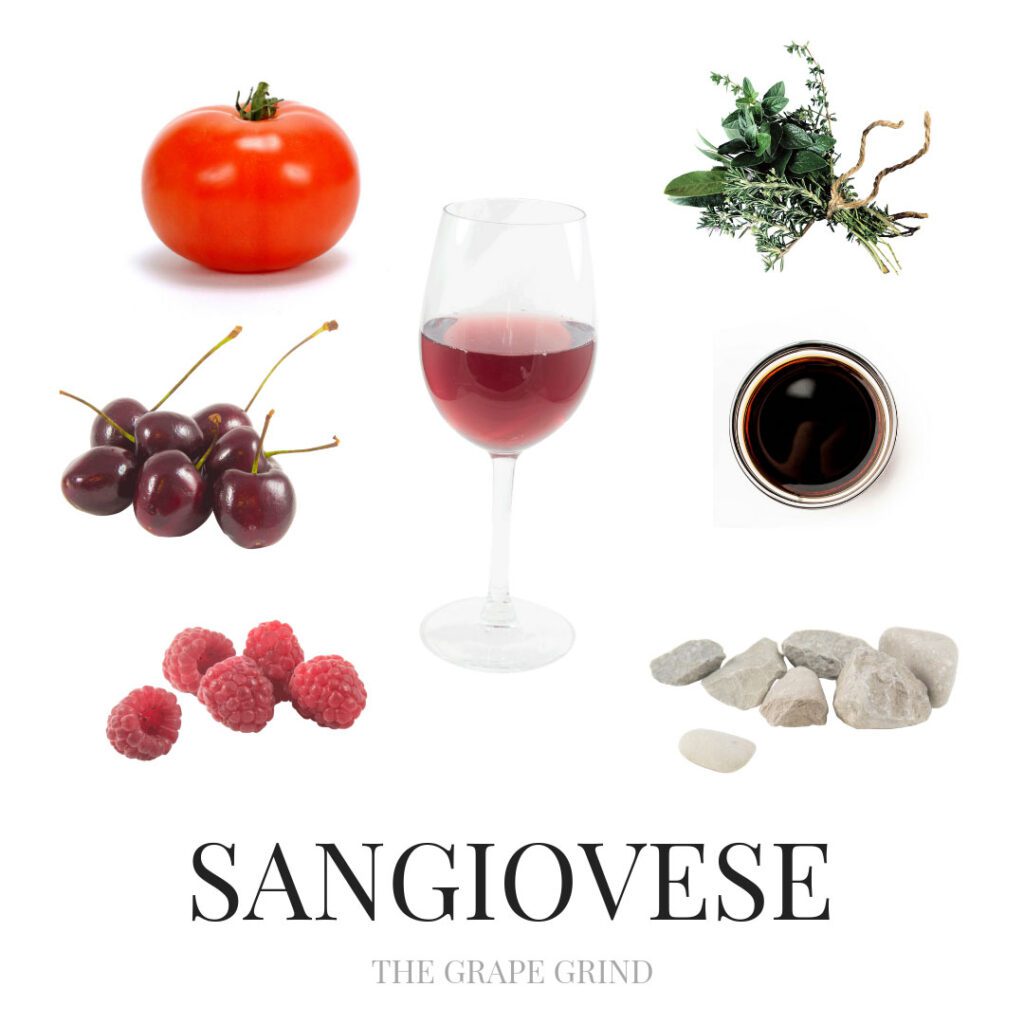
(common confusions)
(Learn to Taste or Refresh Foundations)
(Ask, Discuss, & Connect)
(Gain Tasting Confidence)
Join our totally free community, which includes:
Just submit your info to receive your invite!
By submitting, you are consenting to receive marketing emails from The Grape Grind, including much of the core educational content you’re specifically signing up for now. You can unsubscribe at any time.
Joining the free Grape Grind community means your wine tasting journey begins NOW!
STEP 1 of 2 – Fill this out:
After you click the button above, you’ll be asked to enter your email again to set up your free account. Please use this same email address to create your account.
By submitting, you are consenting to receive marketing emails from The Grape Grind, including much of the core educational content you’re specifically signing up for now. You can unsubscribe at any time.
Learn & improve your wine tasting skills for free!