A Guide to Not Getting Triggered by Wine Advice
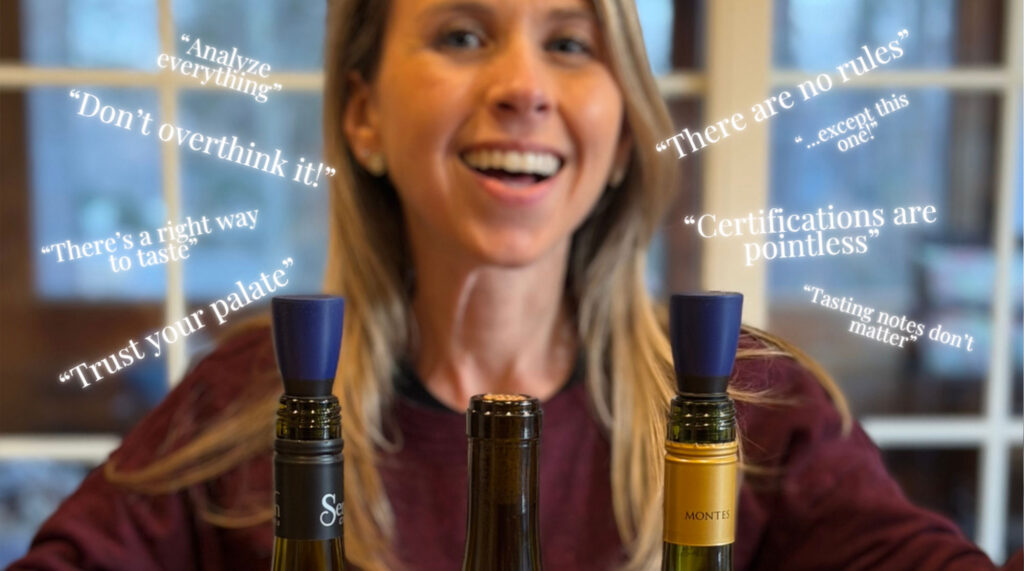
Wine advice often sounds absolute, but not all of it deserves equal weight. Here’s how to sort useful guidance from personal preference so you can keep learning without losing your footing.
Make 2026 THE year.
Take 10% OFF your first 12 months of Tasting Group!
Code:
Wine advice often sounds absolute, but not all of it deserves equal weight. Here’s how to sort useful guidance from personal preference so you can keep learning without losing your footing.
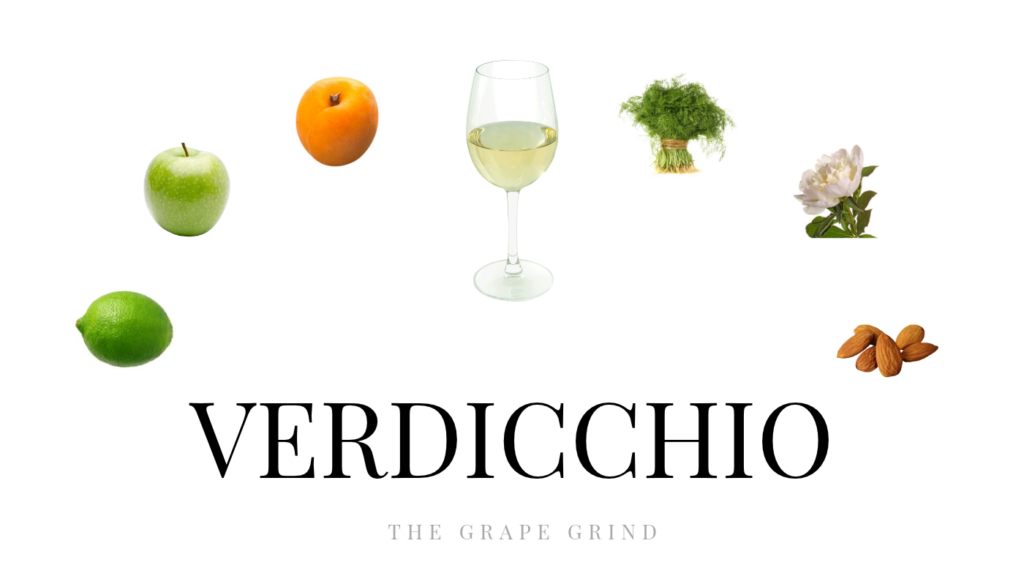
Verdicchio
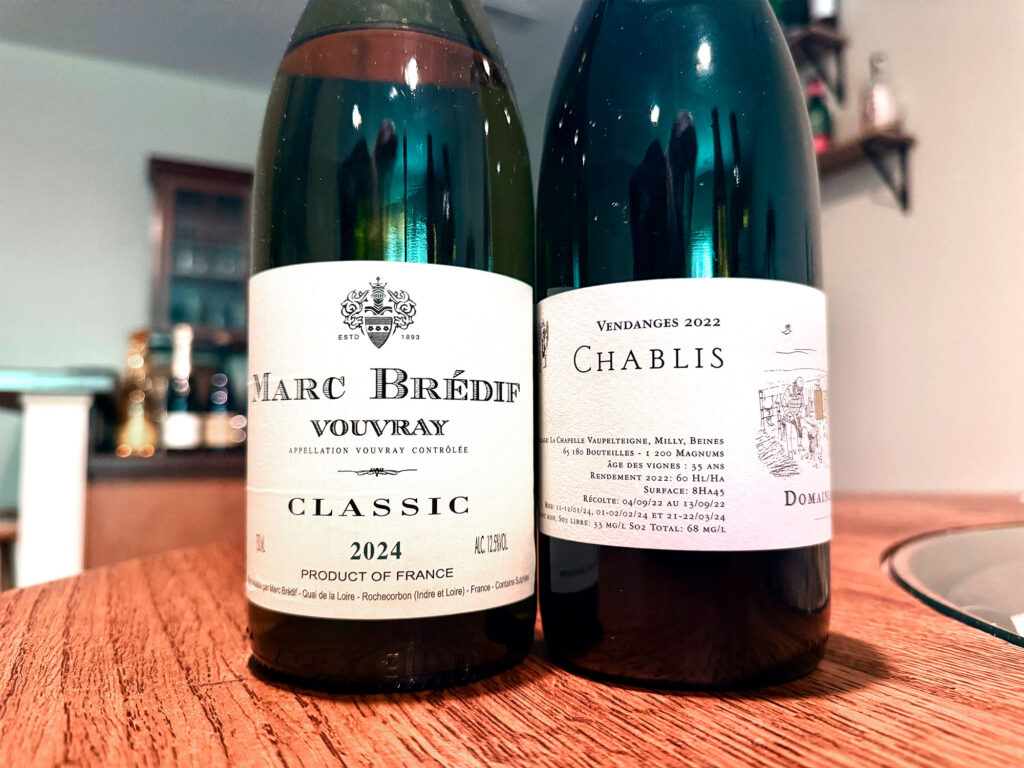
Chardonnay and Chenin Blanc can overlap more than many tasters expect. This guide focuses on the clues that matter most, including acid, texture, oak, and fruit profile, so you can make a more reliable call.
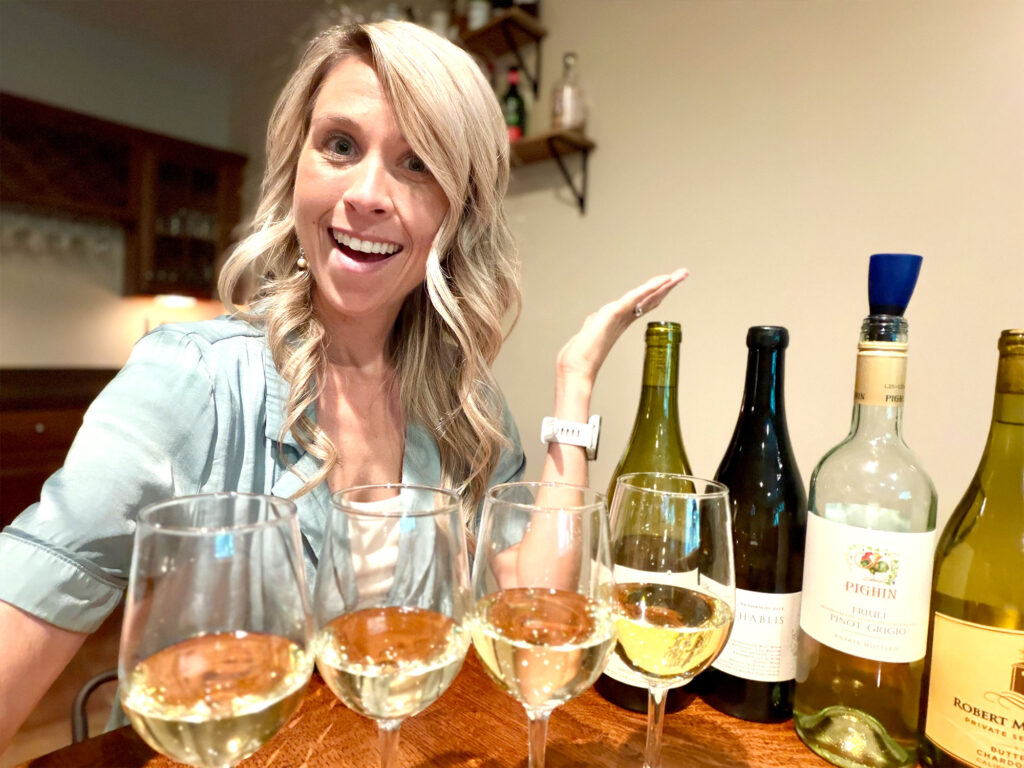
If blind tasting feels like a race to the right answer, try flipping the exercise. The outlier drill trains you to notice patterns, spot deviation, and build tasting confidence before you worry about identification.
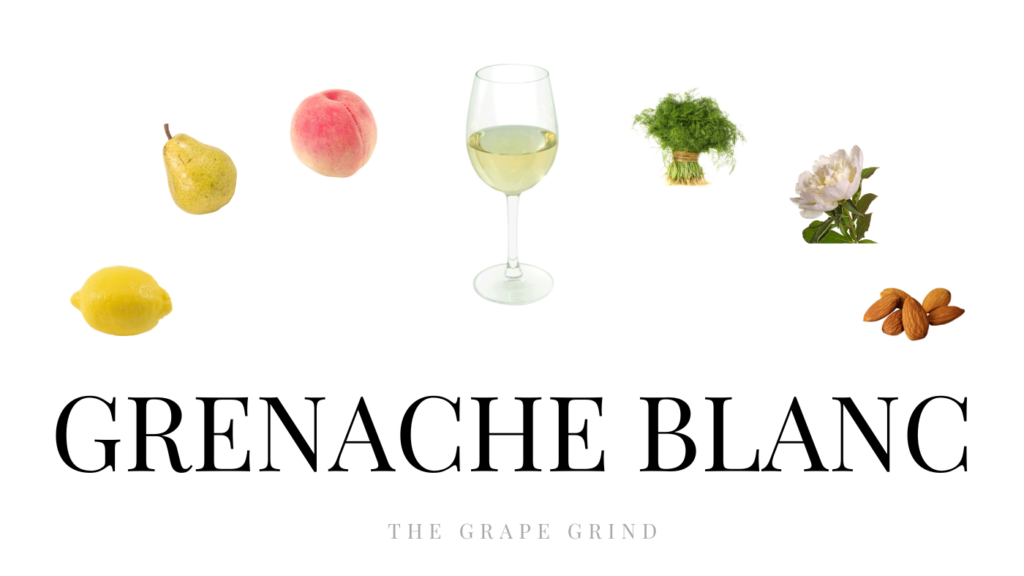
Grenache Blanc
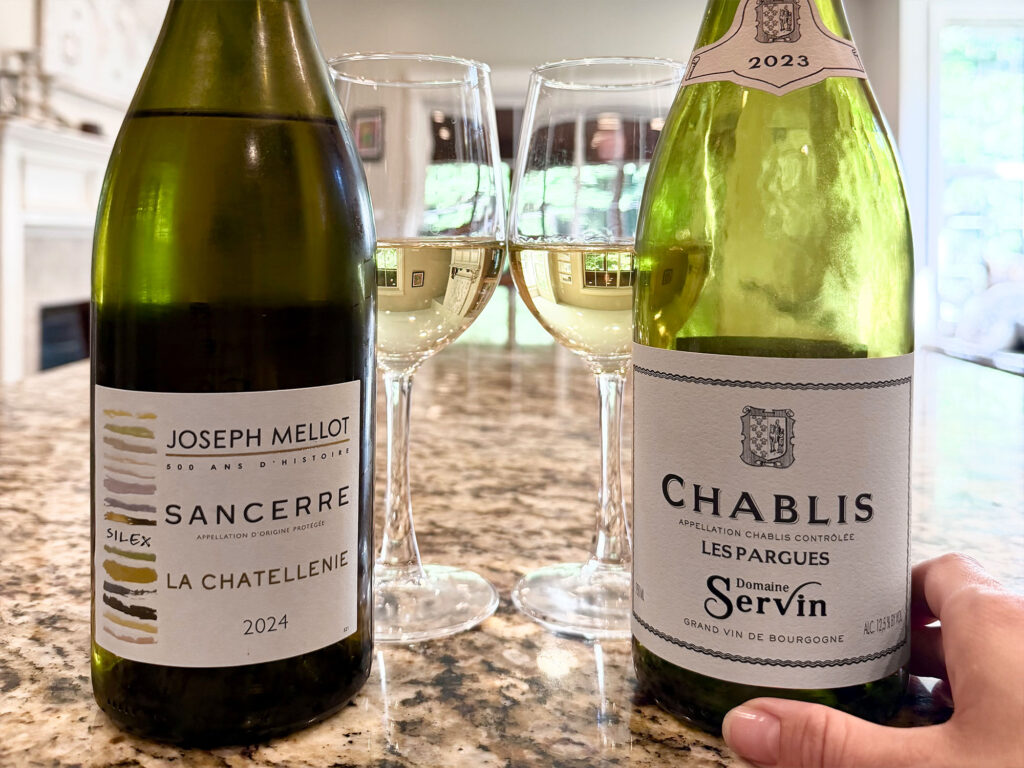
Minerality is one of wine’s most debated descriptors, and for good reason. It is not a literal taste of rocks, but it can reflect sulfur compounds, reduction, acidity, and a wine’s overall sensory balance.
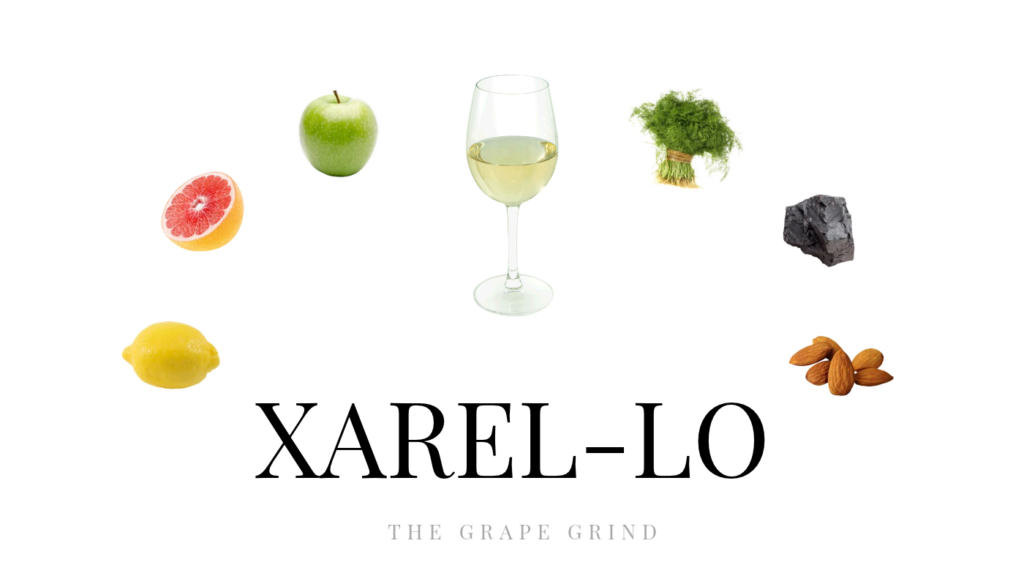
Xarel·lo
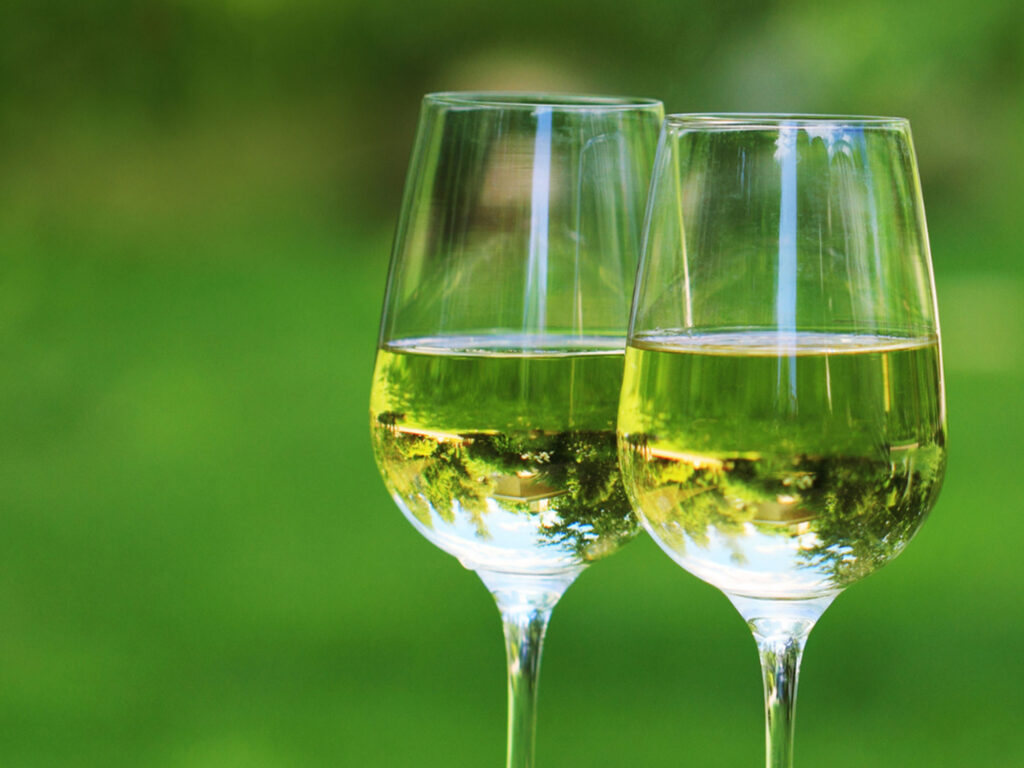
Albariño and Sauvignon Blanc can look similar at first glance. A structured comparison makes the differences easier to spot, especially in aroma, acidity, and texture.
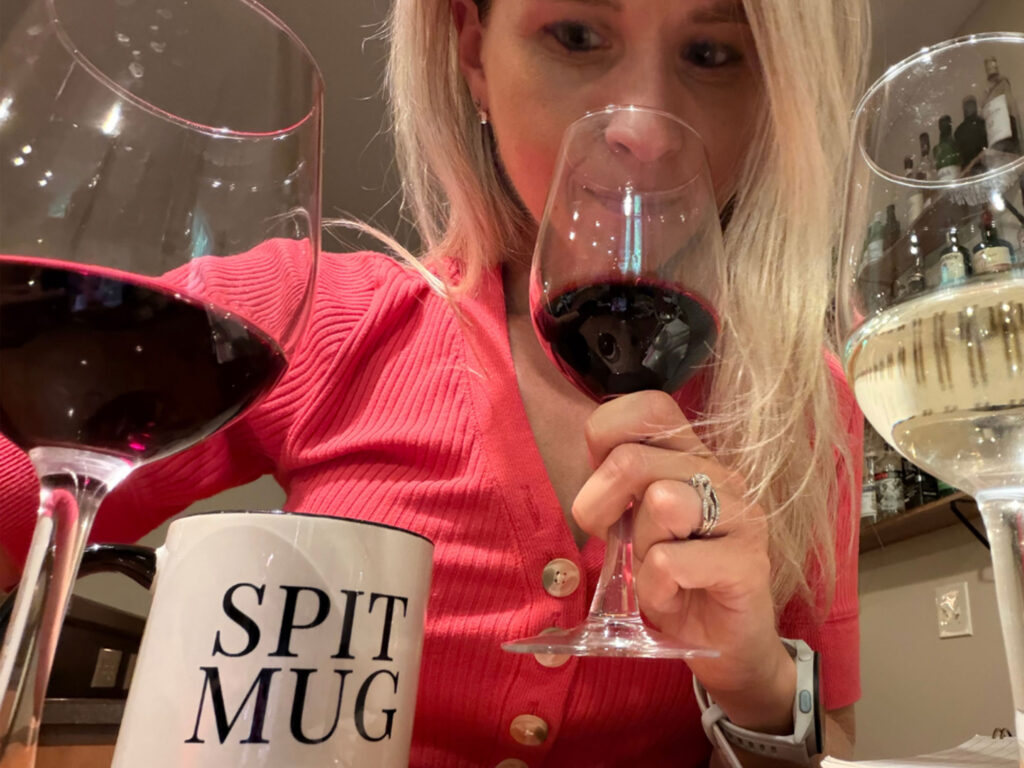
A tasting note is not a test of whether you guessed the exact same words as someone else. It is a structured interpretation of what you perceive, and the best notes connect observation, description, and deduction.
Join our totally free community, which includes:
Just submit your info to receive your invite!
By submitting, you are consenting to receive marketing emails from The Grape Grind, including much of the core educational content you’re specifically signing up for now. You can unsubscribe at any time.