
Gewürztraminer
Make 2026 THE year.
Take 10% OFF your first 12 months of Tasting Group!
Code:
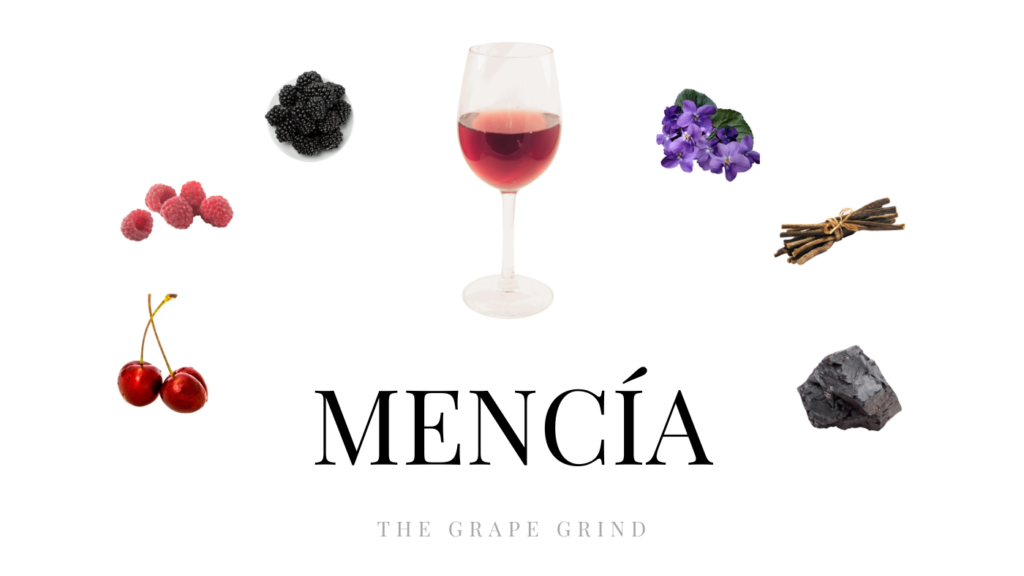
Mencía (pronounced men-thee-ah) is a black-skinned Iberian grape variety best known for dry red wines that combine strong aromatic lift with moderate body and fresh acidity. It is especially associated with northwestern Spain, particularly Bierzo and several Galician regions, and it is genetically identical to the Portuguese grape Jaen
Its style is not fixed in one narrow lane. Mencía can be pale, floral, and tart-fruited from cooler sites, or darker, more savory, and more structured from warmer slopes and lower-yielding vineyards. What tends to hold it together is perfume, freshness, and a clear sense that site and winemaking matter a lot (nothing new)!
A few more notes on Mencía:
This guide walks through what Mencía smells and tastes like, how its structure usually shows up, where it comes from, what to pair with it, and which other grapes it can resemble in the glass.
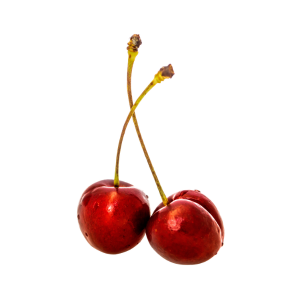
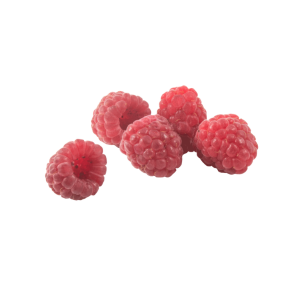
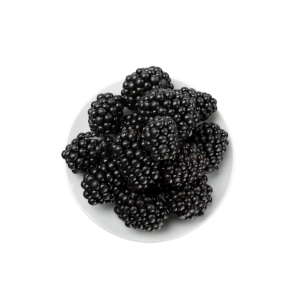
Mencía often delivers medium-plus to high aromatic intensity, with violet, red and black fruit, herbs, and spice showing more volume than its moderate body might suggest.
Its best wines are usually defined by a clear acid line that keeps the fruit lively and the finish energetic, even when the wine gains depth or darker fruit.
Mencía can be light and floral or darker and more structured, depending on site, yield, harvest timing, extraction, stem use, and élevage.
STANDARD TASTING NOTES: These are your benchmark exam-style tasting notes.
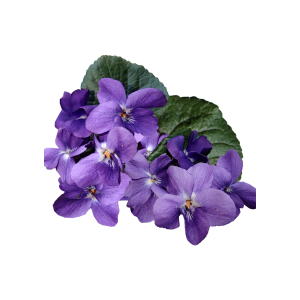
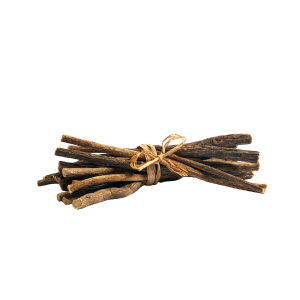
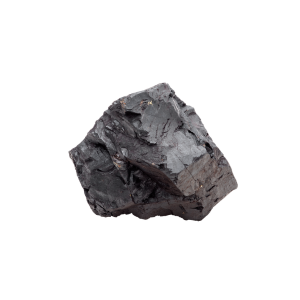
There is no “one size fits all” when it comes to structure for every grape, however, there IS a general range when it comes to body, acid, alcohol, and tannin for each. Below are general guidelines for classic representations. Growing conditions and winemaking techniques can impact each of the following.
Typical range: light to medium (+). Mencía usually sits on the lighter side, with body rising in warmer sites, lower yields, longer maceration, and oak aging.

Typical range: medium to high. Freshness is often the defining structural feature, especially in cooler or higher sites, though warmer regions can bring a softer acid profile.

Typical range: medium to high. Serious dry examples often fall broadly around 12.5% to 14.5%, with cooler, earlier-picked wines lower and warmer-site wines higher.

Typical range: medium (-) to medium (+). Tannins usually shape the wine rather than dominate it, though whole clusters, old vines, warm slopes, and longer extraction can add firmer grip.

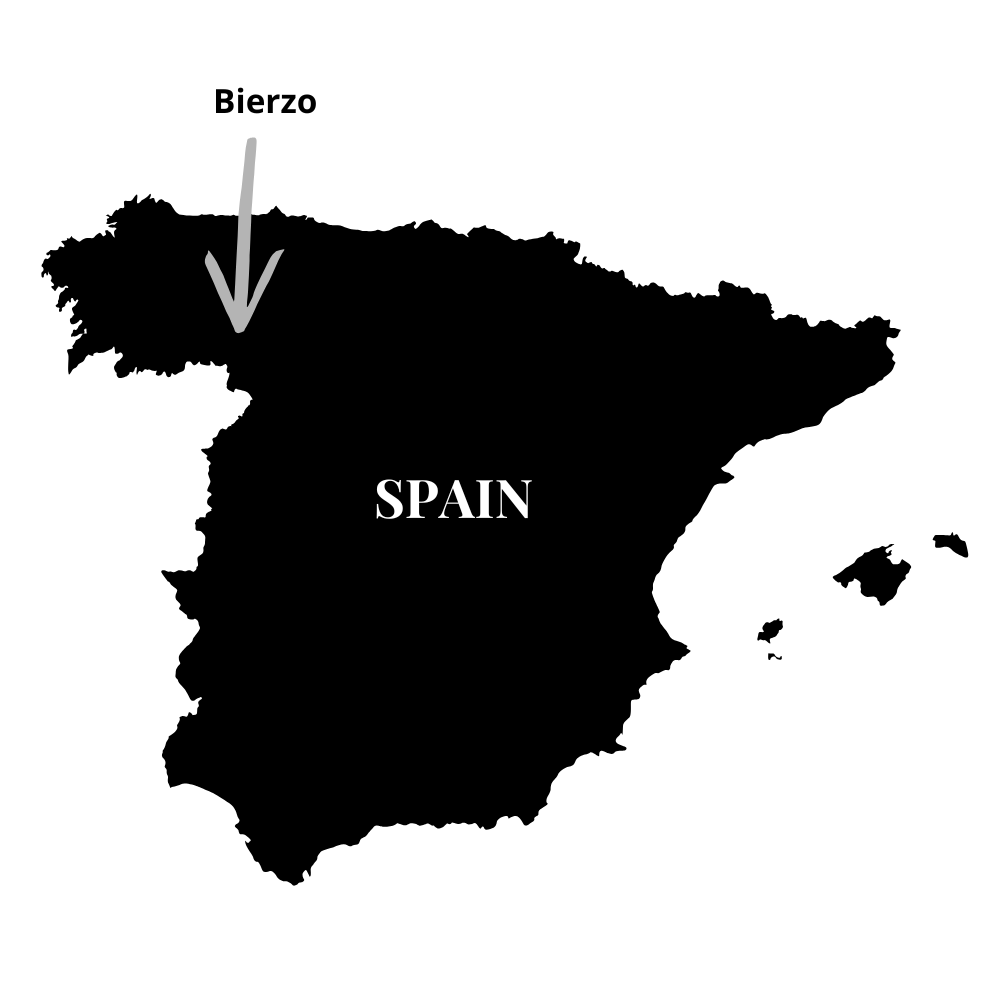
Bierzo; Ribeira Sacra
Mencía’s modern home is in northwestern Spain, where it has become a star of terroir-driven red wines. Its true birthplace is still debated, and its history is not a simple story of a grape dominating these regions for centuries. Instead, Mencía’s rise was closely tied to the rebuilding of vineyards after phylloxera, when growers recognized its ability to ripen reliably, produce quality fruit, and thrive in challenging mountain landscapes. In Bierzo, a mountain-ringed basin influenced by both Atlantic and continental climates, old vines, varied elevations, and a patchwork of clay, slate, schist, quartzite, and sandstone soils allow Mencía to show many personalities, from darker, fuller-bodied wines to fresher, floral, mineral-driven expressions. In Ribeira Sacra, where vines cling to dramatic terraces along the Miño, Sil, Bibei, and surrounding valleys, the combination of steep slopes, river influence, altitude, and rocky soils creates wines with a more linear, high-acid profile, often marked by red cherry, violet, pepper, and a distinctly fresh, lifted character.
Other important producing areas include Valdeorras, Monterrei, and Ribeiro, where climate, slope, and soils such as slate, granite, clay, and alluvium strongly influence style. Also Portugal (the same cultivar is known as Jaen).
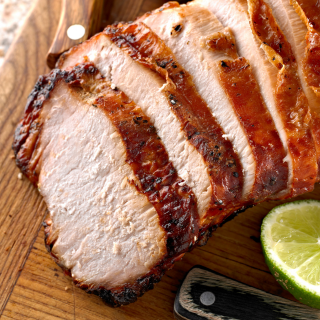
One of Mencía’s most classic pairings. Roast pork works well because Mencía usually brings fresh acidity, moderate tannin, and medium body. The acidity cuts through fat, while the wine’s savory fruit and floral lift keep the pairing lively rather than heavy.
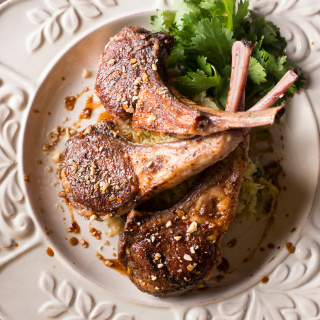
Mencía’s combination of earthy flavors, floral notes, and structured tannins makes it a natural match for lamb. The wine balances the richness of the meat while echoing the herbal, savory, and slightly gamey flavors often found in roasted or grilled preparations.
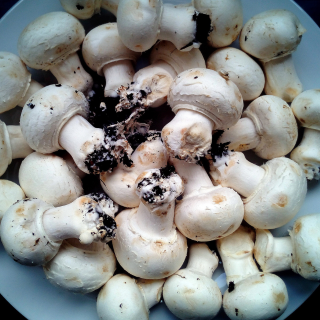
Especially fitting for earthy, mineral-driven Mencías from regions like Bierzo and Ribeira Sacra. The wine’s violet, forest-floor, and savory notes mirror the umami character of mushrooms, while its freshness keeps the pairing from feeling too heavy.
(common confusions)
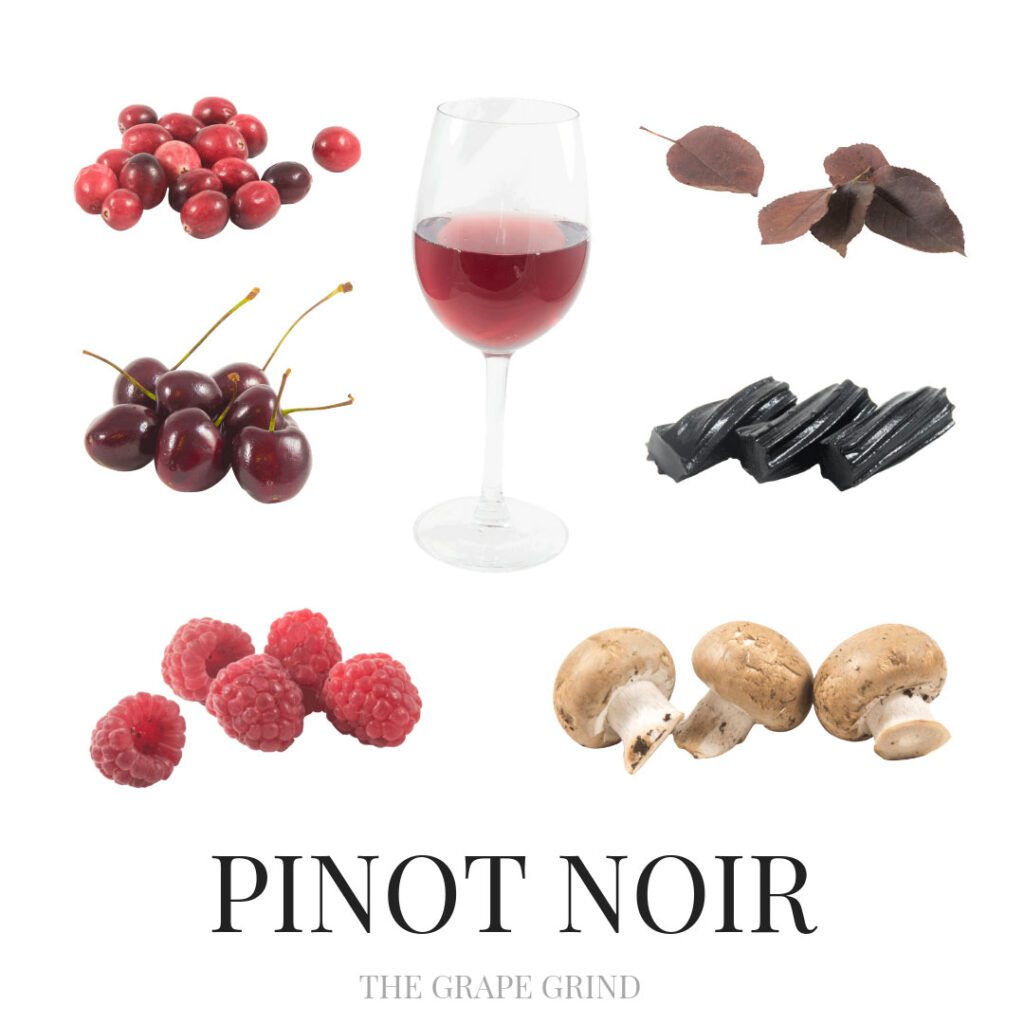
Has:
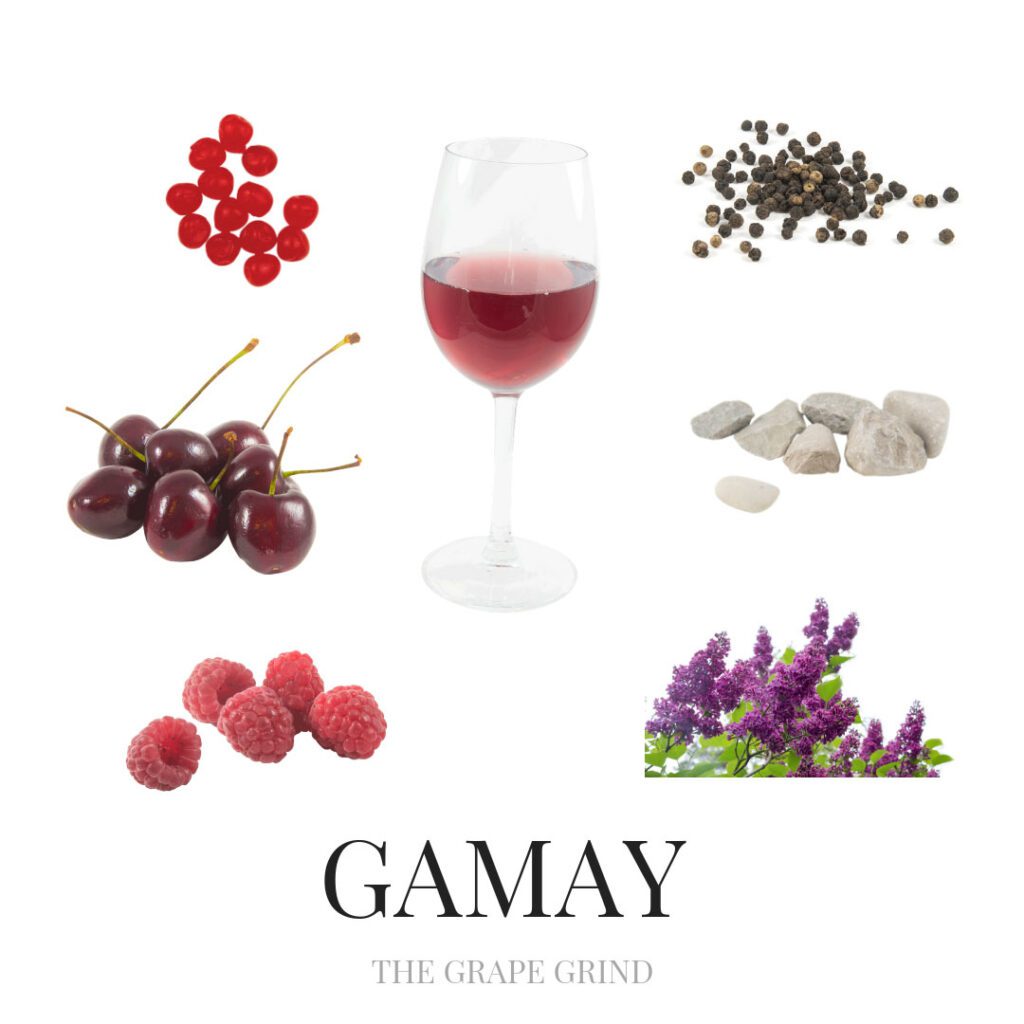
Has:
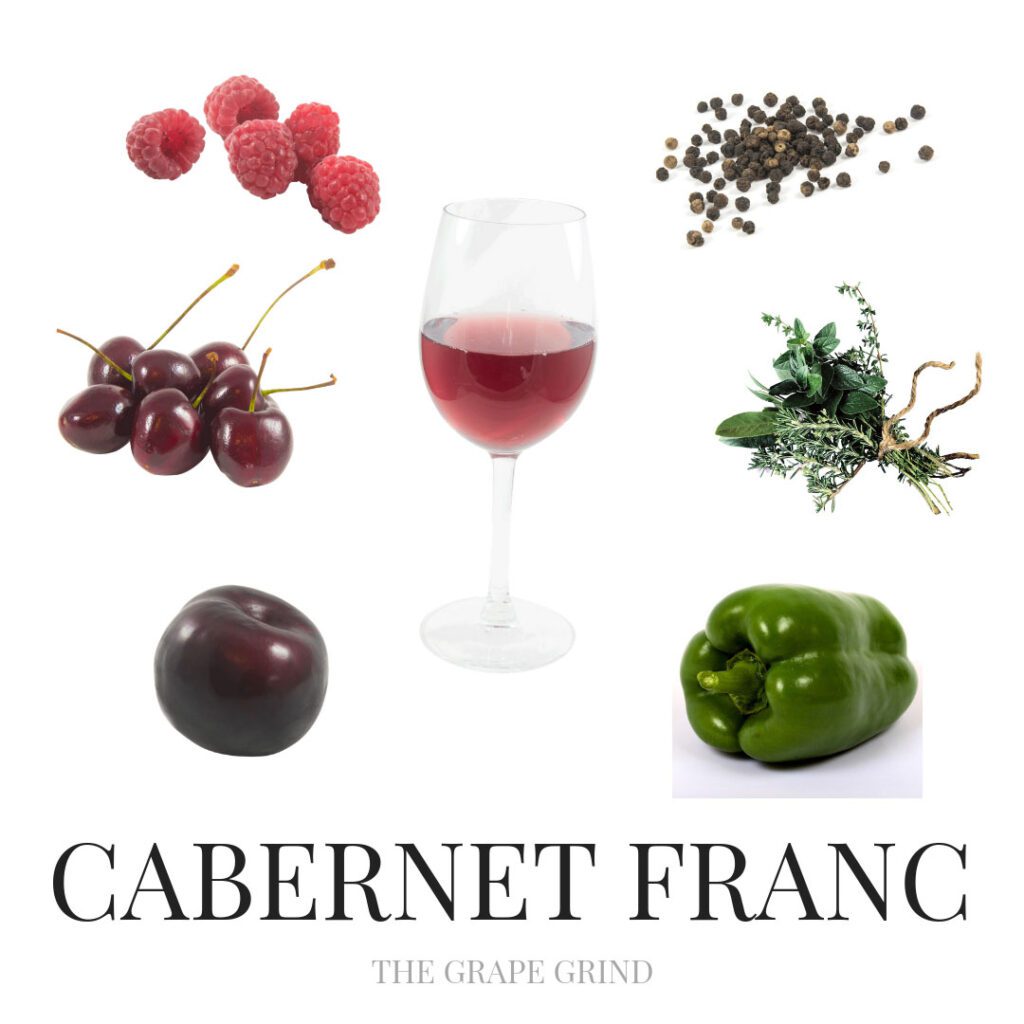
Has:
(Learn to Taste or Refresh Foundations)
(Ask, Discuss, & Connect)
(Gain Tasting Confidence)
Join our totally free community, which includes:
Just submit your info to receive your invite!
By submitting, you are consenting to receive marketing emails from The Grape Grind, including much of the core educational content you’re specifically signing up for now. You can unsubscribe at any time.
Joining the free Grape Grind community means your wine tasting journey begins NOW!
STEP 1 of 2 – Fill this out:
After you click the button above, you’ll be asked to enter your email again to set up your free account. Please use this same email address to create your account.
By submitting, you are consenting to receive marketing emails from The Grape Grind, including much of the core educational content you’re specifically signing up for now. You can unsubscribe at any time.
Learn & improve your wine tasting skills for free!