
Touriga Nacional
Make 2026 THE year.
Take 10% OFF your first 12 months of Tasting Group!
Code:
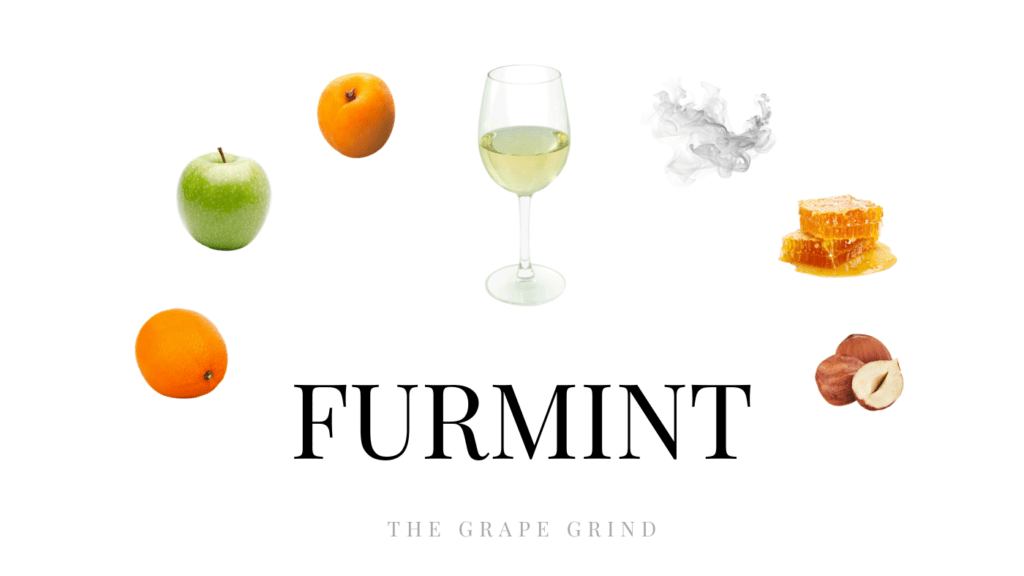
Furmint is a white grape variety most closely associated with Hungary and especially Tokaj. It is best known for its role in Tokaji sweet wines made from botrytised grapes, but modern Furmint also includes dry whites and sparkling wines, with high acidity appearing again and again as one of its defining traits.
A few more notes on Furmint:
This guide walks through how Furmint typically smells and tastes, how it is structured on the palate, where it comes from, what foods it works with, and which other grapes it is most often confused with.
High acidity is a defining trait for Furmint, shaping both its dry wines and its sweet Tokaji expressions. It’s been said that all styles have a sort of tension to them!
Furmint wines offer both flavor and texture that evolve on the palate. Fruit notes mingle with subtle mineral, herbal, and nutty hints, creating depth and a satisfying mouthfeel from start to finish.
Within Tokaj alone, Furmint appears in dry white, late-harvest, sparkling, Szamorodni, Aszú, and Eszencia styles!
STANDARD TASTING NOTES: These are your benchmark exam-style tasting notes.
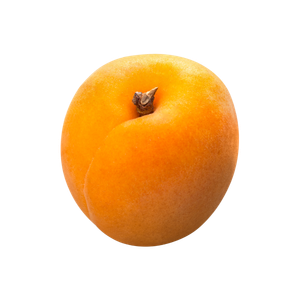
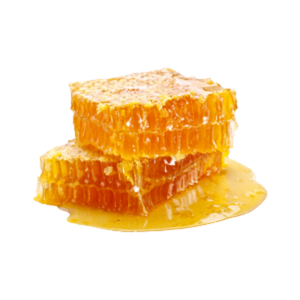
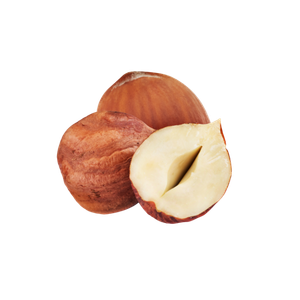
There is no “one size fits all” when it comes to structure for every grape, however, there IS a general range when it comes to body, acid, alcohol, and tannin for each. Below are general guidelines for classic representations. Growing conditions and winemaking techniques can impact each of the following.
Typical range: Medium to Full. Dry Furmint is medium-bodied and structured, with a subtle textural grip. Sweet Tokaji, by contrast, is medium to full-bodied, silky and layered, with added richness and sweetness.

Typical range: Medium (+) to High. High acidity is the clearest structural marker for Furmint and helps support both freshness in dry wines and balance in sweeter styles.

Typical range: Low to Medium (+), depending on style. Tokaj PDO categories run from very low actual alcohol in Eszencia to higher minimums for dry Szamorodni and dry white wines.


Tokaj
Furmint is Hungary’s flagship white grape, most famously grown in the Tokaj region, where it has been cultivated for over a thousand years. It forms the backbone of Tokaji Aszú, sweet wines made from individually hand-picked, botrytized grapes that are measured in “puttonyos,” a traditional sweetness scale, and Tokaji Essencia, the ultra-rich nectar made almost entirely from the free-run juice of botrytized berries. While Furmint is best known for these legendary sweet wines, it is increasingly crafted as crisp, racy dry wines, showcasing its high acidity, mineral character, and ability to reflect Tokaj’s volcanic soils. The region’s unique climate, with warm summers and autumn mists from the Bodrog and Tisza rivers, encourages noble rot while maintaining freshness. Historical producers such as Royal Tokaji, Disznókő, and Oremus set benchmarks for quality, making Furmint both a cultural treasure and a versatile grape for modern winemaking.
Other countries you can find Furmint include Slovenia, Croatia, Austria, Bulgaria, Cyprus, Romania, and Slovakia.
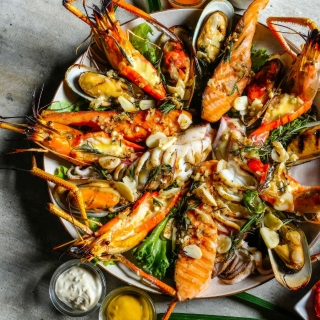
Dry Furmint’s high acidity makes it a natural fit for seafood. That acidity keeps the pairing lively and helps the wine stay clear and fresh alongside delicate textures and clean flavors.
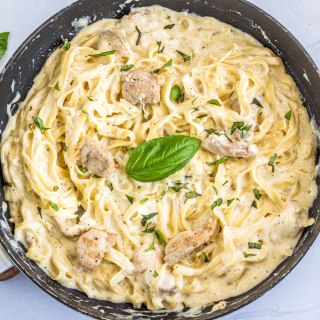
The medium body and slight textural grip match the creamy, silky sauce, creating a balanced mouthfeel.
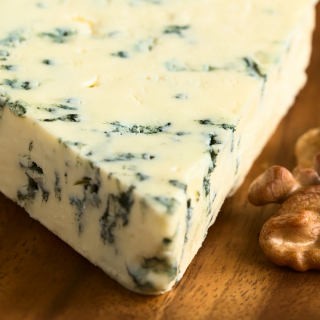
Sweet Tokaji styles are suggested with blue cheese. Here, the pairing logic shifts toward sweetness and vibrant acidity, which can handle intense salt quite comfortably.
If you are pairing by style, keep the sweet and dry versions separate in your mind. Furmint can show up in very different forms.
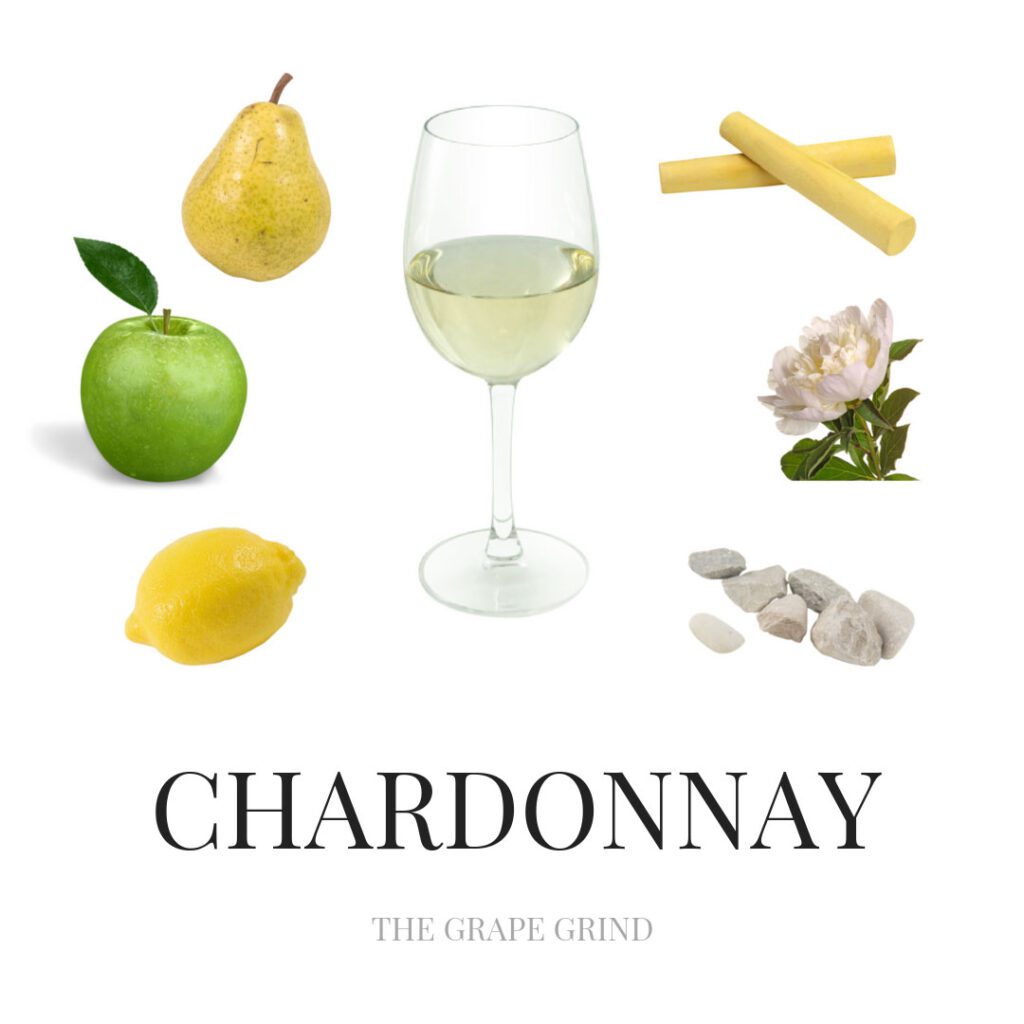
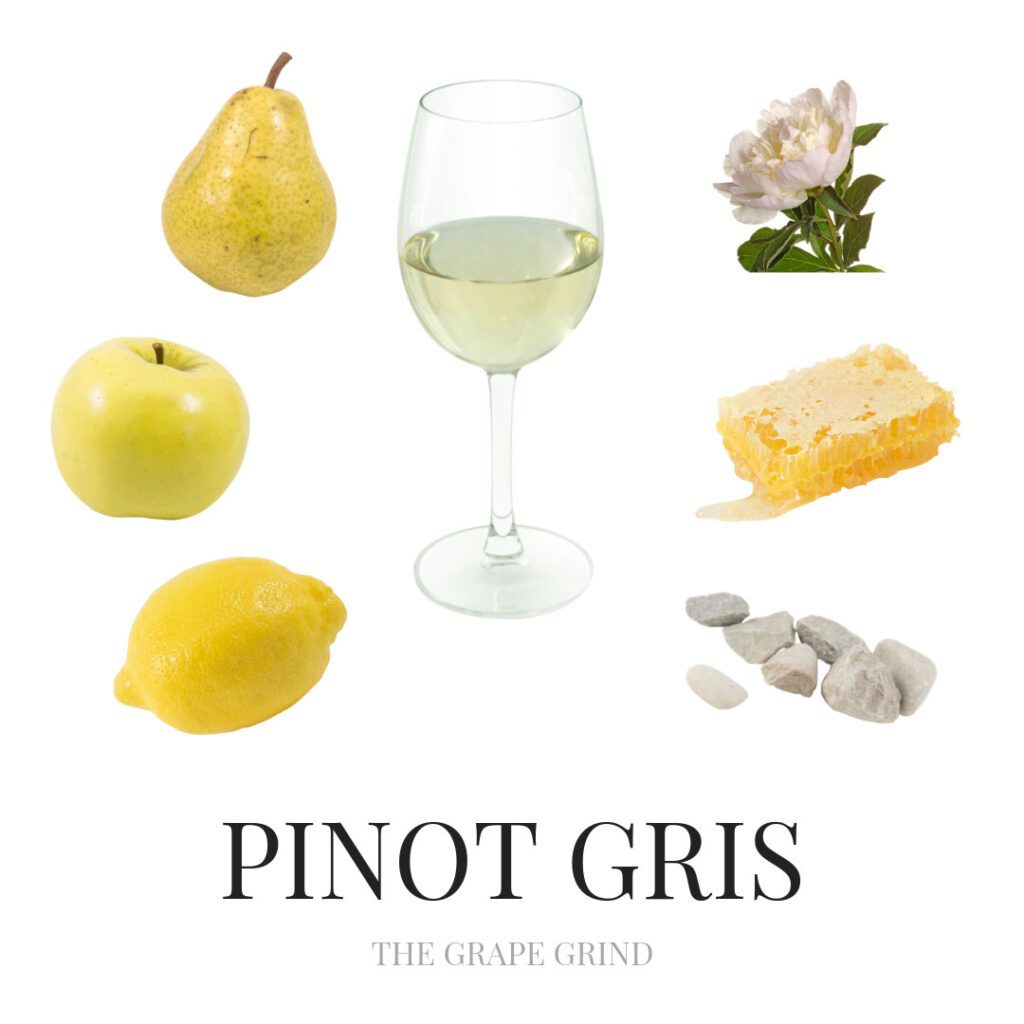
(common confusions)
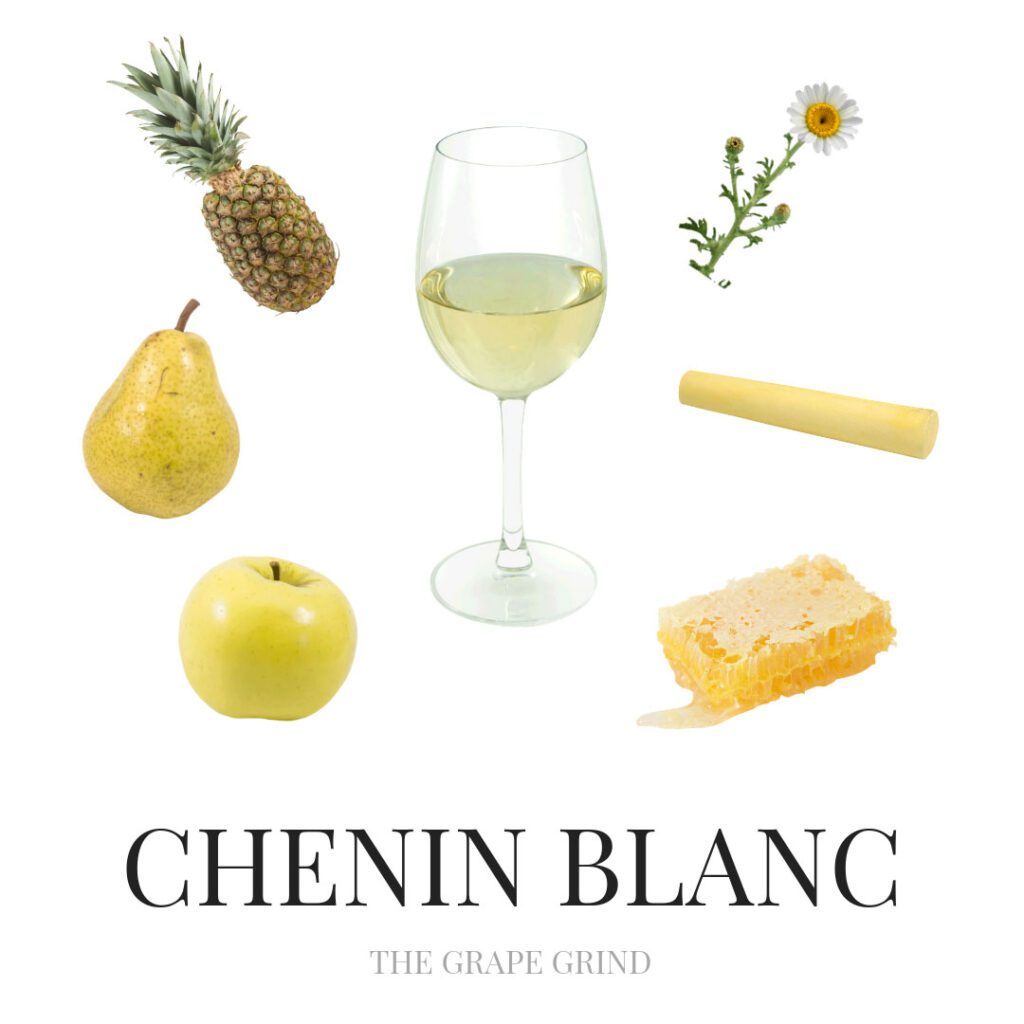
(Learn to Taste or Refresh Foundations)
(Ask, Discuss, & Connect)
(Gain Tasting Confidence)
Join our totally free community, which includes:
Just submit your info to receive your invite!
By submitting, you are consenting to receive marketing emails from The Grape Grind, including much of the core educational content you’re specifically signing up for now. You can unsubscribe at any time.
Joining the free Grape Grind community means your wine tasting journey begins NOW!
STEP 1 of 2 – Fill this out:
After you click the button above, you’ll be asked to enter your email again to set up your free account. Please use this same email address to create your account.
By submitting, you are consenting to receive marketing emails from The Grape Grind, including much of the core educational content you’re specifically signing up for now. You can unsubscribe at any time.
Learn & improve your wine tasting skills for free!