Sylvaner
Make 2026 THE year.
Take 10% OFF your first 12 months of Tasting Group!
Code:
Pinot Blanc is a white grape variety from the Pinot family, and a natural color mutation of Pinot Noir. It is known for bright acidity, subtle fruit, and a style that can range from crisp and clean to richer, more textured wines depending on how it is made.
Today it is most closely associated with Alsace, Germany, Austria, northern Italy, and parts of Central Europe, with smaller plantings in North America and elsewhere. It matters because it sits in a useful middle ground: fresh and food-friendly, but with enough flexibility to show both lean and richer expressions.
A few more notes on Pinot Blanc:
From here, we will look at Pinot Blanc’s aroma and flavor profile, its structure, where it comes from, what to pair with it, and which other grape varieties it is most often compared with.
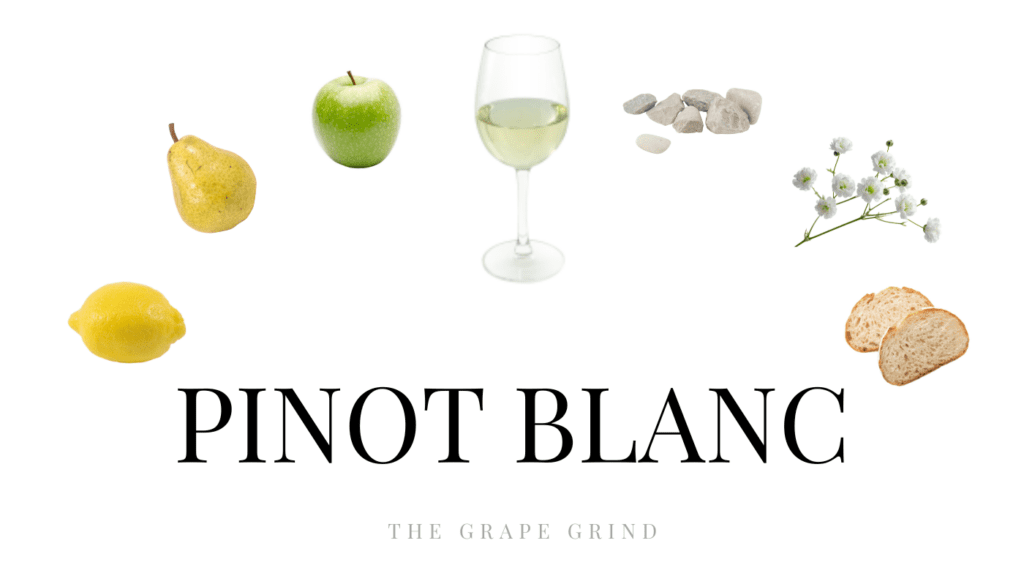
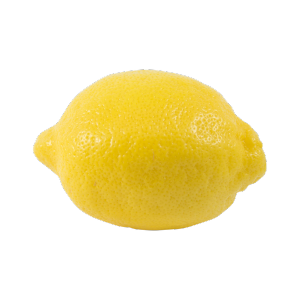
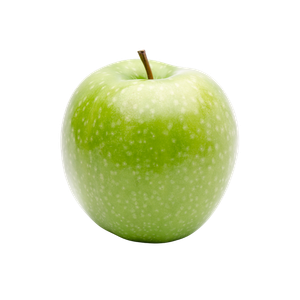
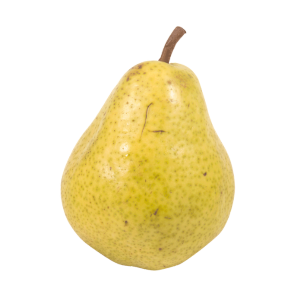
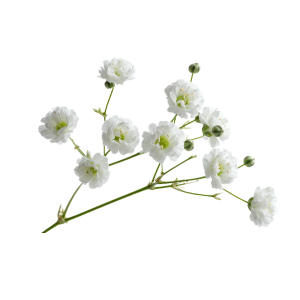
Pinot Blanc is generally moderate in aroma, with apple, pear, and light floral notes rather than bold or highly perfumed character.
Bright acidity is one of its defining traits, giving the wine a fresh, mouthwatering feel even when the fruit profile stays gentle and restrained.
It can be made in a lean stainless-steel style, a richer oak-influenced style, or used as a base for sparkling wine.
STANDARD TASTING NOTES: These are your benchmark exam-style tasting notes.
There is no “one size fits all” when it comes to structure for every grape, however, there IS a general range when it comes to body, acid, alcohol, and tannin for each. Below are general guidelines for classic representations. Growing conditions and winemaking techniques can impact each of the following.
Typical range is light to medium. Stainless-steel versions feel lighter and crisper, while oak or lees-aged examples gain more texture and weight.

Typical range is Medium to Medium (+). This acidity gives Pinot Blanc its freshness, mouthwatering edge, and ability to stay lively across different styles.

Typical range is moderate, often around 11 to 13% ABV. Warmer sites can push higher, but the variety is usually picked to preserve acidity.

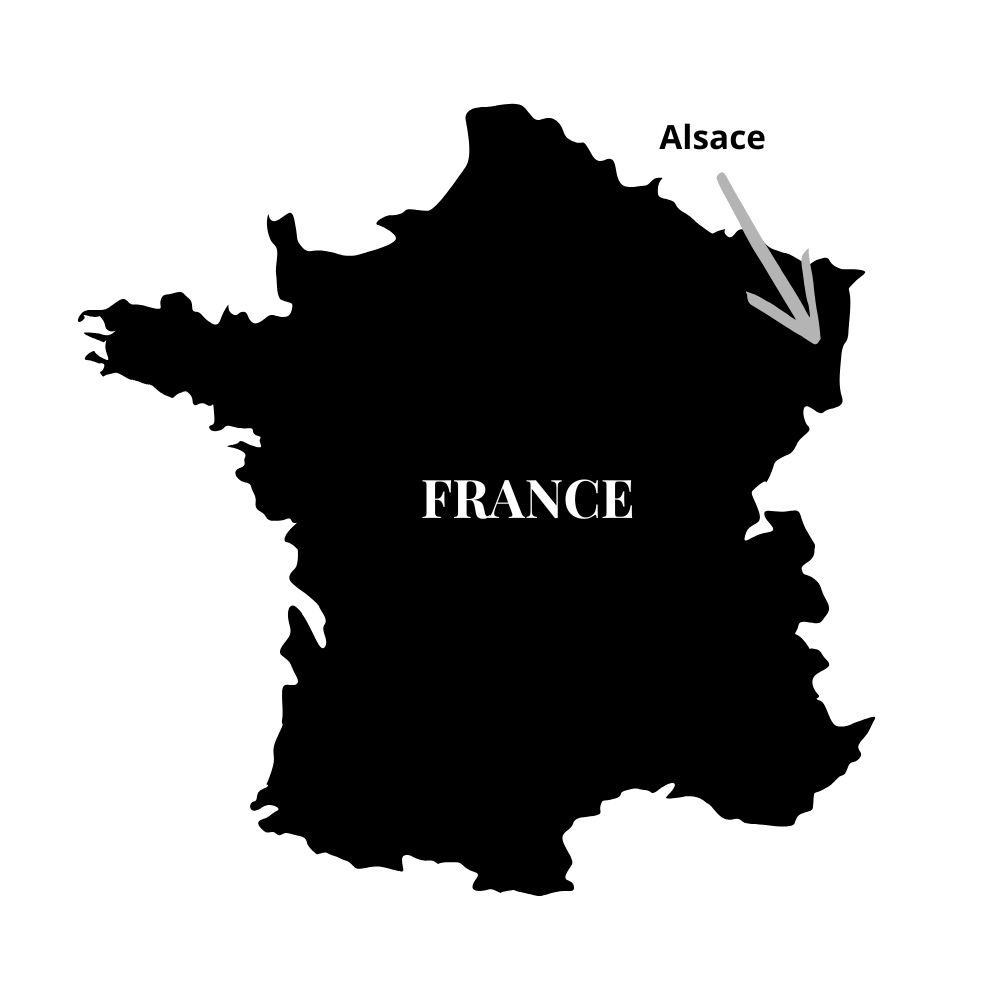
Alsace
Pinot Blanc likely arose in Burgundy as a spontaneous mutation of Pinot Noir, but it found its stronger historical home in eastern France. In Alsace, it became especially important in the 20th century, helped by the rise of Crémant d’Alsace. The region has a continental climate with warm summers and cold winters, and varied soils including marls and granite. Wines from Alsace are often dry to off-dry, with peach, apricot, citrus, white flowers, and balanced acidity. Pinot Blanc here is also sometimes blended with Auxerrois under the same label.
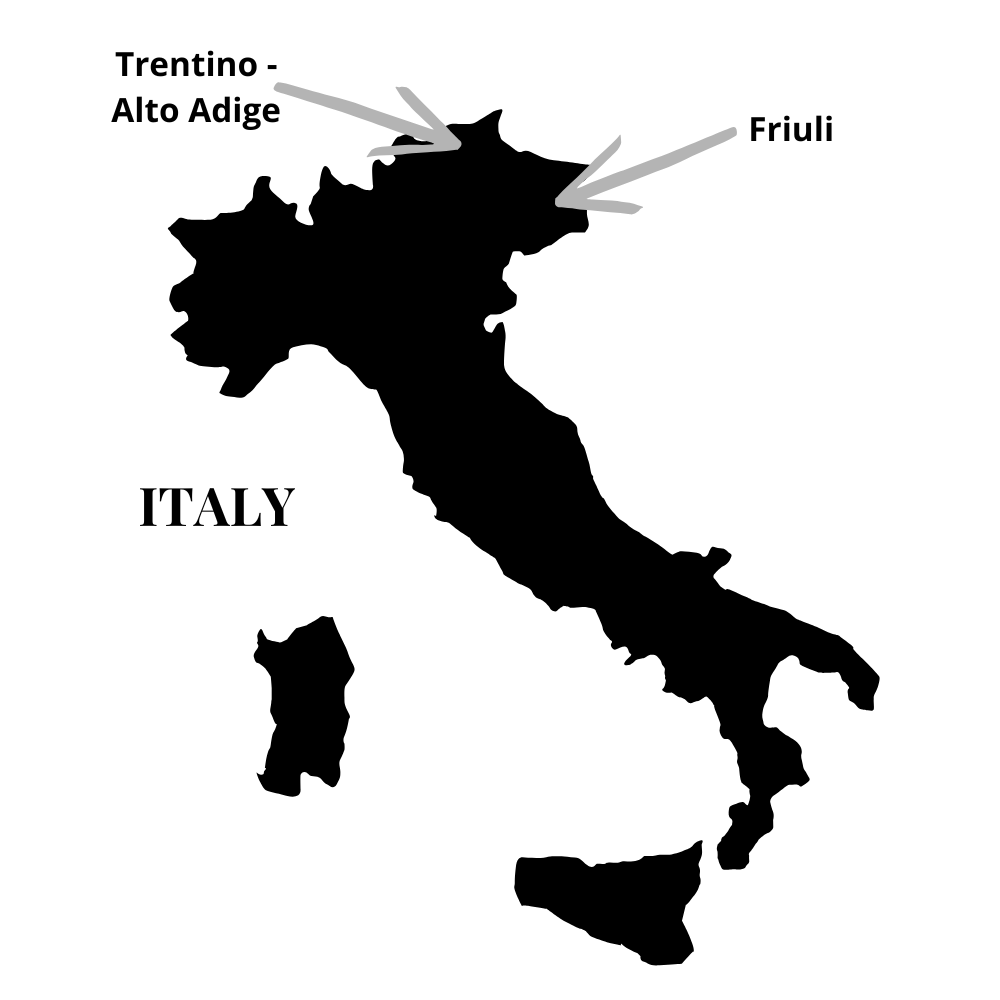
Alto Adige, Friuli-Venezia Giulia
In Italy, Pinot Blanc is known as Pinot Bianco, with Alto Adige as its leading region. This Alpine area combines warm days, cool nights, and altitude, which helps preserve acidity and produce clean, precise wines. Alto Adige examples are often noted for apple, pear, and mineral character. In Friuli-Venezia Giulia, the wines are generally soft and medium-bodied, sometimes showing a hint of stone fruit notes. Pinot Bianco also appears in sparkling Franciacorta.
Other important producing areas include Germany, Austria, and parts of Central Europe, where Pinot Blanc is widely grown under local names.
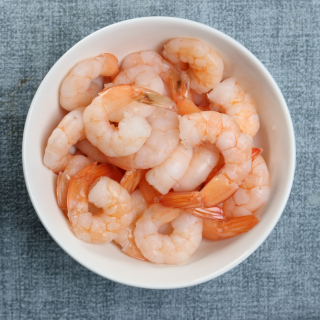
Pinot Blanc’s bright acidity and light to medium body work well with oysters, clams, or shrimp. The freshness keeps the pairing lively, while the wine’s subtle fruit does not overwhelm delicate seafood flavors.
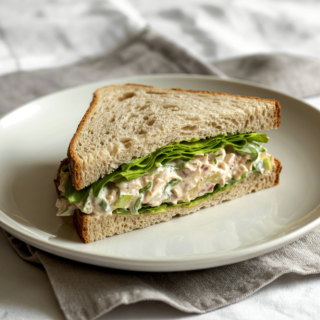
This works because Pinot Blanc has enough acidity to lift the creaminess of chicken salad, but stays light in body and alcohol so it doesn’t overpower the dish. Its subtle fruit and soft texture keep it in balance with the chicken, while richer or lightly lees-aged styles add just enough roundness to match the cream without weighing it down.
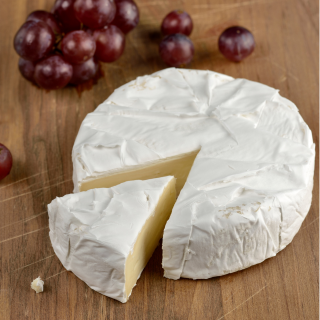
Soft cheeses suit Pinot Blanc nicely. The wine’s acidity refreshes the palate between bites, and its orchard-fruit profile and gentle texture make the pairing feel smooth rather than heavy.
It is a very flexible table wine, which is part of its charm.
(common confusions)
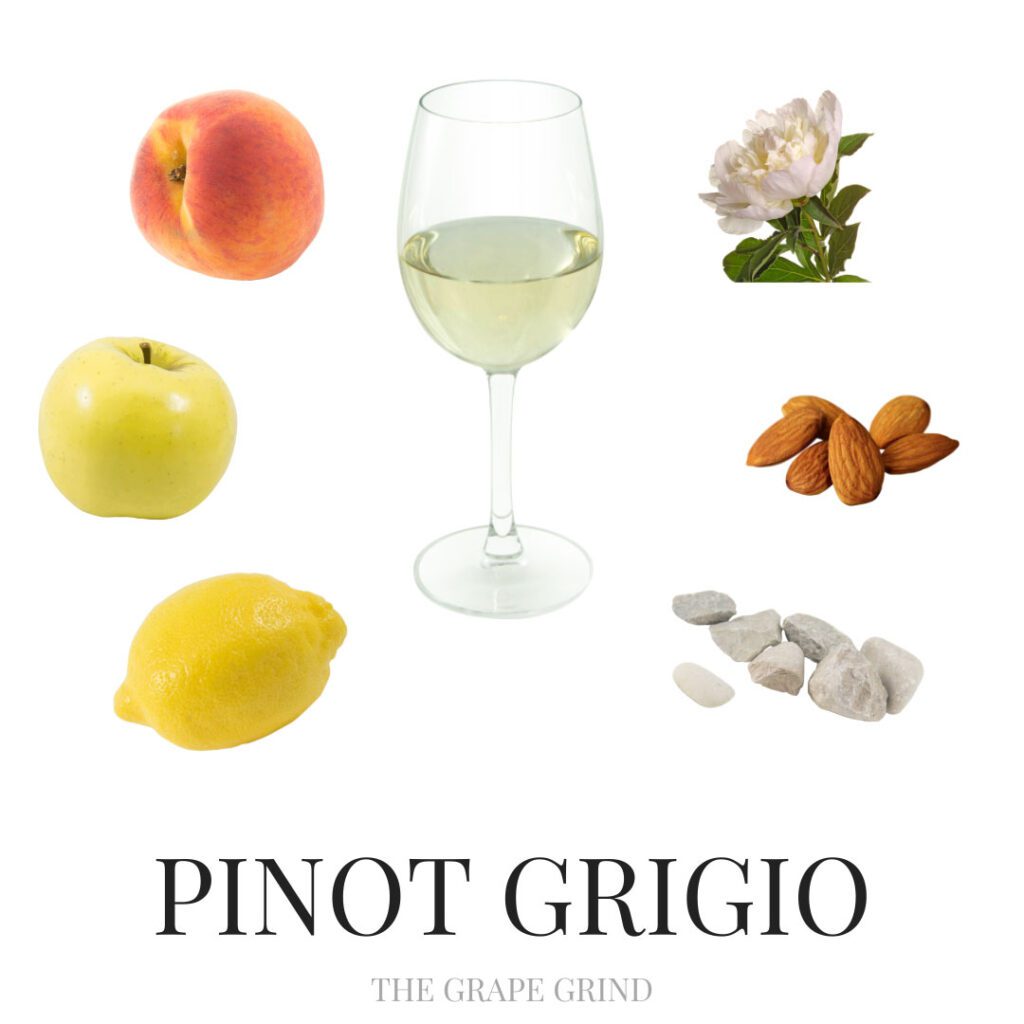
(Learn to Taste or Refresh Foundations)
(Ask, Discuss, & Connect)
(Gain Tasting Confidence)
Join our totally free community, which includes:
Just submit your info to receive your invite!
By submitting, you are consenting to receive marketing emails from The Grape Grind, including much of the core educational content you’re specifically signing up for now. You can unsubscribe at any time.
Joining the free Grape Grind community means your wine tasting journey begins NOW!
STEP 1 of 2 – Fill this out:
After you click the button above, you’ll be asked to enter your email again to set up your free account. Please use this same email address to create your account.
By submitting, you are consenting to receive marketing emails from The Grape Grind, including much of the core educational content you’re specifically signing up for now. You can unsubscribe at any time.
Learn & improve your wine tasting skills for free!