Pinot Noir
Make 2026 THE year.
Take 10% OFF your first 12 months of Tasting Group!
Code:
Fiano is a white grape variety most closely associated with Campania, especially the hills around Avellino in Irpinia. It has a reputation for combining freshness with aromatic depth, and it is one of the more structurally serious and age-capable white grapes of southern Italy.
In the glass, Fiano often sits in the semi aromatic category. It can show floral and orchard-fruit notes, but what makes it memorable is its texture, persistence, and dry savory finish. It also travels well, with important modern expressions in places such as Sicily, Puglia, and Australia.
A few more notes on Fiano:
This guide walks through Fiano’s aroma and flavor profile, its structure, where it comes from, how regional styles differ, what foods it suits, and which other grape varieties it is most often compared with.
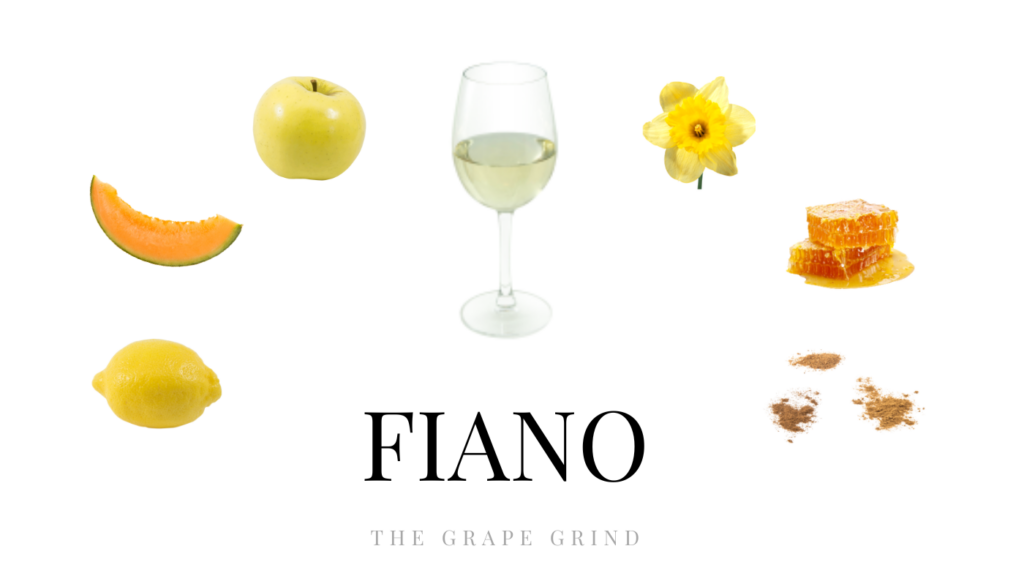
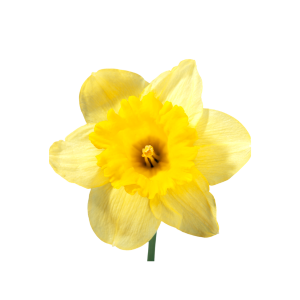
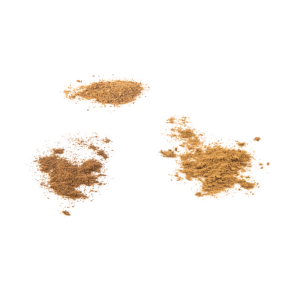
Fiano often moves beyond simple fruit, showing lily, blossom, honeysuckle, as well as hazelnut, smoke, & wax that give it real gastronomic character.
Even in steel-raised styles, Fiano usually has notable extract and mid-palate weight, so it feels substantial rather than light or fleeting.
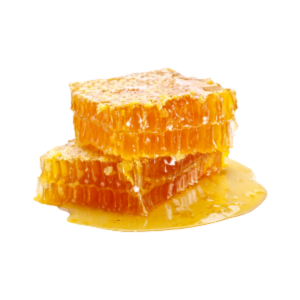
The best examples keep freshness while developing honey, beeswax, dried flowers, smoke, and nutty depth over time.
STANDARD TASTING NOTES: These are your benchmark exam-style tasting notes.

There is no “one size fits all” when it comes to structure for every grape, however, there IS a general range when it comes to body, acid, alcohol, and tannin for each. Below are general guidelines for classic representations. Growing conditions and winemaking techniques can impact each of the following.
Typical range: Medium to Full. Fiano often feels broad and substantial because of its natural extract and texture, not just alcohol. Oak can give extra body in some examples.

Typical range: Medium (+) to high. It usually keeps a firm fresh line, especially in elevated or cooler sites, while warmer sites can feel a little rounder.

Typical range: Medium to Medium (+). Alcohol is often moderate to fairly generous, but the wine usually stays defined because acidity and dry extract hold it together.

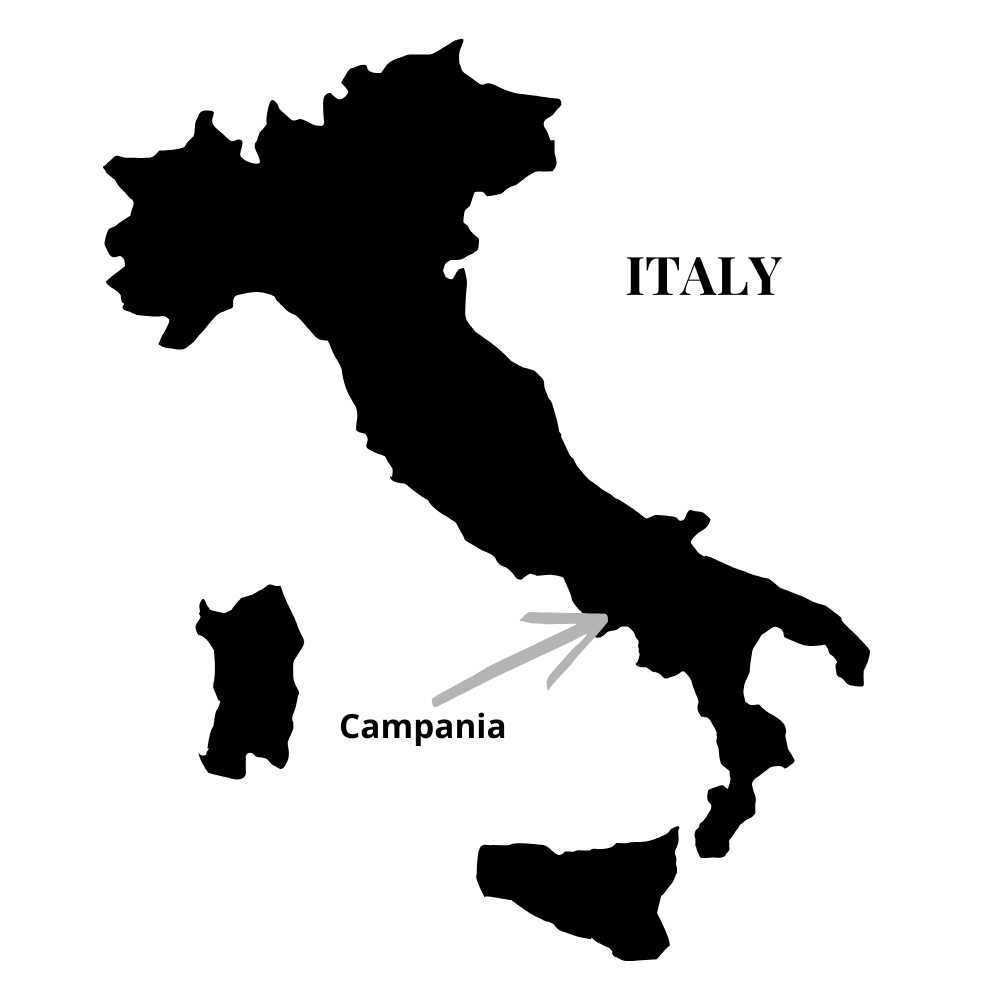
Campania, especially Irpinia and Avellino
Fiano is deeply rooted in Campania, with its historical center of gravity around Avellino. The grape is believed to descend from the ancient vitis apiana, a variety prized in Roman times, and it has maintained a continuous presence in the region for centuries. Today, its most important expression is Fiano di Avellino DOCG, where it is not just another local grape, but a defining part of the region’s identity.
Irpinia provides a very specific set of conditions that explain why Fiano works so well here. The vineyards sit at higher elevations than much of southern Italy, often between 400–700 meters, which brings cooler temperatures and significant diurnal shifts. This helps preserve acidity and structure in a region that would otherwise push grapes toward overripeness. The area is also shaped by a mix of clay-limestone soils with volcanic influence, along with pockets of sandier material in the east, giving producers a range of expressions within a relatively small area.
All of this makes Fiano somewhat unique in the south: a grape that can fully ripen in a warm climate while still holding structure, freshness, and the ability to evolve over time. That balance is a big part of why it has remained so important here, and why Fiano di Avellino is considered one of southern Italy’s most serious white wines.
Other important producing areas include Australia where it has been adopted it as a warm-climate alternative variety. The grape has been planted widely since the early 2000s and is now especially important in McLaren Vale & Clare Valley. Also found in other areas of Italy like Sicily, Puglia, and Cilento in southern Campania, where Fiano often becomes broader-fruited, more saline, and more openly Mediterranean in style.
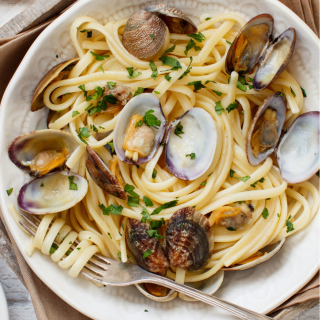
Fiano’s acidity and sapidity work well with salty shellfish stock and olive oil, while its texture keeps the wine from disappearing beside a fuller pasta dish.
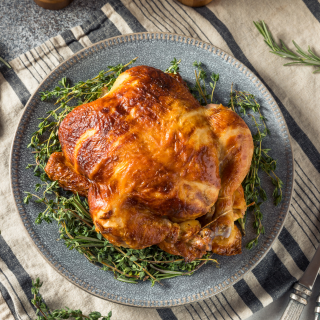
The grape’s medium to medium-plus body gives it enough presence for roast chicken, and its herbal, nutty, savory finish matches well with rosemary, thyme, and browned skin without feeling heavy.
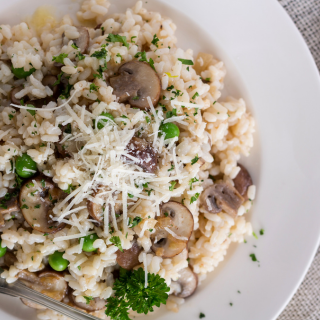
Fiano’s texture can handle the creamy weight of risotto, while its freshness keeps the dish from feeling too rich. Its smoky, waxy, and hazelnut-like notes also make mushrooms feel fitting.
It is a very flexible food wine because acidity, texture, and savoriness all pull in the same direction.
(common confusions)
(Learn to Taste or Refresh Foundations)
(Ask, Discuss, & Connect)
(Gain Tasting Confidence)
Join our totally free community, which includes:
Just submit your info to receive your invite!
By submitting, you are consenting to receive marketing emails from The Grape Grind, including much of the core educational content you’re specifically signing up for now. You can unsubscribe at any time.
Joining the free Grape Grind community means your wine tasting journey begins NOW!
STEP 1 of 2 – Fill this out:
After you click the button above, you’ll be asked to enter your email again to set up your free account. Please use this same email address to create your account.
By submitting, you are consenting to receive marketing emails from The Grape Grind, including much of the core educational content you’re specifically signing up for now. You can unsubscribe at any time.
Learn & improve your wine tasting skills for free!