Blaufränkisch
Make 2026 THE year.
Take 10% OFF your first 12 months of Tasting Group!
Code:
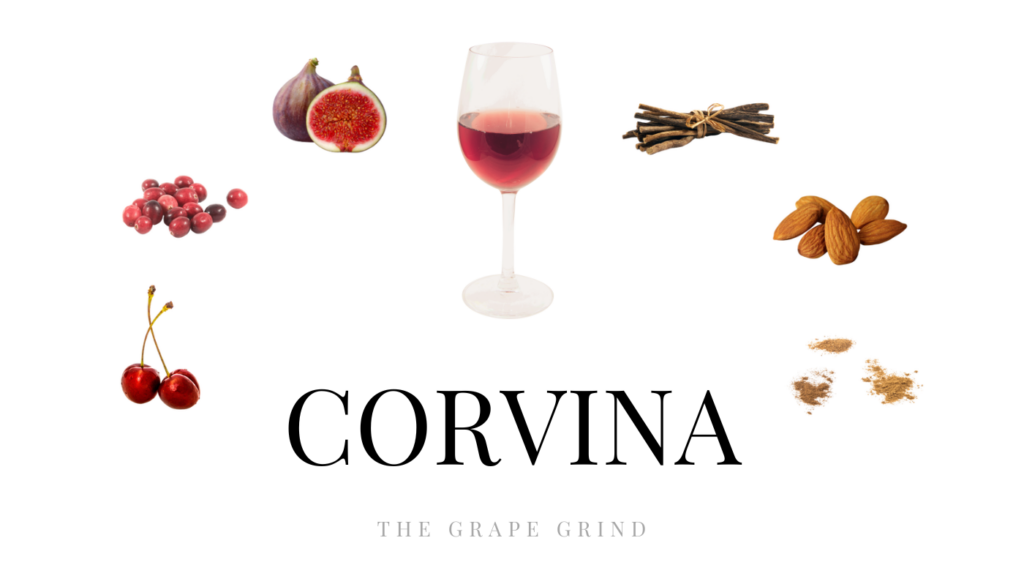
Corvina is a red grape closely tied to Verona in Veneto, Italy! It is the central grape in the wines of Valpolicella, including Amarone, and Recioto. In these wines it is often blended, but remains the dominant variety of the blend, and can also stand on its own in varietal wines. What makes it distinctive is the way it combines fresh acidity, cherry-led fruit, and a subtle bitter-almond note with an unusual ability to handle drying and long aging.
In the glass, Corvina can move from light, savory, and floral to rich, dried-fruited, and spicy depending on how it is grown and made. It is not usually defined by massive color or tannin. Instead, it tends to show more lift and clarity!
A few more notes on Corvina:
This guide walks through what Corvina smells and tastes like, how its structure usually shows up, where it is most at home, what foods make sense with it, and which other grapes it is most often confused with.
Corvina often feels tightly drawn rather than plush, with fresh acidity, moderate color, and a finish that narrows toward savory bitterness.
Even when the fruit is clear and cherry-led, Corvina usually carries floral lift, subtle herbal tones, or bitter almond that keep it from feeling simple.
It can make fresh, light reds, textured mid-weight wines, or concentrated dried-grape styles while still keeping its acid line and recognizable identity.
STANDARD TASTING NOTES: These are your benchmark exam-style tasting notes.
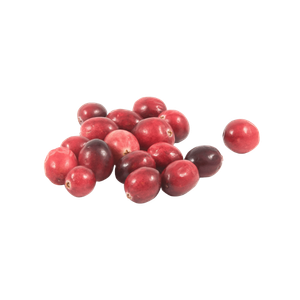
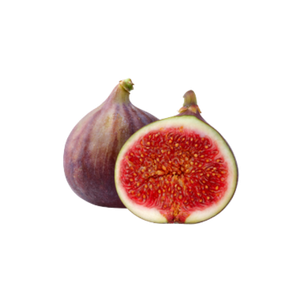
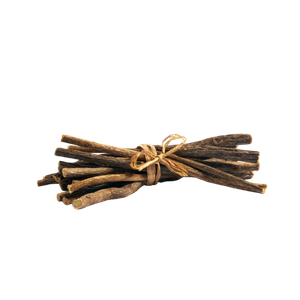
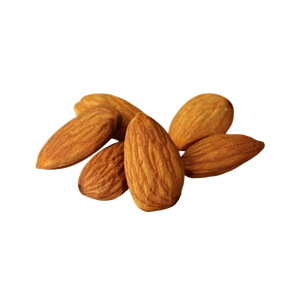
There is no “one size fits all” when it comes to structure for every grape, however, there IS a general range when it comes to body, acid, alcohol, and tannin for each. Below are general guidelines for classic representations. Growing conditions and winemaking techniques can impact each of the following.
Typical range: medium-light to full. Fresh styles are often medium-minus to medium, while Ripasso and appassimento wines build far more weight and extract!

Typical range: medium-plus to high. Acidity is one of Corvina’s defining features and helps keep both fresh and dried-grape styles lifted and shaped.

Typical range: medium to high. Fresh wines often sit around moderate levels, while Amarone and other concentrated styles can rise to high alcohol.

Typical range: low to medium-plus. Fresh Corvina is usually modest in tannin, but drying, extraction, and oak can add more grip in richer styles.

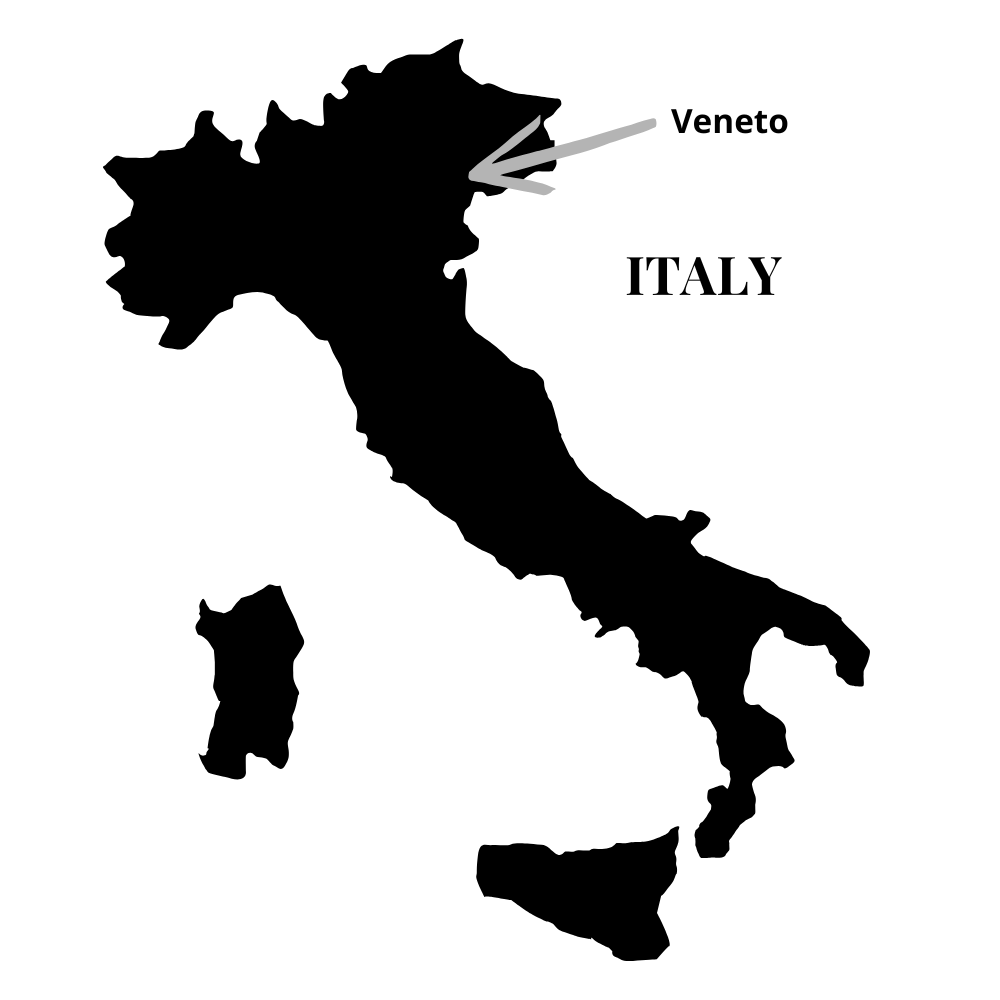
Valpolicella, Bardolino
Corvina is rooted in the Veronese zone of Veneto. It was already described as widespread in Veneto by 1818, and its modern role was later formalized in Valpolicella. In Valpolicella, hills benefit from the tempering effect of Lake Garda, breezes from the Lessini range, and wide day-night swings that help preserve freshness. Soils include limestone, marly materials, basaltic influences, and alluvial or calcareous sites, all of which can shift the balance between cherry, plum, freshness, and savory details. Across the main expressions of Corvina, here’s what you can generally expect:
Other small plantings exist in Argentina, Australia, especially Hilltops in New South Wales, but Corvina remains overwhelmingly concentrated in Veneto.
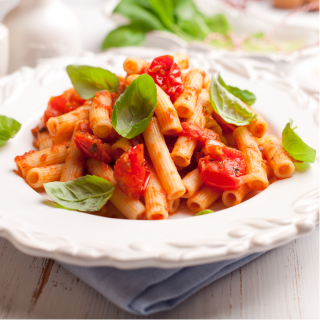
Fresh Corvina works well here because its medium-plus acidity matches the tomato’s brightness instead of fighting it. The moderate body keeps the pairing nimble, and the low-to-moderate tannin avoids turning the sauce metallic or harsh.
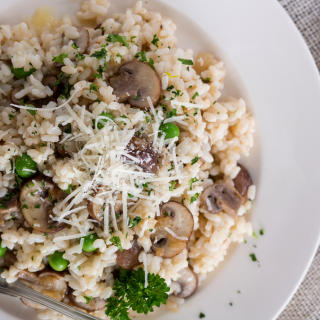
A slightly broader or lees-influenced Corvina fits mushroom risotto especially well. The wine has enough mid-palate presence to handle the dish’s creamy texture, while its acidity keeps everything from feeling heavy and its savory edge echoes the mushrooms.
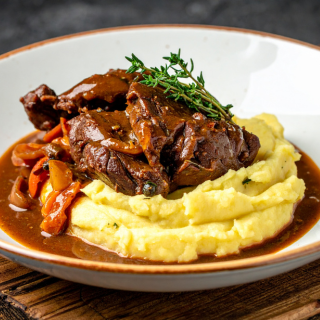
Richer Corvina styles such as Ripasso or Amarone need dishes with real depth, and braised short ribs make sense. The wine’s higher body, greater extract, and more noticeable tannin meet the meat’s richness, while the acidity keeps the finish from dragging.
As Corvina gets richer, the food usually needs to get richer too.
(common confusions)
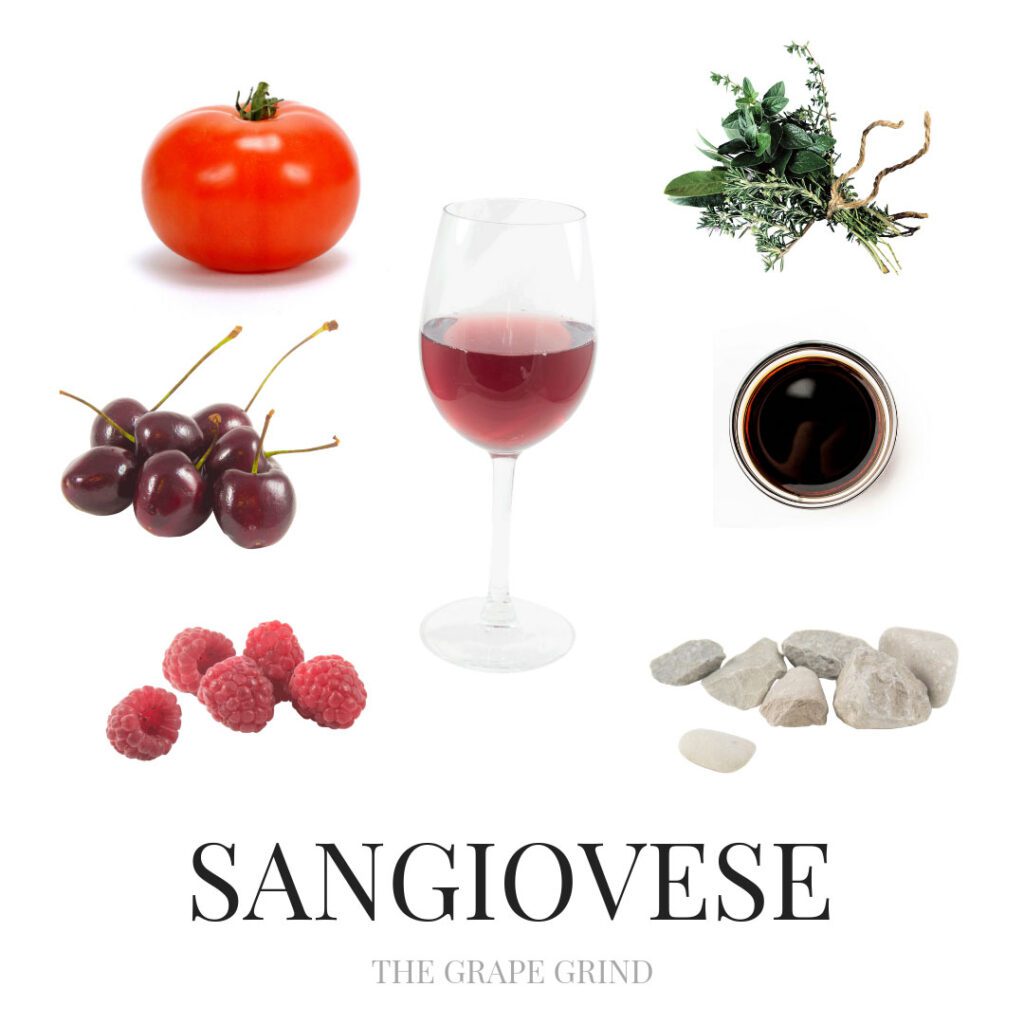
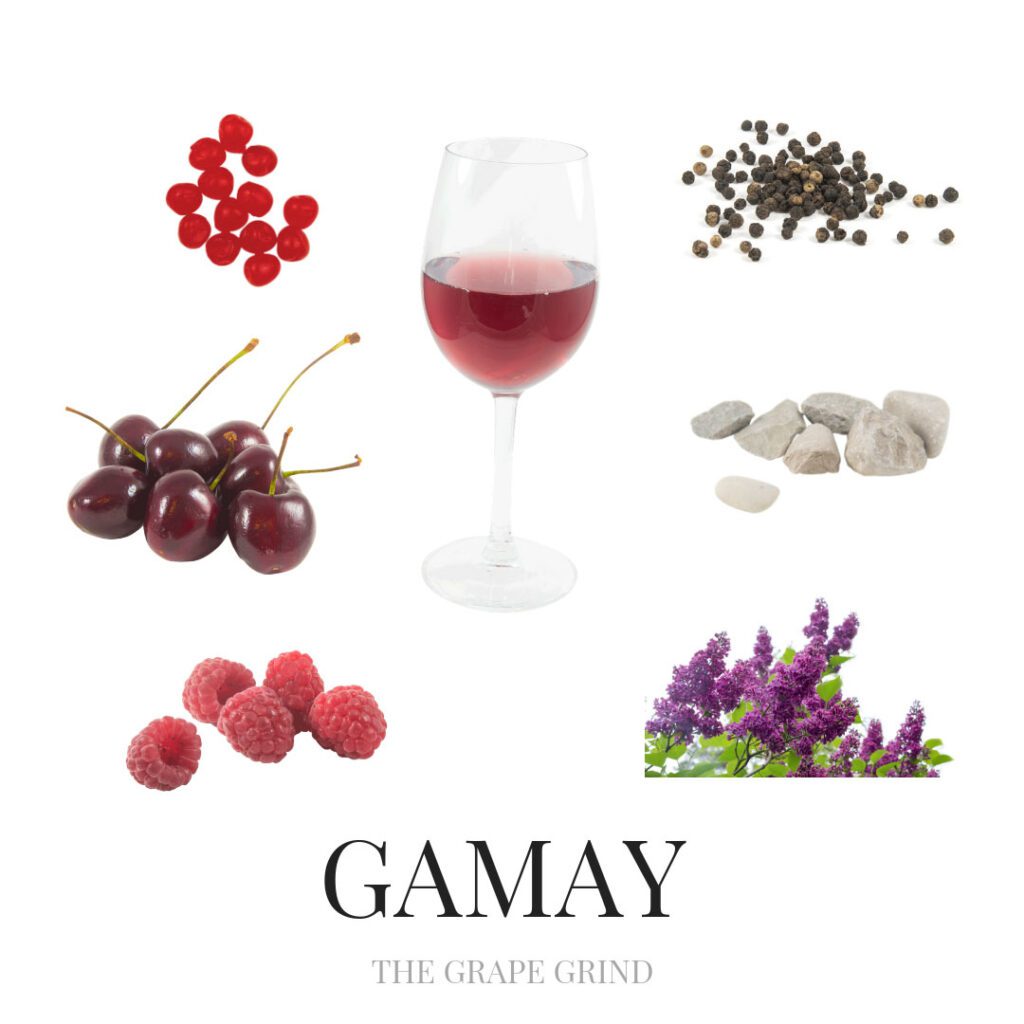
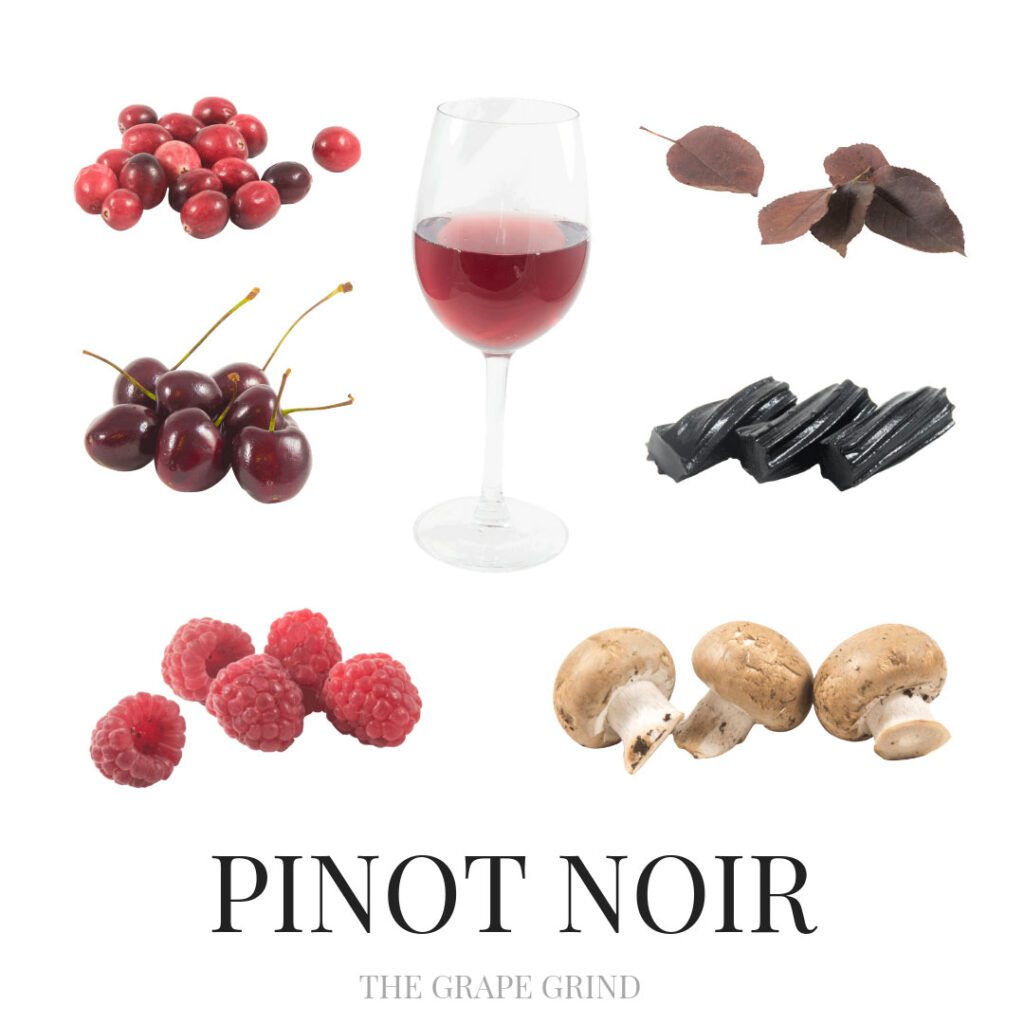
(Learn to Taste or Refresh Foundations)
(Ask, Discuss, & Connect)
(Gain Tasting Confidence)
Join our totally free community, which includes:
Just submit your info to receive your invite!
By submitting, you are consenting to receive marketing emails from The Grape Grind, including much of the core educational content you’re specifically signing up for now. You can unsubscribe at any time.
Joining the free Grape Grind community means your wine tasting journey begins NOW!
STEP 1 of 2 – Fill this out:
After you click the button above, you’ll be asked to enter your email again to set up your free account. Please use this same email address to create your account.
By submitting, you are consenting to receive marketing emails from The Grape Grind, including much of the core educational content you’re specifically signing up for now. You can unsubscribe at any time.
Learn & improve your wine tasting skills for free!