Muscat
Make 2026 THE year.
Take 10% OFF your first 12 months of Tasting Group!
Code:
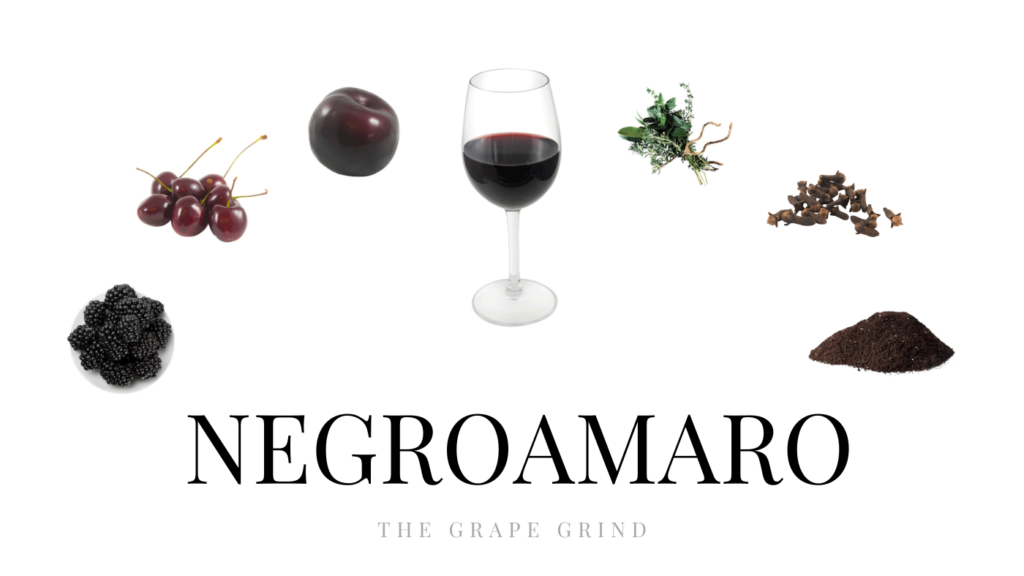
Negroamaro is a black grape variety closely tied to southern Puglia (the heel of Italy), especially Salento. It is best known for wines with deep color, warm fruit, moderate acidity, and a dry, slightly bitter, savory finish that gives it a very recognizable identity. I associate it with ‘amaro’ in that is has an herbal bitter essence to it like an herbal liqueur or digestif would!
It is most often seen as red wine, but it also appears as rosato, sparkling rosato, and in some cases even white vinified from black grapes. Across those styles, it tends to keep a core profile built on ripe fruit, extract, warmth, and a pleasant bitterness!
A few more notes on Negroamaro:
This guide walks through Negroamaro’s aroma and flavor profile, structural shape, main home regions, food pairing logic, and the grape varieties it is most often compared with.
Negroamaro often finishes dry, slightly bitter, and herbal rather than plush. That savory edge is one of its clearest calling cards.
This is usually a broad, sun-shaped grape with generous body, ripe fruit, and alcohol that supports the wine more than acidity does.
The “amaro” side of Negroamaro often shows up as a pleasant bitter edge similar to black tea, herbs, or dark cocoa. That bitterness can actually make the wine feel more food-friendly and less fruit-driven.
STANDARD TASTING NOTES: These are your benchmark exam-style tasting notes.

There is no “one size fits all” when it comes to structure for every grape, however, there IS a general range when it comes to body, acid, alcohol, and tannin for each. Below are general guidelines for classic representations. Growing conditions and winemaking techniques can impact each of the following.
Typical range: Medium (+) to Full. Negroamaro usually feels broad and warm on the palate, with body shaped by extract, ripe fruit, and alcohol.

Typical range: Medium to Medium (+). Acidity usually supports the wine rather than leading it, with freshness often expressed through a dry, savory finish instead of sharp lift.

Typical range: Medium to High. The grape commonly reaches a warm alcohol level that adds breadth and weight, especially in red styles.

Typical range: Medium to Medium (+). Tannins are usually present but not brutally austere, with more emphasis on phenolic bitterness and dry extract than hard grip.
Puglia
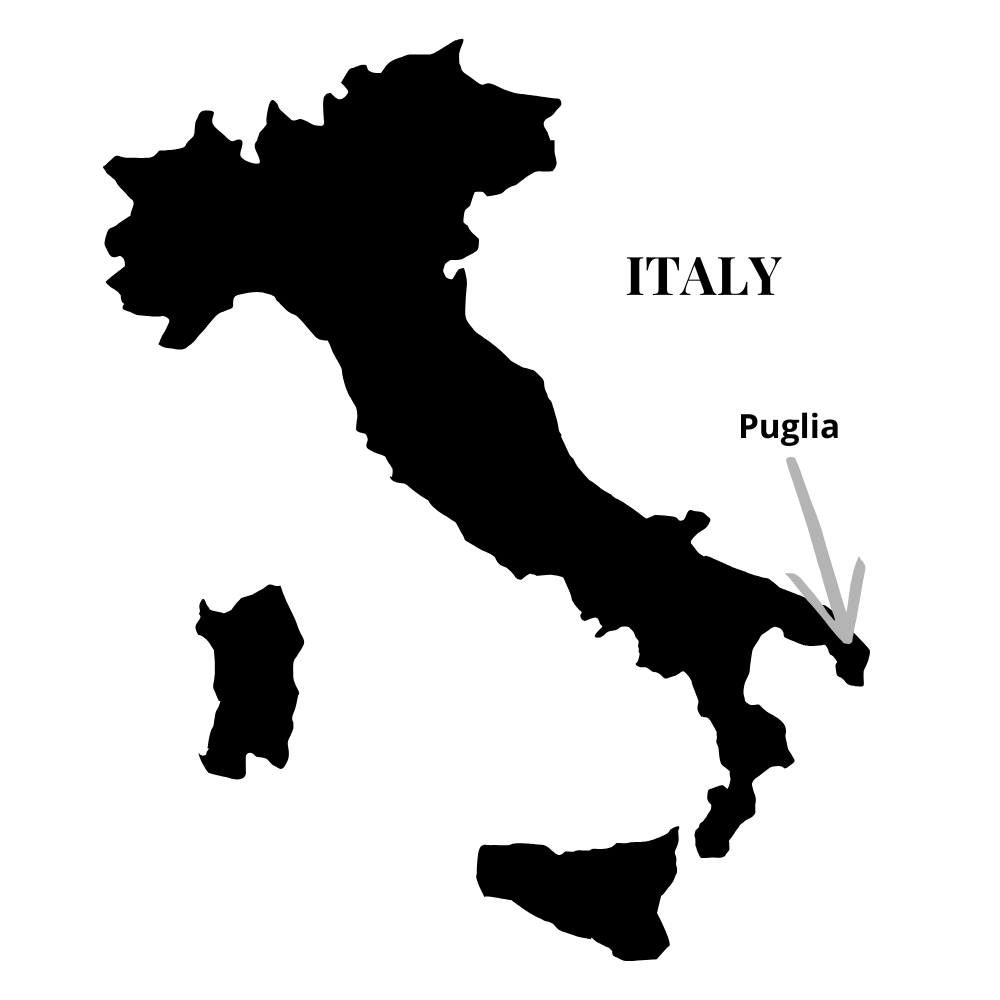
Negroamaro’s home is unmistakably southern Puglia, especially the sun-drenched Salento peninsula around Lecce, Brindisi, and Taranto down in the “heel” of Italy. The grape has been tied to this area for centuries, and local lore even connects it to ancient Greek settlers who once shaped the culture of southern Italy.
What makes wine nerds love Negroamaro is how deeply it reflects this landscape. Salento is hot, bright, dry, and surrounded by sea influence from both the Adriatic and Ionian coasts. The vineyards sit on a mix of clay, limestone, sand, and calcarenite soils, which help explain why some wines feel dark and structured while others show more freshness and salty lift.
It’s also incredibly versatile. Across appellations like Salice Salentino, Brindisi, Copertino, Squinzano, Nardò, Alezio, Matino, and Negroamaro di Terra d’Otranto, the grape can become: deeply savory reds, vibrant rosatos, riserva bottlings, sparkling rosé, passito styles, and even rare white-vinified versions.
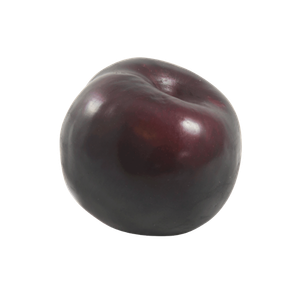
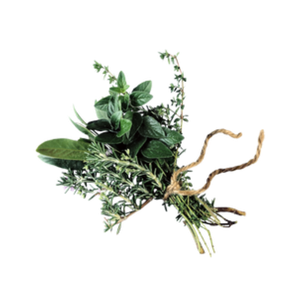
The classic profile usually lands somewhere between dark cherry, plum, dried rose, Mediterranean herbs, spice, and that signature slightly bitter finish that makes the wines feel rustic, savory, and incredibly food friendly.
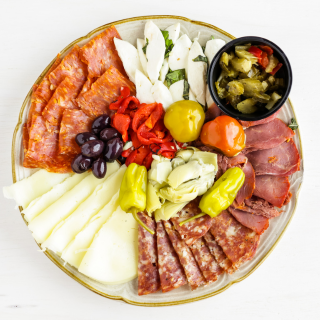
Salty olives, cured meats, and roasted vegetables pull out Negroamaro’s Mediterranean character beautifully. The wine’s subtle bitterness mirrors the briny savory flavors on the plate.
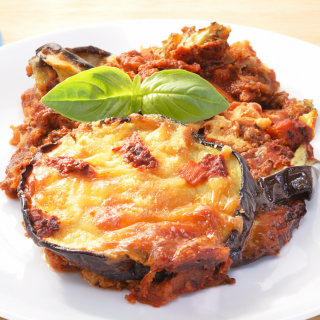
The wine’s dark fruit and acidity complement tomato sauce while its earthy character matches the roasted eggplant. Its structure is firm enough for melted cheese without overwhelming the dish.
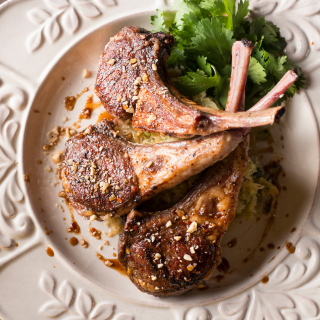
Negroamaro’s medium (+) body, warm alcohol, and medium tannin give it enough presence for lamb, especially with charred edges. The wine’s dry, slightly bitter finish helps keep the pairing savory instead of heavy.
Rosato and sparkling rosato versions are often the most flexible at the table when you want freshness with the grape’s signature savory edge.
(common confusions)
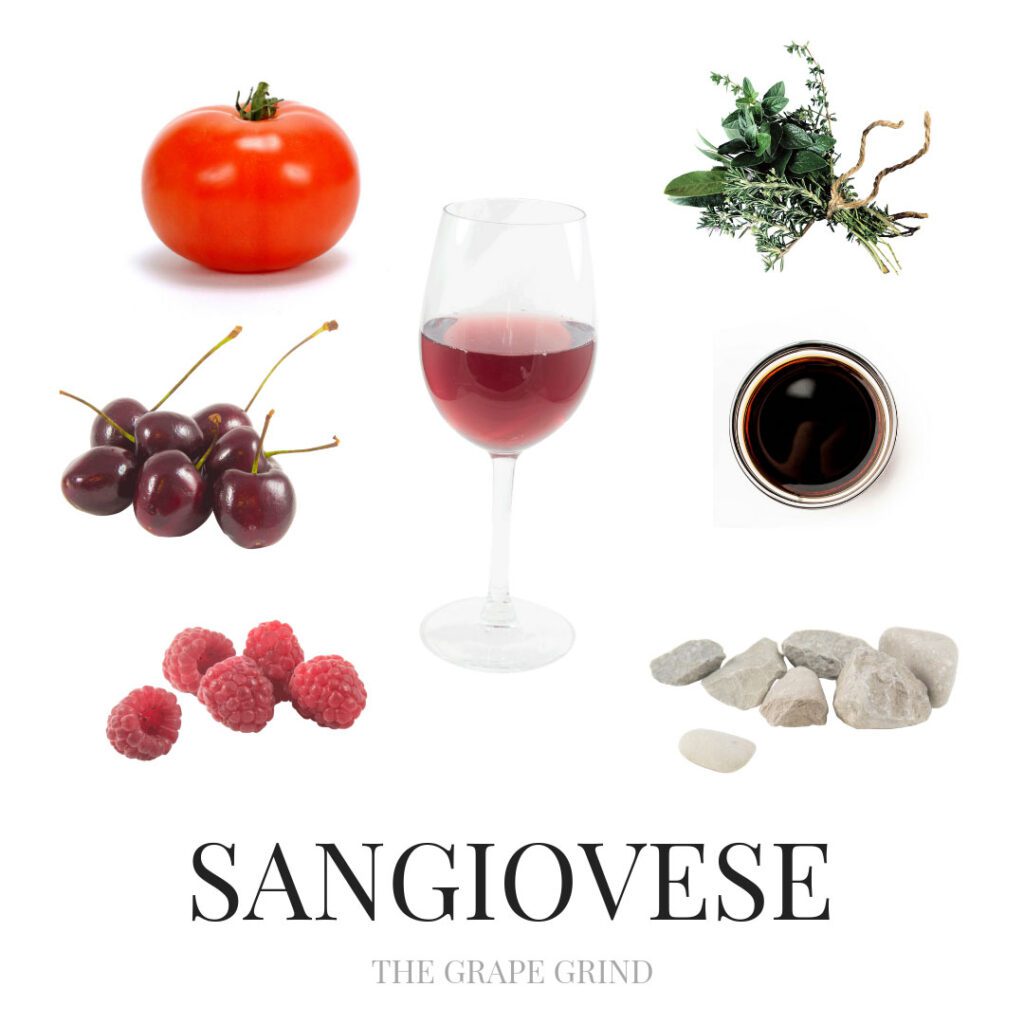

(Learn to Taste or Refresh Foundations)
(Ask, Discuss, & Connect)
(Gain Tasting Confidence)
Join our totally free community, which includes:
Just submit your info to receive your invite!
By submitting, you are consenting to receive marketing emails from The Grape Grind, including much of the core educational content you’re specifically signing up for now. You can unsubscribe at any time.
Joining the free Grape Grind community means your wine tasting journey begins NOW!
STEP 1 of 2 – Fill this out:
After you click the button above, you’ll be asked to enter your email again to set up your free account. Please use this same email address to create your account.
By submitting, you are consenting to receive marketing emails from The Grape Grind, including much of the core educational content you’re specifically signing up for now. You can unsubscribe at any time.
Learn & improve your wine tasting skills for free!