Albariño
Make 2026 THE year.
Take 10% OFF your first 12 months of Tasting Group!
Code:
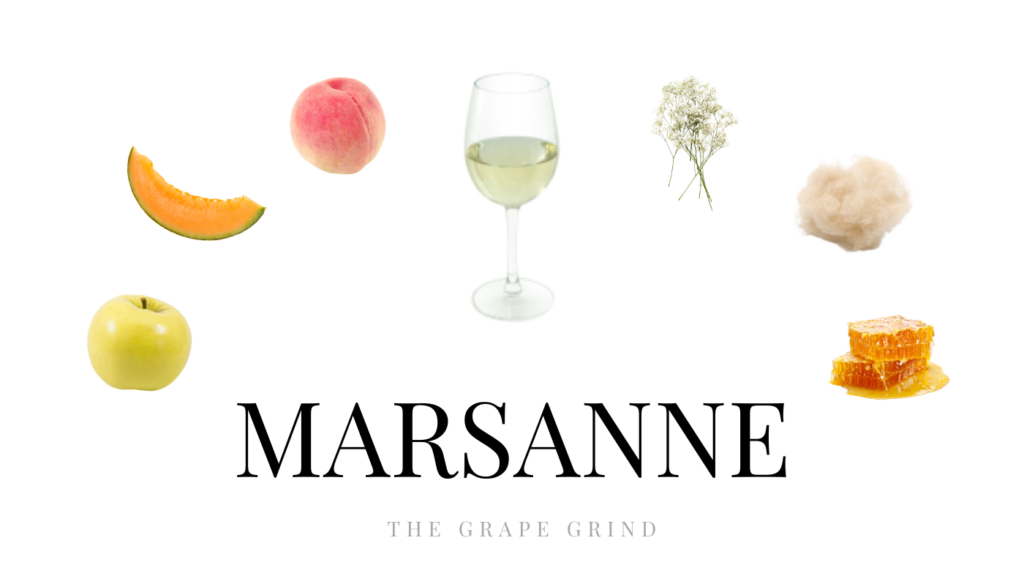
Marsanne is a white grape variety best known for making textural, medium- to full-bodied wines with moderate aromatic intensity (more neutral) and medium to low acidity. Its identity is built mostly on mouthfeel, persistence, and the way it can develop nutty, honeyed complexity with age.
It is most closely associated with the northern Rhône, but it also has important homes in Valais in Switzerland and in parts of Australia, the United States, and South Africa. Depending on site and winemaking, Marsanne can be fresh, broad and lees-shaped, sparkling, or sweet.
A few more notes on Marsanne:
In this guide, we will look at how Marsanne smells and tastes, how its structure usually shows up in the glass, where its key regional styles come from, what foods suit it, and which grapes it is most often confused with.
Marsanne often feels broader on the palate, with richness, extract, and mouthfeel playing a bigger role than sheer aromatic intensity.
Its nose is usually medium rather than explosive. Marsanne tends to reveal itself lightly, with the palate carrying more intensity than the aroma alone.
With age, floral and fruit notes often move toward hazelnut, almond, honey, and a slightly bitter finish that gives the wine shape.
STANDARD TASTING NOTES: These are your benchmark exam-style tasting notes.
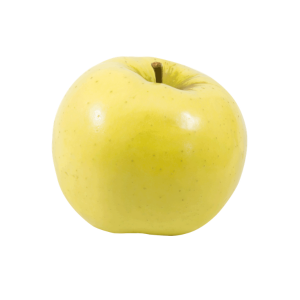
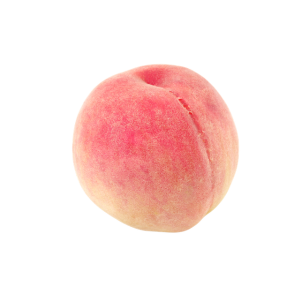
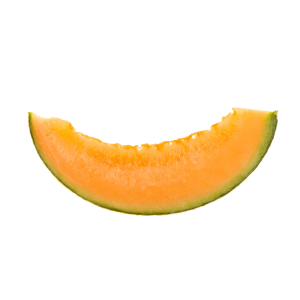
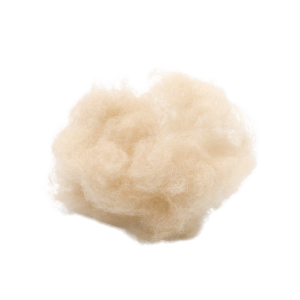
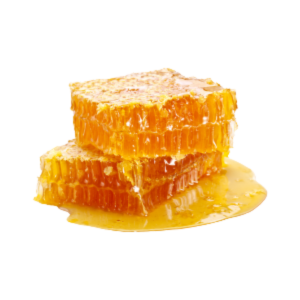
There is no “one size fits all” when it comes to structure for every grape, however, there IS a general range when it comes to body, acid, alcohol, and tannin for each. Below are general guidelines for classic representations. Growing conditions and winemaking techniques can impact each of the following.
Typical range: Medium to Full. Marsanne usually shows clear palate weight and texture, often feeling broad, creamy, or gently oily rather than light or sharp.

Typical range: Medium (-) to Medium. Acidity is usually not the main driver here, which is why Marsanne relies more on texture, extract, and a faint bitter edge for shape.

Typical range: Medium to High. Alcohol depends heavily on site and picking date, with fresher examples staying moderate and riper styles building more warmth and alcohol.

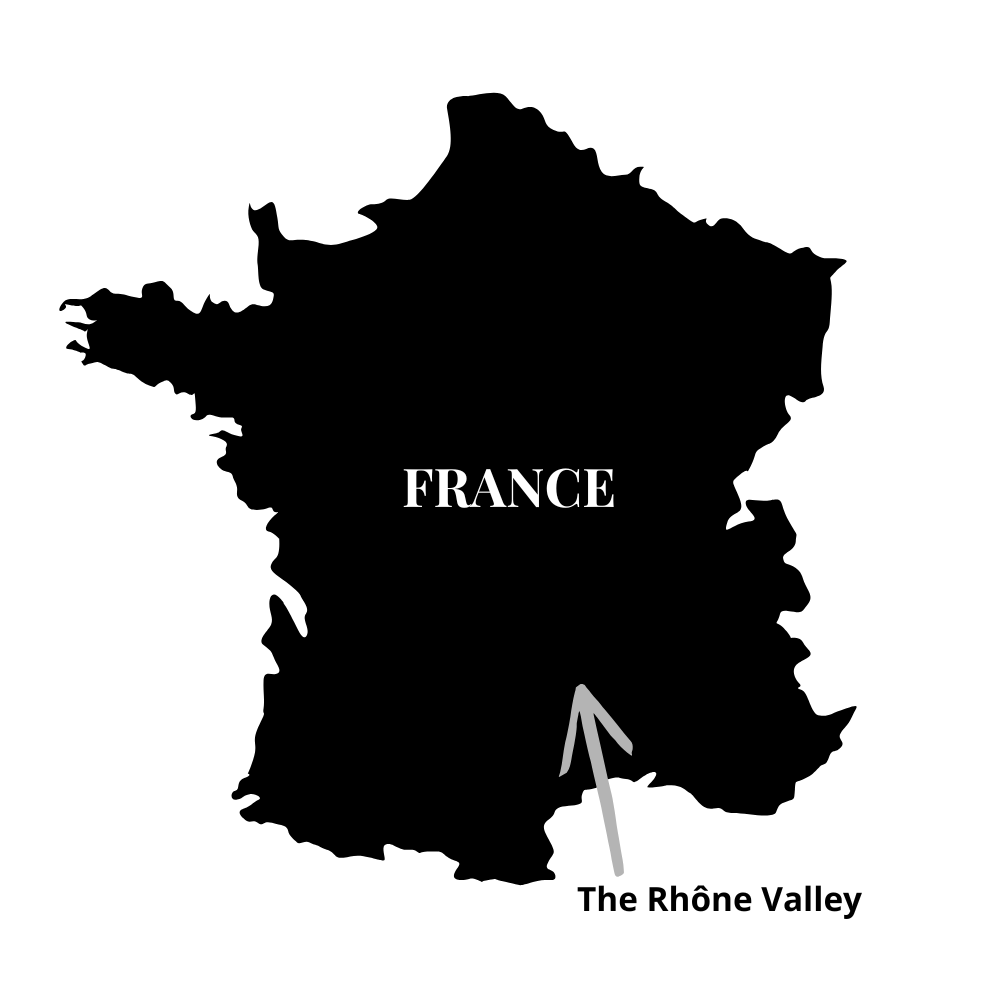
Northern Rhône
Marsanne’s spiritual home is the Northern Rhône Valley, especially the villages of Hermitage, Crozes-Hermitage, Saint-Joseph, and Saint-Péray. In fact, many wine historians believe the grape may have originated near the tiny village of Marsanne itself, just east of the Rhône River. This part of France turned out to be the perfect match for the variety: warm, sunny summers help Marsanne fully ripen, while the Rhône’s cooling winds and hillside vineyards help it maintain freshness and structure. For centuries, growers here valued Marsanne because it was reliable, productive, and capable of producing rich, age-worthy wines.
Hermitage: The most prestigious home of Marsanne. Steep granite slopes and excellent sun exposure create rich, powerful, age-worthy wines with notes of honey, quince, roasted nuts, and wax.
Crozes-Hermitage: Surrounds Hermitage and is much larger. Wines are often a little lighter, fresher, and more approachable in their youth, offering pear, melon, and floral notes.
Saint-Joseph: A long, narrow appellation running along the western bank of the Rhône. Marsanne here tends to be more elegant and savory, with citrus, orchard fruit, and a distinctive mineral streak.
Saint-Péray: Located at the southern end of the Northern Rhône. Known for producing both still and sparkling white wines from Marsanne and Roussanne. The wines are often brighter and more floral, with lively acidity compared to the richer styles of Hermitage.
Other important homes include Switzerland, Australia (Barossa Valley, McLaren Vale, Heathcote), South African, and USA in Paso Robles, and parts of Washington State.
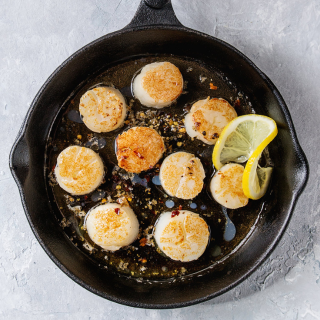
Marsanne has enough body to meet the texture of scallops, and its moderate acidity works better with butter or gentle richness than with very sharp citrus. The wine’s soft fruit and mineral side help keep the pairing composed rather than heavy.
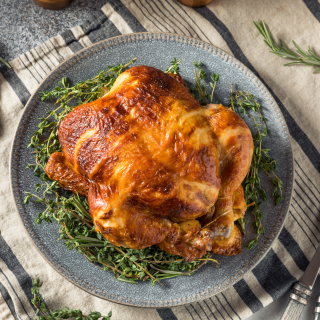
This works especially well with more textural Marsanne. The wine’s medium- to full-bodied shape and broad mid-palate suit roast flavors, and savory depth, while its slight bitter edge helps stop the pairing from feeling too soft.
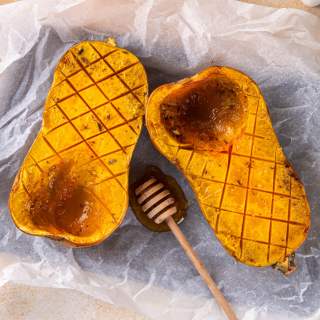
Marsanne handles roasted sweetness very well. Its softer acid profile does not push sweet vegetables out of balance, and its texture, honeyed notes, and nutty development can make squash or pumpkin dishes feel especially natural at the table.
Aged examples can be especially good with nutty cheeses, brown butter, and more autumnal flavors.
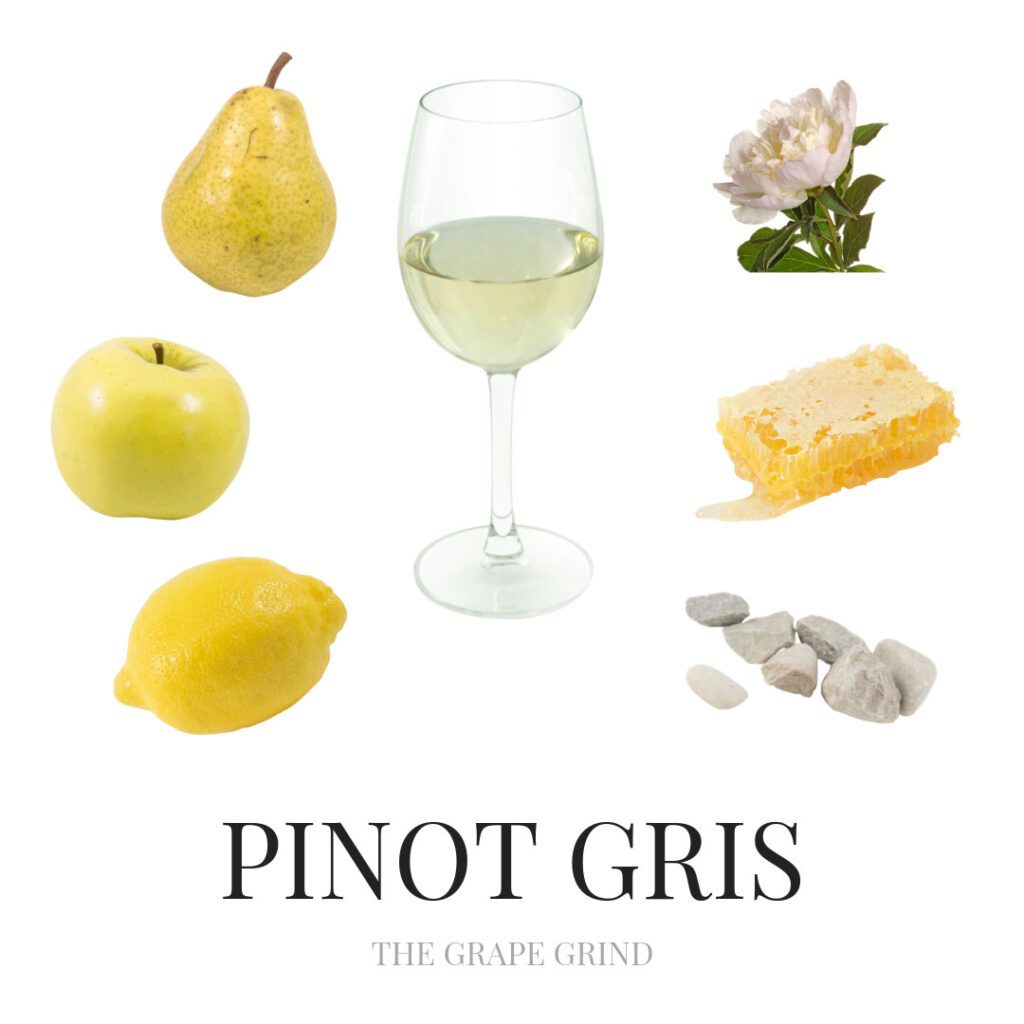
(common confusions)
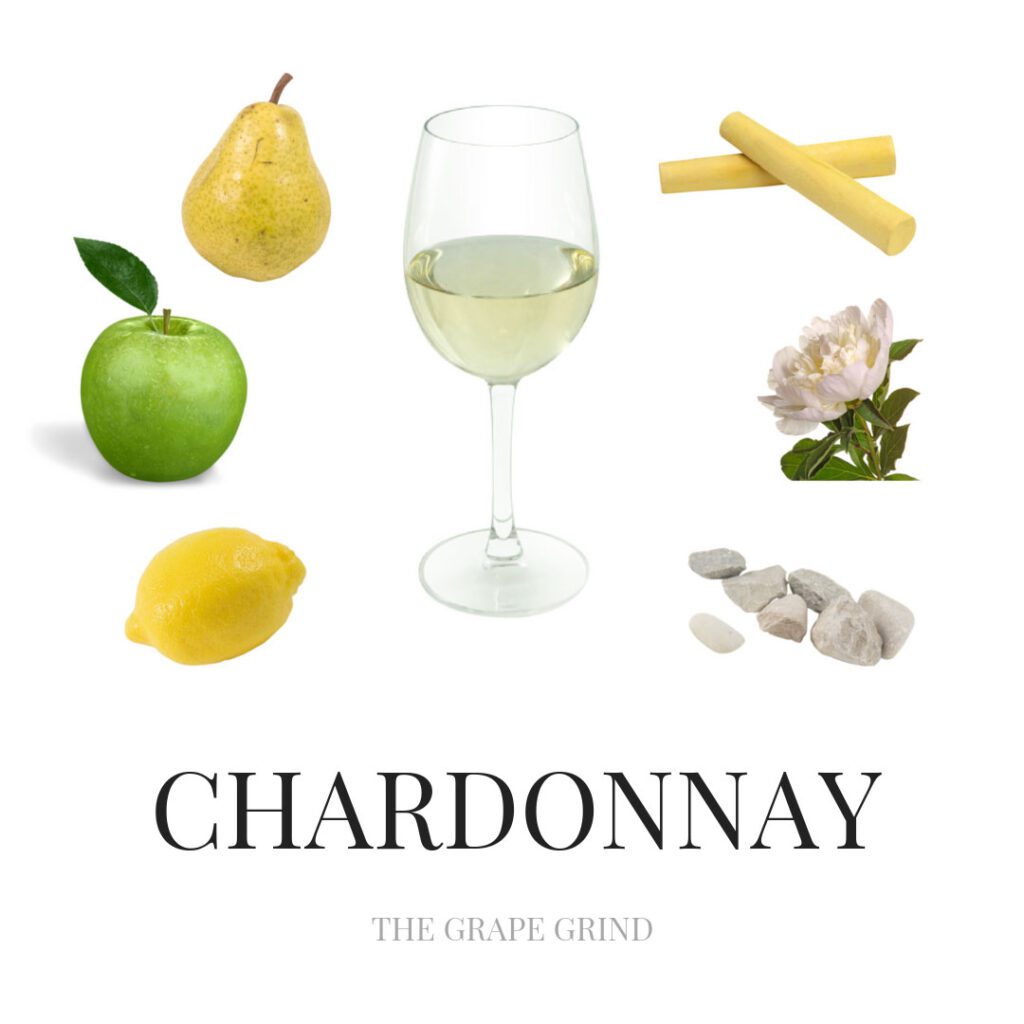
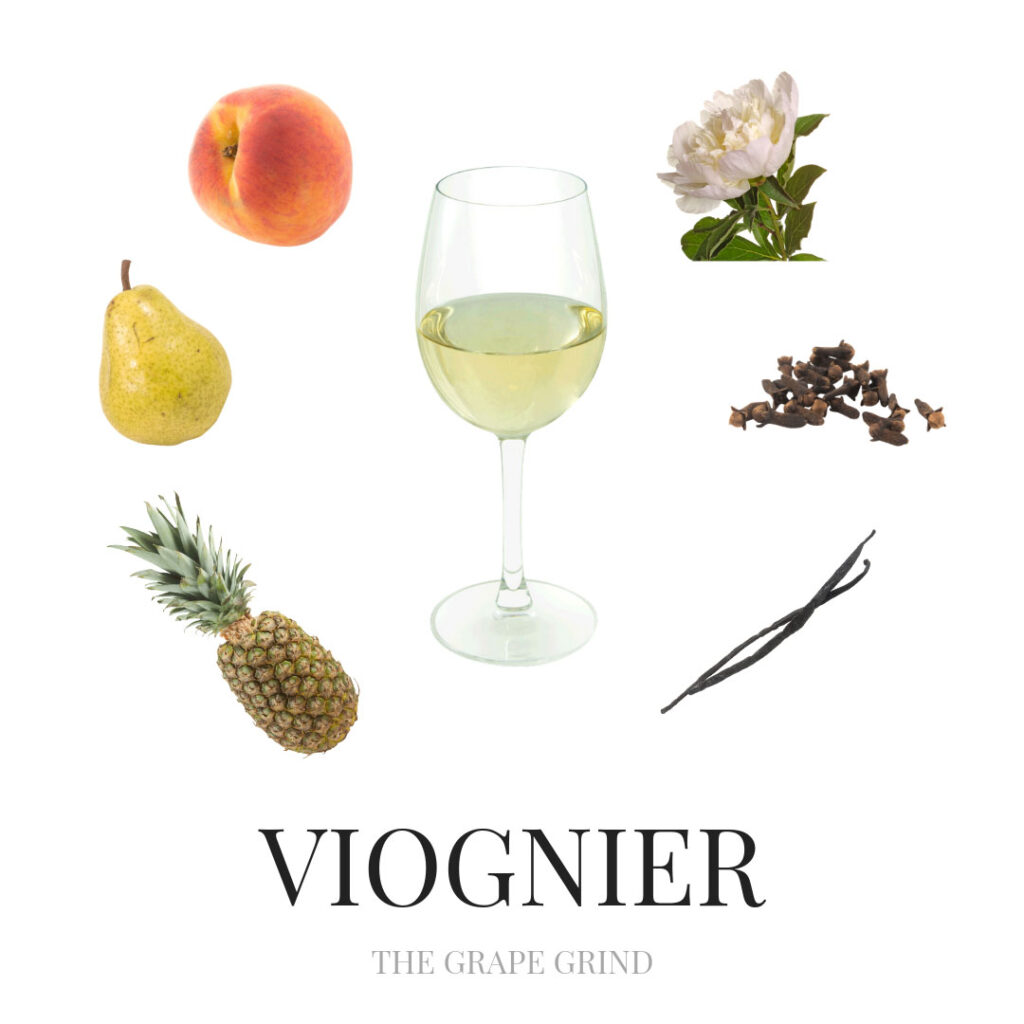
(Learn to Taste or Refresh Foundations)
(Ask, Discuss, & Connect)
(Gain Tasting Confidence)
Join our totally free community, which includes:
Just submit your info to receive your invite!
By submitting, you are consenting to receive marketing emails from The Grape Grind, including much of the core educational content you’re specifically signing up for now. You can unsubscribe at any time.
Joining the free Grape Grind community means your wine tasting journey begins NOW!
STEP 1 of 2 – Fill this out:
After you click the button above, you’ll be asked to enter your email again to set up your free account. Please use this same email address to create your account.
By submitting, you are consenting to receive marketing emails from The Grape Grind, including much of the core educational content you’re specifically signing up for now. You can unsubscribe at any time.
Learn & improve your wine tasting skills for free!