Barbera
Make 2026 THE year.
Take 10% OFF your first 12 months of Tasting Group!
Code:
Zweigelt is a red grape variety created in Austria in 1922 from a crossing of Blaufränkisch and St. Laurent. It is now Austria’s most-planted red grape and is closely associated with the country’s cool to moderate growing regions, especially in the east.
Its wines can range from light, fruity rosé to fuller-bodied reds, but the grape is generally known for fresh red-berry fruit, bright acidity, soft to moderate tannins, and a distinctive peppery spice character.
A few more notes on Zweigelt:
This guide covers what Zweigelt smells and tastes like, how its structure usually shows up in the glass, where it is most associated, what foods suit it, and which other grapes it is often compared with.
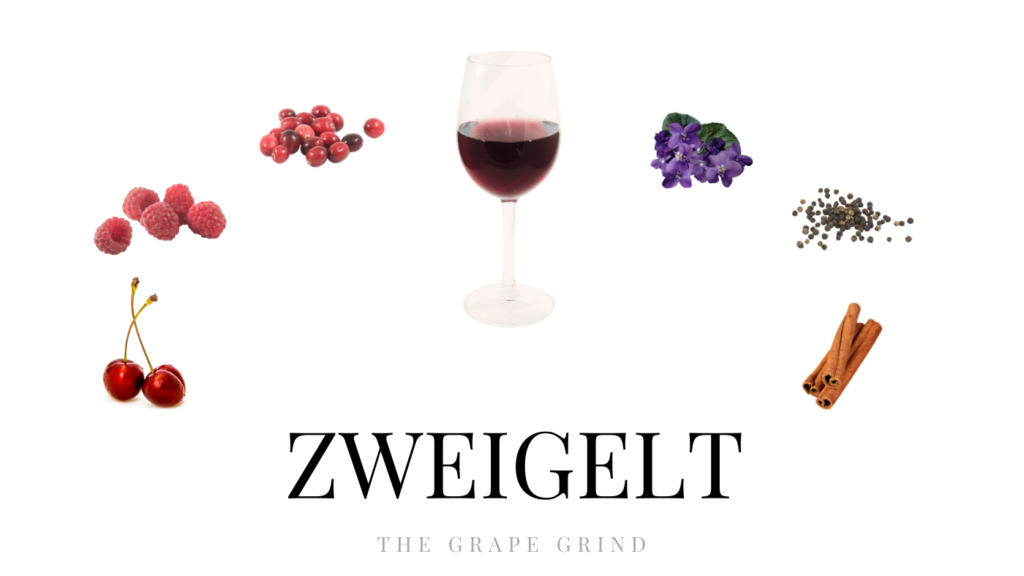
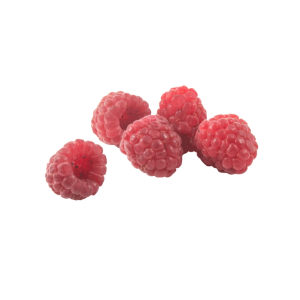
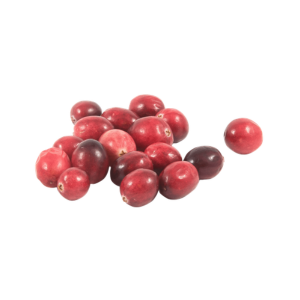
Zweigelt is usually driven by fresh cherry, raspberry, and cranberry fruit, giving it an immediate, lively character that often feels crunchy and fruit-forward.
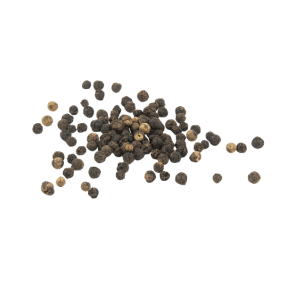
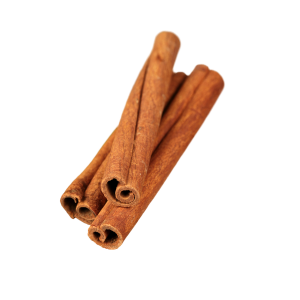
A peppery edge is one of its defining traits. Depending on style, that spice can lean toward black pepper, white pepper, cinnamon, or sweet baking spice.
It is typically medium-bodied with bright acidity and soft to moderate tannins, so it can feel energetic and flexible rather than heavy.
STANDARD TASTING NOTES: These are your benchmark exam-style tasting notes.
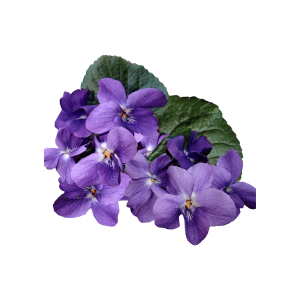
There is no “one size fits all” when it comes to structure for every grape, however, there IS a general range when it comes to body, acid, alcohol, and tannin for each. Below are general guidelines for classic representations. Growing conditions and winemaking techniques can impact each of the following.
Typically medium-bodied, though styles range from medium-light in fresh, stainless-aged versions to nearly full in reserve bottlings with more extraction and oak.

Usually medium (+) to high. Bright acidity is one of Zweigelt’s hallmarks, giving the wine a crunchy, lively feel and carrying its red-fruited freshness.

Typically around 12 to 13.5% ABV, with some richer styles reaching 14.5%. It usually achieves ripeness without pushing alcohol to extreme levels.

Usually low to medium, often showing as soft and supple rather than grippy. Oak-aged and more extracted examples can be firmer, but tannin rarely dominates.

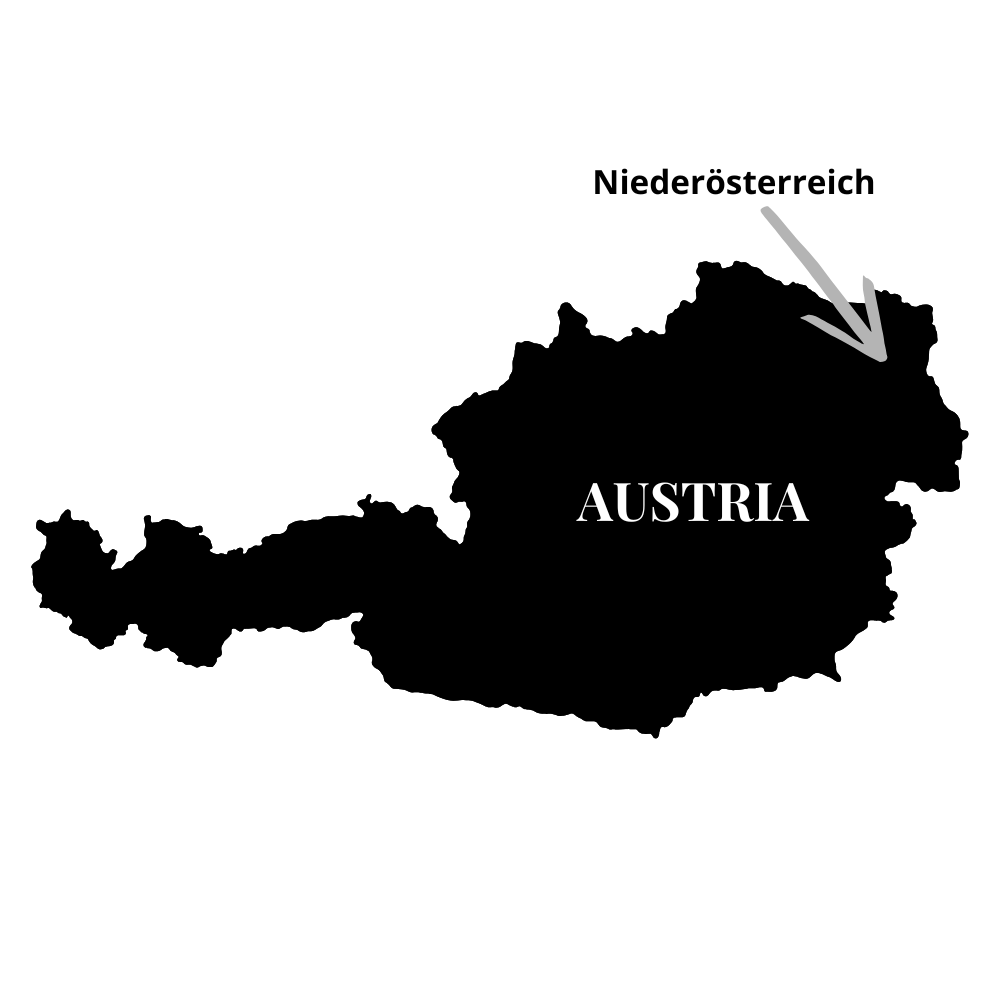
Carnuntum, Niederösterreich
Zweigelt was bred in Austria in 1922 at the Klosterneuburg research station and remains the country’s flagship red grape. It is especially important across Niederösterreich and Burgenland, where continental conditions and Pannonian influence help shape different styles. In Carnuntum, warm days, cool nights, wind through the Brucker Pforte, and soils including calcareous loess, gravel, and clay support richer wines with dark cherry and white pepper. Across Austria, styles range from lighter, peppery, high-acid wines in cooler areas to fuller, more savory versions in warmer zones.
Other notable plantings appear in the Germany, Czech Republic, Slovakia, Canada, and the USA, where Zweigelt is generally used for bright, fruit-driven, cool-climate styles.
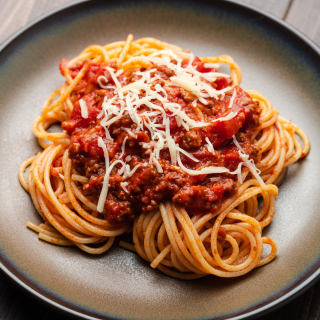
Zweigelt’s bright acidity works naturally with tomato sauces, where the wine’s freshness matches the dish rather than feeling flat beside it. Its red-cherry fruit keeps the pairing lively, and its soft tannins stay gentle enough for simpler pasta dishes.
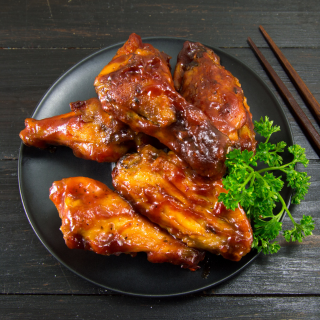
Zweigelt has enough fruit to handle sweet barbecue sauce but enough acidity to keep the pairing balanced. It’s a great “crowd-pleasing red” for casual cookouts because it doesn’t overpower lighter meats.
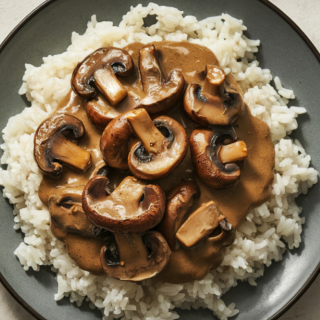
Earthy mushrooms bring out Zweigelt’s subtle savory and spicy side. Whether it’s mushroom risotto, roasted mushrooms, or mushroom pasta, the wine’s freshness keeps the pairing lively instead of heavy.
(common confusions)
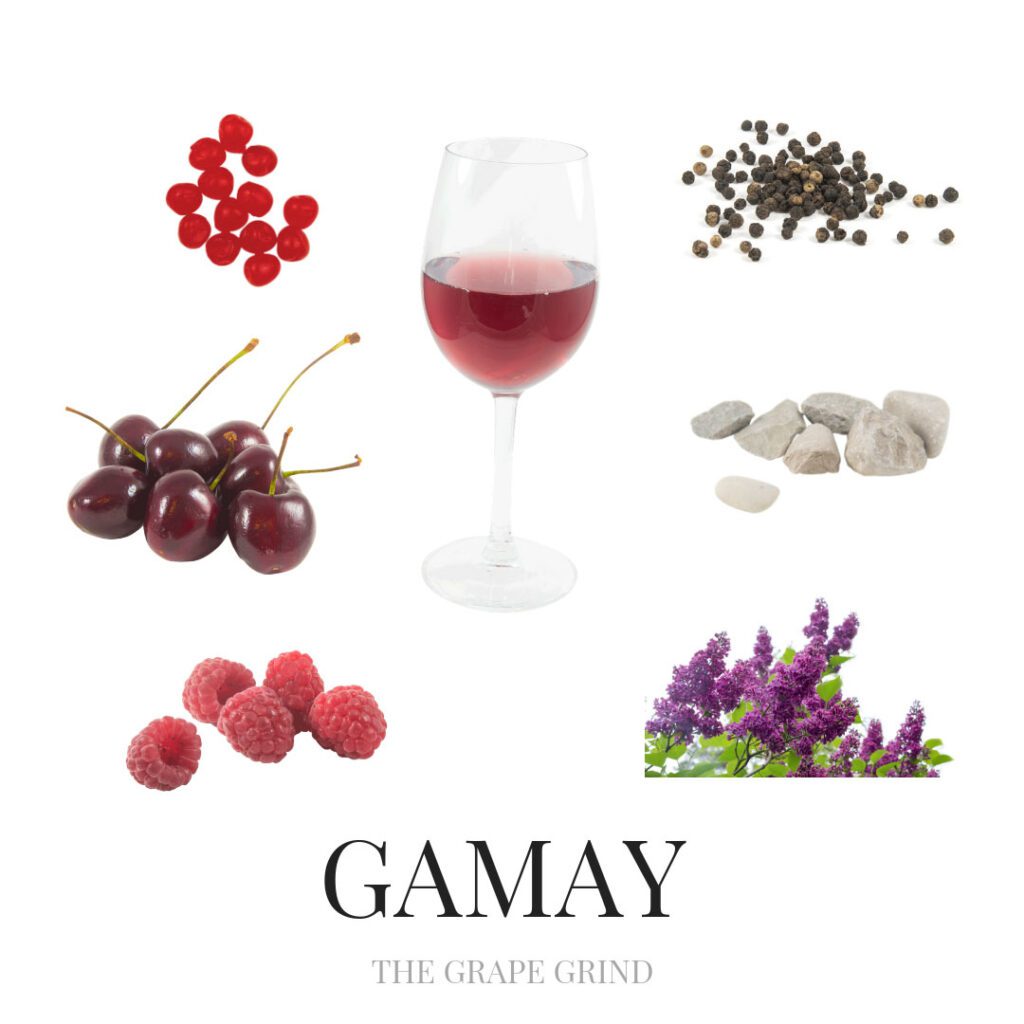
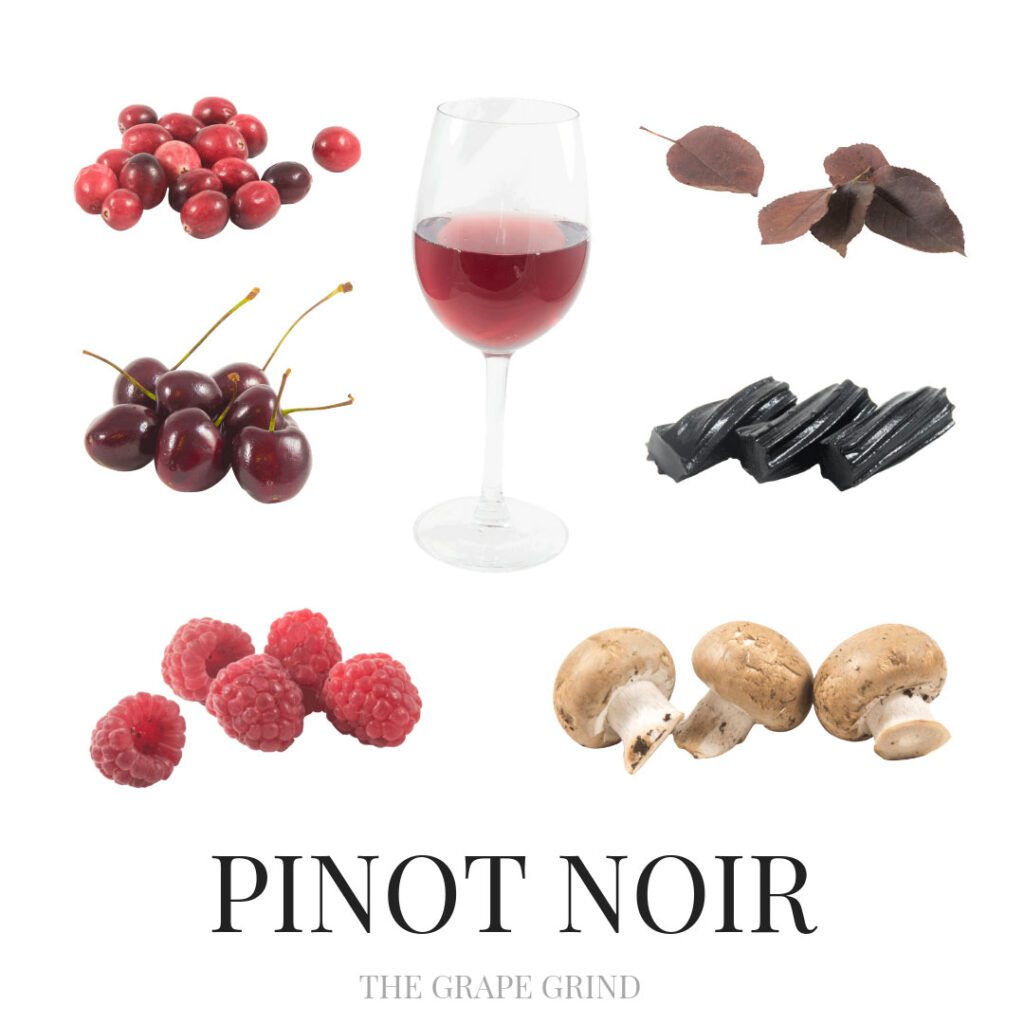
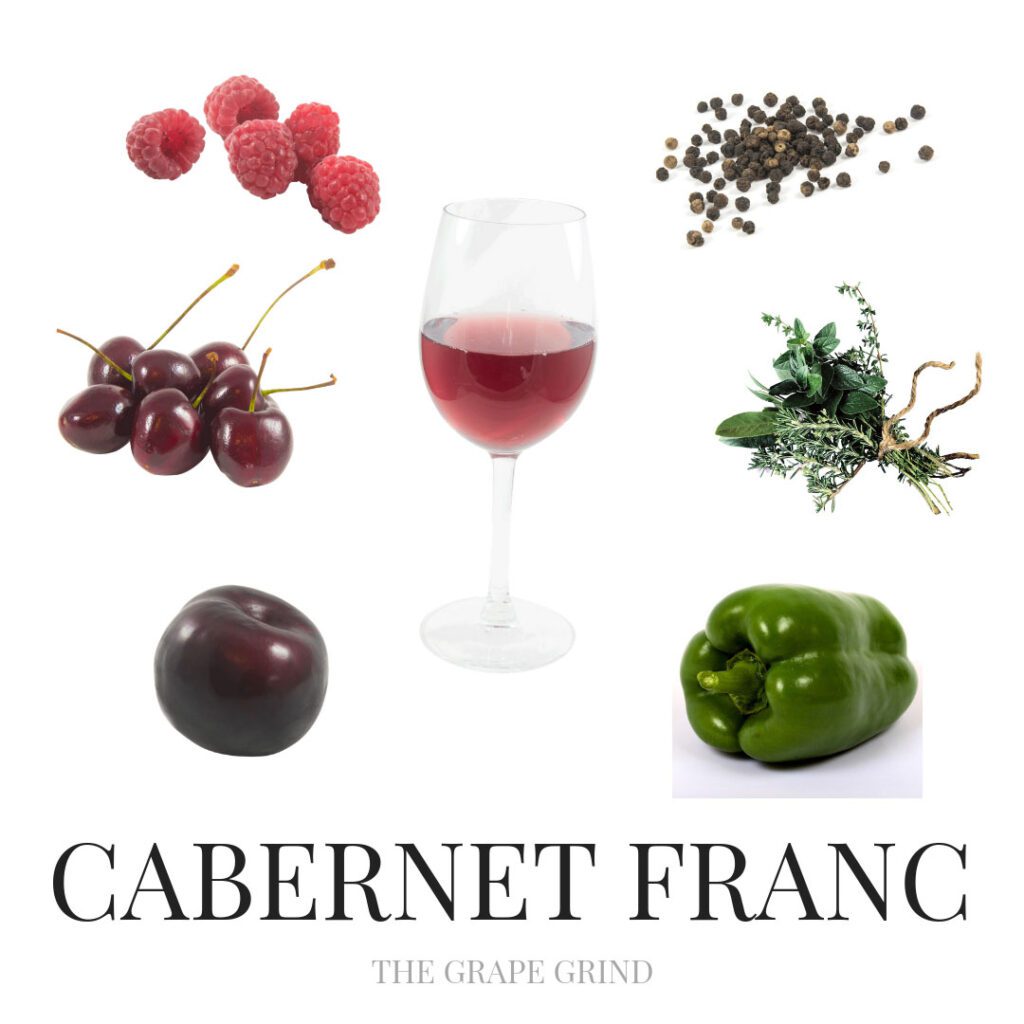
(Learn to Taste or Refresh Foundations)
(Ask, Discuss, & Connect)
(Gain Tasting Confidence)
Join our totally free community, which includes:
Just submit your info to receive your invite!
By submitting, you are consenting to receive marketing emails from The Grape Grind, including much of the core educational content you’re specifically signing up for now. You can unsubscribe at any time.
Joining the free Grape Grind community means your wine tasting journey begins NOW!
STEP 1 of 2 – Fill this out:
After you click the button above, you’ll be asked to enter your email again to set up your free account. Please use this same email address to create your account.
By submitting, you are consenting to receive marketing emails from The Grape Grind, including much of the core educational content you’re specifically signing up for now. You can unsubscribe at any time.
Learn & improve your wine tasting skills for free!