All you need to know about Mencía: A quick guide
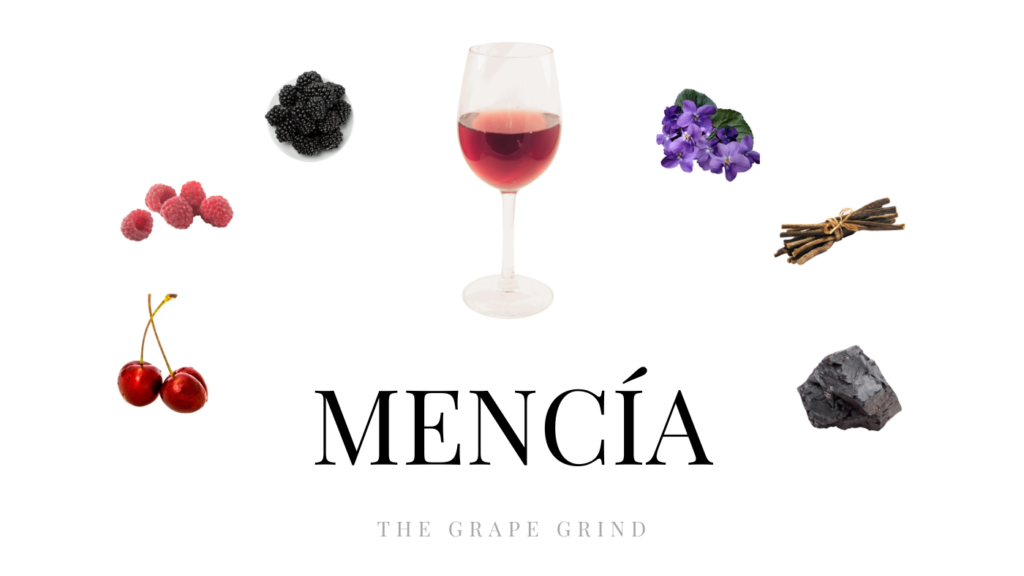
Mencía
Make 2026 THE year.
Take 10% OFF your first 12 months of Tasting Group!
Code:
Mencía
Green notes in wine are not all the same. Learn how herbaceous, herbal, and underripe character differ, and why that distinction matters for structured tasting.
The first sip of wine is often the most intense, but it is rarely the most complete. Here is why wine changes in the glass, why your palate changes with it, and how to taste more accurately.
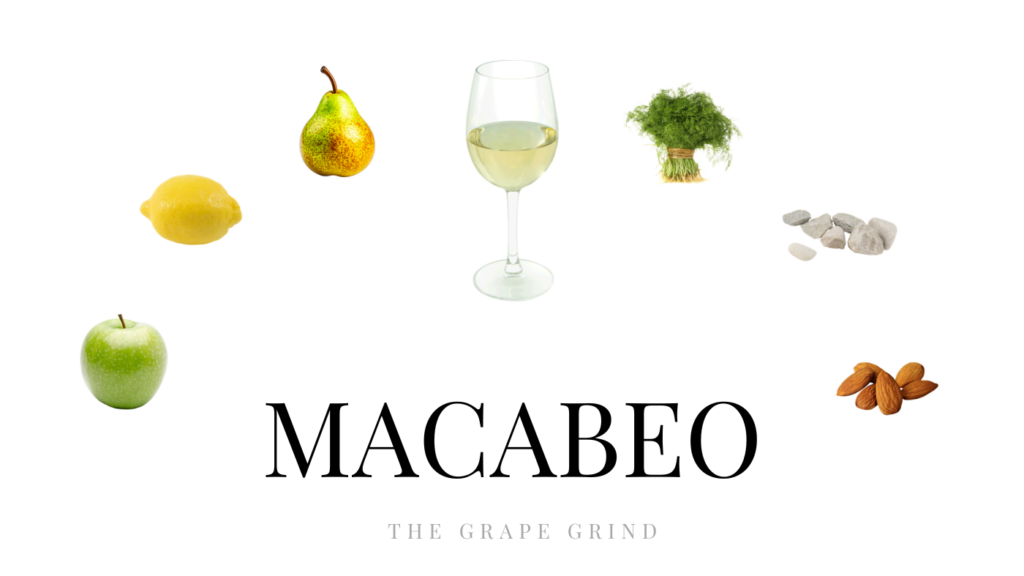
Macabeo/Viura
New wine students ask the same questions more often than they think. Here are the most common ones, answered in a way that makes tasting feel more structured, less intimidating, and much more learnable.
Cabernet Sauvignon and Merlot can overlap more than many wine drinkers expect. The most useful way to separate them is to focus on structure first, then use fruit profile and green notes as supporting clues.
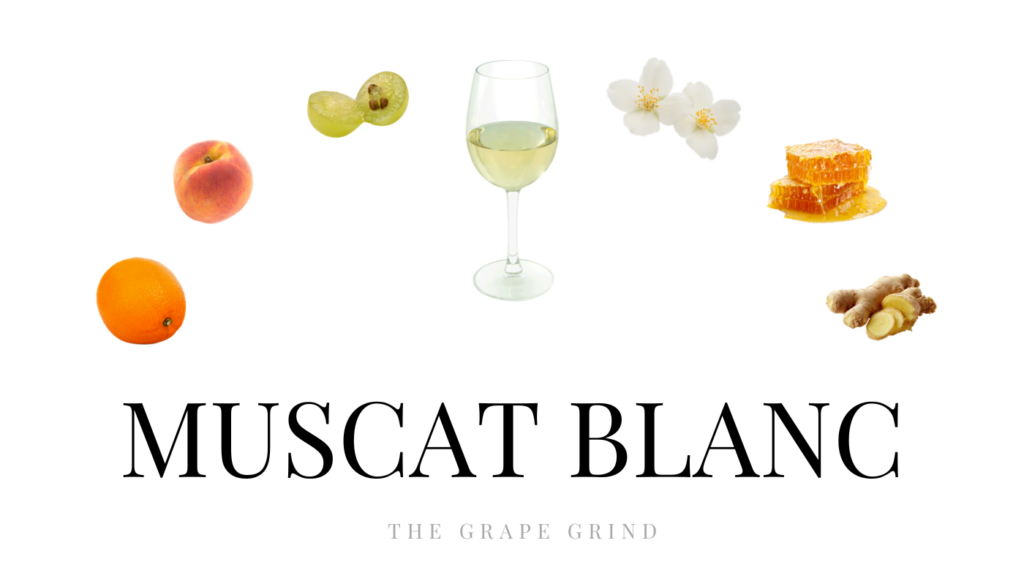
Muscat
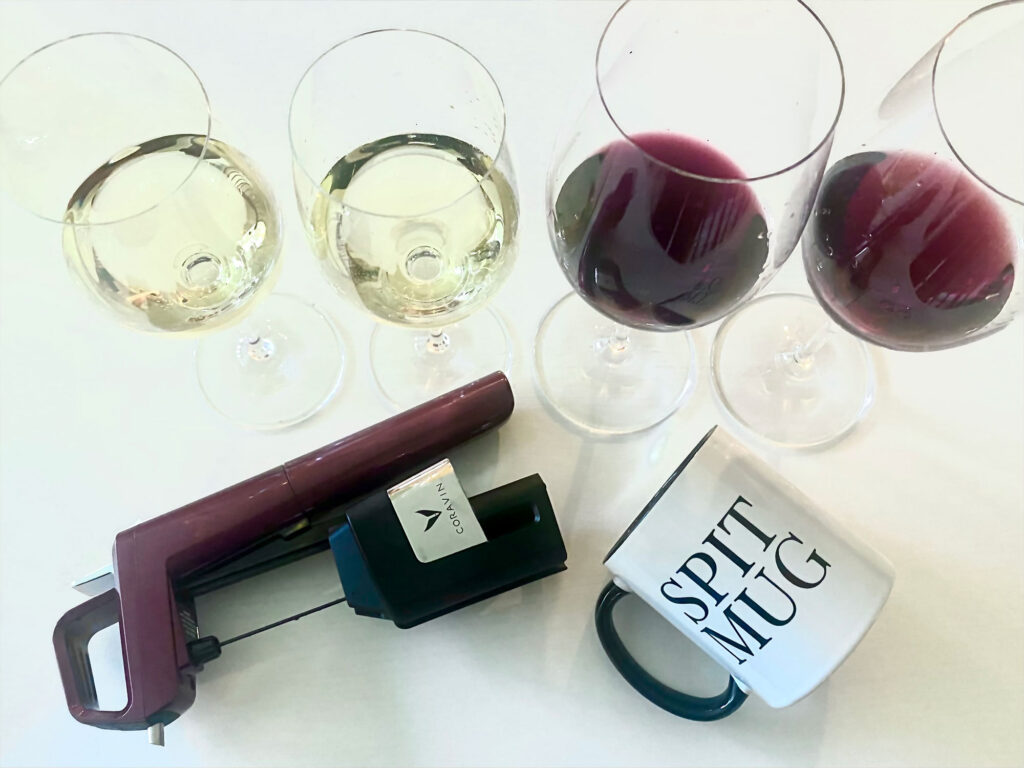
A good beginner tasting routine does not need to be fancy. With a few small habits, you can build tasting confidence, notice structure more clearly, and learn from each wine instead of just drinking it.
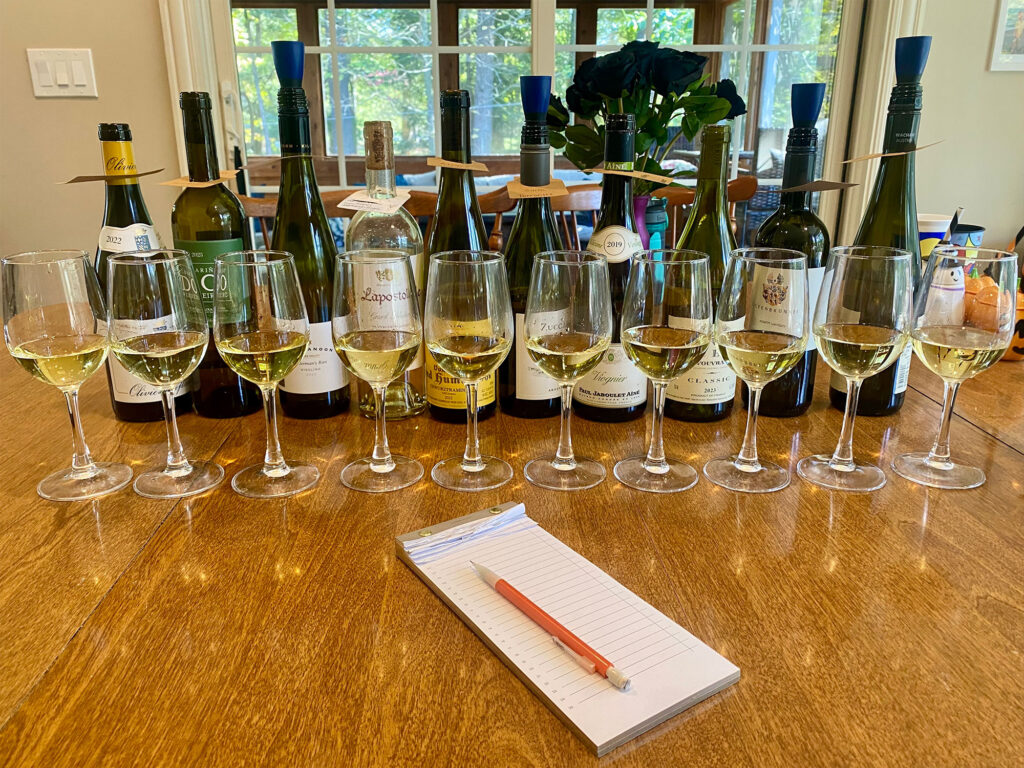
Studying alone does not have to slow you down. With a simple tasting framework, a few comparison wines, and a repeatable practice routine, you can build real tasting confidence on your own.
Join our totally free community, which includes:
Just submit your info to receive your invite!
By submitting, you are consenting to receive marketing emails from The Grape Grind, including much of the core educational content you’re specifically signing up for now. You can unsubscribe at any time.