Pinot Grigio
Make 2026 THE year.
Take 10% OFF your first 12 months of Tasting Group!
Code:
Sylvaner is an old white grape variety with a long history in Central Europe. It is usually spelled Silvaner in Germany and Sylvaner in places like Austria, Alsace, and Switzerland, but these names refer to the same grape rather than different styles.
It is typically a dry white wine with moderate aromatic intensity (more neutral) and a stronger focus on texture, extract, and finish than perfume. Sylvaner is especially associated with Franconia, Rheinhessen, Alsace, Alto Adige, and Swiss Valais, where it can shift from lean and fresh to broader and more textural depending on site and winemaking.
A few more notes on Sylvaner:
This guide walks through Sylvaner’s aroma and flavor profile, structural shape, main regions, food pairings, and the grapes it is most often confused with.
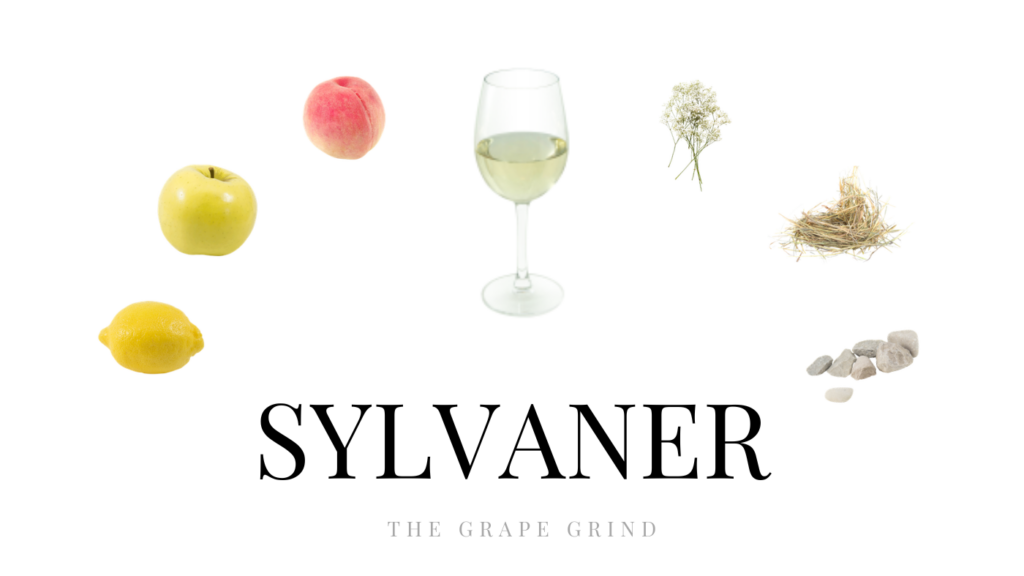
Sylvaner often shows itself through shape and extract more than perfume. Even subtle examples can feel creamy, mouth-filling, or quietly broad on the palate.
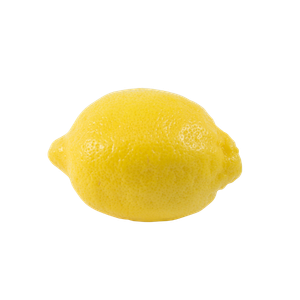
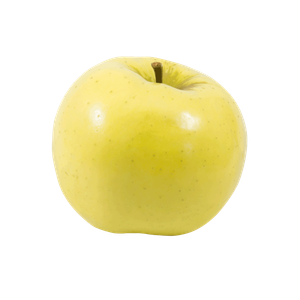
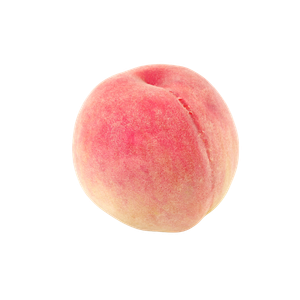
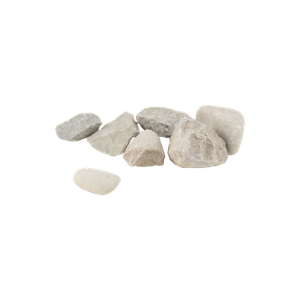
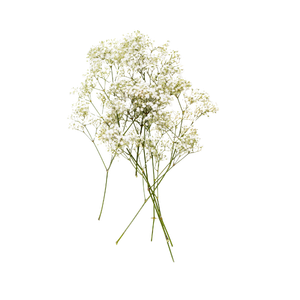
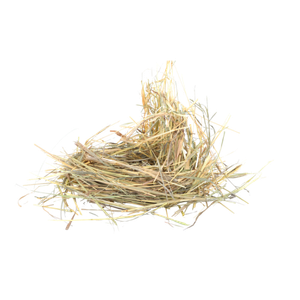
Beyond some orchard fruit, Sylvaner commonly carries neutral flavors: hay, almond, salinity, or a gentle bitter edge that gives it a distinctly food-friendly personality.
This grape changes noticeably with soil, altitude, and yield. Limestone, marl, Keuper, and gravel can all reshape its texture, tension, and finish.
STANDARD TASTING NOTES: These are your benchmark exam-style tasting notes.
There is no “one size fits all” when it comes to structure for every grape, however, there IS a general range when it comes to body, acid, alcohol, and tannin for each. Below are general guidelines for classic representations. Growing conditions and winemaking techniques can impact each of the following.
Typical range: light to medium-plus. Simpler wines can be lighter, while serious dry examples from limestone, marl, altitude, or lees aging can become broader and more substantial.

Typical range: medium to medium-plus. Sylvaner’s freshness usually feels broad and continuous rather than sharp, though altitude and certain calcareous sites can tighten the wine.

Typical range: medium-minus to medium. Lighter styles are lower, while richer dry examples can move upward without losing balance because extract and bitterness help carry the palate.

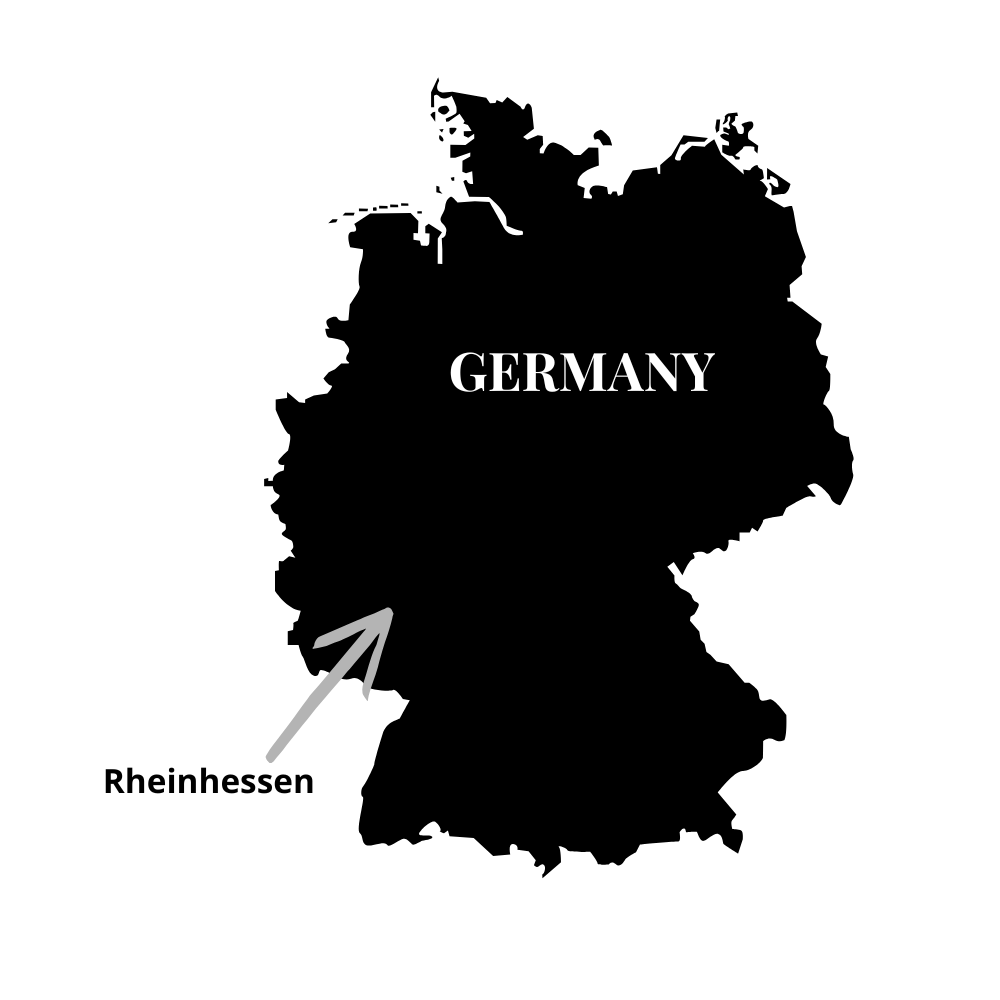
Rheinhessen
Germany defines Sylvaner’s modern story. The famous 1659 planting of Austrian cuttings at Castell in Franconia marks the key documentary starting point for German Silvaner history, where remains one of the region’s signature grapes today, often bottled in the traditional flattened Bocksbeutel bottle. In Franconia, limestone and Keuper help shape dry wines with orchard fruit, chalk, spice, and savory length. In Rheinhessen, loess-limestone, marl, and even volcanic sites can give creamier, broader styles with pear, hay, and more visible weight. The grape once dominated German vineyard land, but today its strongest role is as a regional prestige and terroir variety.
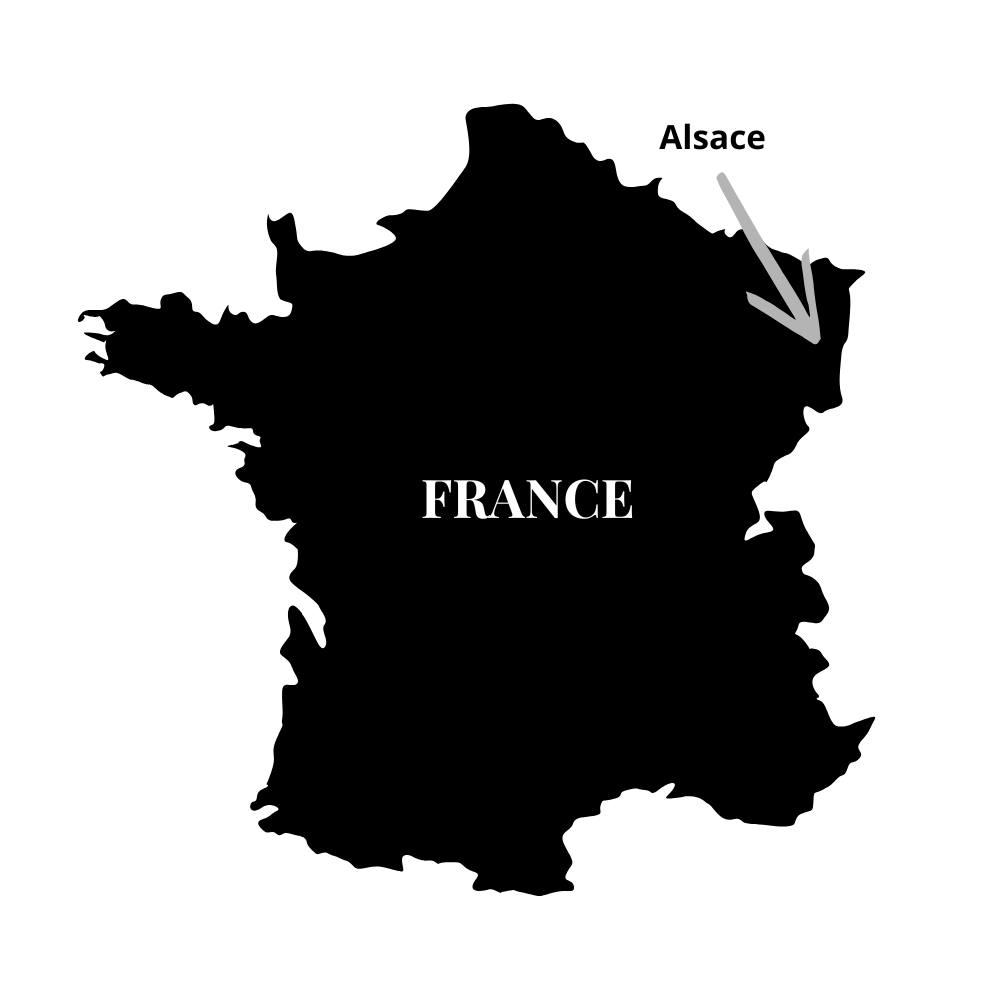
Alsace
Alsace is the other benchmark region for Sylvaner, though the style is often quite different from Franconia. Located along the rain shadow of the Vosges Mountains, Alsace is one of the driest wine regions in France, with a sunny semi-continental climate that gives growers reliable ripening conditions while still maintaining acidity thanks to cool nights and autumns.
Sylvaner has a long history in Alsace and was traditionally planted widely throughout the region because of its reliability and adaptability. While it was once viewed as simpler than grapes like Riesling or Gewürztraminer, top producers have shown that old-vine Sylvaner grown on limestone soils can produce remarkably elegant, mineral, and age-worthy wines. It has one major prestige exception in Zotzenberg. In Alsace, the grape often expresses itself with a little more generosity and softness than the more structured examples from Franconia.
Other important homes include: Austria, Sylvaner’s historical origin story in Central Europe, where it was once more widely planted before being largely replaced by Grüner Veltliner and Riesling. (Today, it survives only in small pockets and is not a major reference point for the variety compared to Franconia or Alsace). Also in Alto Adige in Italy, where altitude and gravel give it alpine tension!
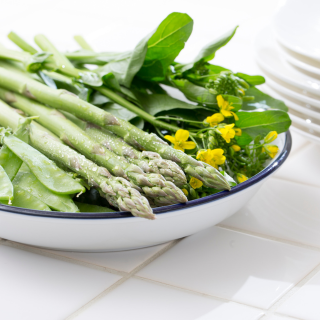
Sylvaner works especially well here because its moderate acidity refreshes without overwhelming delicate green flavors. Its herbal and gently bitter finish can echo vegetable notes instead of fighting them, which is a neat trick for a white wine.
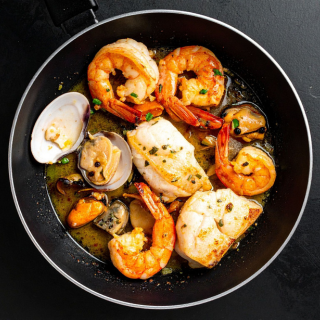
Its restrained aromatics let briny, iodine-rich flavors stay in focus. The wine’s freshness and slight salinity or bitterness help cleanse the palate after each bite, especially in leaner, younger dry styles.
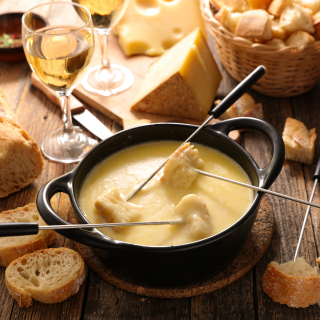
Sylvaner has enough body to keep up with melted cheese, but usually not so much weight that the pairing turns heavy. Its moderate acidity cuts through richness cleanly, making the whole thing feel more balanced and a lot less sleepy.
Textural dry examples can also work well with roast poultry, mushrooms, onion tart, and richer fish dishes.
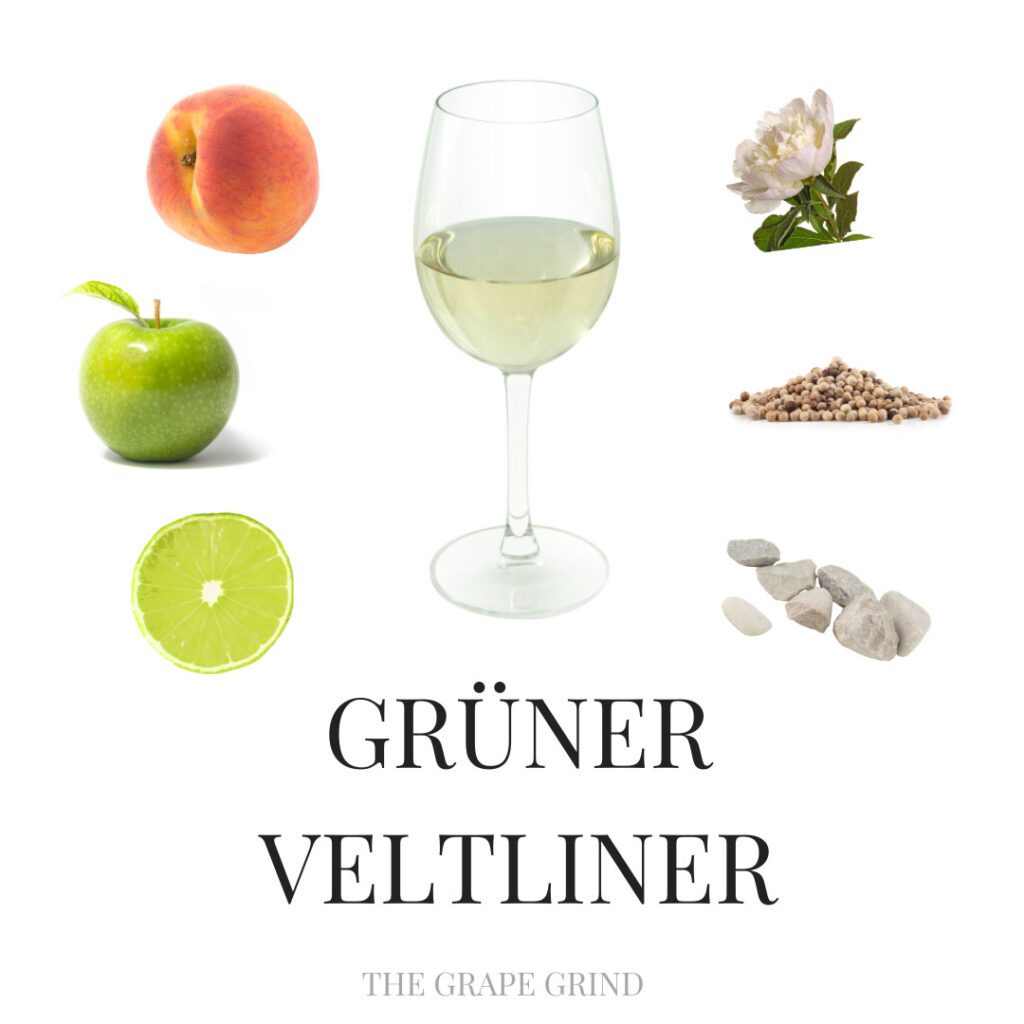
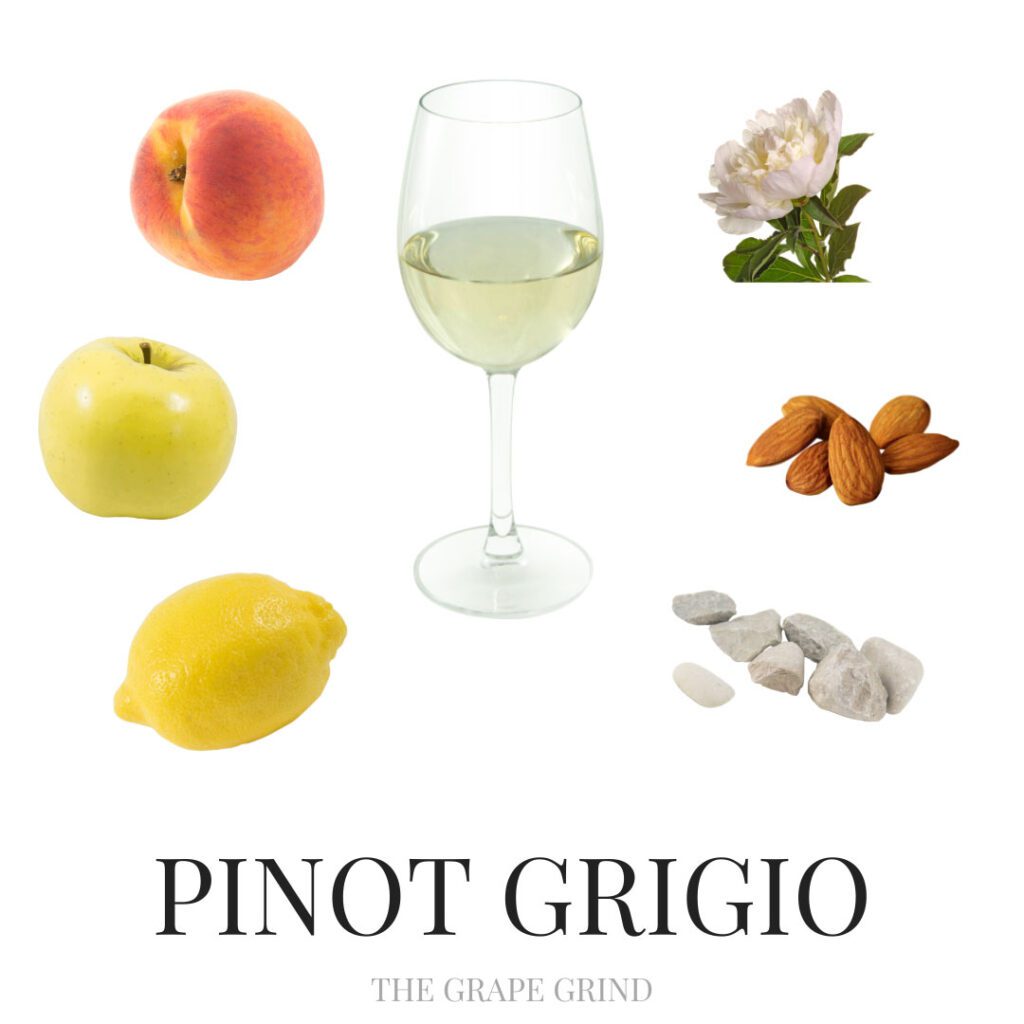
(common confusions)
(Learn to Taste or Refresh Foundations)
(Ask, Discuss, & Connect)
(Gain Tasting Confidence)
Join our totally free community, which includes:
Just submit your info to receive your invite!
By submitting, you are consenting to receive marketing emails from The Grape Grind, including much of the core educational content you’re specifically signing up for now. You can unsubscribe at any time.
Joining the free Grape Grind community means your wine tasting journey begins NOW!
STEP 1 of 2 – Fill this out:
After you click the button above, you’ll be asked to enter your email again to set up your free account. Please use this same email address to create your account.
By submitting, you are consenting to receive marketing emails from The Grape Grind, including much of the core educational content you’re specifically signing up for now. You can unsubscribe at any time.
Learn & improve your wine tasting skills for free!