Aging Wine; Which wines age gracefully and what do they evolve into?
Learn which wines can age beautifully, how they evolve, and what to watch for in that journey of transformation.
Make 2026 THE year.
Take 10% OFF your first 12 months of Tasting Group!
Code:
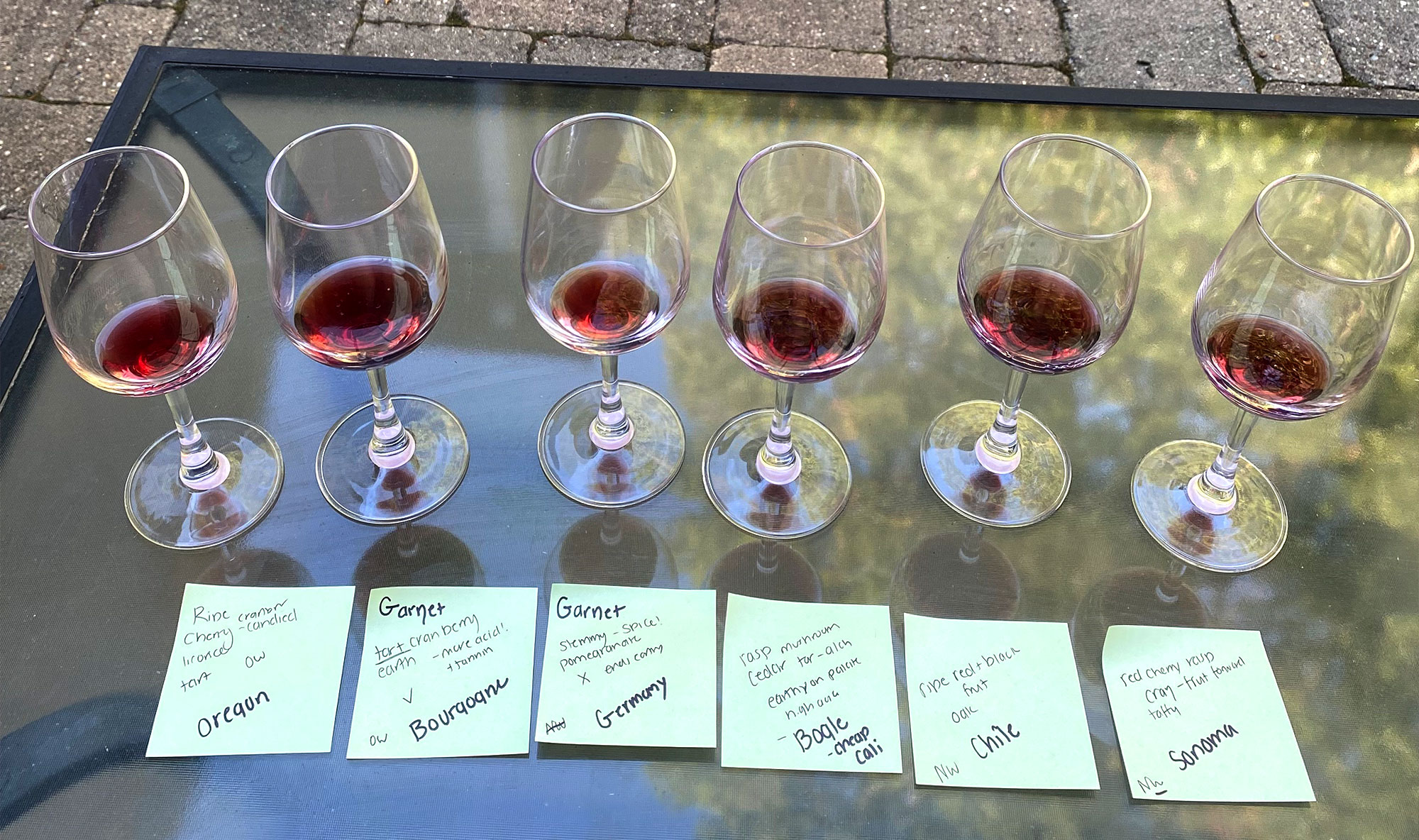
One of the most enjoyable ways to build tasting skill is to take the same grape and taste it from two different climates. Differences that felt vague before can suddenly become obvious.
Pinot Noir is one of the best grapes for a side-by-side like this. It is highly expressive of where it is grown, and it is genuinely sensitive to temperature. The same variety can taste like tart cranberries and forest floor in one glass, and like ripe black cherry and baking spice in the next.
Not every grape shows climate this clearly. Some varieties are more resistant to temperature swings, or they are managed heavily in the winery in ways that smooth out regional differences. Pinot Noir tends to be different.
When we say Pinot Noir is transparent, we mean it tends to show what is happening in the vineyard rather than hiding behind thick tannin or heavy extraction. The grape is thin-skinned, relatively delicate, and sensitive to how warm or cool the growing season is. Small shifts in temperature affect ripeness. Ripeness affects acid, alcohol, body, and fruit profile. All of that ends up in the glass in a fairly noticeable way.
That transparency is what makes it such a useful teaching grape!
If you are early in your tasting journey, or working to build more tasting confidence, Pinot Noir is a great variety to compare. The structural shifts between a cool climate and a warm climate bottle are noticeable enough, but the variety itself stays recognizable!
Temperature during the growing season affects how much sugar the grapes accumulate and how quickly acidity drops. That ripeness level impacts almost everything you notice in the glass.
Here is what shifts most noticeably across climate:
Cool climate growing conditions slow ripening down. The grapes spend more time on the vine without accumulating as much sugar, which preserves higher natural acidity and tends to keep alcohol in check. The result is a wine that often feels more precise, more aromatic, and more vibrant.
Some of the regions that tend to produce cool climate expressions include Burgundy, Oregon, Germany, Northern Italy, and Tasmania in Australia
When you are tasting a cool climate Pinot Noir, look for:
The fruit in cool climate Pinot Noir is not absent. It can be vivid and expressive. But it tends to sit alongside earth-driven qualities rather than leading the wine entirely.
In warmer growing conditions, ripeness is more noticeable. Sugars build up faster, acidity softens, and the fruit gets riper and often darker. The wine tends to feel more generous and plush.
Regions that often show warmer climate expressions include parts of California (like Russian River Valley and the Central Coast), warmer sites in Marlborough and Central Otago in New Zealand as well as Australia and Chile!
When you are tasting a warm climate Pinot Noir, look for:
That cola note is worth paying attention to. It tends to come from a combination of oak spice and the herbal, almost licorice-like quality that Pinot Noir can carry when ripe. It is a useful warm climate signal once you have tasted it a few times.
Climate shifts a lot in Pinot Noir, but it does not erase the variety’s identity. There are anchor points that tend to stay consistent, and recognizing them is part of pattern recognition in blind tasting.
Across climate, Pinot Noir generally:
Even a warm climate Pinot Noir tends to be lighter in body and more aromatic than a warm climate Cabernet Sauvignon. This is a distinction that matters when you are trying to build a repeatable tasting process across varieties.
When you are tasting blind, or just trying to make sense of an unfamiliar wine, anchor points give you something stable to work from. If you know that Pinot Noir almost always stays lower in tannin and lighter in body, that is a useful data point even when the fruit profile surprises you.
The goal is not to force every wine into a neat template. It is to build enough calibration that the unexpected becomes informative rather than confusing.
The fastest way to internalize climate differences is to taste them directly. Here are a few pairings worth exploring:
You do not need expensive bottles to do this well. A village-level Burgundy and a mid-range California Pinot Noir will show you plenty. The goal is contrast, not prestige. Look for two bottles at a similar price point from clearly different climates, and let the comparison do the teaching.
Structured blind tasting practice does not have to be complicated, especially when you are working with a grape you are getting to know. Here is a simple approach for this kind of comparative tasting.
Start with structure, not aroma. Aroma is where people get lost. Structure is where the learning happens.
Work through the wines in this order:
Then write a short comparison note: what was different, and what stayed the same.
| What to compare | What to write down |
|---|---|
| Acid | Mouthwatering and bright vs soft and round Fruit ripeness |
| Fruit ripeness | Tart and fresh vs ripe and generous |
| Body | Light and delicate vs fuller and substantial |
| Texture | Linear and taut vs smooth and plush |
| Secondary notes | Earth, floral, mineral vs spice, oak, darker fruit |
| Final conclusion | Cool climate, warm climate, or uncertain |
Structured note-taking like this does two things. It keeps you from drifting into vague impressions, and it gives you something to compare the next time you taste. That consistency is what turns individual tastings into actual tasting reps that build skill over time.
A few things tend to trip people up when they first start working with climate comparisons.
Banking everything on climate. Climate is a major factor, but winemaking choices matter too. A winemaker who uses significant new oak will change the picture. So will extended maceration, or a particularly warm vintage in an otherwise cool region. Climate often shows through structurally, but it is not the only variable.
Ignoring winemaking. Related to the above. Oak can confuse the fruit profile significantly. A warm climate wine with no oak and a cool climate wine with heavy oak can end up looking more similar than their origins would suggest. Keep that in the back of your mind.
Focusing only on fruit. Fruit is the most accessible entry point, but it is also the most variable and the most misleading. Structure tells you more. Acid and body are more reliable climate signals than whether you get cranberry or black cherry.
Treating cool climate as automatically better or more elegant. Bias assumptions! Cool climate Pinot Noir has a strong cultural reputation, especially with Burgundy as the benchmark. But warm climate expressions are not lesser wines. They are different expressions of the same variety.
Treating warm climate as automatically too ripe or too simple. The flip side of the same bias. Some of the most interesting Pinot Noir in the world comes from warmer sites. Complexity is not the exclusive property of cool climates.
Expecting every bottle to fit a neat template. Subregions vary. Vintages vary. Winemakers vary. The profiles we describe here are tendencies, not guarantees. Reducing guesswork is the goal, but it doesn’t eliminate uncertainty entirely.
Not tasting the wines side by side. Reading about climate differences is useful. Tasting them directly is where the learning actually sticks.
If you want to turn this from an interesting read into a real skill, here is a straightforward plan.
Week one: Burgundy vs California. Focus on acid and body. Write three observations per wine, then a comparison note.
Week two: Oregon vs Chile, or Germany vs New Zealand. Use the same tasting framework you used in week one. Notice whether your observations come faster this time.
Week three: Pick a pairing you are curious about. Repeat the same structure. Compare your notes across all three weeks.
A few principles to keep in mind as you go:
Deliberate practice like this is what separates passive wine drinking from actual skill development. The grape stays the same. The exercise stays the same. What changes is how clearly you start to see the differences.
If you are just getting started and want a simple framework for tasting varieties and taking notes, (especially regional comparisons) our Tasting Frameworks are a good place to begin. These make exercises like this one easier to run.
And if you find yourself wanting to start understanding tasting and calibration in an easy way, our Intro to Wine Tasting Course is built for exactly that.
Pinot Noir is a generous teacher. Taste it enough times, in enough climates, and it starts to show you it’s complete personality!
Learn which wines can age beautifully, how they evolve, and what to watch for in that journey of transformation.
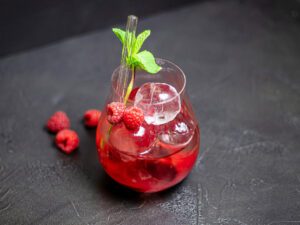
Explore a curated selection of non-alcoholic spirits, including Ritual’s whiskey, gin, rum, and agave alternatives, perfect for mindful sipping and cocktail crafting.
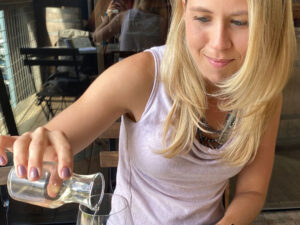
The first sip of wine is often the most intense, but it is rarely the most complete. Here is why wine changes in the glass, why your palate changes with it, and how to taste more accurately.
(Learn to Taste or Refresh Foundations)
(Ask, Discuss, & Connect)
(Gain Tasting Confidence)
Join our totally free community, which includes:
Just submit your info to receive your invite!
By submitting, you are consenting to receive marketing emails from The Grape Grind, including much of the core educational content you’re specifically signing up for now. You can unsubscribe at any time.
Joining the free Grape Grind community means your wine tasting journey begins NOW!
STEP 1 of 2 – Fill this out:
After you click the button above, you’ll be asked to enter your email again to set up your free account. Please use this same email address to create your account.
By submitting, you are consenting to receive marketing emails from The Grape Grind, including much of the core educational content you’re specifically signing up for now. You can unsubscribe at any time.
Learn & improve your wine tasting skills for free!