The Many Styles of Tokaji
Explore Tokaji’s diverse wine styles, from the intensely sweet Eszencia and Aszú to the refreshing dry Furmint, each showcasing unique flavors and aging potential.
Make 2026 THE year.
Take 10% OFF your first 12 months of Tasting Group!
Code:
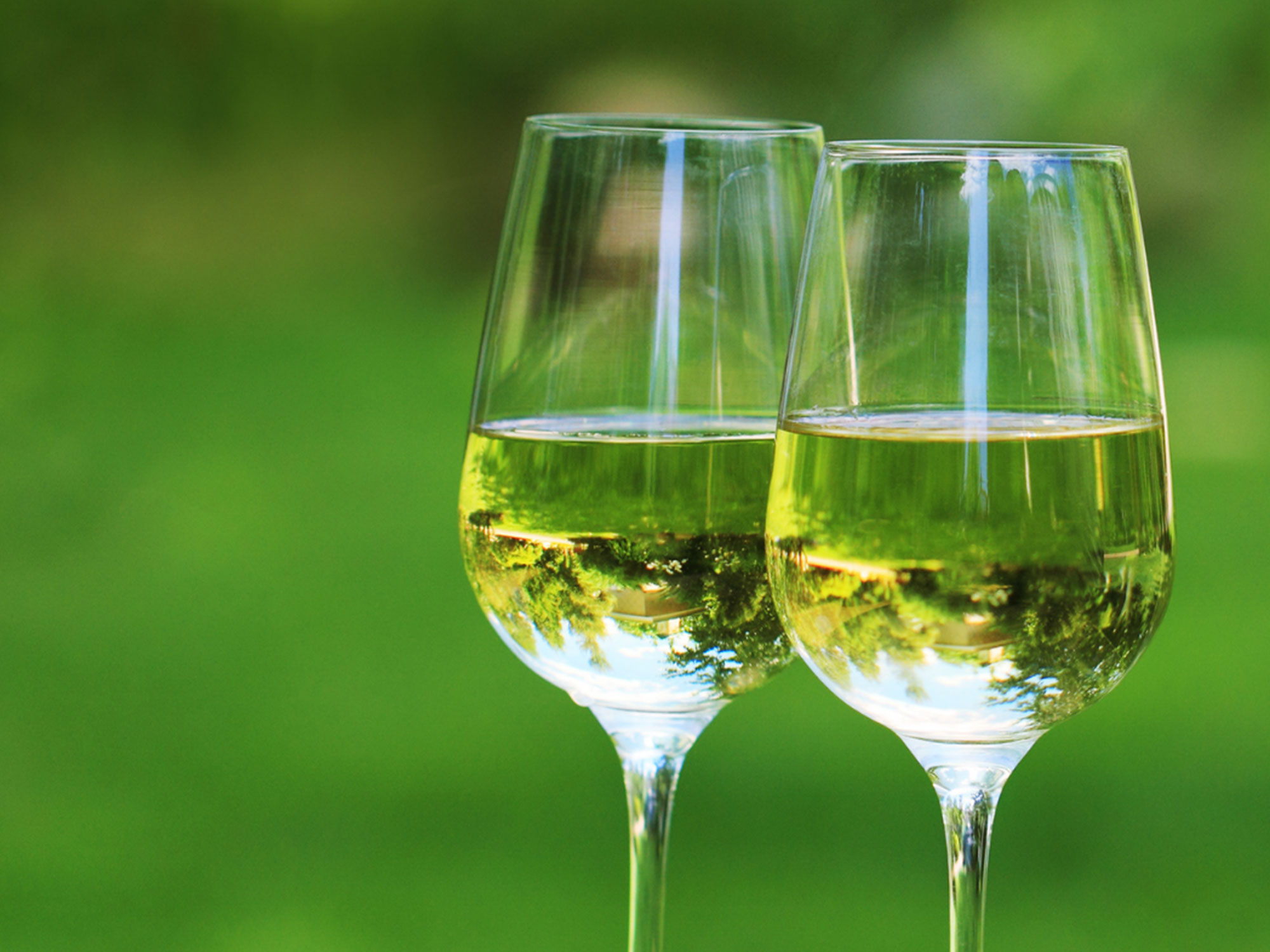
These two wines get compared a lot, and for good reason. Both are refreshing, high-acid white wines that people reach for in the summer. Both show citrus, freshness, and a lighter body. Both are often unoaked. And if you hand someone a glass of each without any context, there is a real chance they walk away calling both of them “fresh and bright” and leaving it at that.
But once you start paying closer attention, the differences become clear. The aroma camps are different. The texture is different. Even the way the acidity feels on your palate is different. This post walks through those differences in a way you can actually use, whether you are building your blind tasting practice or just trying to understand what sets these wines apart.
Albariño is a white grape variety most commonly associated with the Rías Baixas region of Galicia in northwestern Spain. It is known for its elevated acidity, aromatic character, and a texture that often feels rounder than you might expect from a high-acid wine.
Sauvignon Blanc is one of the most widely planted white varieties in the world, with significant production in the Loire Valley of France, New Zealand, and many other regions. It is known for its sharp, electric acidity, green and herbal aromatics, and a lean, precise structure.
Acidity refers to the tartness you perceive in wine, often felt as a mouthwatering sensation on the sides of your tongue and cheeks. Both of these wines tend to have high acidity, which is part of what makes them easy to confuse.
Texture describes the physical weight and feel of the wine in your mouth. This is where these two wines start to pull apart.
Minerality is a term used to describe sensory impressions that evoke stone, salt, earth, or other non-fruit characteristics. It can show up differently depending on the wine, and we will get specific about that below.
These two wines are a useful pairing for that kind of exercise precisely because they are similar enough on paper but different enough in the glass. The comparison teaches you to look beyond acidity and into aroma, texture, and the overall shape of the wine on your palate.
| Category | Albariño | Sauvignon Blanc |
|---|---|---|
| Aroma | Floral, citrus, saline, blossom | Citrus, green herbal, grassy, bell pepper, jalapeño |
| Acidity feel | High, but softer around the edges, integrated | High, sharp, electric, linear |
| Texture / body | Medium body, rounder, more substance | Medium body, leaner, more precise |
| Minerality | Saline, coastal, ocean-influenced | Wet stone, smoky, chiseled |
| Common style cues | Coastal freshness, floral lift, rounded finish | Pungent green notes, bright finish, sometimes tropical |
Albariño tends to feel more floral and saline. The acidity is present and noticeable, but it often shows up a little later on the palate, integrated into a texture that has more roundness and weight. Think blossom and citrus with a hint of sea air.
Sauvignon Blanc tends to feel sharper and more linear. The acidity hits more immediately and with more precision. The aromatics often lean green, herbal, or pungent, with citrus playing a supporting role alongside grass, herbs, or green bell pepper.
If you’re trying to remember Albariño, start here:
Floral. Fresh. Coastal.
Albariño is one of those wines where the semi-aromatic floral character is often the first thing that stands out. You’ll commonly find citrus aromas like lemon and grapefruit, but the profile usually leans more toward white flowers and stone fruit rather than the green, herbal style you might get from Sauvignon Blanc.
Another clue? That little hint of the ocean.
Albariño often has a subtle saline quality …think sea spray, ocean air, or that fresh coastal feeling. It’s not that the wine tastes like saltwater, but there’s a freshness that can make you think, “This feels like it came from somewhere near the coast.”
The texture is where Albariño surprises people.
With its bright acidity, you might expect a very light, sharp wine. But Albariño often has more body and roundness than people anticipate. It’s refreshing, but it doesn’t feel thin.
Some of that texture can come from winemaking choices like lees aging, which can add a little extra weight and creaminess.
The acidity is definitely there, you’ll feel it, but it’s balanced. It gives the wine energy without taking over.
That combination of bright acidity + floral aromas + a little coastal character + a fuller texture is what sets Albariño apart when compared to Sauvignon Blanc.
If Albariño is floral and coastal, Sauvignon Blanc is green. 🌿
That’s the easiest way to start recognizing it.
You’ll still find citrus, often grapefruit, lime, or lemon, and in warmer climates you may get more tropical notes like passionfruit or guava. But the thing that usually gives Sauvignon Blanc away is that unmistakable green character.
Think fresh-cut grass, herbs, green bell pepper, jalapeño, or a sharp vegetal note.
Those green, herbal aromas are part of what makes Sauvignon Blanc Sauvignon Blanc.
On the palate, the wine tends to feel lean, bright, and precise. The acidity is usually one of the first things you notice, it hits quickly, refreshes your mouth, and gives the wine that crisp, energetic feeling.
Compared to Albariño, Sauvignon Blanc often has less roundness and softness. It’s more focused and direct.
That combination of citrus + green aromas + sharp acidity + lighter texture is what makes Sauvignon Blanc one of the easiest wines to recognize once you know what to look for.
This is where the comparison becomes practical. If you’re tasting these two wines without labels, here’s what to pay attention to.
Start by asking:
Does this wine feel green or floral?
Green points you toward Sauvignon Blanc. Think grass, fresh herbs, green bell pepper, jalapeño, or that sharp vegetal quality we talked about earlier.
Floral points you toward Albariño. Look for white flowers, blossom, and a softer citrus profile. A subtle saline or coastal note can also be a big clue.
Both wines can show citrus, which is why focusing only on lemon or grapefruit won’t get you very far. The bigger question is: what kind of freshness is it?
Now ask:
Does this wine feel sharp or round?
Sauvignon Blanc tends to feel more lean, crisp, and linear. The acidity is upfront. It hits quickly and gives the wine that clean, energetic finish.
Albariño also has high acidity, but the texture is often rounder and more generous. It has a little more weight and softness, which balances that freshness.
This is probably the biggest difference between the two wines. Aromas get your attention, but texture often helps confirm your conclusion.
Both wines can show minerality, but they often express it differently.
Albariño’s minerality is usually more saline and coastal, think sea spray, ocean air, or a fresh coastal breeze.
Sauvignon Blanc, especially from cooler regions like the Loire Valley, often leans more toward wet stone, flint, or a sharper stony quality.
If you write “wet stone” in your tasting note, take it one step further. Saline and coastal tells a very different story than flinty and stony.
You may notice both are mineral driven at first. Eventually, you’ll notice what kind of minerality, and it can become easier it becomes to connect the dots.
One thing to remember: not every bottle of Sauvignon Blanc or Albariño will fit perfectly into the profiles we just talked about.
Wine is never that simple. 😉
For Sauvignon Blanc, New Zealand, especially Marlborough, is often the easiest example to recognize. The green, tropical, and citrus notes are turned up, and the acidity is bright and energetic. It’s a great benchmark for learning the variety.
But Sauvignon Blanc can look very different depending on where it comes from.
Cool-climate examples from places like Sancerre and Pouilly-Fumé in the Loire Valley are often more subtle. The green character may be quieter, the fruit less obvious, and the wine can lean more toward mineral and stony notes. These styles can be much easier to confuse with Albariño.
Albariño has variation too.
Some examples feel brighter and more precise, while others have a little more weight and roundness, especially when winemaking choices like lees contact add texture.
The coastal, saline character is often the thread that ties Albariño together, but the texture can change from producer to producer.
This is why tasting one bottle of each is just the beginning.
The more examples you taste, the better your palate gets at recognizing the patterns, and understanding when a wine doesn’t perfectly fit the textbook.
This is the most direct way to build confidence with this comparison. You do not need anything elaborate.
Buy one bottle of Albariño and one bottle of Sauvignon Blanc. Serve both chilled, side by side. Taste them back to back using a consistent sequence.
Start with aroma. Smell each wine before you taste it. Write one or two words for what you notice. Is it green? Floral? Saline? Pungent? Do not overthink it. Just write what you actually smell.
Move to structure. Taste each wine and write one line for acidity. How does it feel? Sharp and immediate? Softer and more integrated? Note which wine feels more electric and which feels rounder.
Then write one line for texture. Which wine feels leaner? Which feels like it has more weight or substance?
Finally, note the finish. Which wine lingers longer? Which one cuts clean?
Compare your notes side by side. Look for the green versus floral split in the aroma. Look for the sharp versus round split in the texture. Those two observations will do most of the work.
If you can, repeat the exercise with a second flight using different producers or regions. That repetition is where tasting confidence starts to compound. Tasting one pair gives you an impression. Tasting several pairs gives you a pattern.

If you remember one thing from this comparison, make it the texture. Aroma can vary. Texture is often the most reliable signal.
When comparing Albariño and Sauvignon Blanc, two things can easily lead you in the wrong direction.
Assuming all Sauvignon Blanc tastes like New Zealand.
New Zealand Sauvignon Blanc is one of the easiest styles to recognize, with intense green, tropical, and citrus notes. But it is only one expression of the grape. More restrained styles, like those from the Loire Valley, can be much more subtle and easier to confuse with Albariño.
Focusing only on acidity.
Both wines are high-acid, so acidity alone will not separate them. The important question is how that acidity feels. Sauvignon Blanc tends to feel sharper and more immediate, while Albariño’s acidity is often more integrated and balanced by its rounder texture.
New Zealand Sauvignon Blanc is not the whole category. Subtler styles exist and they require more careful attention in a blind tasting.
The best way to really understand this comparison is to taste it again and again.
A tasting framework gives you a repeatable process, so you’re not starting from scratch every time you sit down with a glass. You know what to look for, what questions to ask, and how to connect the clues.
If you’re newer to wine and want to build that foundation first, our free Intro to Wine Tasting course is a great place to start. It walks you through the basics of tasting with structure before jumping into comparisons like this.
And don’t be surprised if Albariño and Sauvignon Blanc keep changing for you. The first time you taste them side by side, you might notice the green versus floral difference. The next time, you might catch the texture. Another time, the finish.
That’s the fun part of wine.
Your palate keeps learning.
Explore Tokaji’s diverse wine styles, from the intensely sweet Eszencia and Aszú to the refreshing dry Furmint, each showcasing unique flavors and aging potential.
See how every grape in a blend plays a role in body, aroma, color, acid, tannin—artistry in harmony.
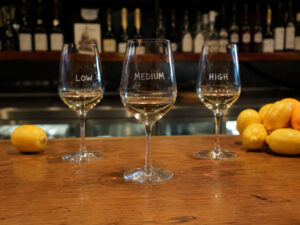
“Medium” can feel safe in blind tasting, but safe and sure are two differnet things. Here’s how to move beyond the middle with better benchmarks, side-by-side tasting, and a more repeatable structure.
(Learn to Taste or Refresh Foundations)
(Ask, Discuss, & Connect)
(Gain Tasting Confidence)
Join our totally free community, which includes:
Just submit your info to receive your invite!
By submitting, you are consenting to receive marketing emails from The Grape Grind, including much of the core educational content you’re specifically signing up for now. You can unsubscribe at any time.
Joining the free Grape Grind community means your wine tasting journey begins NOW!
STEP 1 of 2 – Fill this out:
After you click the button above, you’ll be asked to enter your email again to set up your free account. Please use this same email address to create your account.
By submitting, you are consenting to receive marketing emails from The Grape Grind, including much of the core educational content you’re specifically signing up for now. You can unsubscribe at any time.
Learn & improve your wine tasting skills for free!