Sylvaner
Make 2026 THE year.
Take 10% OFF your first 12 months of Tasting Group!
Code:
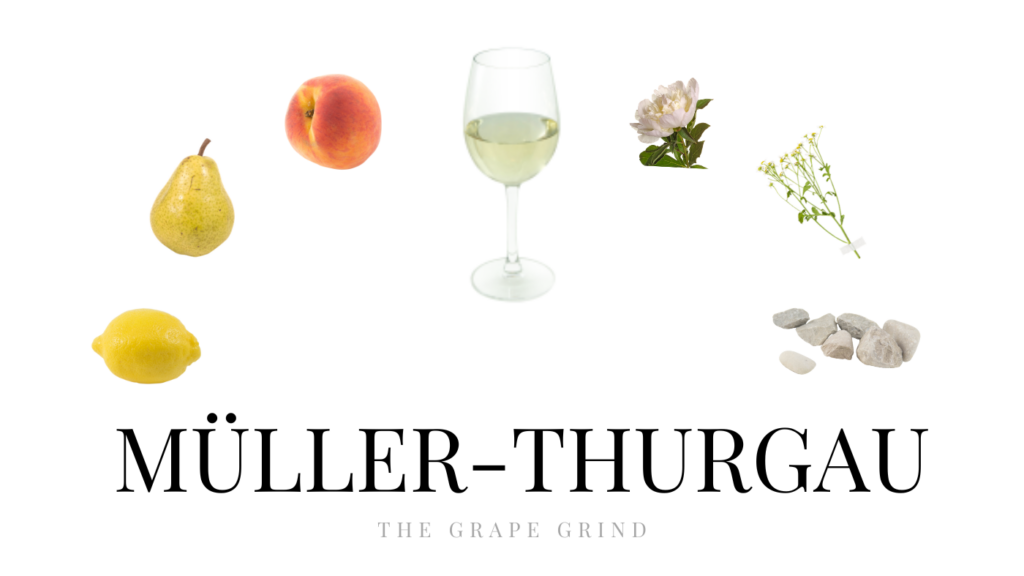
Müller-Thurgau is an early-ripening white grape created in 1882 by Dr. Hermann Müller of Thurgau. It is known for light to medium-bodied wines with moderate alcohol, low to medium acidity, and a gently aromatic profile built around floral and delicate fruit notes. It is widely associated with Germany, Austria, northern Italy, and Switzerland.
Its reputation has shifted over time. Müller-Thurgau was long seen as a reliable, high-yielding everyday grape, especially in inexpensive white wines, but quality-focused producers have shown it can also make crisp, characterful wines when yields are controlled and freshness is preserved.
A few more notes on Müller-Thurgau:
This guide walks through Müller-Thurgau’s aroma and flavor profile, structural traits, where it is grown, how it behaves at the table, and which grapes it is most often confused with.
Müller-Thurgau usually shows moderate aromatic intensity, soft acidity, and an easy-drinking feel. It is expressive without being forceful.
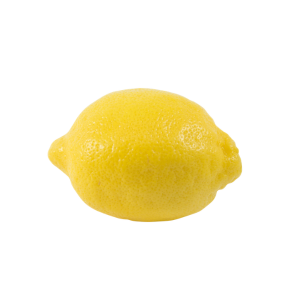
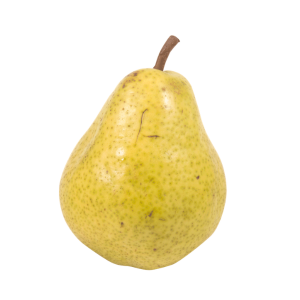
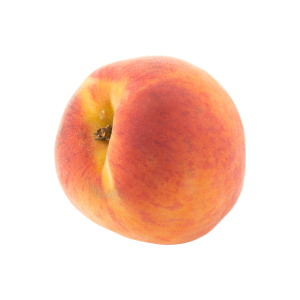
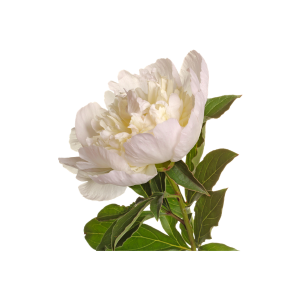
Its character often leans toward elderflower, citrus blossom, jasmine, and other delicate floral notes alongside light fruit.
Compared with sharper white varieties, Müller-Thurgau tends to feel smoother and softer on the palate, with light to medium body and moderate alcohol.
STANDARD TASTING NOTES: These are your benchmark exam-style tasting notes.
There is no “one size fits all” when it comes to structure for every grape, however, there IS a general range when it comes to body, acid, alcohol, and tannin for each. Below are general guidelines for classic representations. Growing conditions and winemaking techniques can impact each of the following.
Typical range: light to medium. Müller-Thurgau usually feels smooth and easy-drinking, though some quality-focused examples can show a little more weight.

Typical range: low to medium. Its acidity is usually softer than Riesling or Sauvignon Blanc, which gives the wine a rounder, gentler finish.

Typical range: 11 to 13% ABV, often around 11 to 12%. Alcohol is usually moderate and supports the grape’s light, balanced style.

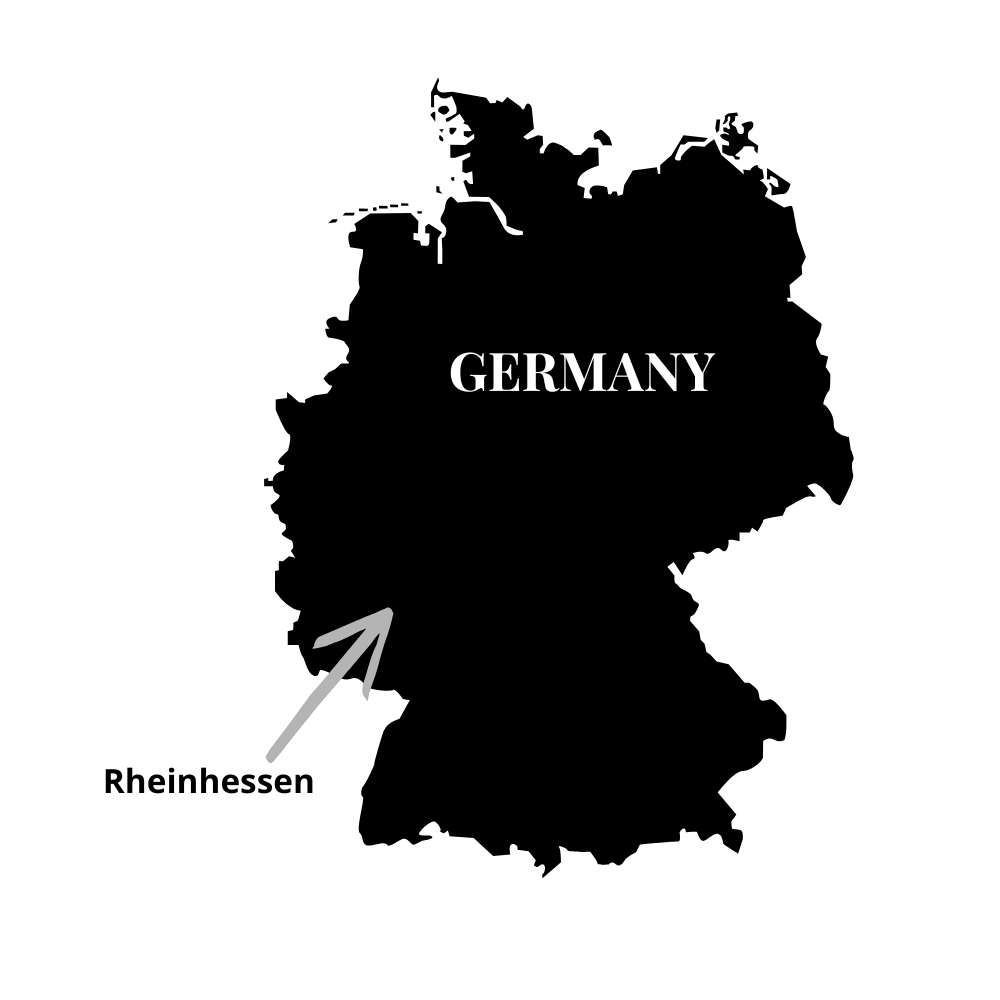
Rheinhessen and Baden
Müller-Thurgau was created in 1882 at the Geisenheim Grape Breeding Institute and spread quickly through German vineyards, eventually becoming Germany’s most-planted grape in the 1970s. It became closely tied to large-volume everyday white wine, but dry Rivaner styles are common today. Rivaner is a stylistic name for Müller-Thurgau that usually indicates a fresh, light, fruity, easy-drinking style of the wine vs complex and ageworthy. Rheinhessen often gives fruity, floral wines with lime zest, herbal notes, and occasional spice from loess and limestone soils. Baden, Germany’s warmest region, tends to produce riper, fuller examples with grapefruit, elderflower, and a softer structure.
Other important producing countries include higher quality exciting examples from Alto Adige in Italy, as well as Austria, Switzerland, and Luxembourg, with smaller plantings in England, New Zealand, and parts of Eastern Europe.
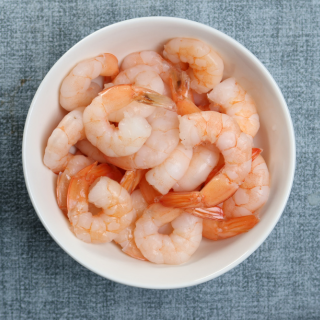
This works well because Müller-Thurgau is light-bodied, gently aromatic, and usually moderate in alcohol. Its citrus and floral notes lift delicate seafood, while its softer acidity keeps the pairing fresh without turning sharp.
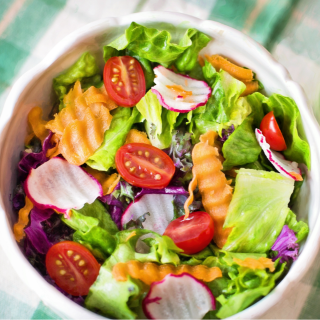
Vegetables can be tricky, but Müller-Thurgau’s herbal, floral, and orchard-fruit profile gives it a good shot. The wine’s moderate acidity and smooth texture also sit comfortably with a light vinaigrette.
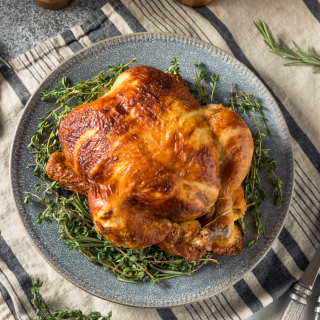
Roast chicken suits the grape’s light to medium body and moderate alcohol nicely. Lemon and herbs echo the wine’s citrus and floral side, and the wine has enough freshness to keep the dish from feeling heavy.
It generally shines with clean, delicate dishes rather than very rich or heavily spiced ones.
(common confusions)
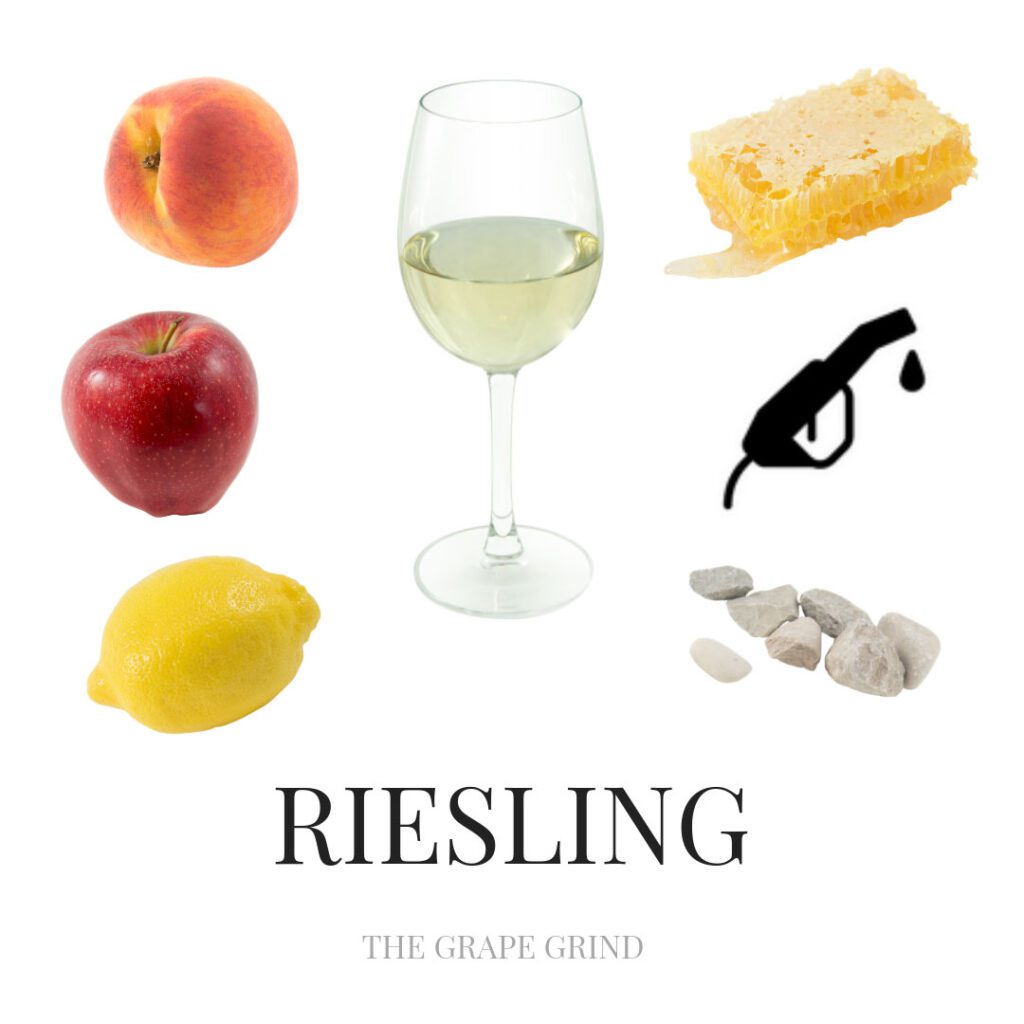
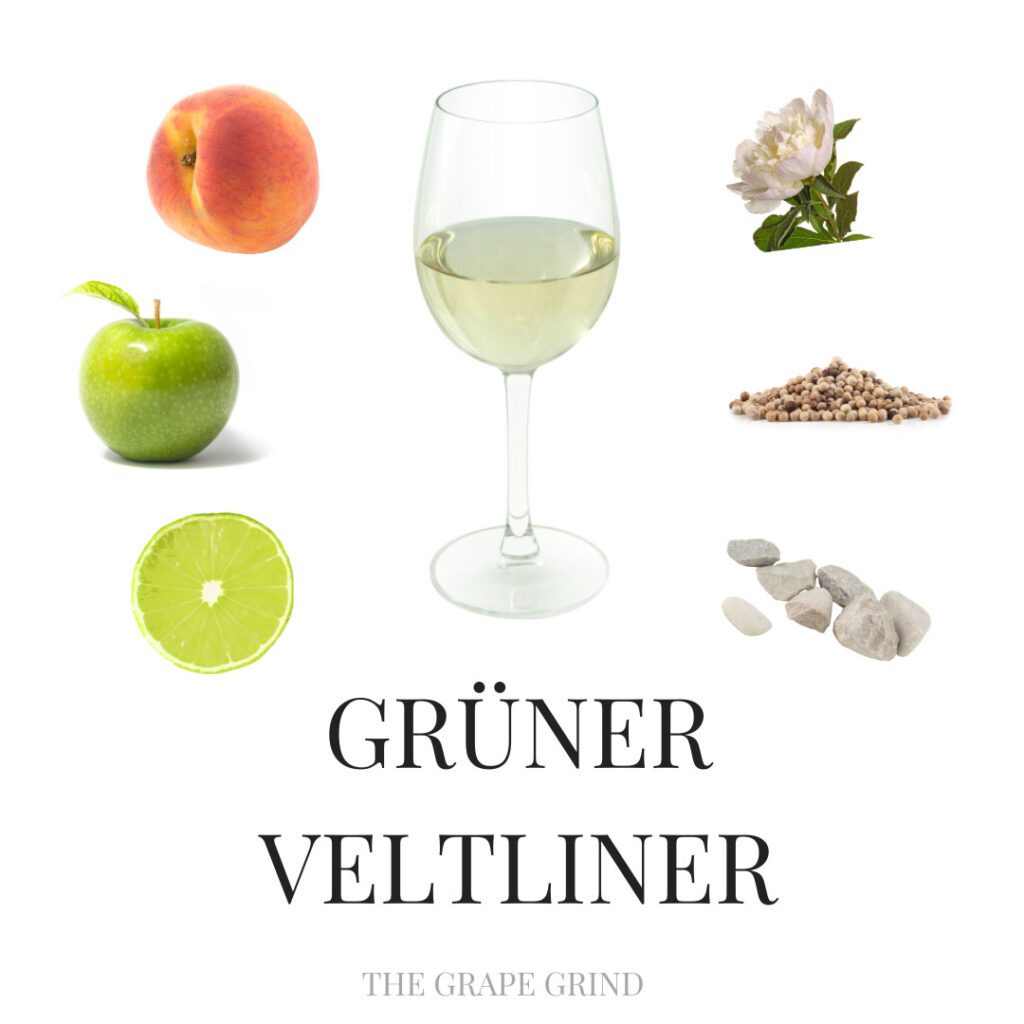
(Learn to Taste or Refresh Foundations)
(Ask, Discuss, & Connect)
(Gain Tasting Confidence)
Join our totally free community, which includes:
Just submit your info to receive your invite!
By submitting, you are consenting to receive marketing emails from The Grape Grind, including much of the core educational content you’re specifically signing up for now. You can unsubscribe at any time.
Joining the free Grape Grind community means your wine tasting journey begins NOW!
STEP 1 of 2 – Fill this out:
After you click the button above, you’ll be asked to enter your email again to set up your free account. Please use this same email address to create your account.
By submitting, you are consenting to receive marketing emails from The Grape Grind, including much of the core educational content you’re specifically signing up for now. You can unsubscribe at any time.
Learn & improve your wine tasting skills for free!