Sangiovese
Make 2026 THE year.
Take 10% OFF your first 12 months of Tasting Group!
Code:
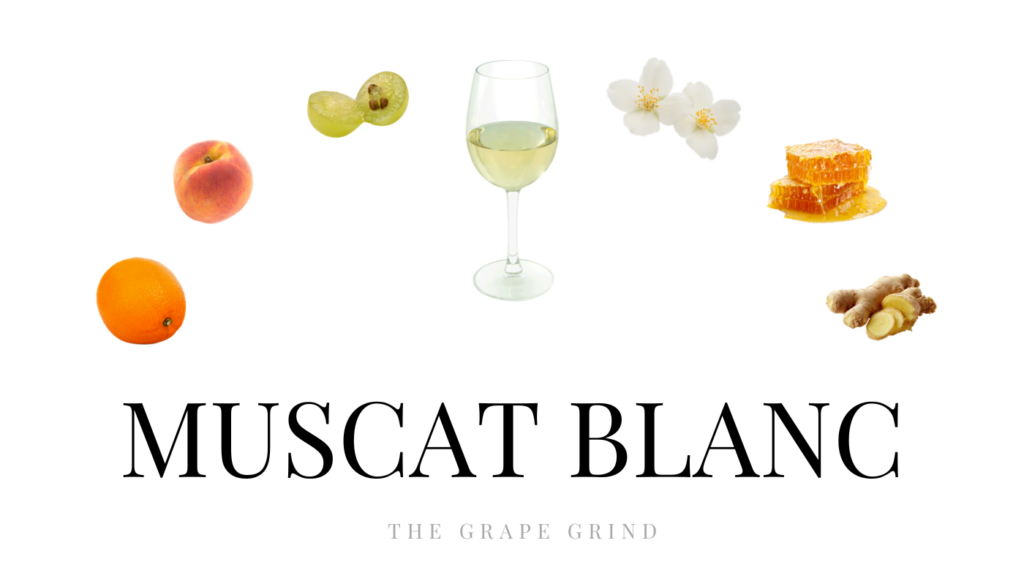
“Muscat” is the umbrella name for a large and diverse group of over 200 related grape varieties! Muscat Blanc, most often termed Muscat Blanc à Petits Grains is the oldest and most respected expression within that group. Muscat Blanc is also known as Moscato (the Italian term) which makes the wine style you probably know most of all Moscato d’Asti! Overall Muscat Blanc is a distinctly aromatic white grape with a long history in the Mediterranean and a remarkable ability to keep its identity across very different wine styles. It can appear dry, sweet, sparkling, fortified, or made from dried grapes, but the common thread is always perfume.
A few more notes on Muscat:
In this guide, we will look at Muscat’s aromas and flavors, how its structure usually shows up in the glass, where its most important expressions come from, what to pair with it, and which grapes it is most often confused with.
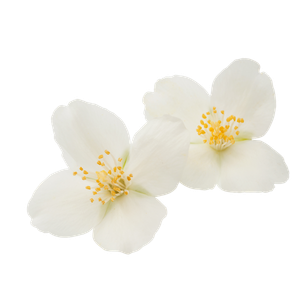
Muscat is defined by high aromatic intensity, with grape blossom, citrus blossom, rose, and fresh grape notes showing up again and again across styles.
The same grape can produce dry whites, lightly sparkling sweet wines, fortified wines, and dried-grape styles while still keeping a recognizable aromatic core.
Muscat responds strongly to site, canopy, ripening speed, and harvest timing, so vineyard balance plays a major role in preserving freshness and aromatic precision.
STANDARD TASTING NOTES: These are your benchmark exam-style tasting notes.

There is no “one size fits all” when it comes to structure for every grape, however, there IS a general range when it comes to body, acid, alcohol, and tannin for each. Below are general guidelines for classic representations. Growing conditions and winemaking techniques can impact each of the following.
Typical range: light to medium (+), though sweeter or fortified styles can become more full. In many dry and sparkling versions, Muscat feels aromatic first and weighty second.

Typical range: medium to high. Muscat often shows its best balance when acidity is preserved, especially in hillside or altitude-moderated sites where freshness keeps the perfume precise.

Typical range: medium (-) to high depending on style. Moscato d’Asti and Clairette de Die are relatively low, dry Muskateller is moderate, and fortified Muscat rises much higher.

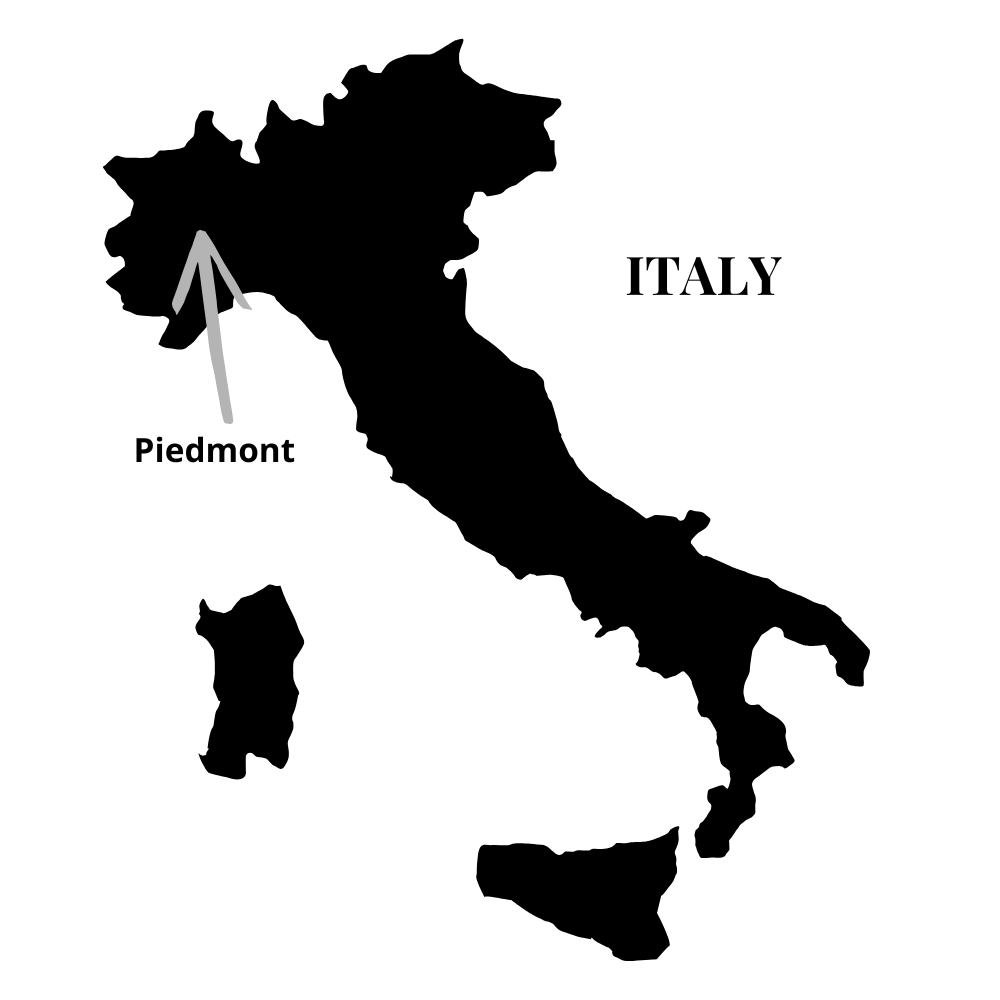
Piedmont
In Piedmont, Muscat appears as Moscato Bianco and is most famously expressed in Asti and Moscato d’Asti, which have become its most recognizable global styles. Piedmont’s role in Muscat’s identity comes from how deliberately the region shaped the grape around freshness, lift, and immediate aromatic pleasure rather than power or concentration.
The hilly landscapes of Langhe, Roero, and Monferrato provide the foundation for this expression, with altitude and slope helping preserve acidity in a naturally aromatic grape. Within this system, Canelli is especially important, it is widely considered the historic heart of Moscato production. Here, a mix of marine-origin sedimentary soils, varied exposures, and small-scale topographical differences helps intensify aromatics while maintaining finesse.
What makes Piedmont so defining for Muscat is the stylistic choice: instead of emphasizing richness or alcohol, winemakers focus on capturing the grape’s natural perfume in a lightly sparkling (frizzante) or fully sparkling (spumante) style, with low alcohol and a gentle, buoyant sweetness. This preserves the grape’s lift and makes the aromatics feel almost weightless.
Other important expressions appear in Greece where it remains central to the grape’s historical identity Beaumes-de-Venise and Clairette de Die in France, and in Steiermark and Niederösterreich in Austria, where Muscat can be fortified, sparkling, or dry.
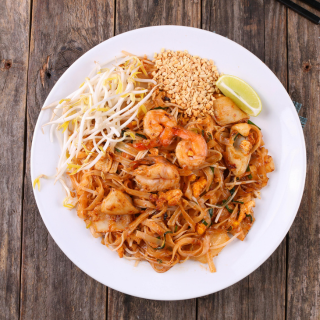
Dry or lightly sweet Muscat works well with lightly spicy Pad Thai dishes because its floral-citrus profile echoes aromatic ingredients, while modest tannin and moderate body avoid overwhelming delicate textures. A touch of sweetness can also soften heat nicely.
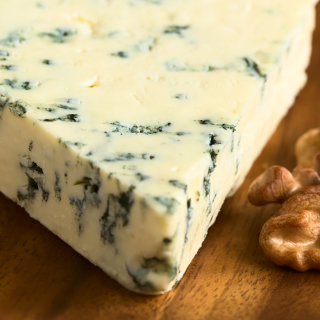
Fortified Muscat has the sweetness, alcohol, and fuller body to handle blue cheese. The salty richness of the cheese meets the wine’s preserved sweetness, while Muscat’s orange-blossom and stone-fruit aromas keep the pairing from feeling too dense.
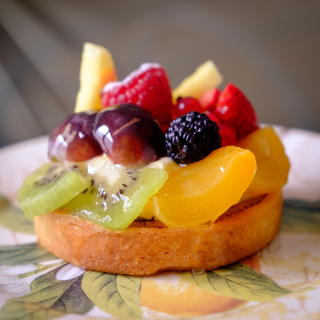
Lightly sparkling sweet Muscat pairs well with fruit tart because the wine’s sweetness matches the dessert without becoming heavy, and the bubbles keep the palate fresh. Peach, berry, or citrus-based tarts can pick up Muscat’s blossom and stone-fruit notes.
Match Muscat’s perfume first, then its sweetness and alcohol. That usually leads to better pairings than thinking about dessert alone.
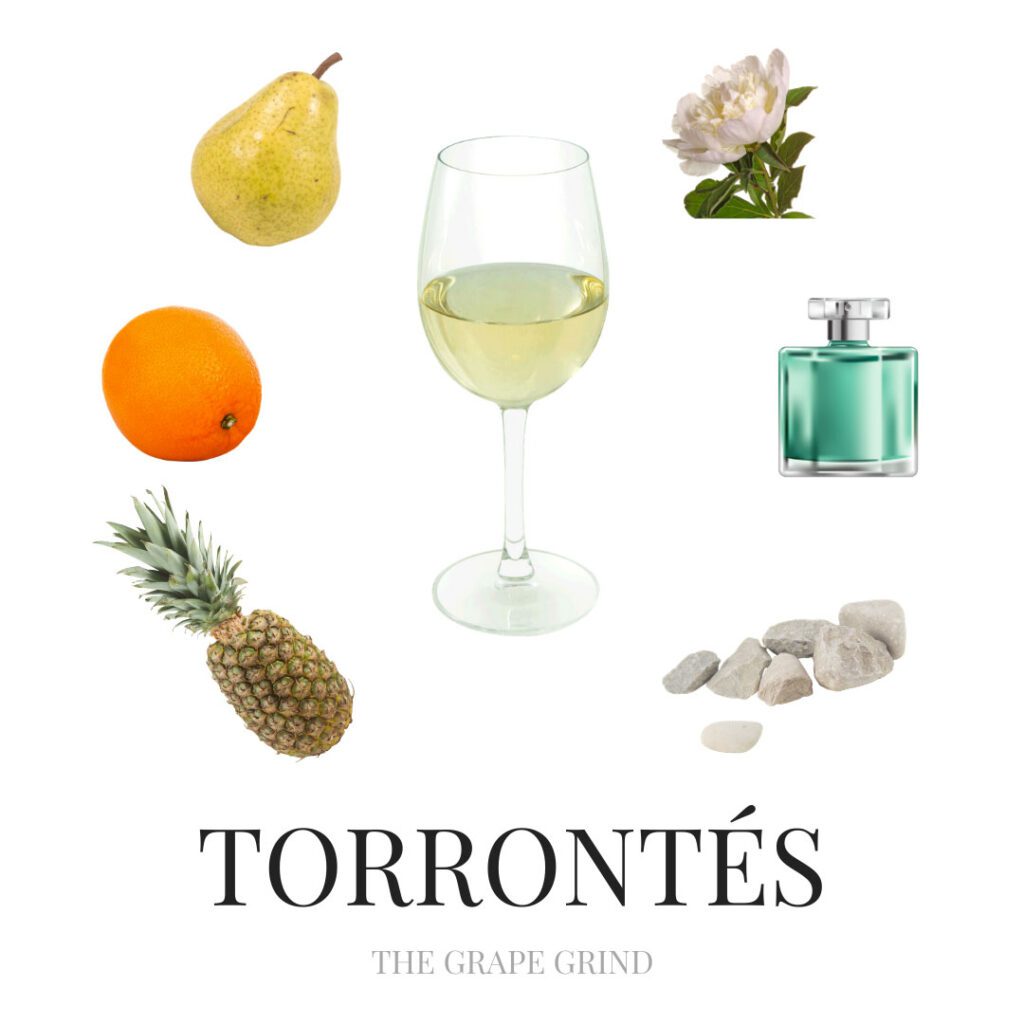
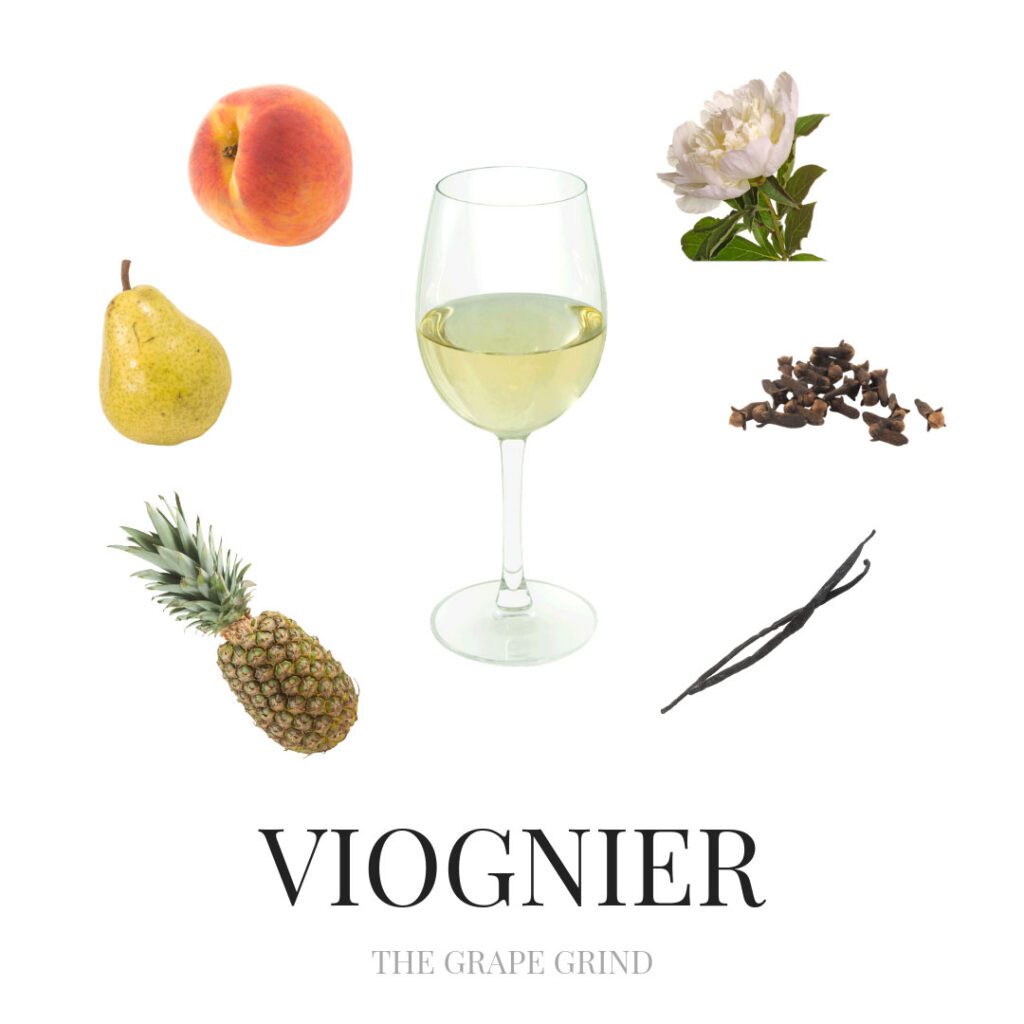
(common confusions)
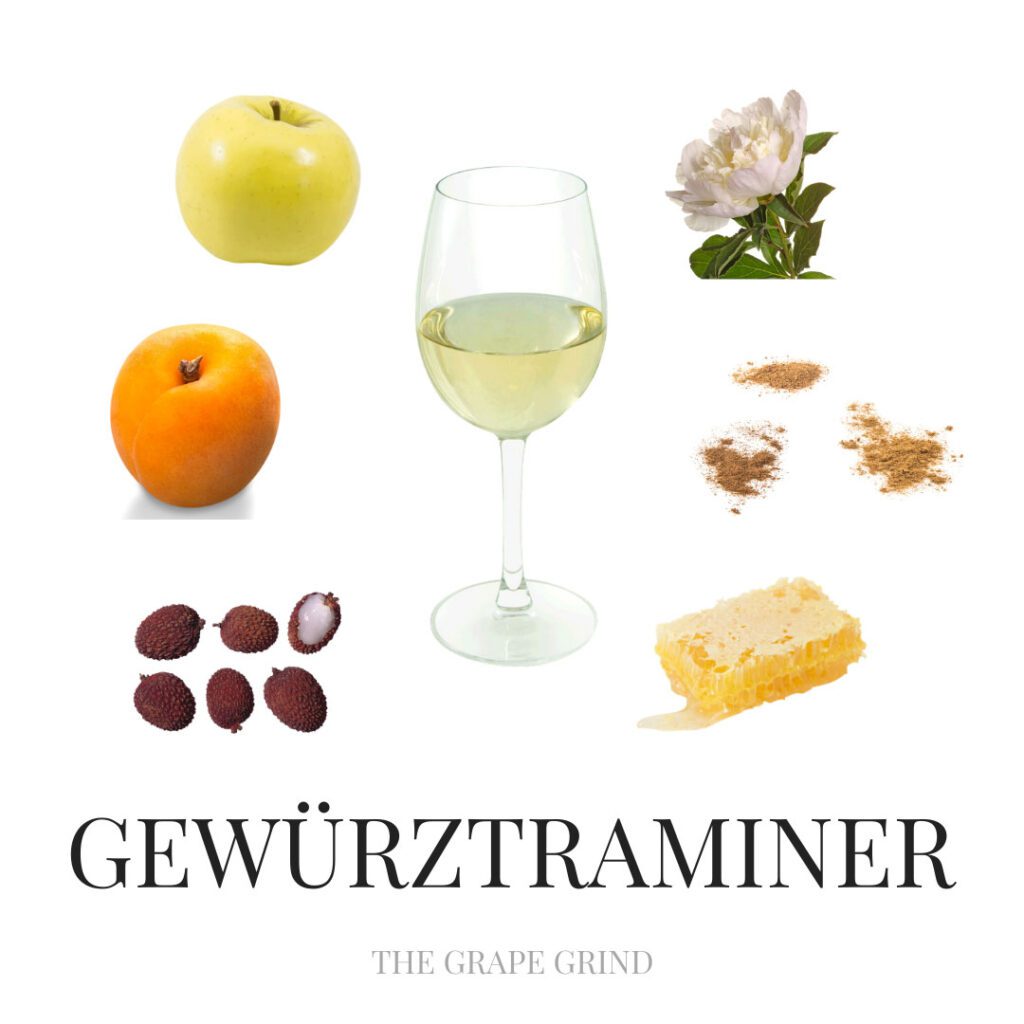
(Learn to Taste or Refresh Foundations)
(Ask, Discuss, & Connect)
(Gain Tasting Confidence)
Join our totally free community, which includes:
Just submit your info to receive your invite!
By submitting, you are consenting to receive marketing emails from The Grape Grind, including much of the core educational content you’re specifically signing up for now. You can unsubscribe at any time.
Joining the free Grape Grind community means your wine tasting journey begins NOW!
STEP 1 of 2 – Fill this out:
After you click the button above, you’ll be asked to enter your email again to set up your free account. Please use this same email address to create your account.
By submitting, you are consenting to receive marketing emails from The Grape Grind, including much of the core educational content you’re specifically signing up for now. You can unsubscribe at any time.
Learn & improve your wine tasting skills for free!