Calibration vs. Intuition: The Skill Tasters Need Most
Intuition has a place in wine tasting, but blind tasting under pressure asks for something more reliable. Here’s why calibration matters more than guesswork, and how serious tasters build it.
Make 2026 THE year.
Take 10% OFF your first 12 months of Tasting Group!
Code:
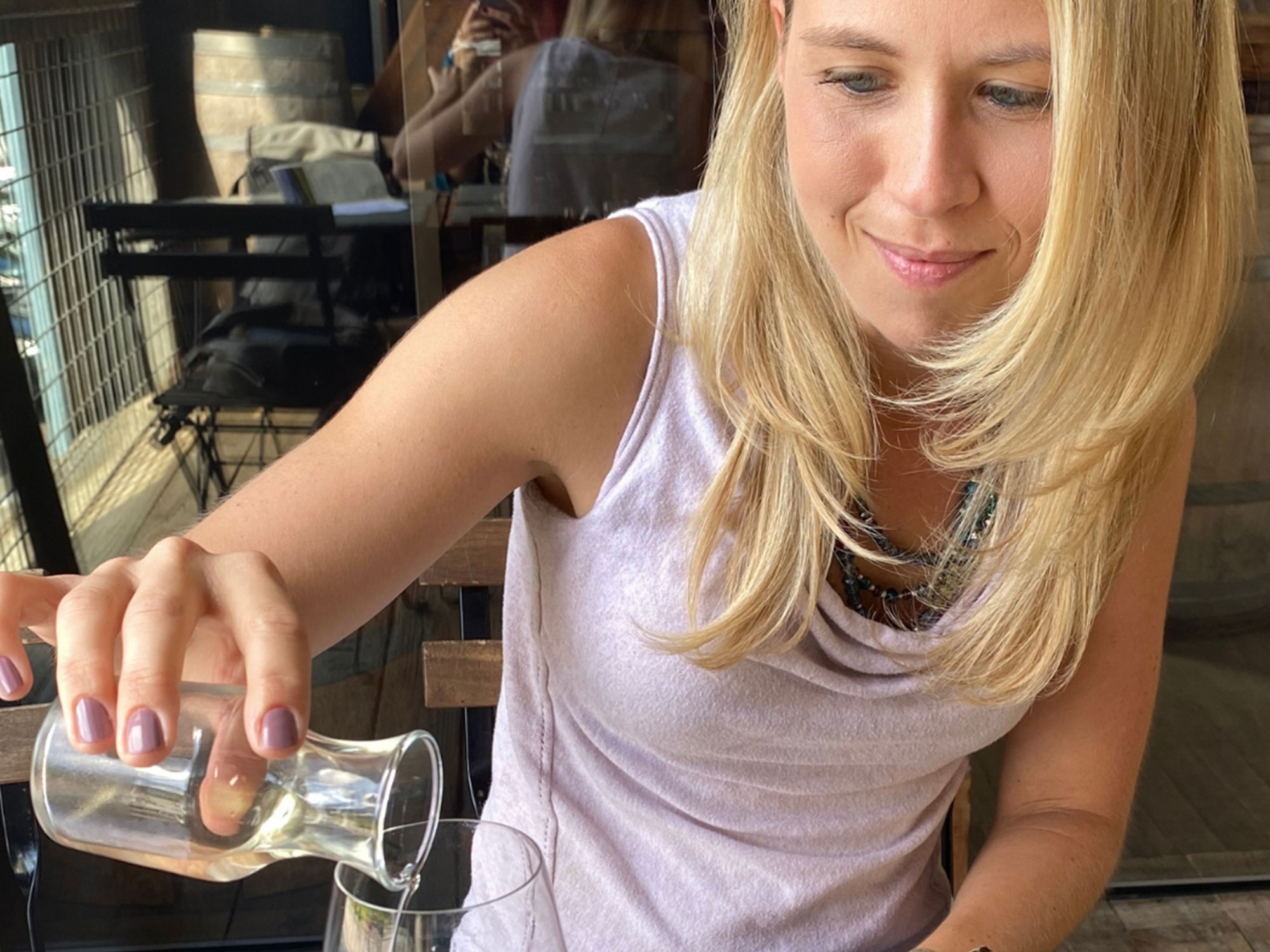
Something I’ve noticed in almost every tasting session we run, whether it is an open-label flight or a blind tasting practice session. Someone will taste a wine at the start and have a strong reaction, positive or negative. Then, twenty minutes later, they will mention that the wine has changed…It opened up, it softened. They are noticing things now that were not there before.
A very relatable experience in wine. Most people chalk it up to the wine “opening up” and move on, but there is actually quite a bit happening, both in the glass and in your own perception, so let’s unpack it!
The first sip is always the freshest sip, and the most uncalibrated one.
Your palate has no frame of reference yet. It has not adjusted to this wine’s acid level, its tannin, its alcohol, or its aromatic profile, so everything can feel more pronounced than it actually is. Acidity can seem sharper. Tannins can feel more aggressive. Alcohol can register as hotter. Even sweetness and fruit can stand out in ways that feel exaggerated.
We notice this especially when a group moves from white wines to red wines in a tasting lineup, especially. The first red after a series of whites can feel shocking.
Moving into the second and third sip your palate begins to adjust. Those first impressions… sharp acidity, grippy tannin, or the warmth of alcohol, often feel less intense after repeated exposure. This is called sensory adaptation.
Your senses are not getting worse, and your palate is not “going numb.” They are doing exactly what they are designed to do: stop overreacting to a consistent stimulus and allow you to start reading it more accurately.
At the same time, your brain starts recognizing patterns.
As you study wine and build sensory memory, your brain begins sorting what you experience into familiar categories: fruit, oak, earth, acid, structure. Instead of reacting to the wine, your brain starts comparing it to what you already know. This is why wine often becomes easier to understand with practice.
This is one reason professionals do not judge a wine from a single sip. One sip does not give your palate enough time to settle. Multiple sips, let your palate calibrate, and then make your assessment.
There is also the role of saliva. The first sip stimulates saliva production, especially because of the wine’s acidity. That saliva slightly dilutes the wine and changes how compounds interact with your taste receptors. As saliva production stabilizes over subsequent sips, acidity and alcohol may feel less intense.
(Individual saliva composition also varies from person to person, which is part of why the same wine can taste different to two people tasting side by side!)
Tannin is another great example of this interaction. Tannins bind with proteins in your saliva, reducing the lubrication in your mouth and creating that drying, grippy sensation. A wine might feel smooth on the first sip and noticeably more structured by the third or fourth.
Varieties like Syrah often show this progression clearly to me, while varieties like Nebbiolo and Cabernet Sauvignon often announce their tannin more immediately.
The takeaway? Give the wine time. A single sip is a snapshot. Multiple sips give your palate a chance to adjust and reveal the wine more accurately.
While your palate is adapting, the wine itself is changing too.
Oxygen exposure is one of the reasons a wine can seem different from the first pour to the end of the tasting. As the wine sits in the glass, aroma compounds become easier to perceive. Fruit may become more expressive. Floral notes can emerge. Herbal or savory characteristics can become easier to identify.
You are not imagining more complexity. The wine is actually evolving, and more aromatic compounds are becoming available for you to smell!
This is the same reason we aerate or decant certain wines. The goal is not to “improve” the wine, but to give those aromas and flavors a chance to open up before we evaluate it.
This is also where reductive aromas come into play. Sometimes a wine can seem a little strange right after opening, maybe you notice struck match, rubber, or sulfur-like aromas. These are called reductive aromas, and they are not automatically a sign of a flawed wine. In many cases, a little air exposure allows those aromas to blow off and reveals what was underneath.
If you have ever smelled a wine right after opening and thought, “I’m not sure about this,” then came back ten or fifteen minutes later and found it much more expressive, you may have experienced this in action!
Tannins can change with oxygen exposure as well. Over time, oxygen helps tannins integrate, which can make the texture feel smoother and less angular. The effect is much more noticeable over months or years of aging, but even during a tasting you may notice a wine becoming a little more balanced as it sits in the glass.
Temperature can completely change how a wine shows.
A wine poured straight from the refrigerator is going to be a very different experience than that same wine twenty minutes later as it warms up in the glass.
Cold temperatures slow down the release of aroma compounds, which means fewer of those compounds reach your nose. The result? A wine can seem closed, muted, or less expressive. Acidity often feels sharper when a wine is very cold, even though the actual amount of acid in the wine has not changed. Tannins can also feel firmer and more noticeable.
This is why a red wine served too cold can sometimes come across as harsh, bitter, or overly structured. It may not be that the wine lacks balance — it may simply not be showing its full personality yet.
As the wine warms in the glass, things start to open up. Fruit becomes easier to identify, aromas become more noticeable, tannins can feel a little softer, and the wine often feels more complete.
This is not the wine changing into something else. It is the same wine, but your ability to perceive its components is changing because temperature affects how those compounds behave.🙂
The takeaway? If a wine seems muted, overly sharp, or more aggressive than expected, temperature might be part of the reason!
It is not only about the wine you are currently tasting. What came before can affect what you get!
Coffee, food, spicy dishes, brushing your teeth, a previous wine in the lineup. All of these can affect your initial perception of the next wine. A white wine followed by a red wine is a particularly dramatic example. The shift in weight, tannin, and temperature can make that first red seem almost confrontational. But it is partly the contrast, not just the wine itself.
Wildly, stress and distraction can also influence perception. A tasting done while rushed or anxious will often feel less accurate than one done with attention and calm. This is not a minor point. Decision-making under uncertainty is already difficult in blind tasting. Adding environmental noise makes it harder.
Context shapes perception more than you might expect!
You do not need a complicated system to apply this.
Taste, pause, revisit.
After your first sip, make a quick note of what you are getting. Acid, tannin, fruit, any obvious aromas. Then set the glass down and wait a few minutes. Come back and taste again. Has the fruit opened? Has the tannin softened? Are there aromas now that were not there before?
If the wine seems closed or harsh, give it ten to twenty minutes when you can. Revisit it. Ask yourself whether what changed was in the wine, in your palate, or both.
| Factor | What You Might Notice Early | What May Change Later |
|---|---|---|
| Acidity | Sharper, more prominent | Softens slightly as saliva production increases |
| Tannin | Grippy or aggressive | May feel smoother; accumulates with each sip |
| Alcohol | Can register as hot | Less prominent as palate adapts |
| Fruit | May seem muted or exaggerated | Often more expressive with oxygen and warmth |
| Floral notes | May be hard to detect | Can emerge as wine warms and opens |
| Reductive notes | Sulfur, struck match, rubber | Often blow off with air exposure |
| Temperature | Tight, closed, less aromatic | More expressive, fuller as wine warms |
| Palate adaptation | Uncalibrated, reactive | More settled, better able to read structure |
| Observation | First Sip | Later Sips | Notes |
|---|---|---|---|
| Aroma intensity | Often lower or uneven | Typically increases with oxygen and warmth | Note specific changes |
| Structure | Can feel exaggerated | More readable after palate adapts | Acid, tannin, alcohol all affected |
| Finish | May feel sharp or short | Often longer and more integrated | Tannin and oak can integrate |
| Overall balance | Harder to assess | Clearer once wine and palate settle | Avoid final judgment too early |

Before you judge the wine, do this:
The more you taste, the more you start to notice these little shift, not just in the wine, but in how you experience it.
If you want a place to practice this kind of tasting, come join us inside The Tasting Room. It’s our free community space for wine lovers who want to learn, taste, ask questions, and build confidence without feeling like they have to know all the answers already.
Inside, you’ll find free lessons, tasting challenges, and a community of people who are curious about wine and learning together.
Becoming a better taster is not about getting everything right on the first sip. It’s about slowing down, paying attention, and learning how to notice what a wine is telling you.
Give it a few sips before you decide!
Intuition has a place in wine tasting, but blind tasting under pressure asks for something more reliable. Here’s why calibration matters more than guesswork, and how serious tasters build it.
Explore the pros and cons of screwcaps and corks in the world of wine.
Rediscover vermouth’s rich history, styles, and how to serve it as a vibrant sipping wine, not just a cocktail enhancer.
(Learn to Taste or Refresh Foundations)
(Ask, Discuss, & Connect)
(Gain Tasting Confidence)
Join our totally free community, which includes:
Just submit your info to receive your invite!
By submitting, you are consenting to receive marketing emails from The Grape Grind, including much of the core educational content you’re specifically signing up for now. You can unsubscribe at any time.
Joining the free Grape Grind community means your wine tasting journey begins NOW!
STEP 1 of 2 – Fill this out:
After you click the button above, you’ll be asked to enter your email again to set up your free account. Please use this same email address to create your account.
By submitting, you are consenting to receive marketing emails from The Grape Grind, including much of the core educational content you’re specifically signing up for now. You can unsubscribe at any time.
Learn & improve your wine tasting skills for free!