Verdejo
Make 2026 THE year.
Take 10% OFF your first 12 months of Tasting Group!
Code:
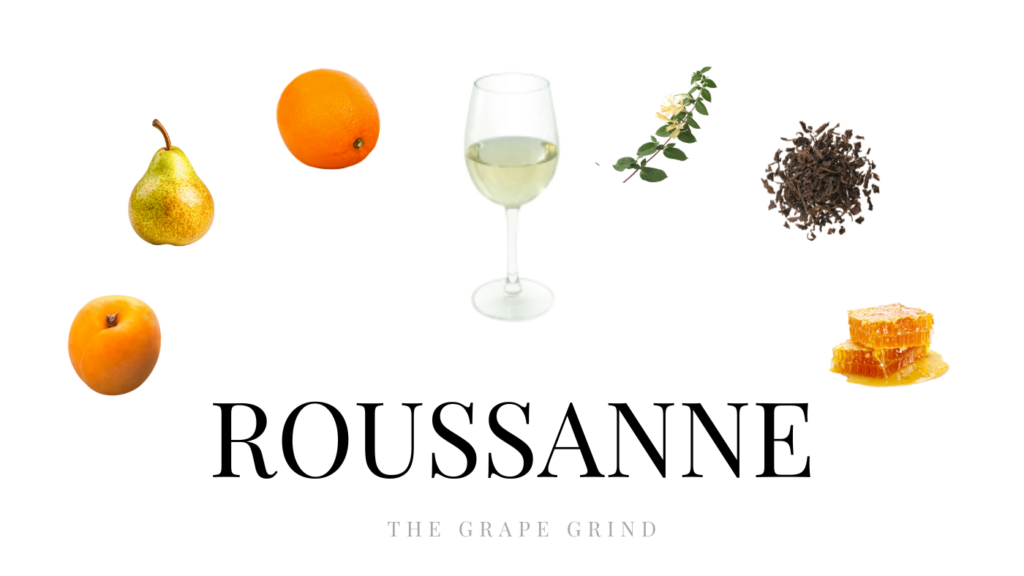
Roussanne is a white grape variety with deep roots in the Rhône Valley. It is known for dry wines with moderate-to-full weight, floral and stone-fruit aromatics, honeyed and slightly herbal notes, and a strong textural signature that can feel smooth, creamy, or faintly waxy.
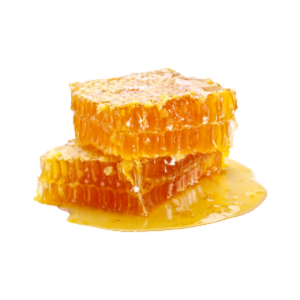
Its reputation comes from the way fragrance and structure meet in the wine. Roussanne can be elegant and fine when young, then move toward dried fruit, honey, nuts, and beeswax with age.
A few more notes on Roussanne:
In this guide, we will look at Roussanne’s aromas and flavors, how its structure usually feels, where it comes from, what to pair with it, and which grapes it is most often compared with.
Roussanne often stands out for its broad texture, moderate-to-full body, and faintly waxy or creamy feel.
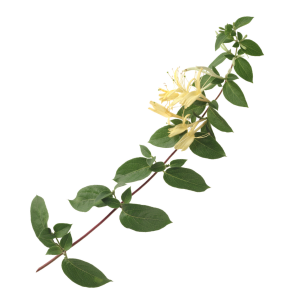
Its classic profile often includes white flowers such as honeysuckle, hawthorn, and iris, giving the wine lift without making it feel overtly aromatic.
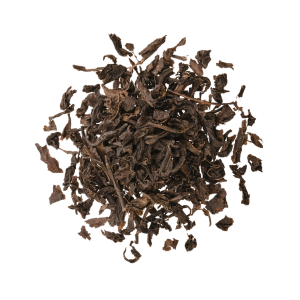
Young wines can show stone fruit, herbs, and honey, then develop toward dried fruit, nuts, beeswax, and spice with age.
STANDARD TASTING NOTES: These are your benchmark exam-style tasting notes.
There is no “one size fits all” when it comes to structure for every grape, however, there IS a general range when it comes to body, acid, alcohol, and tannin for each. Below are general guidelines for classic representations. Growing conditions and winemaking techniques can impact each of the following.
Typical range: medium to full. Roussanne usually feels broad through the mid-palate, with substantial volume and a smooth, sometimes slightly oily texture.

Typical range: medium to medium (+). The acidity frames the wine rather than drives it, helping balance the grape’s richness without making it feel sharp or cutting.

Typical range: moderate to high. Alcohol can rise easily in warmer sites or riper styles, though the grape’s extract often helps carry that weight.

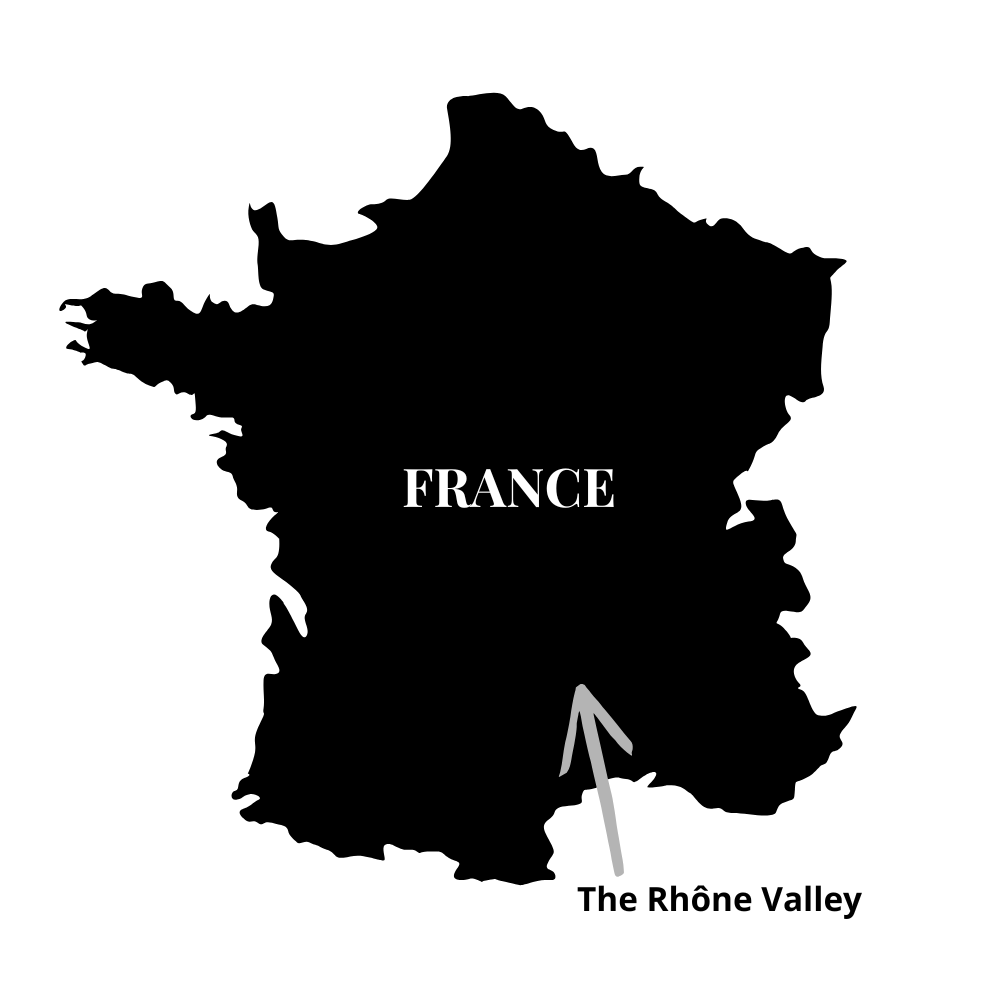
Northern Rhône, Châteauneuf-du-Pape
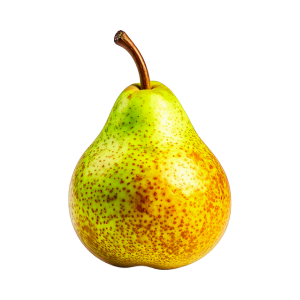
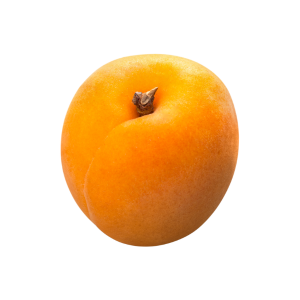
Roussanne’s spiritual home is the Northern Rhône Valley, particularly the appellations of Hermitage, Crozes-Hermitage, Saint-Joseph, and Saint-Péray, where it has been grown alongside Marsanne for centuries. The warm, sunny climate allows Roussanne to fully ripen and develop its signature aromas of honeysuckle, pear, and apricot, while the region’s granite slopes and cooling Mistral winds help preserve freshness and balance. Although growers often describe Roussanne as challenging to cultivate due to its susceptibility to disease and uneven ripening, they continue to prize it for the complexity, perfume, and elegance it brings to Rhône white wines.
While Roussanne reached fame in the Northern Rhône, it also thrives in the warmer Southern Rhône, especially in Châteauneuf-du-Pape. Here, the region’s famous rounded stones (galets roulés) absorb heat during the day and release it at night, helping the grape achieve full ripeness. Southern Rhône Roussanne tends to be richer and more opulent. It is often blended with Grenache Blanc, Clairette, and Bourboulenc, but some producers bottle varietal Roussanne to showcase its luxurious texture and aromatic complexity.
Other important expressions appear in The USA (Paso Robles and Santa Barbara), Australia, including Yarra Valley, McLaren Vale, and Canberra District, where producers have explored both varietal bottlings and Rhône-style blends.
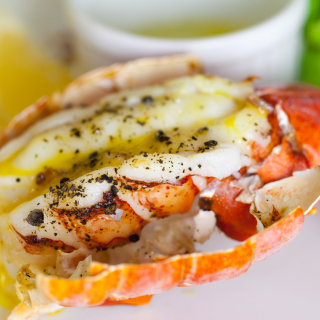
Roussanne’s rich texture and body can stand up to the sweetness and richness of lobster, while its natural acidity keeps the pairing from feeling heavy. The wine’s honeyed, nutty, and floral notes often echo the browned butter flavors beautifully.
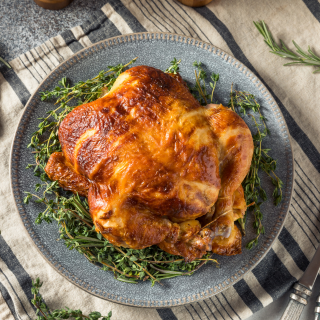
Roussanne’s combination of ripe fruit, floral aromas, and subtle herbal character makes it a natural match for roasted chicken seasoned with thyme, rosemary, or sage. The wine has enough weight for the crispy skin and enough freshness for the juicy meat.
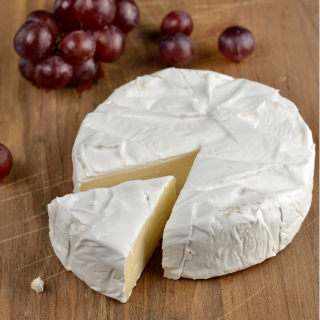
The creamy texture of rich cheeses mirrors Roussanne’s silky mouthfeel, while the wine’s acidity cuts through the richness. As Roussanne ages and develops notes of honey, nuts, and beeswax, the pairing becomes even more complex and rewarding.
Richer fish, poultry, mushrooms, and autumn vegetables are often a good place to start with this grape.
(common confusions)
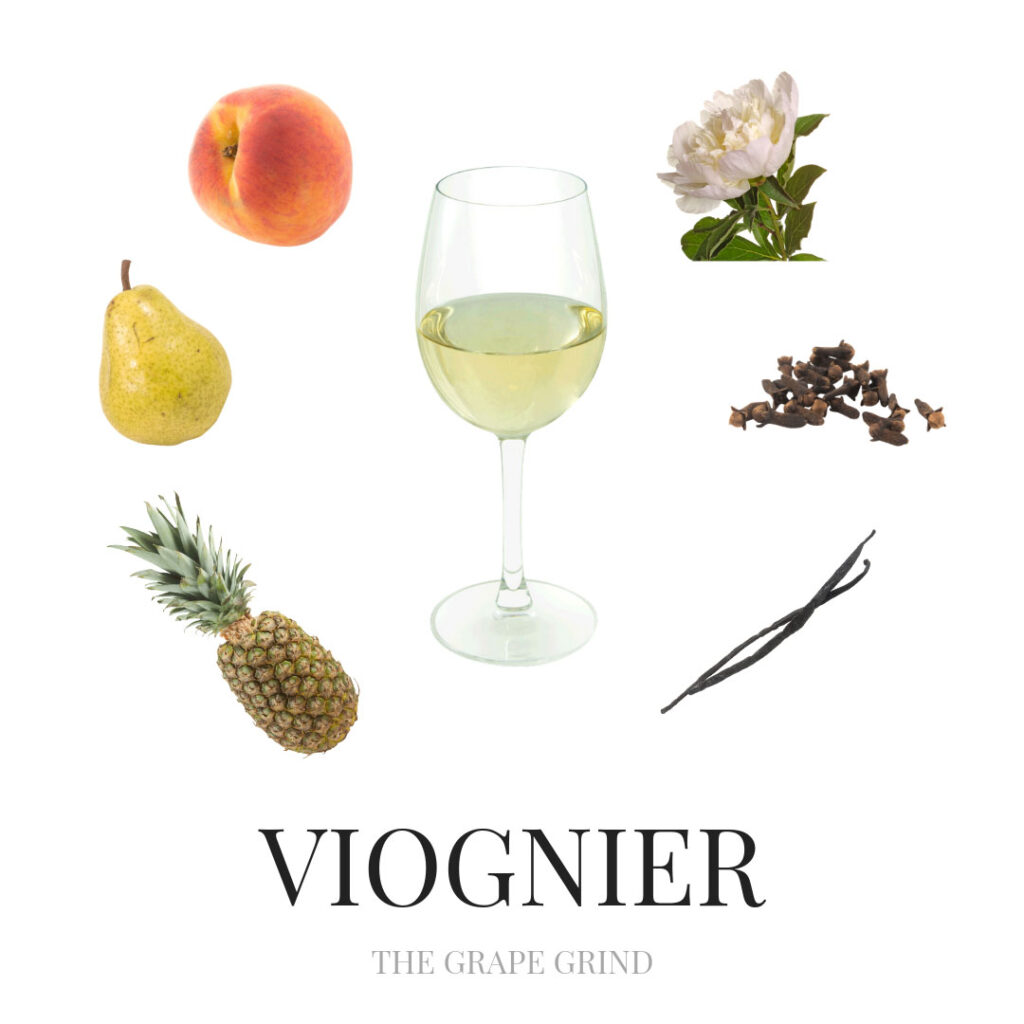
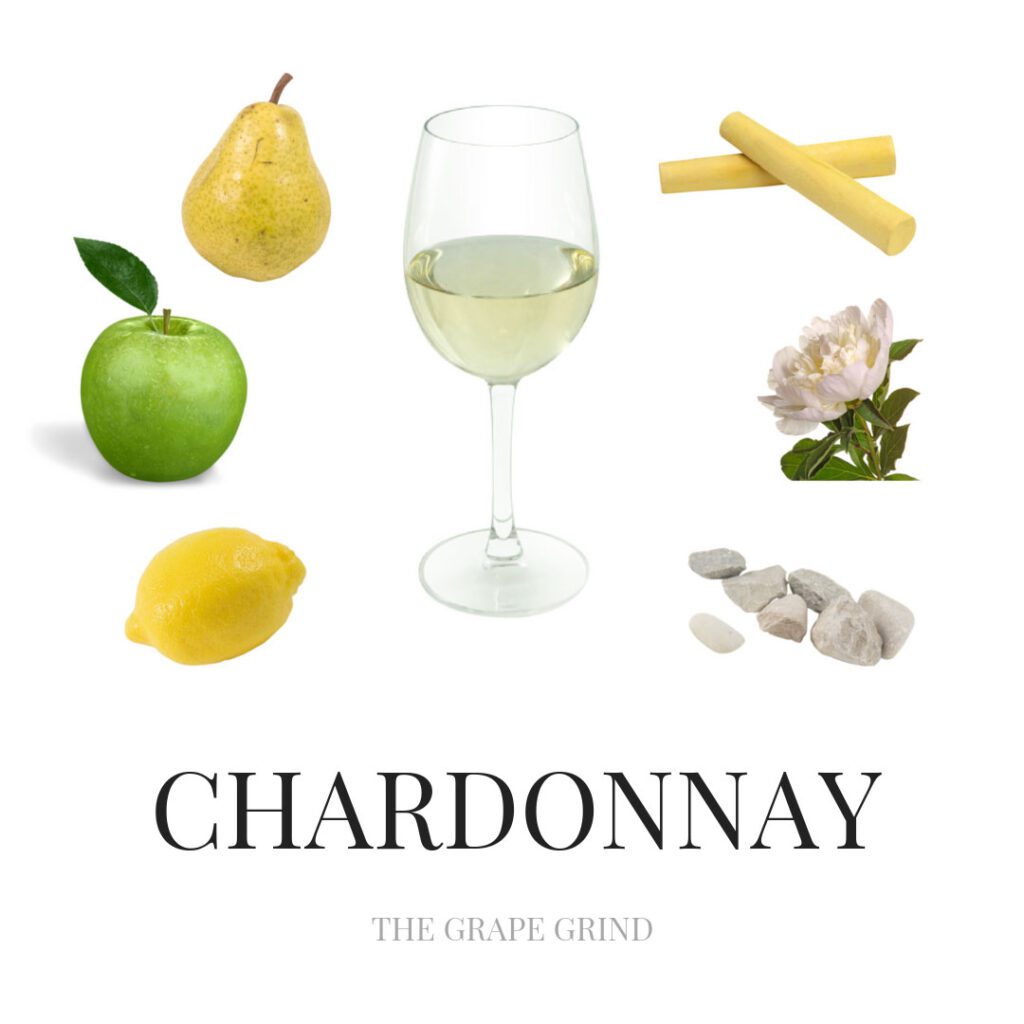
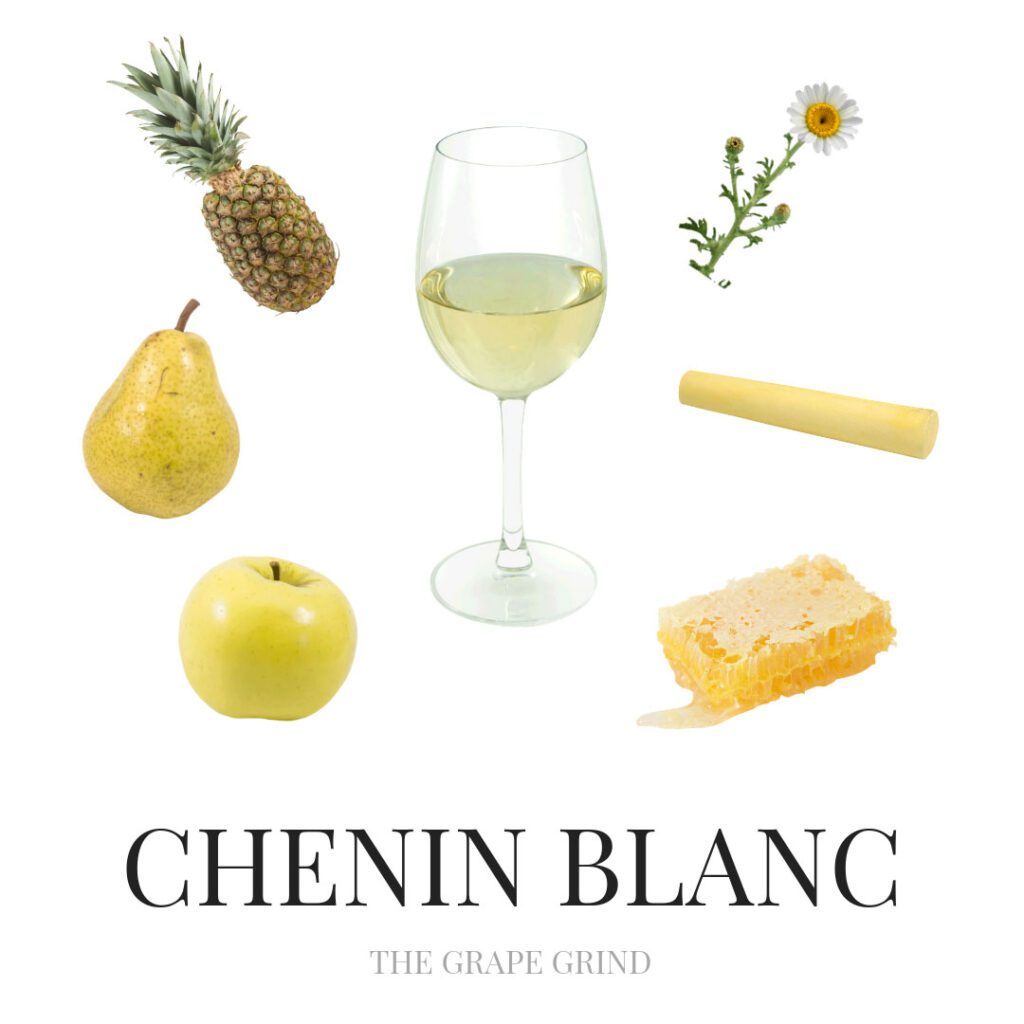
(Learn to Taste or Refresh Foundations)
(Ask, Discuss, & Connect)
(Gain Tasting Confidence)
Join our totally free community, which includes:
Just submit your info to receive your invite!
By submitting, you are consenting to receive marketing emails from The Grape Grind, including much of the core educational content you’re specifically signing up for now. You can unsubscribe at any time.
Joining the free Grape Grind community means your wine tasting journey begins NOW!
STEP 1 of 2 – Fill this out:
After you click the button above, you’ll be asked to enter your email again to set up your free account. Please use this same email address to create your account.
By submitting, you are consenting to receive marketing emails from The Grape Grind, including much of the core educational content you’re specifically signing up for now. You can unsubscribe at any time.
Learn & improve your wine tasting skills for free!