Carignan
Make 2026 THE year.
Take 10% OFF your first 12 months of Tasting Group!
Code:
Xinomavro is a red grape variety from northern Greece, known for its firm structure and unmistakably savory character. It produces wines that are often pale in color but intense in acidity and tannin, with flavors that delight with age.
It has a reputation for being demanding in both the vineyard and the cellar, yet it is also one of Greece’s most respected and ageworthy red grapes. Most examples come from cooler inland regions where long growing seasons allow slow ripening.
A few more notes on Xinomavro:
This guide walks through how Xinomavro typically tastes, how its structure shows up on the palate, where it comes from, what foods suit it best, and which other grapes it is most often compared to.
Xinomavro is driven by high acidity and firm tannin. Even when the body is moderate, the wine feels intense and architectural, with a shape that stands out more than sheer weight.
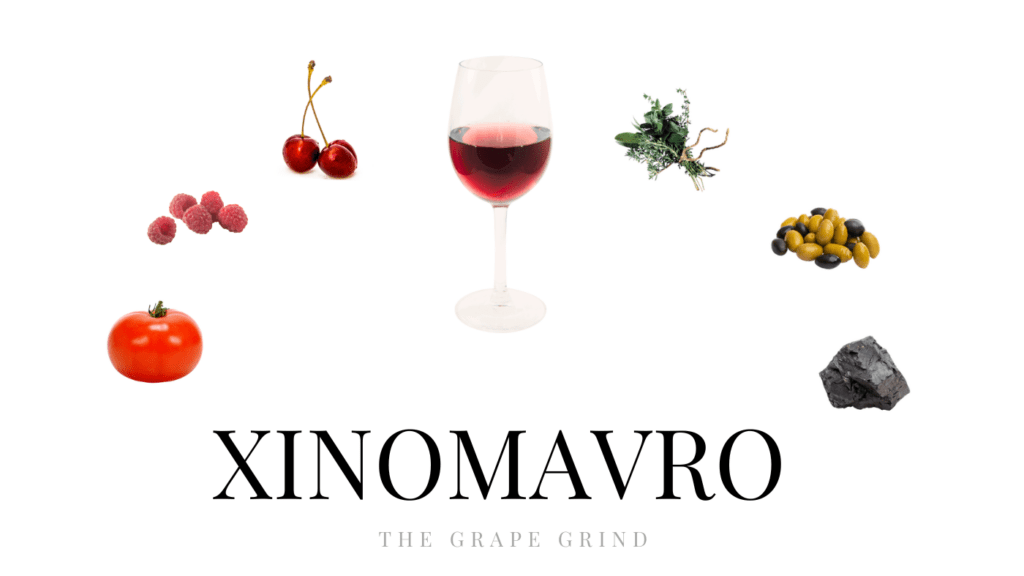
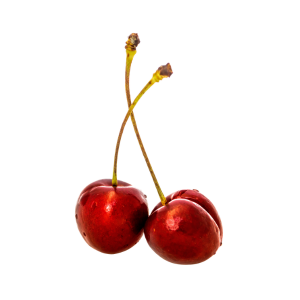
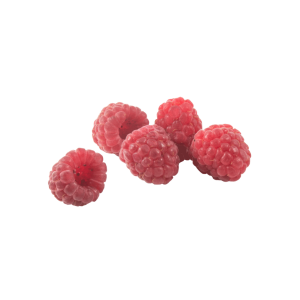
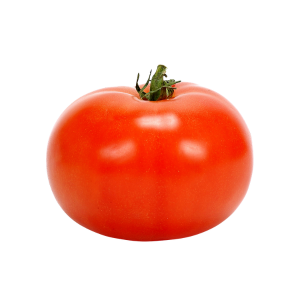
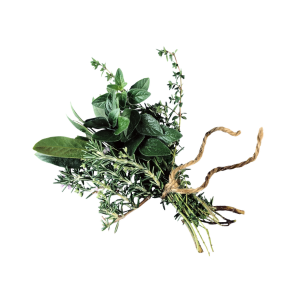
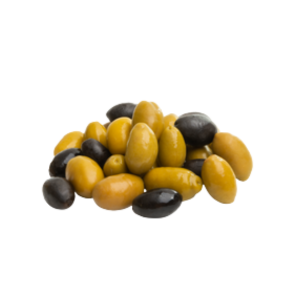
Alongside fruit, Xinomavro regularly shows non-fruit flavors like dried herbs, tomato, and olive. These savory notes are central to its identity and become more pronounced with age.
This grape is built for the long term. Its acidity and tannin allow many wines to evolve slowly, shifting from sharp and tight in youth to complex and layered over time.
STANDARD TASTING NOTES: These are your benchmark exam-style tasting notes.
There is no “one size fits all” when it comes to structure for every grape, however, there IS a general range when it comes to body, acid, alcohol, and tannin for each. Below are general guidelines for classic representations. Growing conditions and winemaking techniques can impact each of the following.
Xinomavro typically sits in the medium to medium plus range. It rarely feels heavy, but tannin and acidity can make it seem more powerful than its weight suggests.

Acidity is one of its defining traits. The palate often feels taut and mouthwatering, which keeps the wine lively and supports long aging.

Alcohol usually falls in a moderate to moderately high range. It supports the structure without adding sweetness or softness.

Tannin is firm and often assertive, especially in younger wines. With time, it can soften into a finer, more integrated texture.
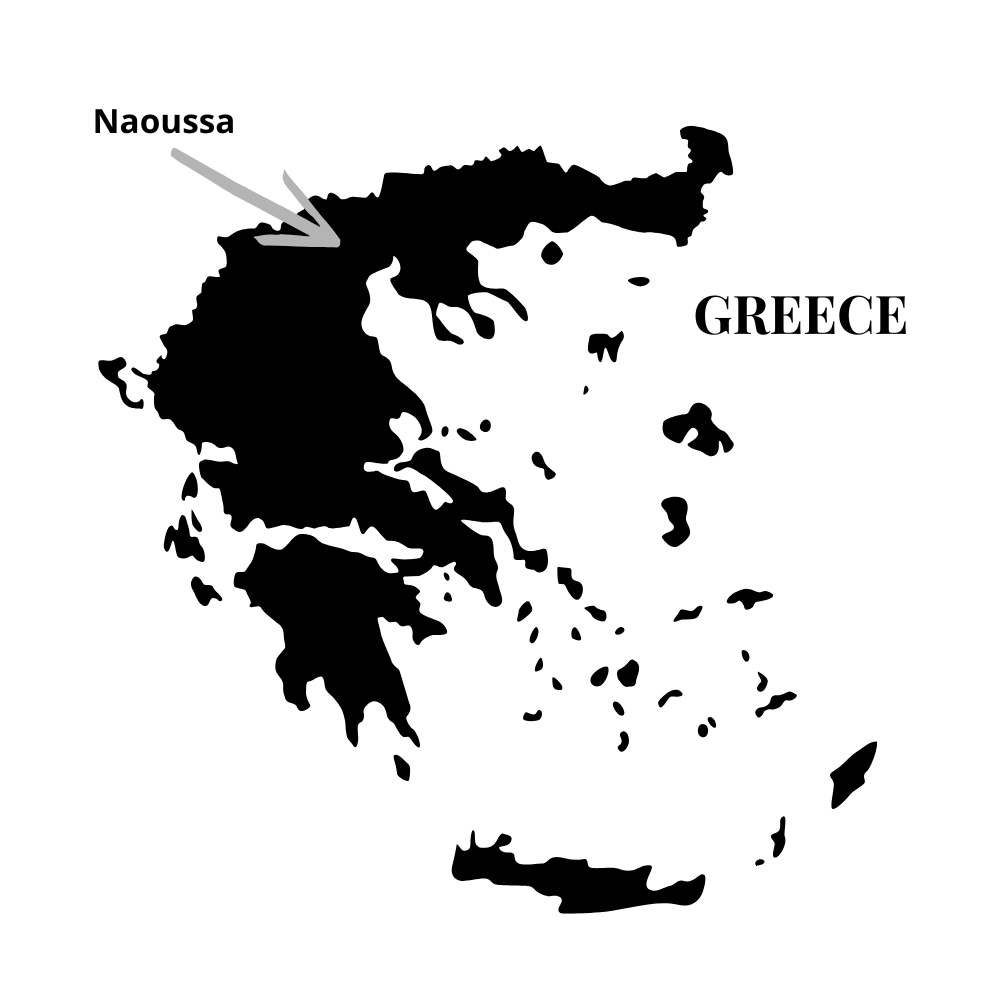
Naoussa, Amyndeon
Naoussa is the historical heart of Xinomavro. Wines from this region are typically structured and ageworthy, showing dried tomato, olive, and red fruit alongside firm tannin.
Amyndeon sits at higher elevation and produces a lighter, more aromatic style. Wines often emphasize red fruit, floral notes, and sharper acidity, with a slightly softer overall feel.
Outside these areas, Xinomavro is grown across parts of northern Greece in smaller quantities, sometimes appearing in blends or alternative styles.
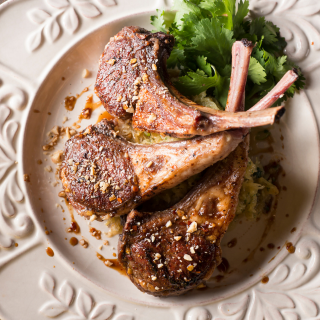
The high tannin and acidity of Xinomavro work well with rich, slow-cooked lamb. Protein and fat soften the tannin, while the wine’s savory notes echo herbs and meat juices.
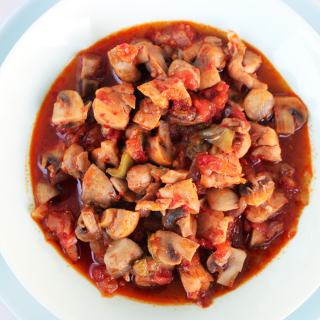
Xinomavro’s acidity and natural tomato character make it unusually comfortable with tomato-driven dishes. The wine stays balanced where softer reds might feel flat.
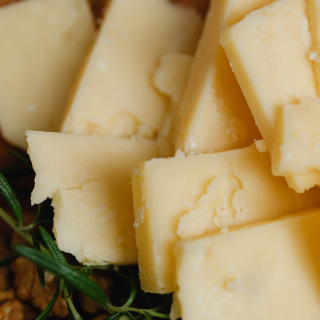
Firm, salty cheeses help tame tannin and highlight the wine’s savory side. The pairing emphasizes structure rather than fruit sweetness.
(common confusions)
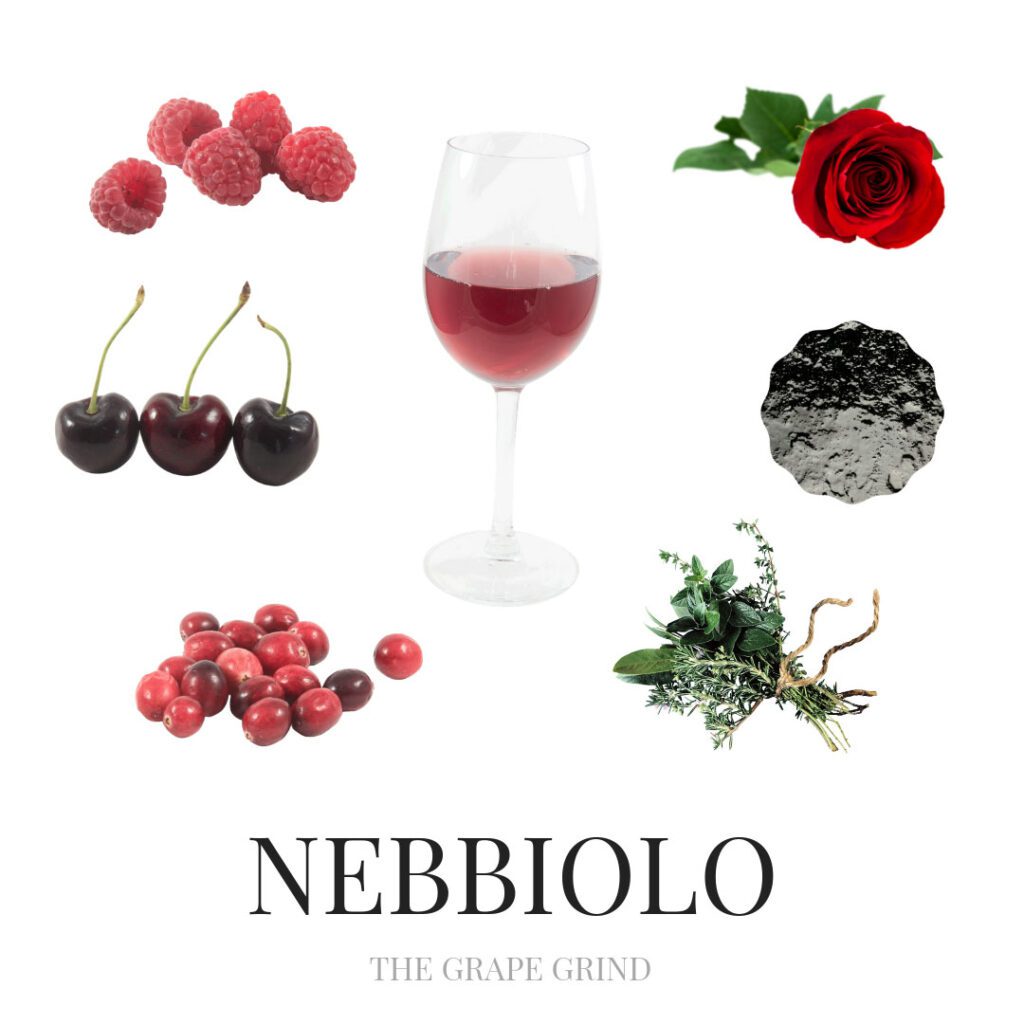
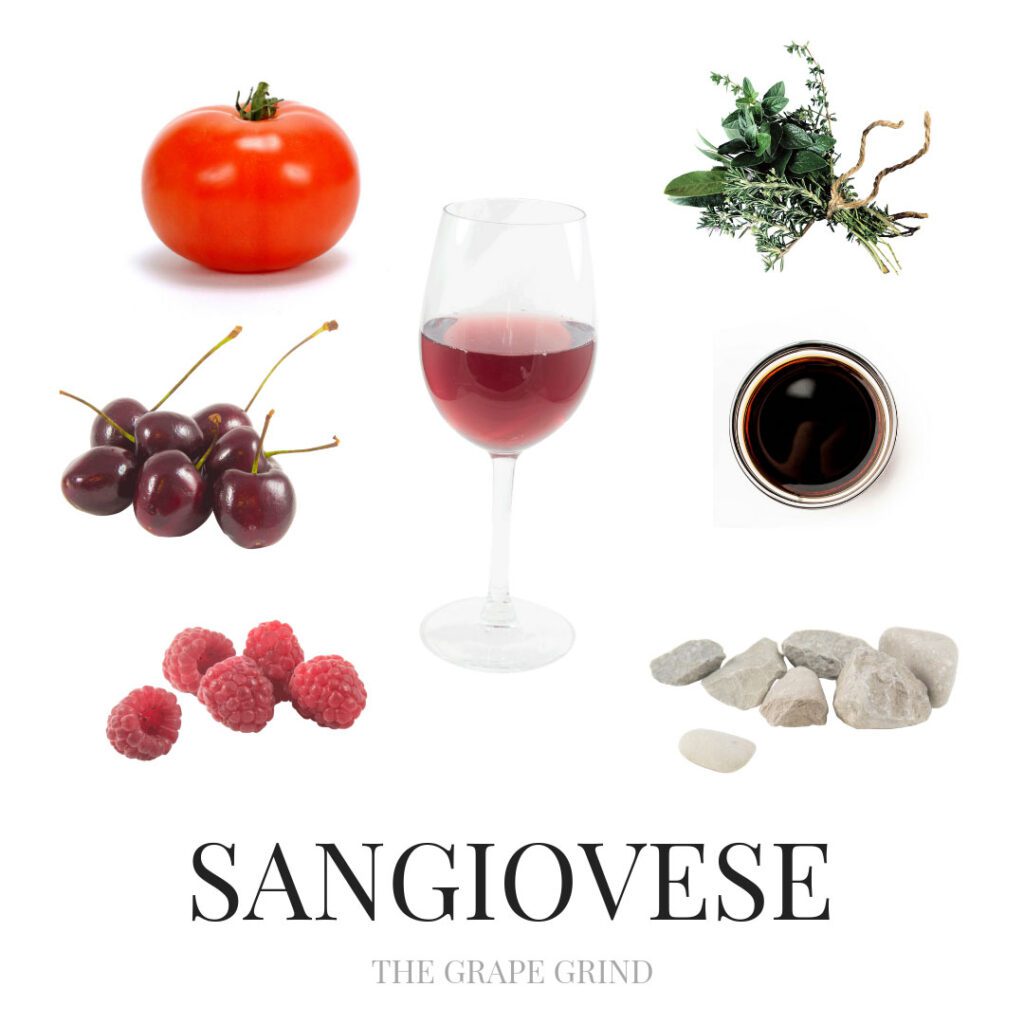
(Learn to Taste or Refresh Foundations)
(Ask, Discuss, & Connect)
(Gain Tasting Confidence)
Join our totally free community, which includes:
Just submit your info to receive your invite!
By submitting, you are consenting to receive marketing emails from The Grape Grind, including much of the core educational content you’re specifically signing up for now. You can unsubscribe at any time.
Joining the free Grape Grind community means your wine tasting journey begins NOW!
STEP 1 of 2 – Fill this out:
After you click the button above, you’ll be asked to enter your email again to set up your free account. Please use this same email address to create your account.
By submitting, you are consenting to receive marketing emails from The Grape Grind, including much of the core educational content you’re specifically signing up for now. You can unsubscribe at any time.
Learn & improve your wine tasting skills for free!