Xarel·lo
Make 2026 THE year.
Take 10% OFF your first 12 months of Tasting Group!
Code:
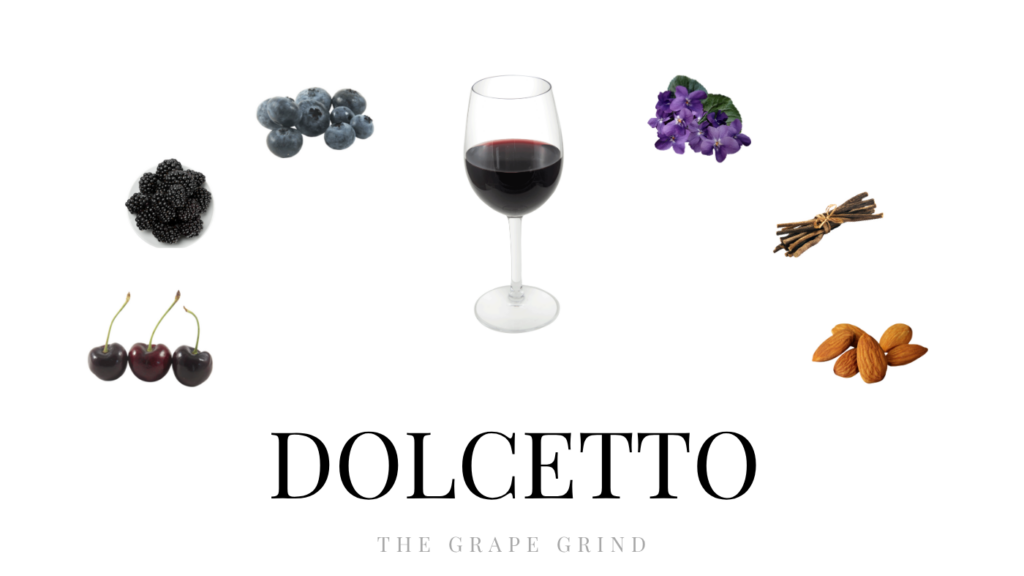
Dolcetto is a black-skinned grape variety from northwestern Italy, especially Piedmont, where it has deep historical roots and a strong regional identity. Its wines are usually dry, deeply colored when young, fruit-forward, and shaped by moderate acidity, noticeable phenolic structure, and a characteristic bitter almond finish.
It is often associated with early-drinking reds, however styles are plenty. Depending on site and winemaking, Dolcetto can range from fresh and easygoing to more structured, age-worthy expressions in places like Dogliani, Diano d’Alba, and Ovada.
A few more notes on Dolcetto:
From here, we will look at Dolcetto’s aroma and flavor profile, its structure, where it comes from, what to pair it with, and which grapes it is most often confused with.
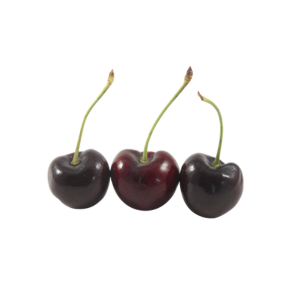
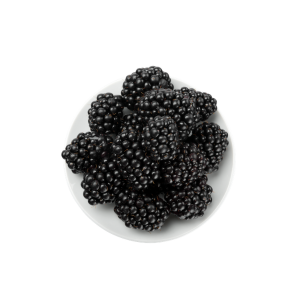
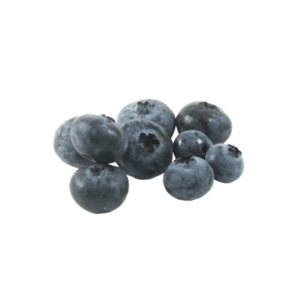
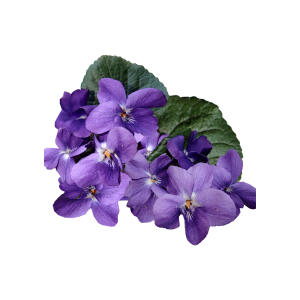
Dolcetto often centers on cherry, blackberry, blueberry, and plum, with fruit that can sit between red and black rather than staying firmly in one camp.
Its fruit can feel generous at first, then tighten through skin-derived tannin and a bitter almond or tea-like finish, especially in more structured examples.
The deep purple-ruby color can suggest a heavier wine, but Dolcetto is often only medium-bodied with moderate acidity and a drier finish than expected.
STANDARD TASTING NOTES: These are your benchmark exam-style tasting notes.
There is no “one size fits all” when it comes to structure for every grape, however, there IS a general range when it comes to body, acid, alcohol, and tannin for each. Below are general guidelines for classic representations. Growing conditions and winemaking techniques can impact each of the following.
Typical range: medium (-) to medium (+). Dolcetto often looks weightier than it tastes, with dark color and fruit creating density while the palate usually stays in a midweight frame.

Typical range: medium (-) to medium (+). Dolcetto is not usually acid-driven, so freshness often comes less from sharp acidity and more from its dry, phenolic finish.

Typical range: medium to medium (+). Standard examples tend to stay moderate, while riper or more concentrated wines can show more warmth and volume.

Typical range: medium to medium (+). Tannin can vary widely with extraction, from fairly supple in fresh styles to firm and structured in more concentrated wines.

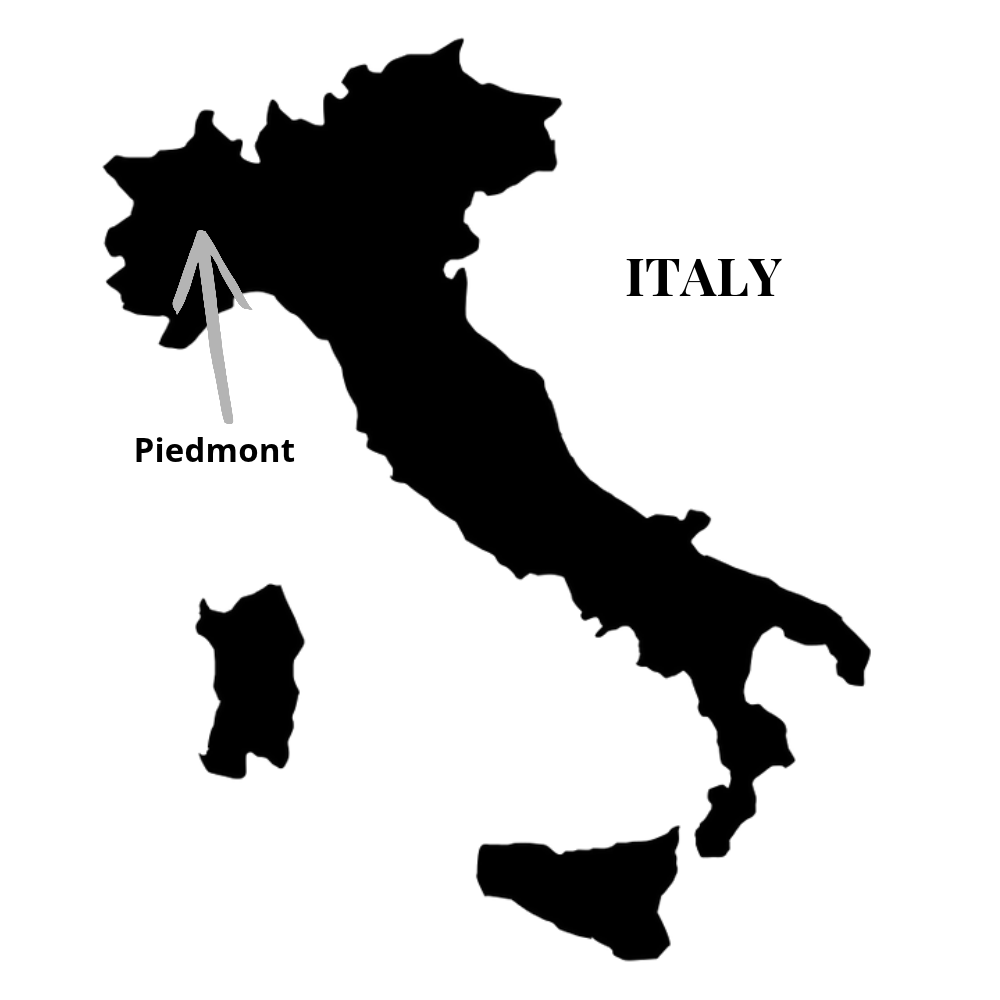
Langhe, Piedmont
Dolcetto has been grown in Piedmont for centuries and became an important part of everyday wine culture in the Langhe, where families often grew it alongside Nebbiolo and Barbera. The Langhe has a cool-to-moderate continental climate, with warm, sunny summers but relatively cool nights and a long autumn, while the surrounding Alps and Apennines help shape the region’s climate. Dolcetto’s early ripening makes it particularly well suited to this environment: it can reach maturity relatively early in the season, allowing growers to harvest it before the weather turns cooler and wetter and well before the much later-ripening Nebbiolo. Its ability to produce flavorful, tannic wines without requiring Nebbiolo’s exceptionally long growing season helped cement Dolcetto’s place as a reliable, everyday Piedmontese grape!
Other production is documented in Australia and The United States
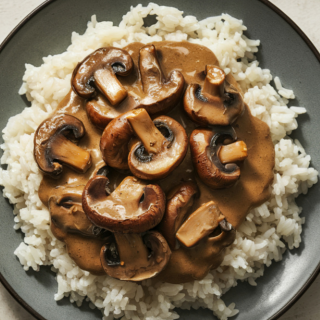
Dolcetto’s medium body and moderate tannin fit the weight of a mushroom dishes nicely, while its almond and tea-like bitter edge connects naturally with earthy, savory flavors. If the dish includes butter, cheese, or meat, that extra richness can also soften the wine’s drying finish.
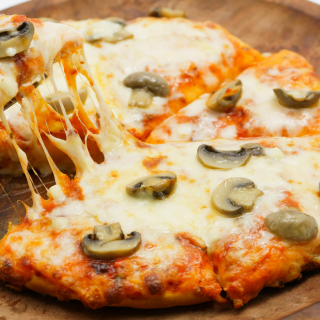
Pizza works well when the tomato is buffered by cheese, olive oil, and crust. Dolcetto does not rely on piercing acidity, so it tends to pair better with cooked, rounded tomato flavors than with very sharp sauces. Its fruit stays lively, and the tannin gives just enough grip for a satisfying table-wine match.
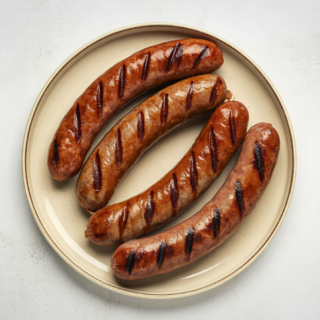
Grilled sausage gives Dolcetto exactly what it likes: protein, fat, browned flavor, and a little swagger. The wine’s tannin feels less drying with richer meat, its dark fruit holds up to char, and moderate alcohol makes it more comfortable with spice than many heavier reds.
(common confusions)
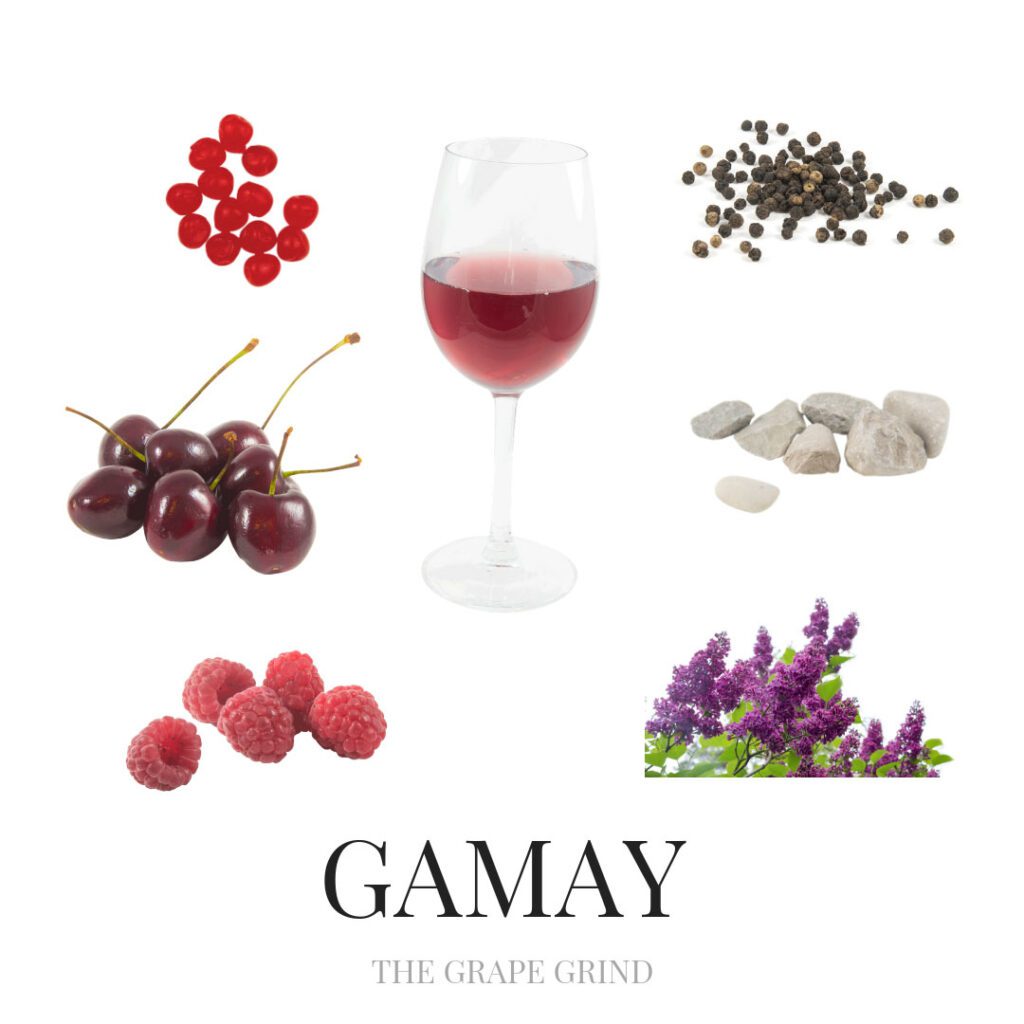
Gamay is/has
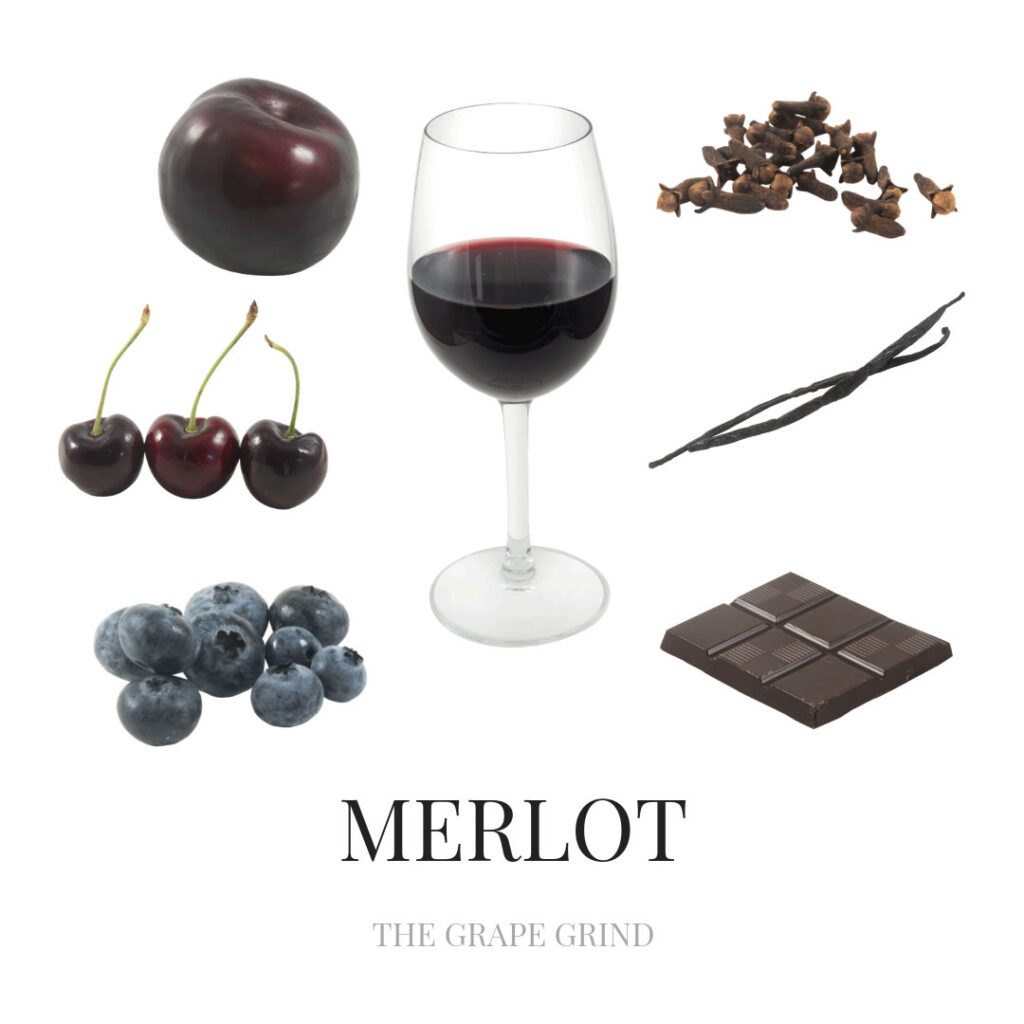
Merlot is/has
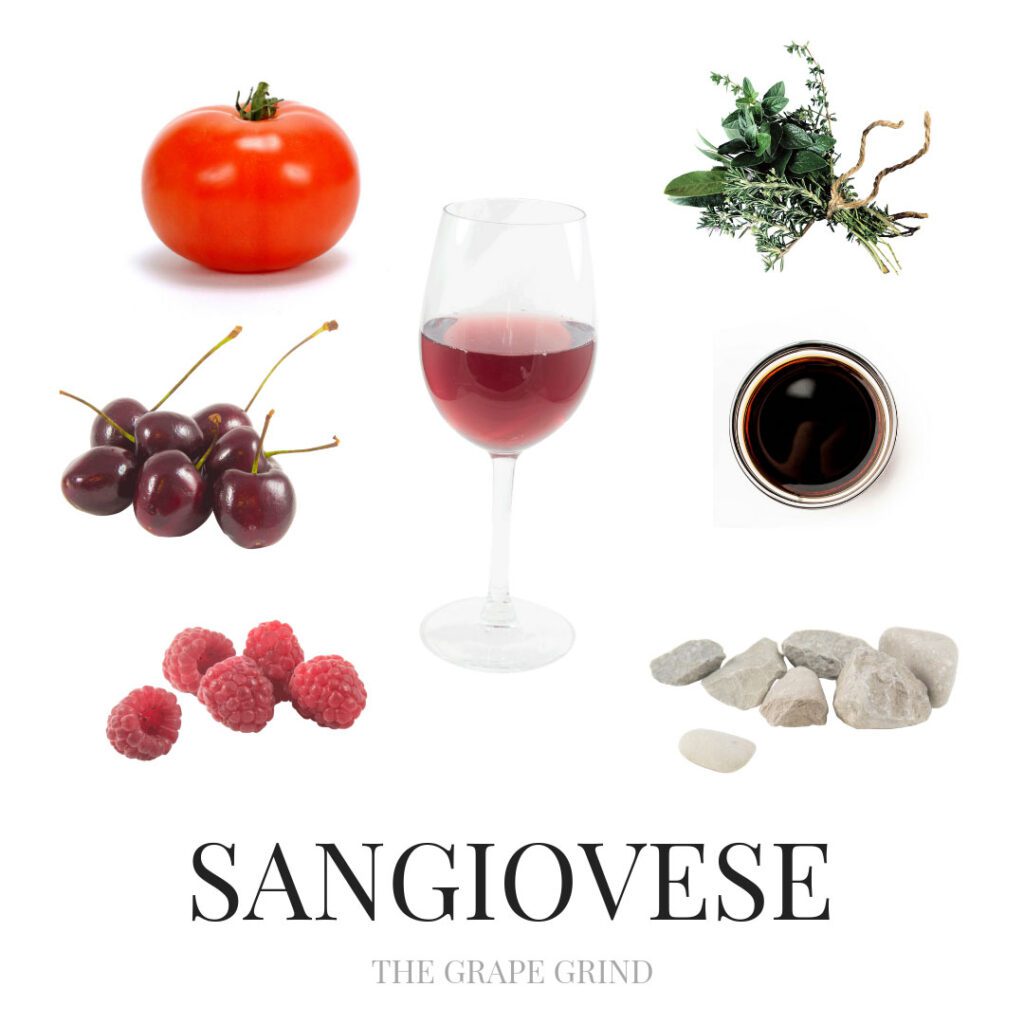
Sangiovese is/has
(Learn to Taste or Refresh Foundations)
(Ask, Discuss, & Connect)
(Gain Tasting Confidence)
Join our totally free community, which includes:
Just submit your info to receive your invite!
By submitting, you are consenting to receive marketing emails from The Grape Grind, including much of the core educational content you’re specifically signing up for now. You can unsubscribe at any time.
Joining the free Grape Grind community means your wine tasting journey begins NOW!
STEP 1 of 2 – Fill this out:
After you click the button above, you’ll be asked to enter your email again to set up your free account. Please use this same email address to create your account.
By submitting, you are consenting to receive marketing emails from The Grape Grind, including much of the core educational content you’re specifically signing up for now. You can unsubscribe at any time.
Learn & improve your wine tasting skills for free!