Gamay
Make 2026 THE year.
Take 10% OFF your first 12 months of Tasting Group!
Code:
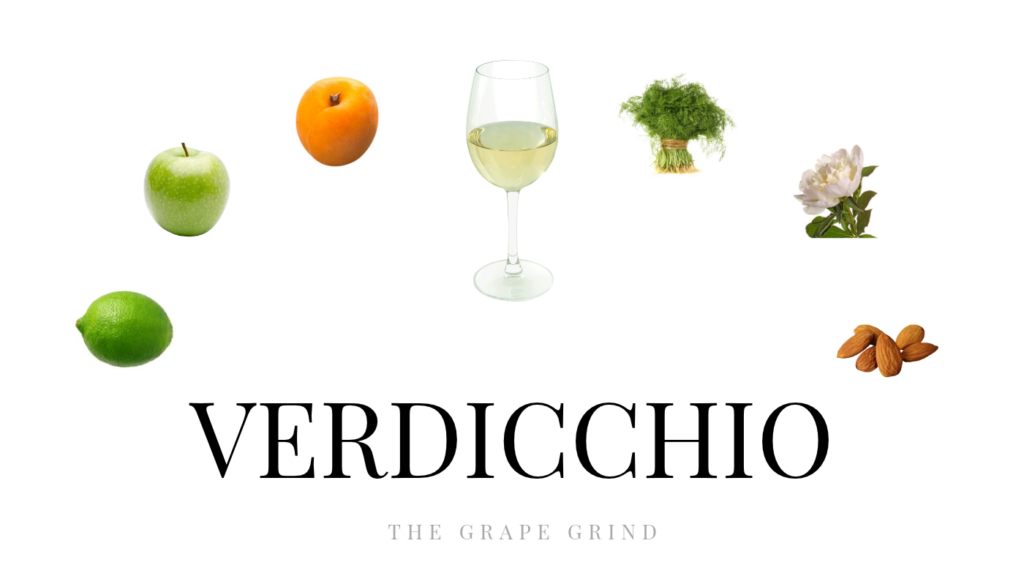
Verdicchio is a white grape variety most closely associated with Marche in central Italy. It makes everything from bright, easy-drinking whites to seriously ageworthy Riservas. The name Verdicchio is related to the greenish color that can remain in the grapes and young wines. So yes, the grape basically named itself after being a little green.
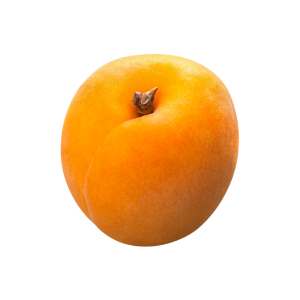
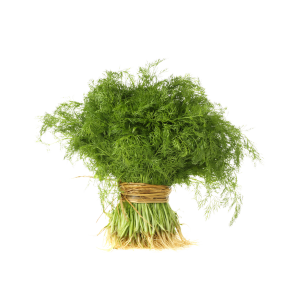
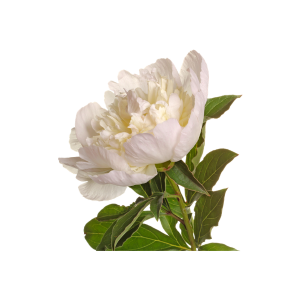
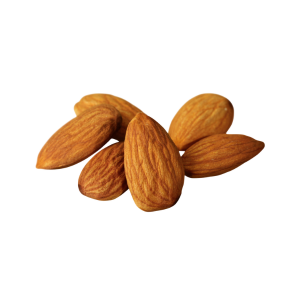
Young Verdicchio can be fresh and citrusy, with green fruit and that distinctive slightly bitter almond finish. Give it some time, though, and it can develop layers of savory, herbal, mineral, and even balsamic character while gaining a surprising amount of texture and structure!
A few more notes on Verdicchio:
This guide looks at Verdicchio from the angles that matter most when you are trying to understand it clearly: aroma, flavor, structure, origin, food pairing, and the grapes it is most often confused with.
Verdicchio often moves beyond simple fruit into herbs, salinity, and a persistent bitter-almond finish that gives it a distinctly food-friendly, palate-focused personality.
It regularly combines firm acidity with more extract and grip than its moderate aromatic intensity first suggests.
Verdicchio can work in fresh stainless-steel wines, lees-aged and oak-influenced bottlings, sparkling wines, passito, and serious long-lived Riserva styles.
STANDARD TASTING NOTES: These are your benchmark exam-style tasting notes.
There is no “one size fits all” when it comes to structure for every grape, however, there IS a general range when it comes to body, acid, alcohol, and tannin for each. Below are general guidelines for classic representations. Growing conditions and winemaking techniques can impact each of the following.
Typical range runs from medium (-) to full, depending on yield, ripeness, lees aging, oak, and style. Even restrained examples can carry more palate weight than the nose suggests.

Typical range is medium (+) to high. Acidity is one of Verdicchio’s defining structural features, giving energy, length, and shape even in richer or more developed wines.

Typical range is medium (-) to medium (+), with basic wines often around 11.5-12.5% and more ambitious dry wines frequently around 13-14% or occasionally above.

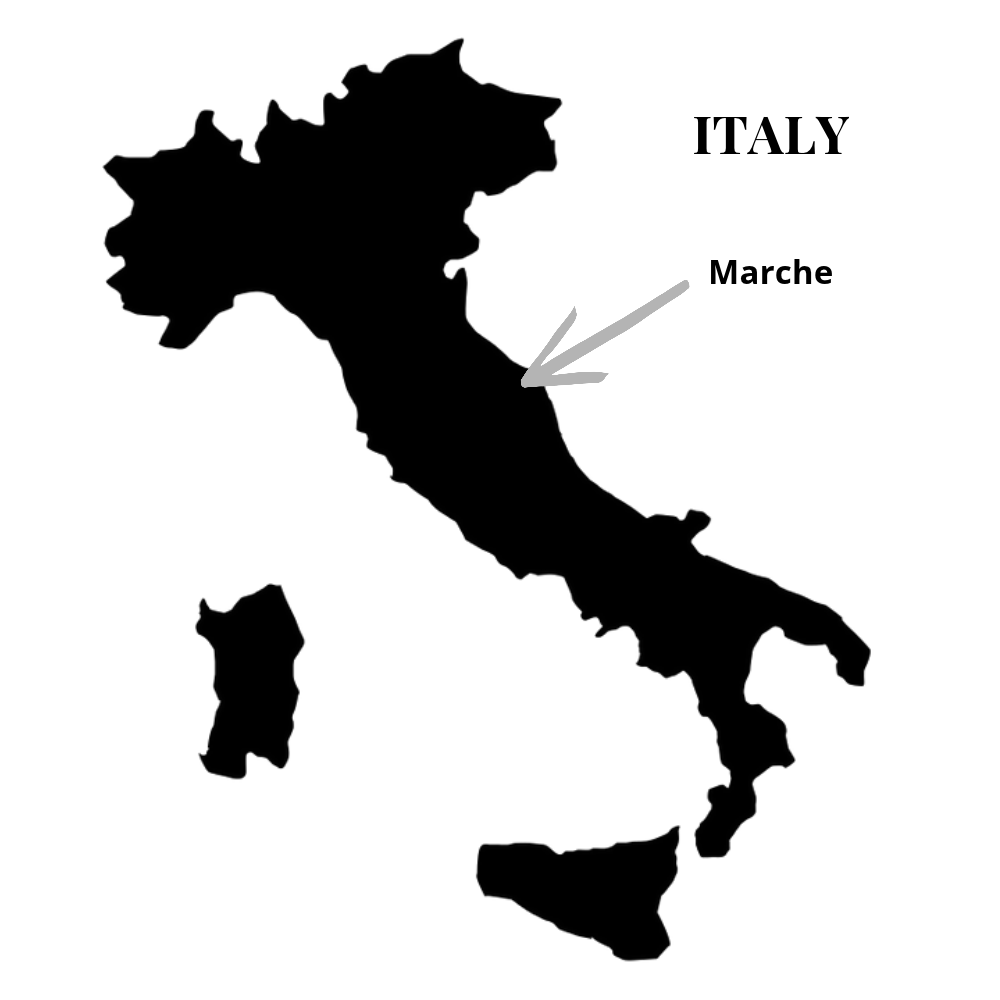
Marche: Castelli di Jesi and Matelica
Verdicchio’s historic home is Marche, on Italy’s central Adriatic coast, where the grape has been cultivated for centuries. Its two great strongholds are Castelli di Jesi, in the rolling hills west of Ancona and relatively close to the Adriatic, and the much smaller Matelica, farther inland on the other side of the Apennines. Verdicchio is particularly well suited to Marche because it’s a late-ripening variety that can hold onto its acidity while still reaching good ripeness in the region’s warm growing season.
In Jesi, the combination of rolling hills, calcareous-clay soils, and cooling breezes from the Adriatic creates a relatively warm, maritime environment for Verdicchio. Matelica is a very different story: it sits farther inland in a valley surrounded by mountains, with higher elevations, colder nights, and bigger swings between daytime and nighttime temperatures. That cooler environment helps Verdicchio ripen slowly while holding onto its acidity, often producing wines that are especially firm, fresh, and structured. Historical records mention Verdicchio in Matelica as early as 1579, while the grape has an even longer history in the Jesi area. Today, Marche is still very much Verdicchio’s home, with Verdicchio dei Castelli di Jesi being by far the larger production area and Verdicchio di Matelica offering the smaller, more isolated expression of the grape.
Other central Italian roles exist.
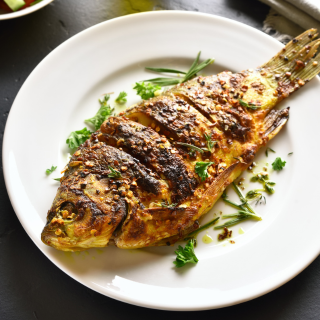
Fresh Verdicchio works well here because its acidity refreshes the palate without overwhelming delicate flavors, while its moderate body and saline, almond-tinged finish echo the clean savoriness of simply cooked fish.
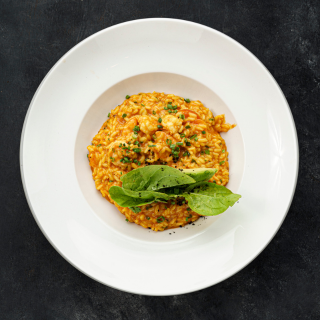
Lees-aged or more textural Verdicchio has enough mid-palate weight to meet the creamy, starchy feel of risotto, while its acidity keeps the pairing from turning heavy. The wine’s savory edge also fits shellfish beautifully.
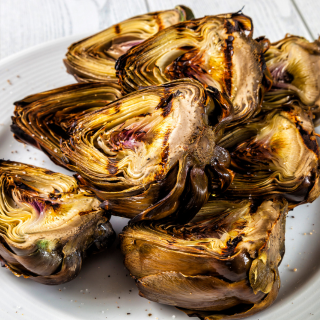
Artichokes are a classic match for Verdicchio because they’re notoriously difficult with wine their compounds can make wines taste oddly sweet or metallic. Verdicchio’s high acidity, savory character, and distinctive bitter-almond finish can stand up to that bitterness rather than fighting it. Try it with grilled or roasted artichokes, especially with olive oil, lemon, garlic, or herbs.
Serving serious Verdicchio too cold can make the acidity feel harder and hide its texture, almond notes, and mature complexity.
(common confusions)
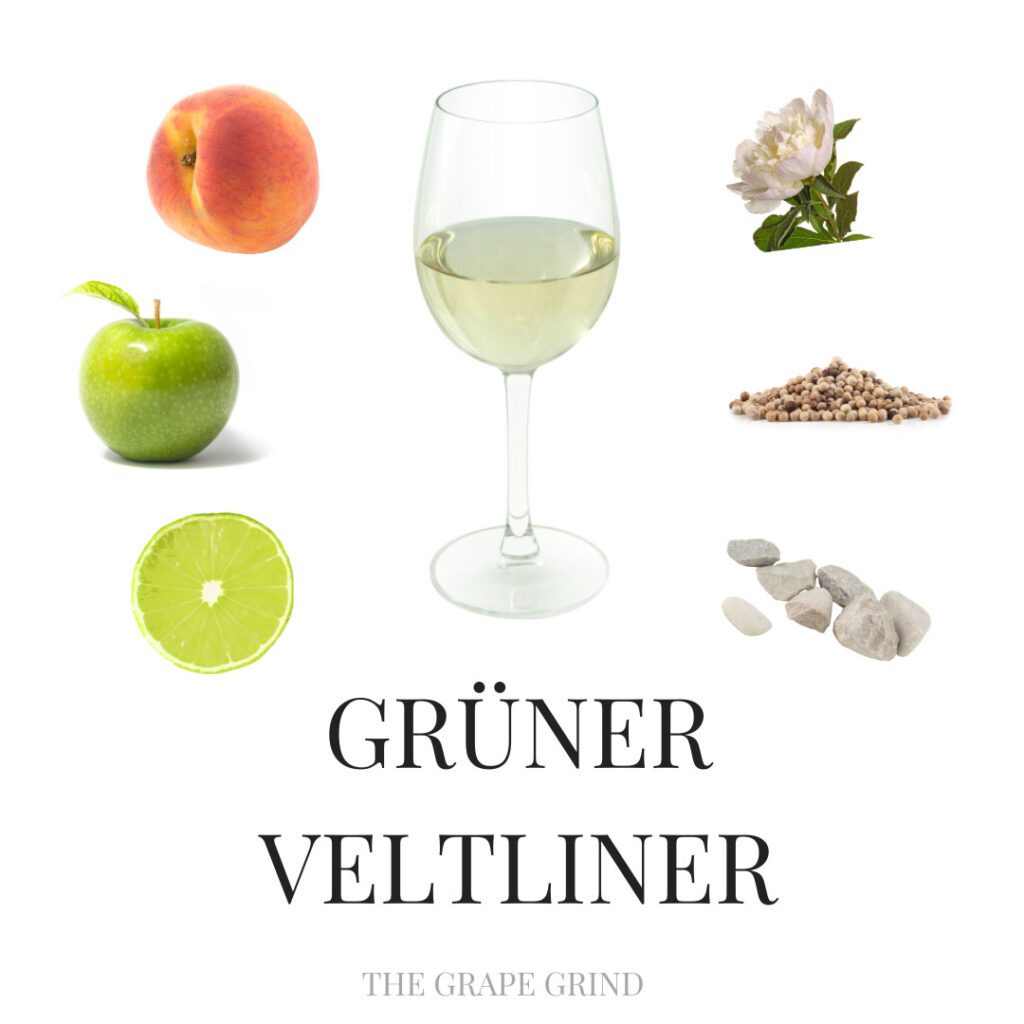
Grüner Veltliner is/has:
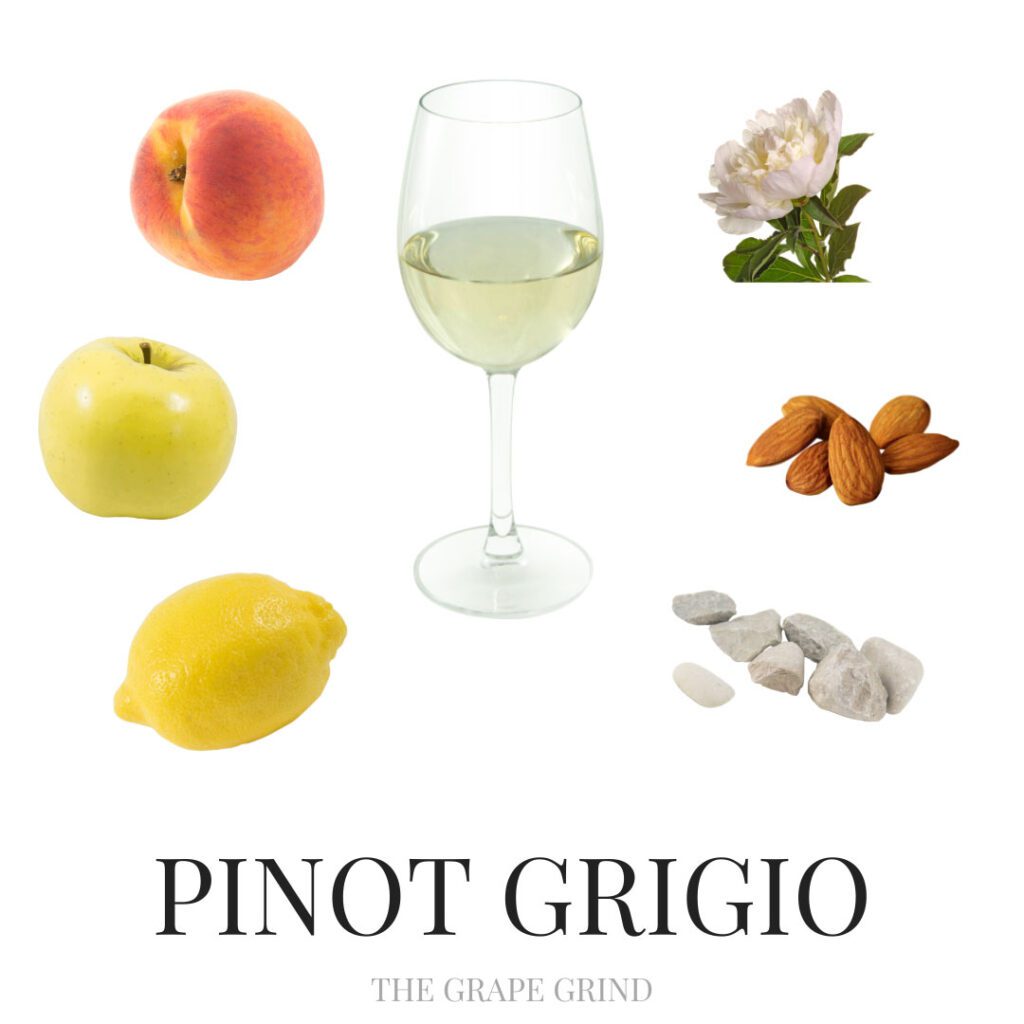
Pinot Grigio is/has:
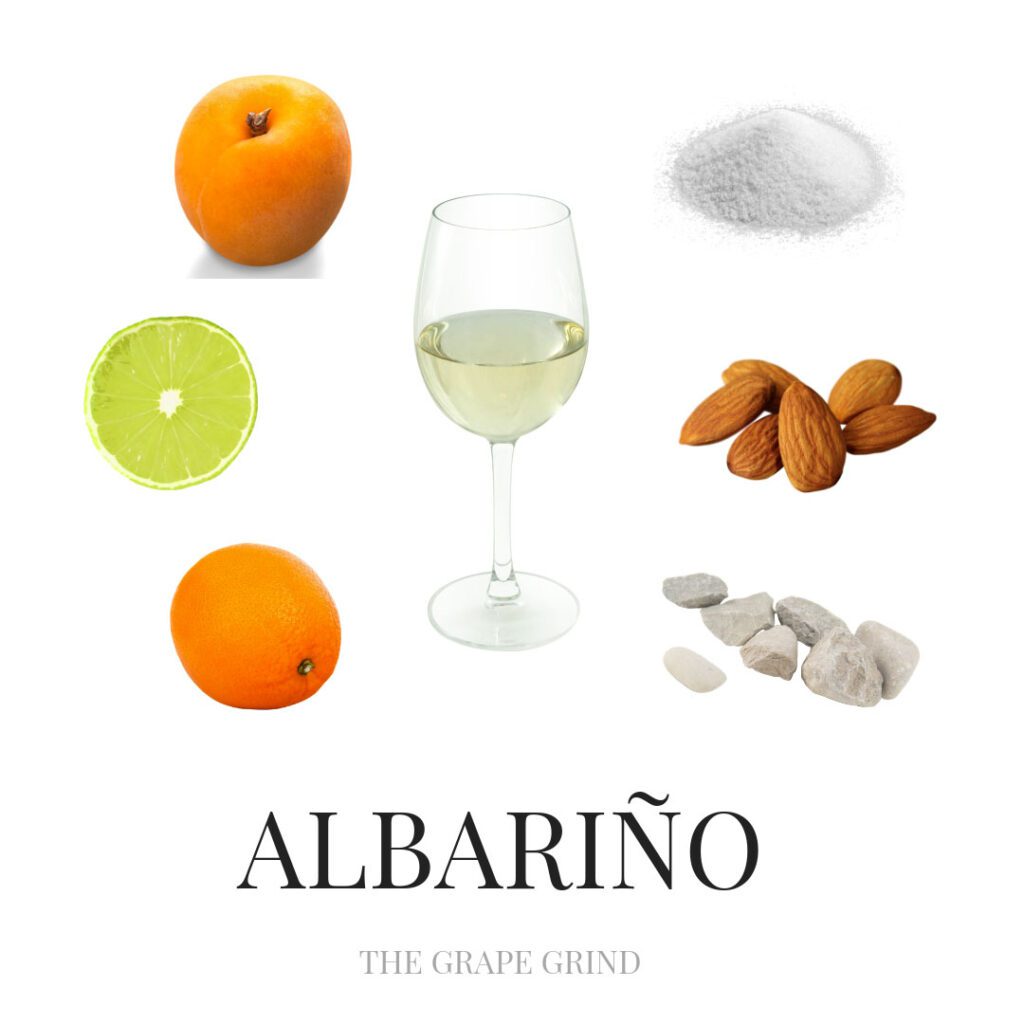
Albariño is/has:
(Learn to Taste or Refresh Foundations)
(Ask, Discuss, & Connect)
(Gain Tasting Confidence)
Join our totally free community, which includes:
Just submit your info to receive your invite!
By submitting, you are consenting to receive marketing emails from The Grape Grind, including much of the core educational content you’re specifically signing up for now. You can unsubscribe at any time.
Joining the free Grape Grind community means your wine tasting journey begins NOW!
STEP 1 of 2 – Fill this out:
After you click the button above, you’ll be asked to enter your email again to set up your free account. Please use this same email address to create your account.
By submitting, you are consenting to receive marketing emails from The Grape Grind, including much of the core educational content you’re specifically signing up for now. You can unsubscribe at any time.
Learn & improve your wine tasting skills for free!