Mourvèdre
Make 2026 THE year.
Take 10% OFF your first 12 months of Tasting Group!
Code:
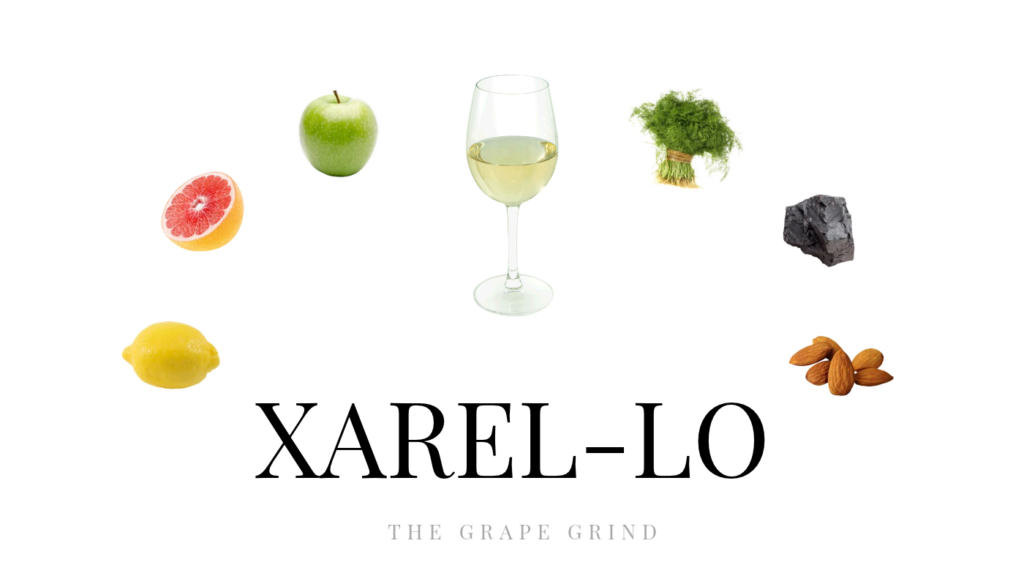
Xarel·lo is a white grape most closely associated with Catalonia, especially Penedès, where it has long been central to traditional-method sparkling wines but is now increasingly important as a still varietal wine. It doesn’t have intense aromatics, but it brings a lot of structure, body, freshness, persistence, and a slight savory or bitter edge.
Xarel·lo is distinctive! It can be bright and stainless-steel fresh, lees-aged and textural, oak-shaped and savory, or deeply layered in long-aged sparkling wine, while STILL keeping its recognizable structure.
A few more notes on Xarel·lo:
This guide looks at how Xarel·lo smells and tastes, how its structure shows up in the glass, where it comes from, what to pair with it, and which other grapes it can resemble.
Xarel·lo is defined by its shape on the palate! Even when the aromas are restrained, the wine often feels firm, persistent, and well “built”.
Alongside citrus and orchard fruit, Xarel·lo often shows herbs, salinity, and a slight almond-like bitterness that keeps its finish dry and food-friendly.
It works in fresh tank wines, lees-aged still wines, skin-contact bottlings, oak-aged styles, and long-aged sparkling wines without losing its core identity!
STANDARD TASTING NOTES: These are your benchmark exam-style tasting notes.
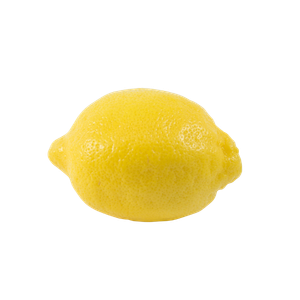
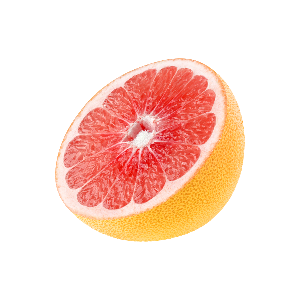
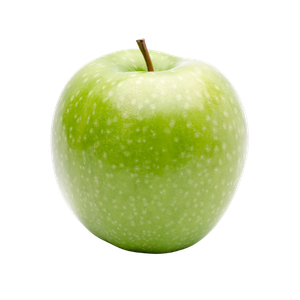
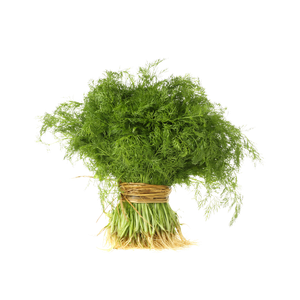
There is no “one size fits all” when it comes to structure for every grape, however, there IS a general range when it comes to body, acid, alcohol, and tannin for each. Below are general guidelines for classic representations. Growing conditions and winemaking techniques can impact each of the following.
Typical range: medium to medium-plus. Fresh styles can feel relatively lithe, while lees-aged, skin-touched, or oak-aged examples broaden noticeably through the mid-palate.

Typical range: moderate to high. The acidity usually feels fresh and structural rather than sharp, helping the wine stay persistent, and ageworthy.

Typical range: 10-12% in Cava base wines and around 11.5-13.5% in still wines. Its body often comes more from extract and phenolics than from alcohol weight.

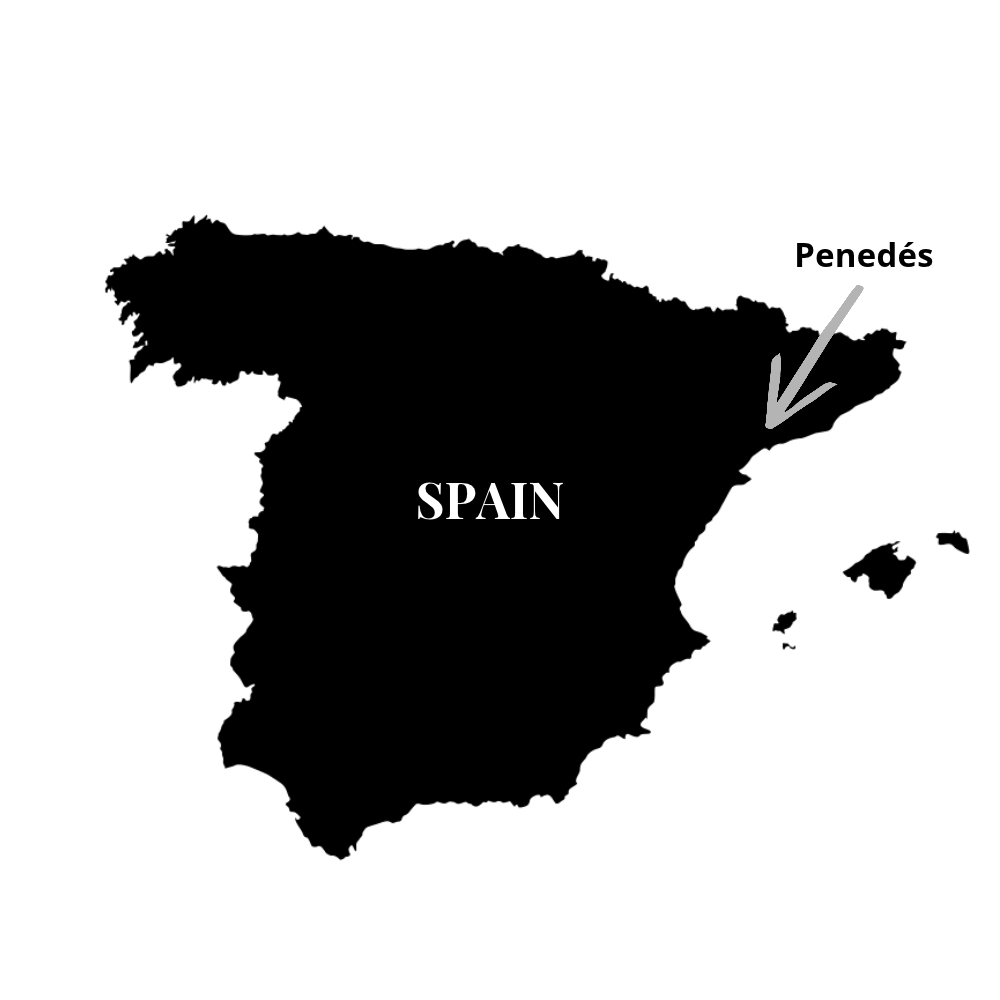
Penedès
Xarel-lo is essentially a Catalan homebody. Its strongest historical roots are in Penedès, where the grape has been cultivated for centuries. The first clear documented mention of Xarel-lo by name in the region dates to 1785 in Sitges. Penedès was already a major wine-growing area long before Cava existed, with viticulture dating back to ancient times, so Xarel-lo evolved alongside a long-established local wine culture rather than arriving as an imported international variety. And the grape is remarkably well suited to the place: Penedès is warm, sunny and Mediterranean, but its varied elevations and cooling influences create enough variation to preserve freshness. The grapes local adaptation is a big part of why nearly 99% of Spain’s Xarel-lo plantings are in Catalonia.
And then there’s the fun historical twist: Xarel-lo actually became famous for Cava almost by accident. After phylloxera devastated Penedès vineyards in the late 1800s, local producers replanted extensively with white varieties, and in 1872 Josep Raventós made the first traditional-method sparkling wines at Codorníu using the now-famous trio of Xarel-lo, Macabeo and Parellada. So the grape we now associate so strongly with Cava was actually a pre-existing local grape that happened to be exceptionally good at giving sparkling wine exactly what it needed: acidity, body, structure and longevity.
Other producing areas within the USA.
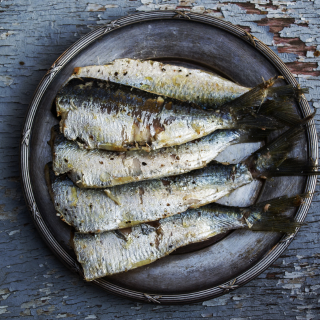
Xarel·lo’s acidity helps cut through oily fish, while its body keeps the wine from disappearing beside richer texture. The slight bitter-almond edge also works well with char, olive oil, and herb-driven seasoning.
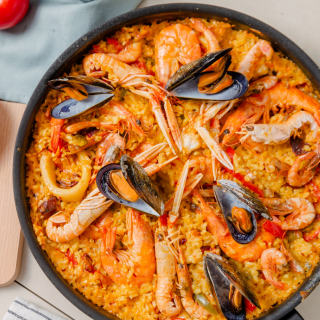
This pairing works because Xarel·lo brings both freshness and structure. Its acidity lifts the stock and seafood richness, while its dry, lightly bitter finish helps keep saffron, sofrito, and toasted rice from feeling heavy.
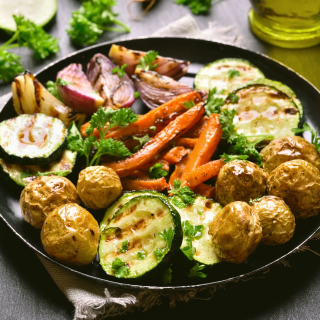
Many whites struggle with herbal or slightly bitter vegetables. Xarel·lo usually does not. Its own savory herbal notes, saline undertone, and phenolic grip give it a natural bridge to olive oil, fennel, leeks, and aromatic herbs.
Sparkling Xarel·lo-based wines can stretch even further because bubbles add extra lift to salt, oil, and savory depth.
(common confusions)
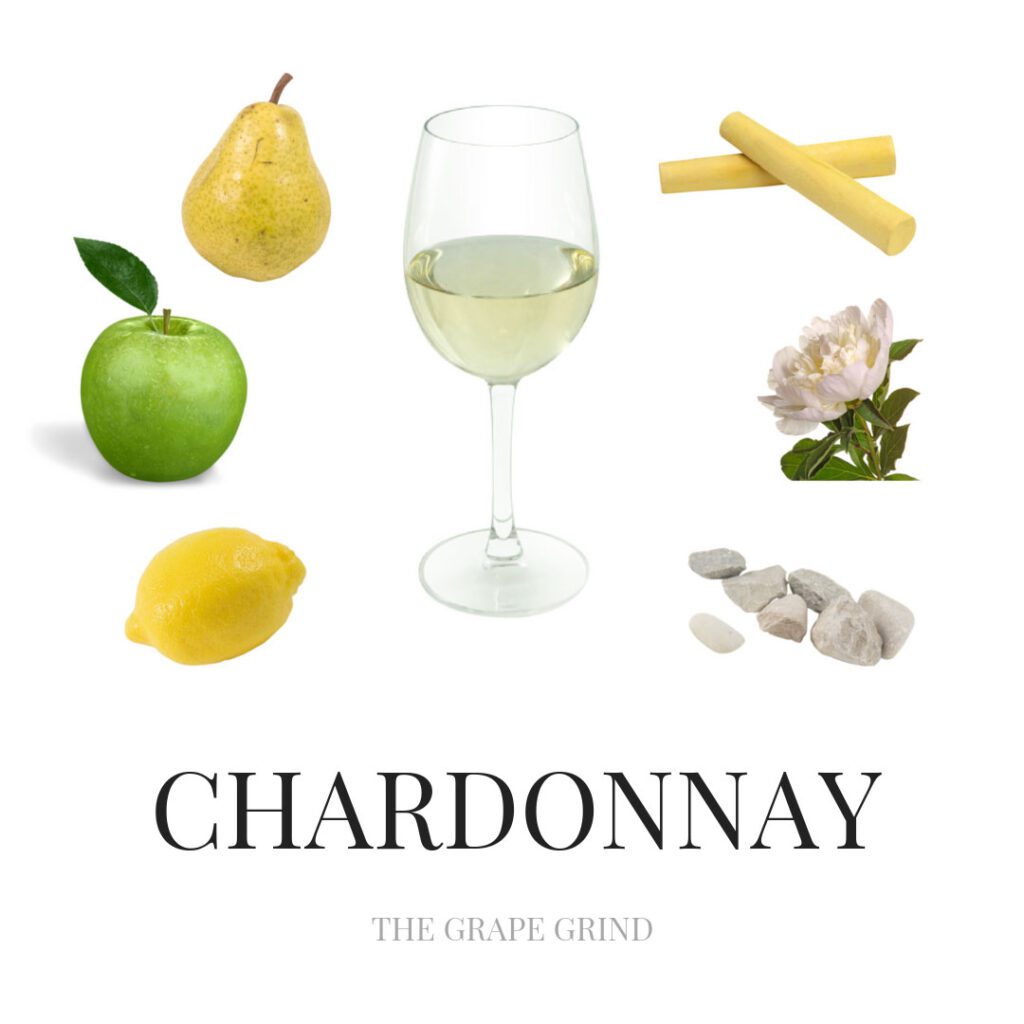
Chardonnay is/has:
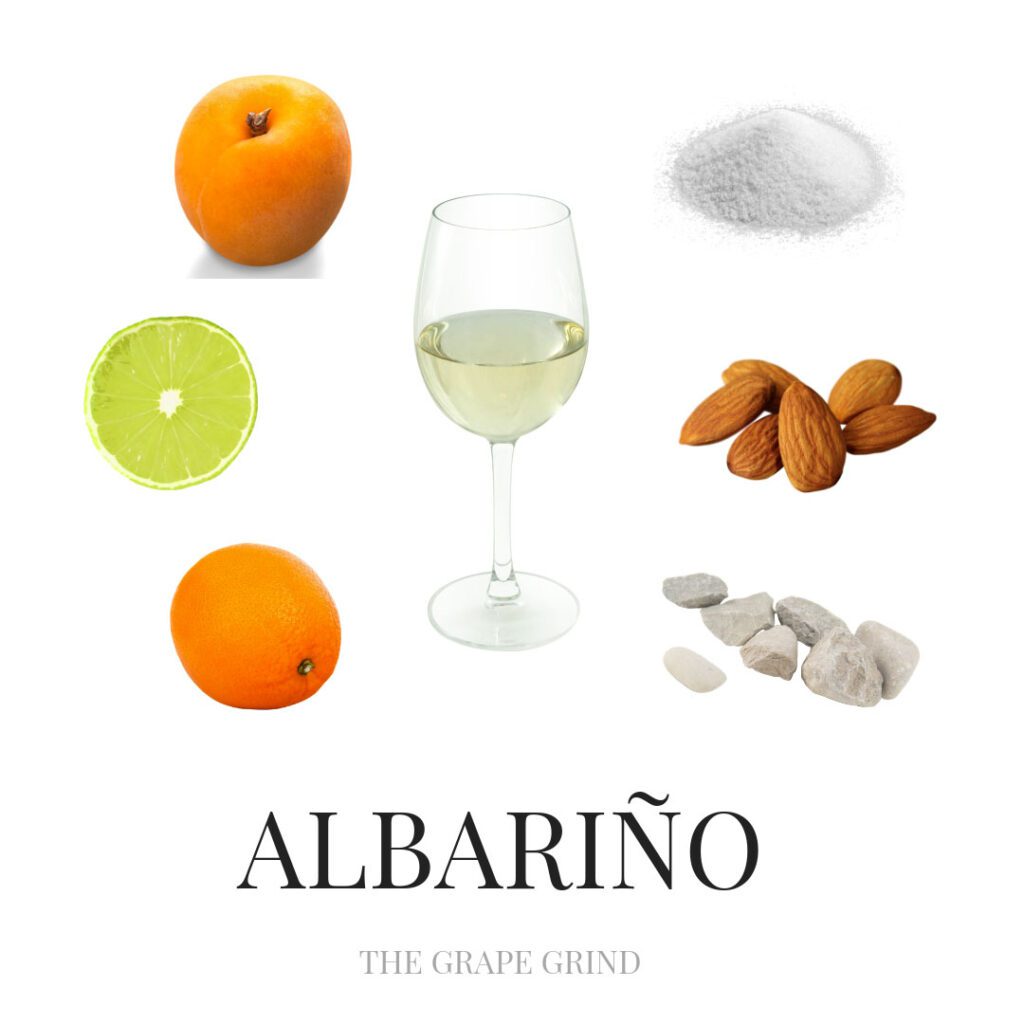
Albariño is/has:
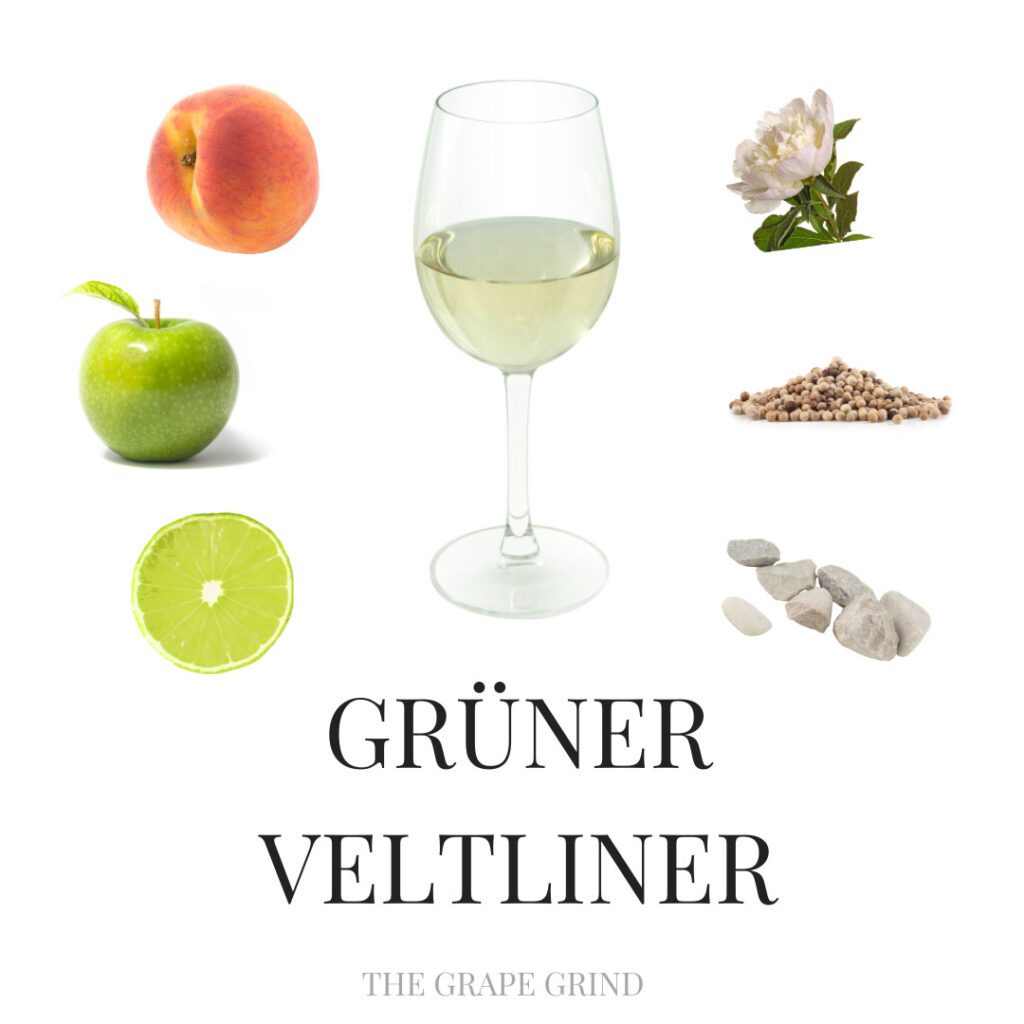
Grüner Veltliner is/has:
(Learn to Taste or Refresh Foundations)
(Ask, Discuss, & Connect)
(Gain Tasting Confidence)
Join our totally free community, which includes:
Just submit your info to receive your invite!
By submitting, you are consenting to receive marketing emails from The Grape Grind, including much of the core educational content you’re specifically signing up for now. You can unsubscribe at any time.
Joining the free Grape Grind community means your wine tasting journey begins NOW!
STEP 1 of 2 – Fill this out:
After you click the button above, you’ll be asked to enter your email again to set up your free account. Please use this same email address to create your account.
By submitting, you are consenting to receive marketing emails from The Grape Grind, including much of the core educational content you’re specifically signing up for now. You can unsubscribe at any time.
Learn & improve your wine tasting skills for free!