A Guide to Wine Flavors, Flaws, and Faults
Learn to read wine’s hidden language: aroma, off-notes, and the line between character and flaw.
Make 2026 THE year.
Take 10% OFF your first 12 months of Tasting Group!
Code:
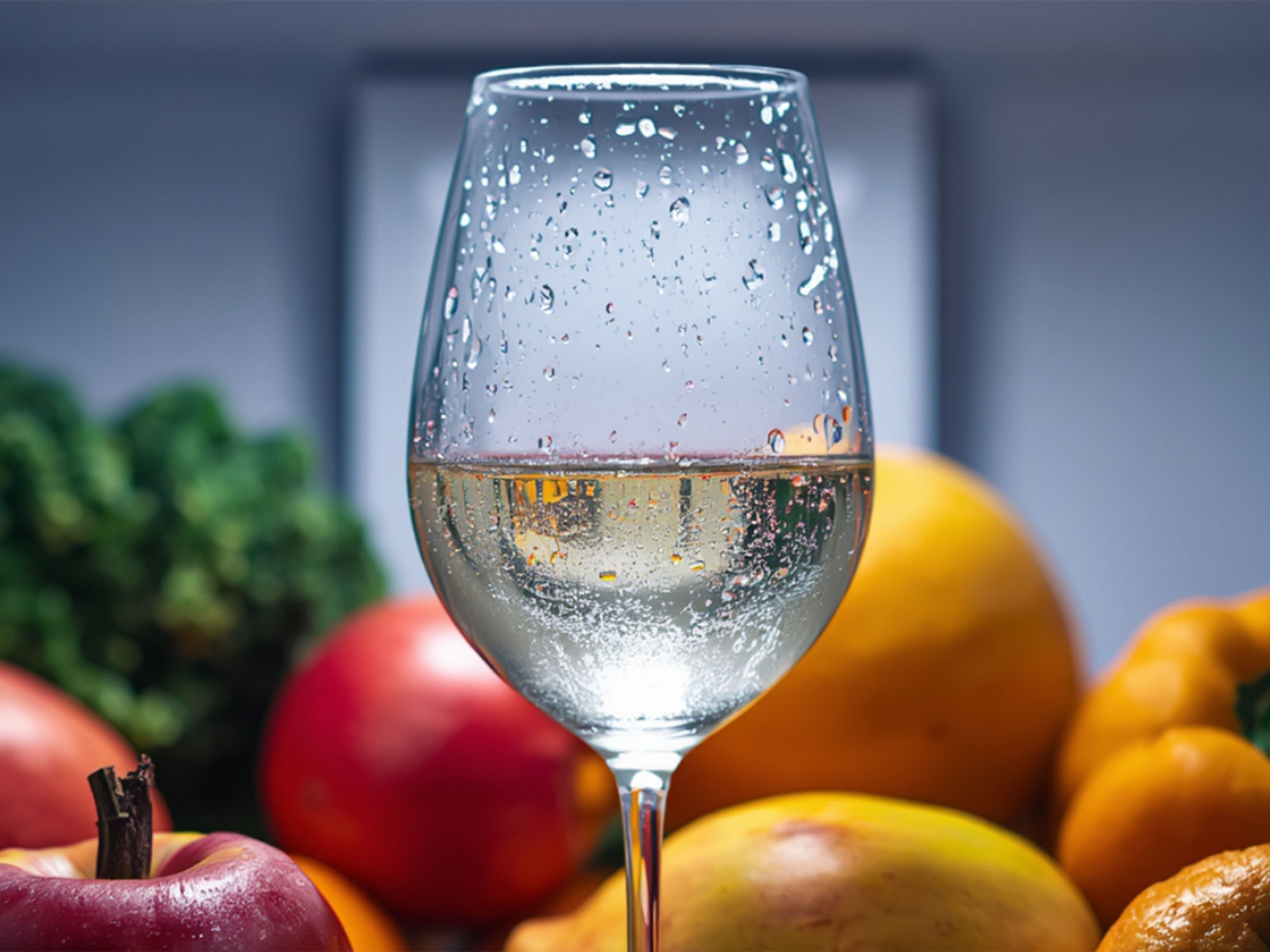
Here is a foundational tasting experiment worth trying. Pour the same wine into two glasses. Leave one out. Put the other in the fridge for an hour. Then taste them side by side.
They will not taste like the same wine
Temperature affects aroma release, acidity perception, tannin perception, sweetness, alcohol, and the overall texture of a wine. Change the temperature and you are not just changing how cold or warm the wine feels. You are changing the entire picture of what shows up in the glass. That matters for casual enjoyment, and it matters a lot for structured tasting practice.
Cold temperatures do a few things consistently, and most of them work against your ability to actually taste the wine.
Aromas are suppressed. Aromatic compounds are less volatile at lower temperatures, which means fewer of them reach your nose. A wine that would show a wide range of aromas at a slightly warmer temperature can feel almost closed when it is too cold.
Acidity can feel sharper. This is counterintuitive for people who associate cold with refreshing. Cold does not mellow acidity. It can actually make it feel more aggressive and less integrated.
Sweetness is harder to perceive. If you are tasting a wine with residual sugar, or even just ripe fruit character, cold temperatures will hide it. The sweetness is still there, but your palate cannot find it as easily.
Texture feels reduced or linear. The roundness, weight, and complexity that give a wine its sense of body tend to flatten out when the wine is very cold. What you are left with is a thinner, more one-dimensional impression.
Fruit profile can seem tighter. Riper, more complex fruit notes tend to show up as the wine warms. At very cold temperatures, you often get a narrower range, typically just the simplest, brightest fruit.
Oak and secondary notes can disappear. For wines with barrel influence or more developed character, extreme cold is particularly limiting. Those notes require a little warmth to show themselves.
The opposite extreme creates its own set of problems.
Aromas can feel more open, but not always in a good way. Warmth encourages volatility, which means more aroma compounds are released. That sounds positive, but it also means less pleasant compounds become more noticeable.
Acidity can soften. A wine that felt bright and fresh at a cooler temperature may feel flat or heavy once it warms up. The freshness drops away.
Alcohol becomes more obvious. This is one of the most noticeable effects of serving wine too warm. Alcohol is volatile, and warmth amplifies it. A wine that felt balanced can start to feel hot or aggressive.
Fruit can feel riper or heavier. For some wines and some drinkers, that is appealing. For others, it tips into something that feels overripe or heavy.
Texture can feel broader or flabbier. The structure that holds a wine together tends to feel looser at higher temperatures. A wine that had good definition can start to feel soft in ways that are not flattering.
Freshness drops away. This is the overall effect. Warmth does not improve most wines. It tends to make them feel ‘tired’.
One of the most persistent misconceptions in wine is that all whites should be ice cold and all reds should be at room temperature. Neither of those is quite right.
Sauvignon Blanc is a useful example because it is so aromatic. Served very cold, you are mostly getting citrus fruit and sharp acidity. As it warms slightly, the tropical fruit notes start to show, and the herbal, savory character becomes clearer. That does not mean warm Sauvignon Blanc is better. It means there is a range where the wine is most expressive, and ice cold is usually below that range. The acidity, which is already prominent, can feel almost harsh when the wine is too cold.
Chardonnay is where over-chilling does the most damage to the tasting experience. Fuller-bodied, oaked Chardonnay is built around texture, complexity, and secondary character. Serve it too cold and the oak disappears, the texture flattens, and what you are left with is something that tastes tight and simple. As it warms to a slightly higher temperature, the complexity comes out, the texture emerges, and the wine starts to show what it actually is.
Pinot Noir is a lighter-bodied red that genuinely benefits from a slight chill. Served at true room temperature, especially in a warm room, the alcohol becomes more prominent, the freshness fades, and the delicate red fruit character that makes Pinot interesting can start to feel heavy. A slight chill sharpens the structure, brings energy to the fruit, and makes the wine feel more defined.
Cabernet Sauvignon has more structure and weight to work with, so it is more tolerant of slightly warmer temperatures. But even here, room temperature in a modern heated home is usually too warm. The tannins can feel looser, the alcohol more obvious, and the fruit heavier than it should be. A slight chill, even just a few degrees below room temperature, can make a real difference.
Different wines reveal different traits at different temperatures.
This is the part that actually builds undesrtanding. Reading about temperature is useful. Tasting through it is where calibration happens… and makes wine fun!
Here is a straightforward exercise.
Pour the same wine into two glasses. Use a wine you have not tasted much before, or one you want to understand better.
Chill one sample and leave one warmer. Put one glass in the fridge for about an hour. Leave the other at room temperature, or wherever it naturally sits.
Taste side by side. Start with the cold glass. Then the warmer one. Notice what is different. Do not try to evaluate which is better yet. Just observe what changes.
Re-taste the cold wine after 15 minutes. The cold glass will have warmed slightly. Taste again. Something will have shifted, often the aroma opens a little, the texture becomes more noticeable, or the fruit feels different.
Re-taste again after 30 minutes. By now the cold glass is approaching a more moderate temperature. Taste it again. Compare it to the original warmer glass, which may have warmed further.
Note what changed. Use a simple list: aroma, fruit, acidity, tannin, texture, alcohol, finish. Write down what you noticed at each point. Which version showed more complexity? Which felt more balanced? Which did you actually prefer?

What changed?
If you want to go further, try it with a Pinot Noir and a Cabernet Sauvignon in the same session. Then try it with a New Zealand Sauvignon Blanc and a fuller-bodied Chardonnay. The differences across styles will start to reveal patterns that are genuinely useful.
These are starting points, not rules. Your own palate and preferences matter, and the goal of this exercise is to develop your own sense of what works. That said, the following ranges reflect common practice and give you a reasonable place to begin.
| Wine style | Approximate range | Why it works |
|---|---|---|
| Sparkling wine | 40–45°F (4–7°C) | Cold preserves bubbles and keeps the wine crisp; aromas in sparkling are less the focus |
| Light aromatic whites (Sauvignon Blanc, Pinot Grigio) | 45–50°F (7–10°C) | Cool enough to keep freshness and acidity in check; warm enough to show some aroma |
| Fuller whites (Chardonnay, white blends with body) | 50–55°F (10–13°C) | Slightly warmer allows texture, complexity, and oak to show |
| Lighter reds (Pinot Noir, Gamay, Barbera) | 55–60°F (13–16°C) | A slight chill sharpens structure and keeps red fruit energetic |
| Fuller reds (Cabernet Sauvignon, Syrah, Malbec) | 60–65°F (16–18°C) | Below modern room temperature; keeps alcohol integrated and tannins defined |
The consistent theme across all of these is that modern room temperature, which in many homes sits around 70–74°F, is too warm for most wines. The old idea that red wine should be served at room temperature was based on European cellar temperatures, which were considerably cooler.
The temperature experiment is a good starting point. Here is how to keep building from it.
Repeat the exercise with different styles. Try it with wines you are less familiar with. Try it with a wine you did not enjoy, and see if temperature changes your impression.
Compare results over time. If you do this exercise a few times over several weeks, you will start to see your own patterns. You will notice where your palate is consistent and where it is still developing. That is useful information.
If you want a framework and understanding of more of the elements that go in to tasting, checkout our Intro to Wine Tasting course. It covers how to approach a glass systematically, what to look for, and how to build the kind of repeatable tasting process that makes every glass more informative. It is designed for people who want to learn correctly from the beginning, and it is free.
There are a lot of things happening in the glass at once, but temperature is a big one, and it changes more in the glass than most people realize.
Learn to read wine’s hidden language: aroma, off-notes, and the line between character and flaw.
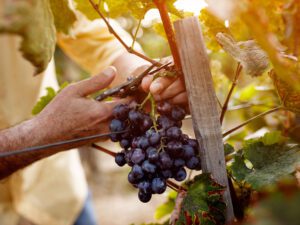
A winemaker’s hand can elevate or mask a vintage: how decisions shape wine beyond the grape.
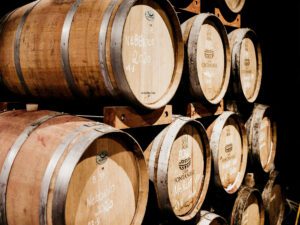
Explore why oak and wine are inseparable—vanilla, smoke, structure—and the many faces of barrel aging.
(Learn to Taste or Refresh Foundations)
(Ask, Discuss, & Connect)
(Gain Tasting Confidence)
Join our totally free community, which includes:
Just submit your info to receive your invite!
By submitting, you are consenting to receive marketing emails from The Grape Grind, including much of the core educational content you’re specifically signing up for now. You can unsubscribe at any time.
Joining the free Grape Grind community means your wine tasting journey begins NOW!
STEP 1 of 2 – Fill this out:
After you click the button above, you’ll be asked to enter your email again to set up your free account. Please use this same email address to create your account.
By submitting, you are consenting to receive marketing emails from The Grape Grind, including much of the core educational content you’re specifically signing up for now. You can unsubscribe at any time.
Learn & improve your wine tasting skills for free!