A Quick Guide to Wine Color and The Factors Behind It
Dive into how hue reveals grape variety, winemaking choices, and aging: what subtle shades whisper about your wine.
Make 2026 THE year.
Take 10% OFF your first 12 months of Tasting Group!
Code:
Most assume the answer is simple: more is better. More bottles, more variety, more exposure. And yes, tasting frequently matters. But the assumption that improvement comes from volume alone is one of the most common and costly mistakes in blind tasting practice.
Some of the best tasters are not actually tasting more wines. They are calibrating better.
If you are building a blind tasting practice set from scratch, you probably need somewhere between 12 and 24 wines. Not 50. Not a full cellar.
That might feel counterintuitive. But the goal of practice is not to catalog bottles. It is to build a mental scale, and that scale is sharpened through revisiting, not through accumulating.
Before we get into the practical framework, a few definitions worth anchoring to:
Keep these in mind as you read. They are the foundation of what we are talking about here!
Here is a scenario… Two students are preparing for a blind tasting exam.
Student A opens 50 different bottles over the course of a few months. One glass each, maybe two. Different grapes, different regions, different producers. Lots of variety.
Student B opens 10 carefully chosen bottles and returns to each of them multiple times over several weeks. Same wines, but different sessions, & tracked notes.
Student B will usually improve faster.
The reason is simple. Repetition is what sharpens accuracy. Each time you return to a wine, you are not just tasting it again. You are testing your previous conclusions, adjusting your internal benchmarks, and building the kind of pattern recognition that makes deductive tasting reliable.
Every time you revisit a wine, you are doing something specific: you are checking your memory against reality. Did you remember the acidity correctly? Was the finish longer than you recalled? Is the tannin structure where you expected it?
That feedback loop is gold. Without it, you are just collecting data points.
This is an important distinction. Collection mode is about discovery and breadth. Practice mode is about depth, repetition, and calibration.
Both have their place. But if you are trying to improve your blind tasting accuracy, you need to be in practice mode. That means choosing fewer wines and returning to them more often.
Calibration is the word we keep coming back to because it describes something very specific. It is not about knowing more facts. It is about aligning your experience with reliable reference points.
When you taste a village-level Burgundy Pinot Noir multiple times, you are not just learning what that wine tastes like. You are building an internal anchor. A benchmark your palate can return to when you encounter something similar in a blind setting.
Pattern recognition develops when you have enough of those coordinates to start connecting them. When you can say, with some confidence, “this texture, this acid, this aromatic profile… I know where this is pointing.”
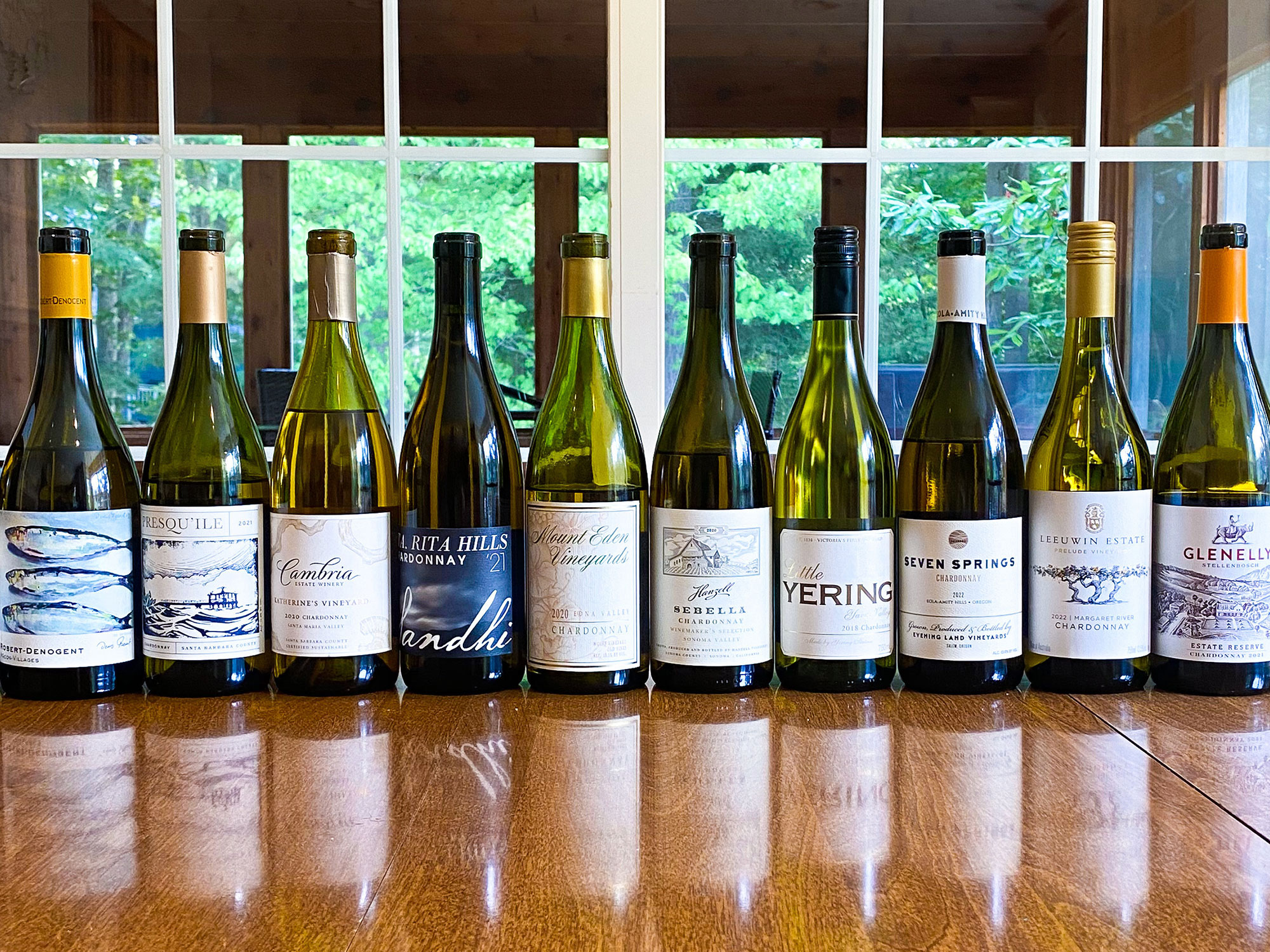
If you are building from scratch, 12 wines is a genuinely strong starting point. It is often one “case”, which tends to be discounted when purchased together. More practically, it gives you a core reference set that covers enough ground to be useful without being overwhelming.
Twelve wines, revisited consistently over several weeks, will do more for your calibration than 40 bottles opened once.
Once you have a solid foundation with your initial 12, expanding to 24 makes sense. At that point, you are adding range. More climate comparisons, more regional expressions, more structural variety to test your pattern recognition against.
Stay at 12 if you are early in your study, if you are working within a focused exam context, or if you find yourself spreading attention too thin across too many bottles. Expand toward 24 when your initial set feels genuinely internalized and you are ready to stress-test your calibration against more variation.
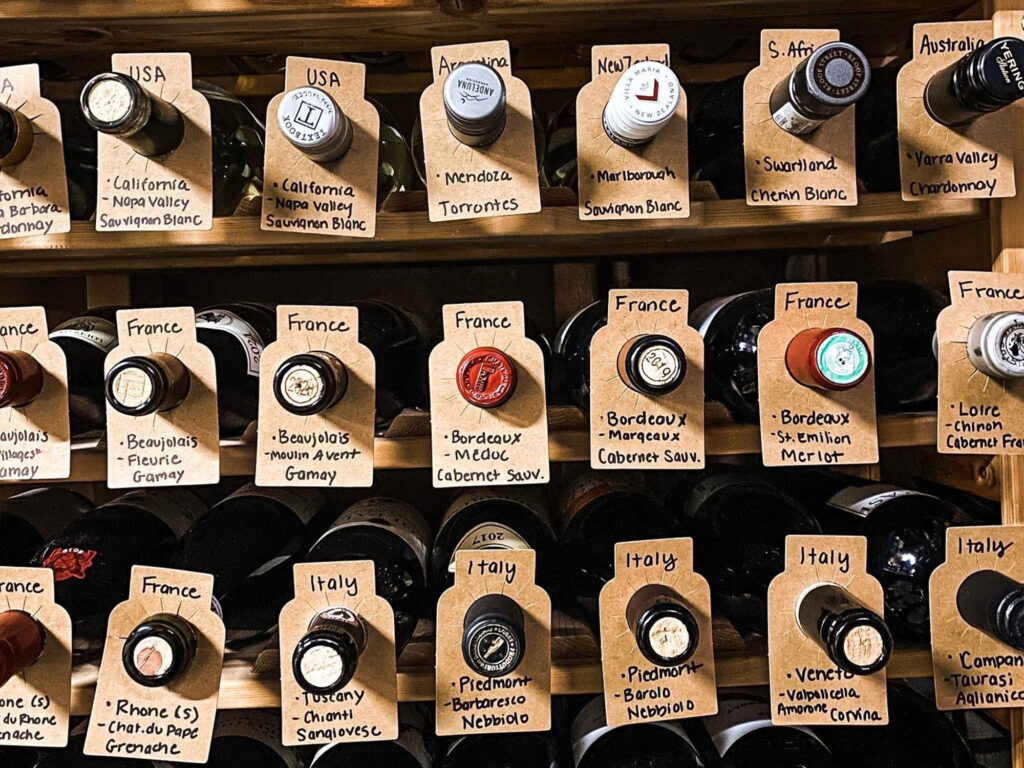
Not every bottle belongs in a practice set. Interesting or unusual wines have their place, but benchmark bottles are far more useful here.
A strong benchmark wine tends to share a few key traits:
The goal is not to chase the most interesting wine in the room. It is to build a reliable reference point you can return to again and again.
| Criterion | Why It Matters | Example |
|---|---|---|
| Representative | Builds accurate category anchors | Village-level Burgundy Pinot Noir |
| Classic features | Reflects typical structure for grape and region | Marlborough Sauvignon Blanc |
| Region and climate typicality | Teaches Old World vs. New World differences | Russian River Valley vs. Burgundy Pinot Noir |
| Repeatable | Allows you to revisit the same reference point | Obtainable, consistent producer |
| Affordable enough to revisit | Removes barrier to repetition | $20 to $30 range, generally |
The specific bottles matter less than choosing wines that are genuinely benchmark expressions of each variety.
These are the whites referenced in our beginner tasting frameworks and they are the best starting point if you are choosing six:
| Category | Example Wine | Why It Belongs |
|---|---|---|
| White | Chardonnay | Foundational white, teaches oak and texture |
| White | Pinot Grigio | Low-aromatic baseline, clean structure |
| White | Riesling | High acid, aromatic, residual sugar calibration |
| White | Sauvignon Blanc | High acid, distinctive pyrazine aromatics, good comparison anchor |
| White | Chenin Blanc | Versatile, structurally interesting |
| White | Gewürztraminer | High-aromatic anchor, teaches aromatic intensity |
| Red | Cabernet Sauvignon | Full tannin reference, dark fruit anchor |
| Red | Merlot | Softer tannin contrast to Cabernet, medium structure |
| Red | Pinot Noir | Light body, high acid, good balance of fruit and earth |
| Red | Syrah | Climate-expressive, teaches regional style differences |
| Red | Grenache | High alcohol, low tannin, distinctive profile |
| Red | Sangiovese | High acid, savory, classic Italian |
Once the core 12 feel genuinely internalized, consider adding regional comparisons: an Oregon Pinot Noir alongside your Burgundy, a warmer-climate Chardonnay alongside a Chablis-style expression, or a structured Rhône Syrah alongside a riper Australian Shiraz.
Choosing the right wines is only half of it. The other half is how you use them.
Open the bottle and taste it on its own, with a structured tasting framework. Take notes. Make a conclusion. Do not look at the label until you are done.
When possible, taste two similar wines side by side. A village Burgundy alongside a Russian River Valley Pinot Noir. A Chablis-style Chardonnay alongside a Napa Valley Chardonnay. Comparative tasting sharpens your ability to distinguish regional and climate differences faster than tasting in isolation.
Pull the same bottle (or a second bottle from the same case) a few weeks later. This is where a Coravin is very helpful! Taste it again without looking at your previous notes first. Make a fresh conclusion. Then compare.
Structured note-taking is what makes this loop useful. If you are not writing things down, you cannot track how your conclusions are shifting. Even a simple format works. Structure, aromatics, finish, conclusion. That is enough to see progress over time.
Variety feels productive. It is not always. Buying 12 different bottles with no framework for why each one belongs in your set is collection mode! You can do that too, it’s just not study mode.
Label appeal is real. But a wine that catches your eye at the shop is not necessarily a useful benchmark. Choose for typicity, not aesthetics for this!
You do not need prestigious labels to practice effectively. A modest, well-made village Burgundy will teach you more than an expensive bottle you open once and never return to. The goal is repeatability, not prestige.
This is a subtle one. When you open a bottle for dinner with friends, you are in a different mode. Enjoyment is the point. Practice requires intention. The same bottle can serve both purposes, but not at the same time. Decide before you open it what you are doing. (And make sure to open those bottles for fun also!)
| Practice Model | What It Feels Like | Likely Outcome |
|---|---|---|
| 50 wines tasted once | Broad, varied, lots of new experiences | Fragmented pattern recognition, limited calibration |
| 10 wines tasted 10 times | Focused, occasionally repetitive | Stronger benchmarks, more reliable conclusions, faster improvement |
The lesson here is simple. Choose benchmark bottles. Revisit them consistently. Start with structure, not volume.
If you are building from scratch, start with 12. Six whites, six reds, chosen for typicity and classic expression. Taste each one with a repeatable tasting process. Take structured notes. Return to them. Track what changes.
If you want help collecting these types of bottles and practicing repeatably, Tasting Group is where you can do that easily. Each month, members receive three benchmark bottles alongside a structured tasting session with the group. Most members use a Coravin or similar to preserve bottles between sessions, so they can return to the same wines over time. It is one of the most efficient ways to build a repeatable tasting process (and blind tasting collection) we have seen, because the structure is already built in.
If you are not ready for the group yet, our free Intro to Blind Tasting course is a good place to start. It covers the foundational framework that makes all of this work.
The goal for blind tasting isn’t to collect more. It’s to calibrate better!
↑ Some of the links above are affiliate links, which means that I will earn a commission if you choose to purchase them. I will never recommend anything that isn’t valuable or useful in my wine study journey, or something I have no experience with. I hope these products/resources are equally helpful in your wine journey.
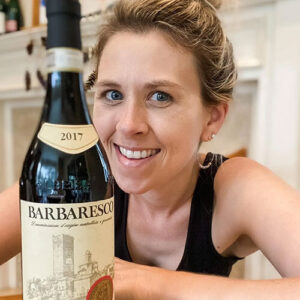
Dive into how hue reveals grape variety, winemaking choices, and aging: what subtle shades whisper about your wine.
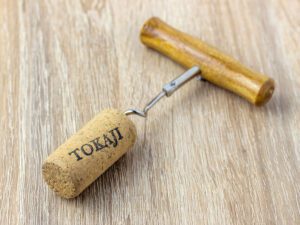
Explore Tokaji’s diverse wine styles, from the intensely sweet Eszencia and Aszú to the refreshing dry Furmint, each showcasing unique flavors and aging potential.
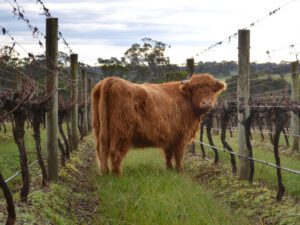
Explore how biodynamic farming integrates lunar cycles, cosmic rhythms, and holistic vineyard practices to produce wines that reflect a deep connection to nature.
(Learn to Taste or Refresh Foundations)
(Ask, Discuss, & Connect)
(Gain Tasting Confidence)
Join our totally free community, which includes:
Just submit your info to receive your invite!
By submitting, you are consenting to receive marketing emails from The Grape Grind, including much of the core educational content you’re specifically signing up for now. You can unsubscribe at any time.
Joining the free Grape Grind community means your wine tasting journey begins NOW!
STEP 1 of 2 – Fill this out:
After you click the button above, you’ll be asked to enter your email again to set up your free account. Please use this same email address to create your account.
By submitting, you are consenting to receive marketing emails from The Grape Grind, including much of the core educational content you’re specifically signing up for now. You can unsubscribe at any time.
Learn & improve your wine tasting skills for free!