Zweigelt
Make 2026 THE year.
Take 10% OFF your first 12 months of Tasting Group!
Code:
Melon de Bourgogne is a white grape best known for its deep connection to the western Loire, especially Muscadet. It is usually associated with dry, fresh, neutral wines that lean more on structure, texture, and site than on bold fruit.
At its simplest, it can be brisk, light, and seafood-friendly. At its best, it can be layered, textural, and long-lived, especially when yields are lower and lees aging is extended.
A few more notes on Melon de Bourgogne:
This guide walks through the grape’s aroma and flavor profile, structural shape, main places of origin, practical food pairings, and a few classic varieties it is often compared with.
Melon de Bourgogne is usually driven by freshness and line. Even richer examples tend to feel pulled forward by acidity rather than pushed by weight or obvious ripeness.
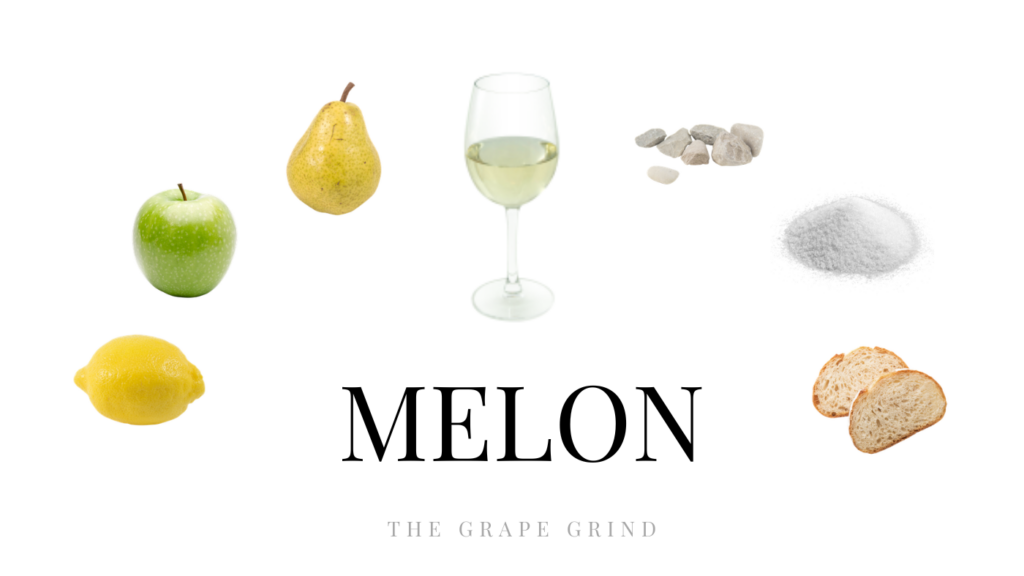
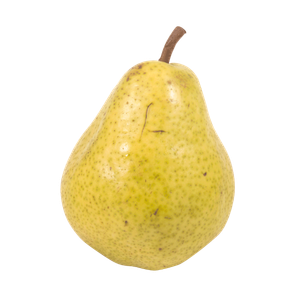
Its aromas are often low to medium in intensity, with citrus, orchard fruit, flowers, and saline or stony notes showing more restraint than any perfume.
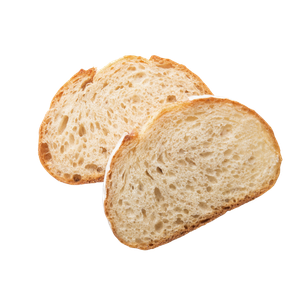
Lees aging can transform the grape, adding breadth, roundness, and persistence while keeping the wine dry, fresh, and structurally focused.
STANDARD TASTING NOTES: These are your benchmark exam-style tasting notes.
There is no “one size fits all” when it comes to structure for every grape, however, there IS a general range when it comes to body, acid, alcohol, and tannin for each. Below are general guidelines for classic representations. Growing conditions and winemaking techniques can impact each of the following.
Typical range: Light to Medium. Simpler wines stay lean and quick across the palate, while extended lees aging and lower yields can add more breadth and density.

Typical range: Medium (+) to High. Freshness is the grape’s clearest structural marker, often showing as a vivid, linear shape with a dry, precise finish.

Typical range: Medium (-) to Medium. Melon de Bourgogne usually feels moderate rather than powerful, with alcohol supporting the wine quietly instead of driving the style.

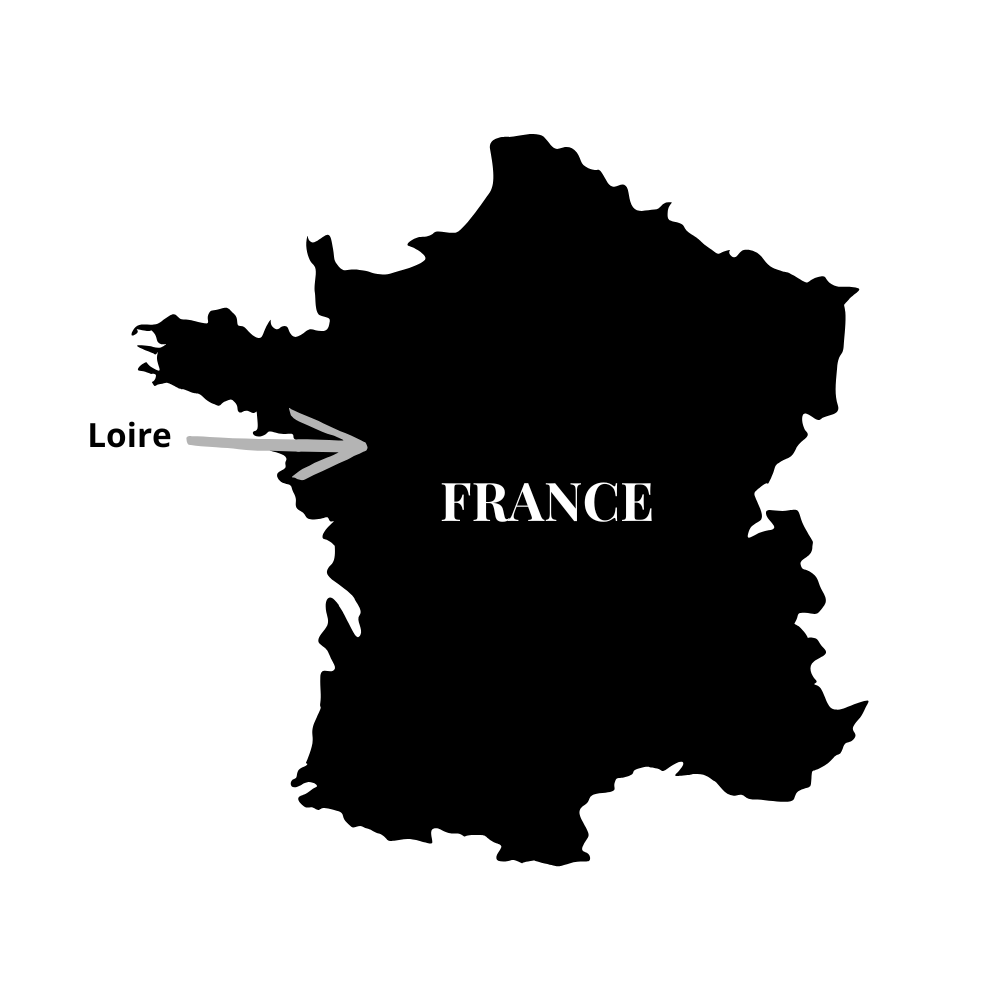
Loire, Muscadet
Melon de Bourgogne originated in Burgundy, but its modern identity is firmly rooted in the Nantes vineyards of the western Loire, where it became a key replanting choice after the severe winter of 1709. Across the region, its expression shifts subtly with place:
Muscadet Sèvre-et-Maine, influenced by the Sèvre and Maine rivers and a patchwork of gneiss, granite, gabbro, and schist, tends to show the most structure and aging potential, often deepened by lees aging;
Muscadet Côtes de Grandlieu, shaped by the nearby lake, leans a bit softer and rounder, with a gentler texture;
Muscadet Coteaux de la Loire, further inland along the Loire River, can feel lighter and more linear;
& the broader Muscadet appellation often captures the freshest, most straightforward expressions.
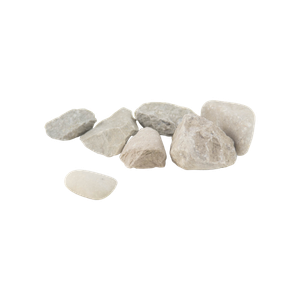
Across all areas, the cool maritime climate preserves acidity, the old crystalline soils contribute to mineral tension, and winemaking, especially time on lees, plays a central role in building texture, complexity, and that signature saline, slightly bitter-edged finish.
In the United States, Melon de Bourgogne has a small but active presence in Oregon, where it’s treated as a cool-climate, Loire-inspired variety with some stylistic flexibility.
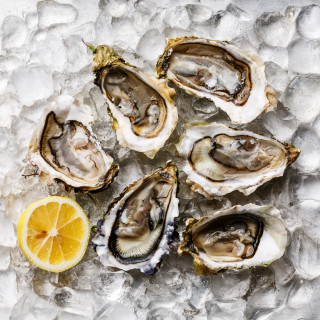
This is the classic match for a reason. Melon de Bourgogne’s high freshness, dry finish, moderate alcohol, and frequent saline or iodine-like notes help clear brine and sweetness from the palate without getting in the way.
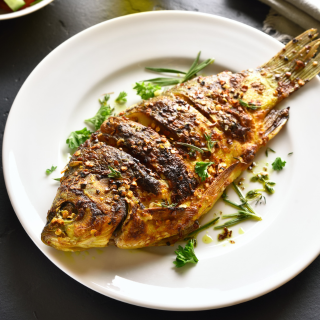
Grilled fish is a natural fit because Melon’s acidity cuts through the slight richness from the grill, while its subtle saline, mineral edge mirrors the smoky, charred flavors. At the same time, its light phenolic grip helps it hold structure alongside the protein, keeping the pairing clean, focused, and lifted rather than flat.
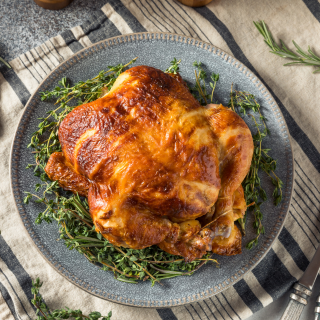
More structured bottles work especially well here. Subtle herbal notes in the wine echo herbs like sage, fennel, or tarragon, while its acidity lifts the richness of the roasted chicken and keeps the dish feeling lively. That slight bitter edge and firm texture help the wine hold its ground alongside the crispy skin and savory depth.
Serious bottles often show better at a slightly warmer serving temperature, especially with richer seafood or poultry dishes.
(common confusions)
(Learn to Taste or Refresh Foundations)
(Ask, Discuss, & Connect)
(Gain Tasting Confidence)
Join our totally free community, which includes:
Just submit your info to receive your invite!
By submitting, you are consenting to receive marketing emails from The Grape Grind, including much of the core educational content you’re specifically signing up for now. You can unsubscribe at any time.
Joining the free Grape Grind community means your wine tasting journey begins NOW!
STEP 1 of 2 – Fill this out:
After you click the button above, you’ll be asked to enter your email again to set up your free account. Please use this same email address to create your account.
By submitting, you are consenting to receive marketing emails from The Grape Grind, including much of the core educational content you’re specifically signing up for now. You can unsubscribe at any time.
Learn & improve your wine tasting skills for free!