The Future of Wine Packaging & a Brief History of Wine Bottles
Discover how wine bottles evolved from fragile glass to iconic shapes, and how packaging influences perception, preservation, and the modern wine experience.
Make 2026 THE year.
Take 10% OFF your first 12 months of Tasting Group!
Code:
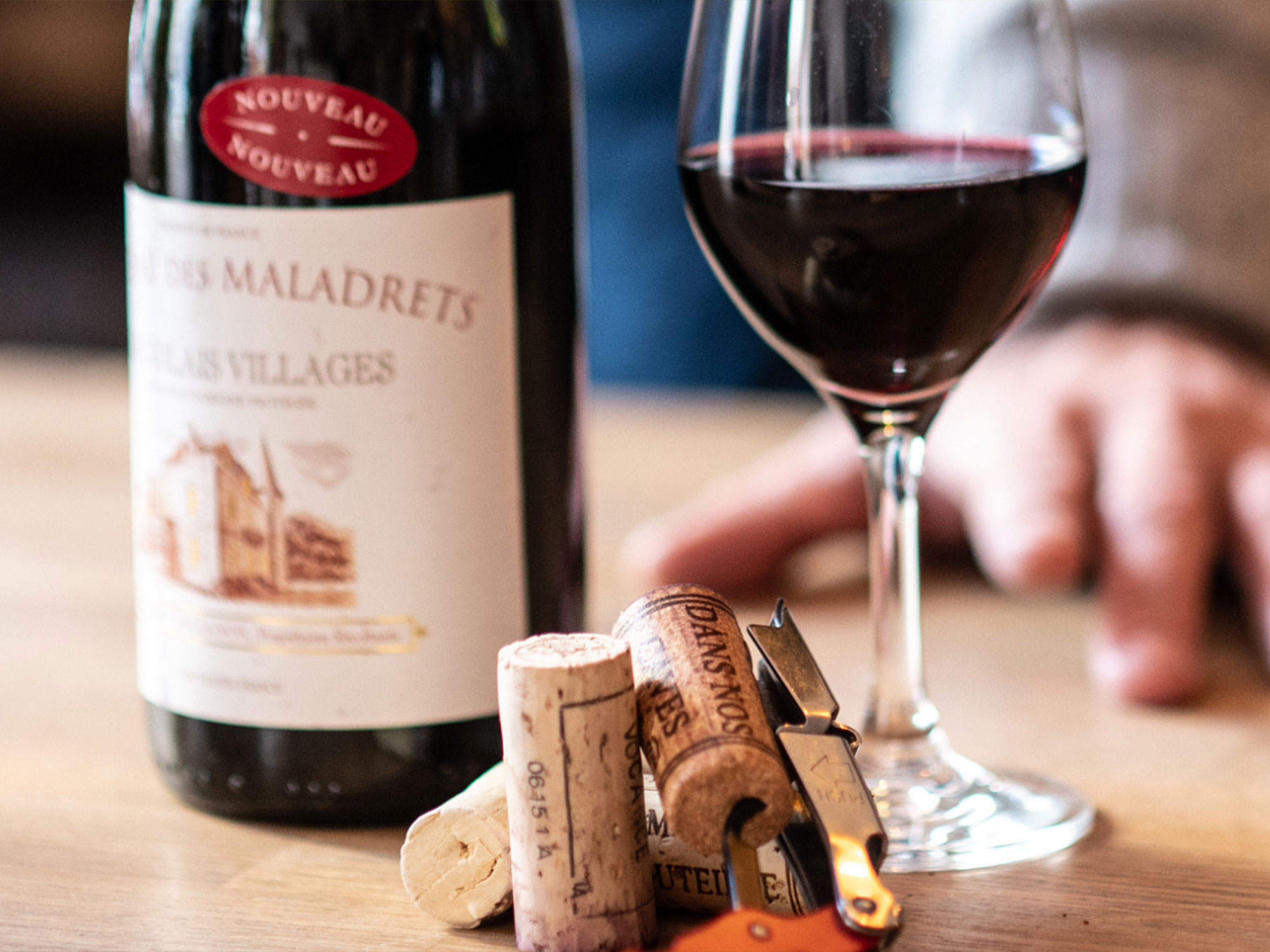
Photo credit: © Vins du Beaujolais / sadiksansvoltaire
Many wine consumers think that they know Beaujolais because they have heard of, or tried, the wine style “Beaujolais Nouveau”. But this region, located south of the Mâconnais in Burgundy, has so much more to offer than this festive wine. For example, did you know that this region also produces high quality wines that some regard as ideal red Burgundy alternatives? Or that Beaujolais was the launching pad of a popular winemaking technique, now widely used around the world? Or that it’s THE birthplace of the natural wine movement that started in the village of Morgon and spread globally? Or that the region has more than 300 soil variations in its vineyards earning it an “UNESCO Global Geopark” designation?
Clearly, Beaujolais is so much more than “Nouveau”. However, it is this style that drew the world’s attention to the region, even though it overshadowed most of the other wine gems within!
No wine brings more cheer-just at the mention of its name- than Beaujolais Nouveau. It is a simple light wine, made from the Gamay grapes, with low tannins, fresh bright acidity and aromas of red fruits like strawberry, raspberry and cherry. The wine also has the signature aromas of candied fruits, banana and bubble gum that develop because of the winemaking method, called semi-carbonic maceration. Interestingly, this technique was invented by Beaujolais native Jules Chauvet in the 1950s and is now widely used around the world thanks to the Beaujolais wines’ success.
Beaujolais Nouveau is specifically made for early drinking. It is quickly produced, bottled and released to the world, typically 7 to 9 weeks after harvest, and widely drunk while celebrating “Beaujolais Nouveau Day” on the third Thursday of November.
Traditionally, this wine was drunk in the region to celebrate the end of the harvest and was first commercialized in 1951. However, it was in 1985, in a stroke of marketing genius, that the INAO, the organization overseeing the appellations and wine quality in France, set the third Thursday of November as the official release date of Beaujolais Nouveau- strategically coinciding with Thanksgiving celebration. The organization then brilliantly promoted the wine as a perfect match to the occasion’s big feast.
The cheerful fruitiness of the wine and its association with Thanksgiving celebration, helped in the rise of this wine style, with Japan and the USA being the biggest importers.
After Beaujolais Nouveau reached the height of its fame and sales in 1999, its quality and popularity started declining. It is this radical deterioration of quality in the winery and the increase of pesticides and chemical products in the vineyard that gave rise to the organic farming and natural wine movement that rebelliously emerged in Beaujolais to combat it.
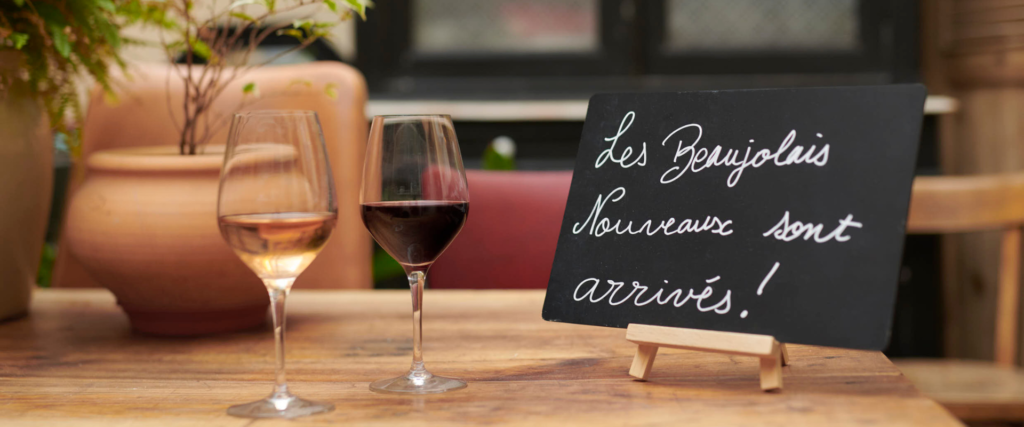
There are wines of great value and affordability coming out of Beaujolais. Just like in other French wine regions, their quality is reflected in the hierarchy of the appellation system. There are the wines labeled “Beaujolais AOC”, and these are basic Gamay wines. On top of those are the wines labeled “Beaujolais Village AOC”, and they are of higher quality and slightly pricier but have historically offered the best value. These are produced from specific 38 villages in the north of the region. Because of the fruitiness, low tannins and medium alcohol levels of these wines, they are ideally served lightly chilled- a valuable advantage aligned with the recent trends and consumers’ preferences in red wines.
And then at the very top- for now- is 10 top villages or “CRUs” that have consistently produced the best of Beaujolais wines and are responsible for 47% of the wine production in the region. These wines are typically of high quality, more structured and richer, with the best of them having the ability to age well in the bottle.
The 10 Crus in Beaujolais are Saint-Amour, Juliénas, Chénas, Moulin-à-Vent, Fleurie, Chiroubles, Morgon, Régnié, Brouilly, and Côte de Brouilly. These designations will be on the label, in lieu of Beaujolais. The wines they produce are very distinctive from each other, thanks to the mosaic of soils in the region. They can generally be grouped into 3 categories according to the styles they typically produce:
Soft, light and perfumed styles: Saint Amour, Fleurie, Chiroubles
More medium bodied wines: Juliénas, Régnié, Côte de Brouilly and Brouilly
Most powerful and rich: Chénas, Morgon and Moulin-à-Vent.
It’s worth noting here that the Cru Moulin-à-Vent has historically followed the traditional Burgundian vinification method, so the wines produced tend to have “Pinot-like” characteristics and have the ability to age. These wines have been hinted at as a replacement to the much more expensive red Burgundy up north. They have been in demand for their great value and affordability but recently the demand is rising and so are the prices, but still not as much as the wines deserve, according to the producers.
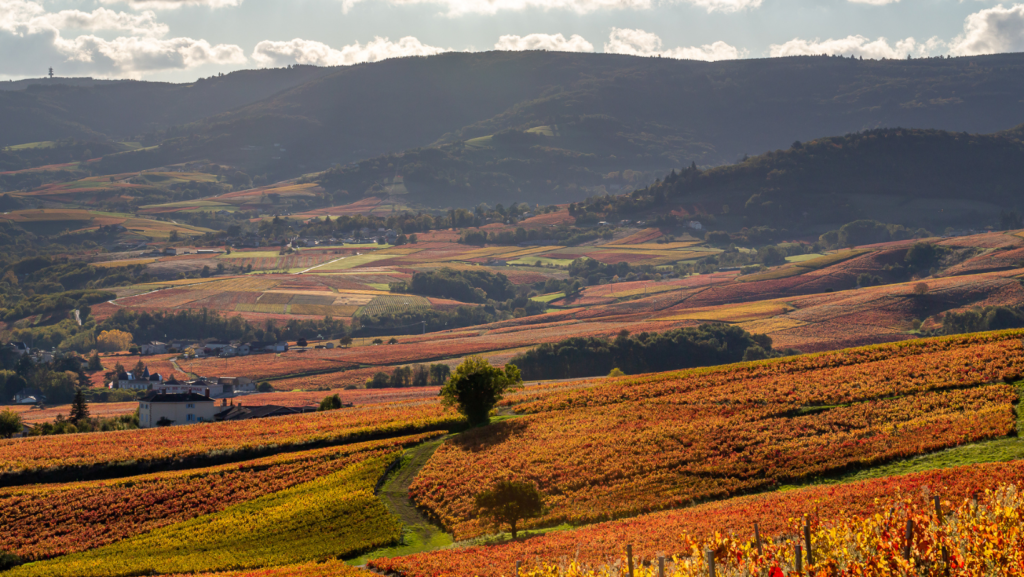
Struggling with the image of their wines being confused with the popular fruity Beaujolais Nouveau and not getting the value they deserve, several of the Beaujolais Cru are trying to upmarket their higher quality wines to command premium prices, by applying for the “Premier Cru” status for their top vineyard sites.
These sites, that historically and consistently produce exceptional quality wines, are known as “lieux- dits” and their names usually appear on the label along with the name of the Cru. There are almost 600 of these sites in the Beaujolais Cru area and famous examples are Côte du Py in Morgon, La Madone in Fleurie, and Champ de Cour in Moulin-à-Vent.
Producers are hoping that having “Premier Cru” on the wine label will be an undeniable stamp of high quality and a justification for the premium price. Spearheading this very complicated and challenging process is Fleurie that has already submitted its request and application to gain the Premier Cru status to a number of its “lieux-dits”. Brouilly, Côte de Brouilly, Moulin-à-Vent are following suit. It’s worth noting that these processes can take up to a decade to finalize and grant the prestigious status to the worthy lands.
Other than the premiumization of some of the Cru sites, Beaujolais is also busy increasing its rosé production, capitalizing on the global market’s thirst for fresh rosé wines. The rosé bottles sold has grown by 35% in just 4 years, according to the overseeing organization “Inter Beaujolais” and the production currently stands at 2% of the total wine production-compared to 95% red wine production. The production of white wines made from the Chardonnay grapes is also on the rise.
Beaujolais seems to have it all: the festive Beaujolais Nouveau, the chillable good value Beaujolais Village, the fresh young rosé wines and the high-quality traditional Beaujolais Cru. The region produces the whole spectrum of styles that are potentially sought out and preferred by consumers today and the future looks bright and lucrative. And while Beaujolais is waiting to become officially premium and the Premier Cru designations are assigned and stamped, consumers should seek out more Beaujolais wines- while they still can.
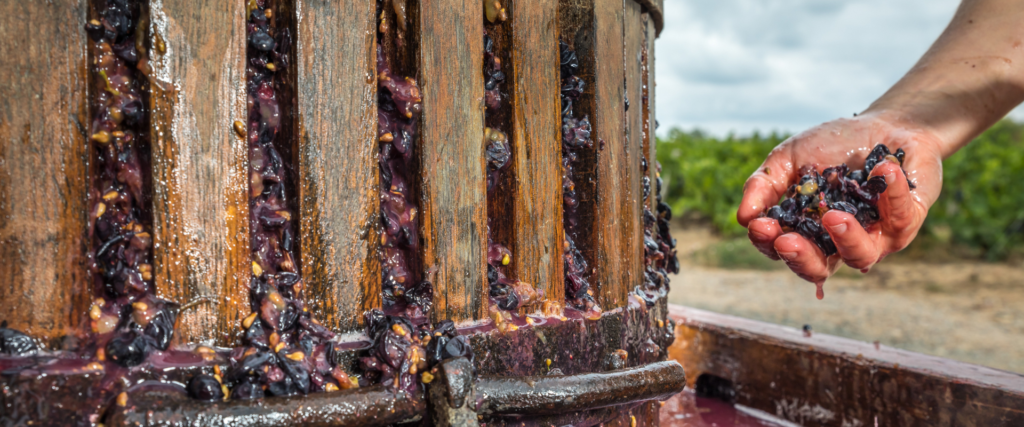
Discover how wine bottles evolved from fragile glass to iconic shapes, and how packaging influences perception, preservation, and the modern wine experience.
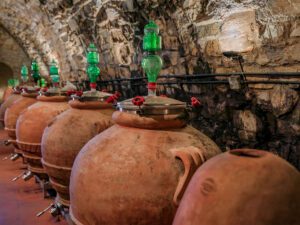
Experience the revival of ancient winemaking: amphoras offer natural fermentation, micro-oxygenation, and a pure expression of terroir, all while reducing tannin bitterness.
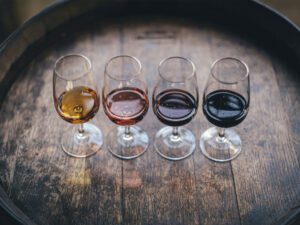
What you need to know to sharpen your palate: compare, contrast, and learn how styles diverge in the glass.
(Ease into wine tasting basics!)
(Build on basics & learn to blind taste!)

By submitting, you are consenting to receive marketing emails from The Grape Grind. You can unsubscribe at any time.
Grab our two totally FREE courses:
(Ease into wine tasting basics!)
(Build on basics & learn to blind taste!)
Just enter your email and we’ll send them right away!
By submitting, you are consenting to receive marketing emails from The Grape Grind. You can unsubscribe at any time.
Learn to taste & BLIND taste wine: