Sylvaner
Make 2026 THE year.
Take 10% OFF your first 12 months of Tasting Group!
Code:
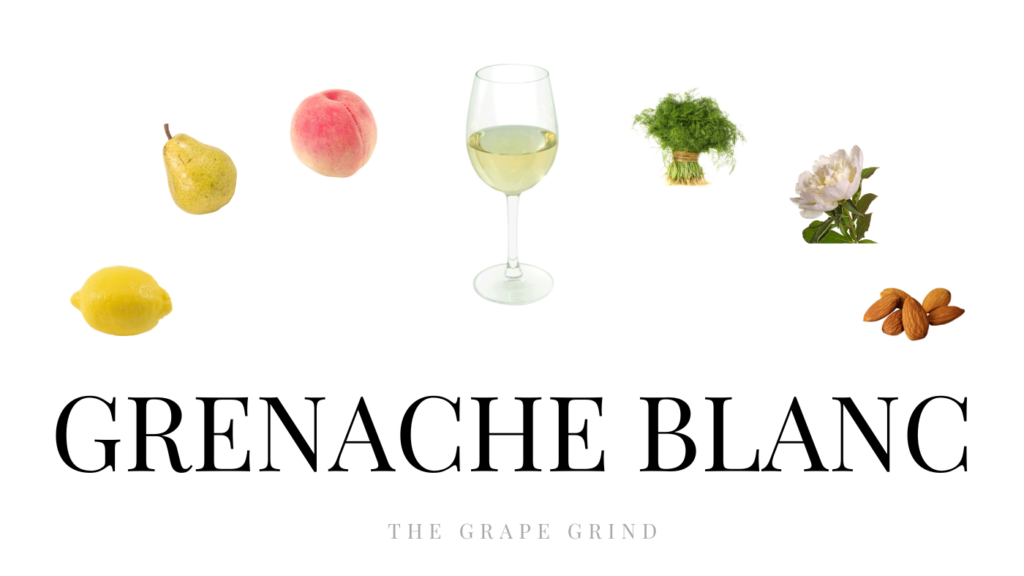
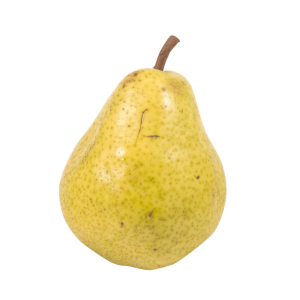
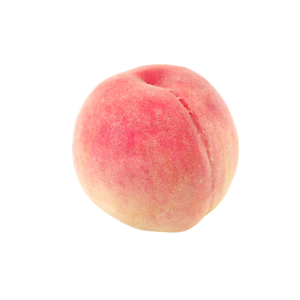
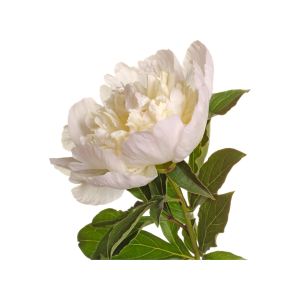
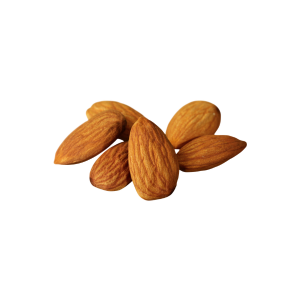
Grenache Blanc is a white grape variety from the wider Grenache family. It is the white-berried mutation of dark-berried Grenache, and it is best known for making big, full-bodied dry wines with moderate acidity, savory length, and flavors that often sit between citrus, orchard fruit, stone fruit, herbs, and almond.
It is closely associated with northeastern Spain and the western Mediterranean, especially places like Catalonia, Roussillon, and the southern Rhône. Depending on harvest timing and winemaking, it can be fresh and citrus-led, rich and lees-textured, oak-influenced, skin-contact, sweet, or oxidative.
A few more notes on Grenache Blanc:
This guide walks through what Grenache Blanc smells and tastes like, how its structure usually shows up in the glass, where it comes from, what to pair with it, and which other grapes it can resemble.
Grenache Blanc often feels generous on the palate, with medium-plus to full body and plenty of mid-palate volume even when the aromas stay fairly restrained.
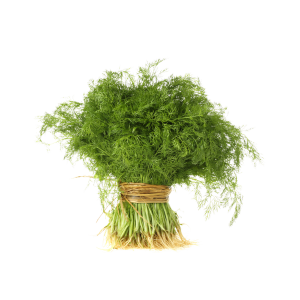
Beyond fruit, it often shows fennel, dried herbs, almond, and a long pithy finish that gives the wine shape and food-friendly character.
Its texture can range from waxy and glycerol-rich to creamy from lees or lightly phenolic, depending on harvest timing and winemaking choices.
STANDARD TASTING NOTES: These are your benchmark exam-style tasting notes.
There is no “one size fits all” when it comes to structure for every grape, however, there IS a general range when it comes to body, acid, alcohol, and tannin for each. Below are general guidelines for classic representations. Growing conditions and winemaking techniques can impact each of the following.
Typical range: medium to full. Grenache Blanc usually carries good volume and a generous texture, with body shaped by alcohol, extract, lees influence, and sometimes mild phenolic weight.

Typical range: medium-minus to medium-plus. Acidity is often moderate rather than sharp, and harvest timing is crucial because longer hang time can lower freshness as sugars rise.

Typical range: medium to high. The grape accumulates sugar readily in warm, sunny regions, so alcohol often becomes a major part of its structure and overall impression.

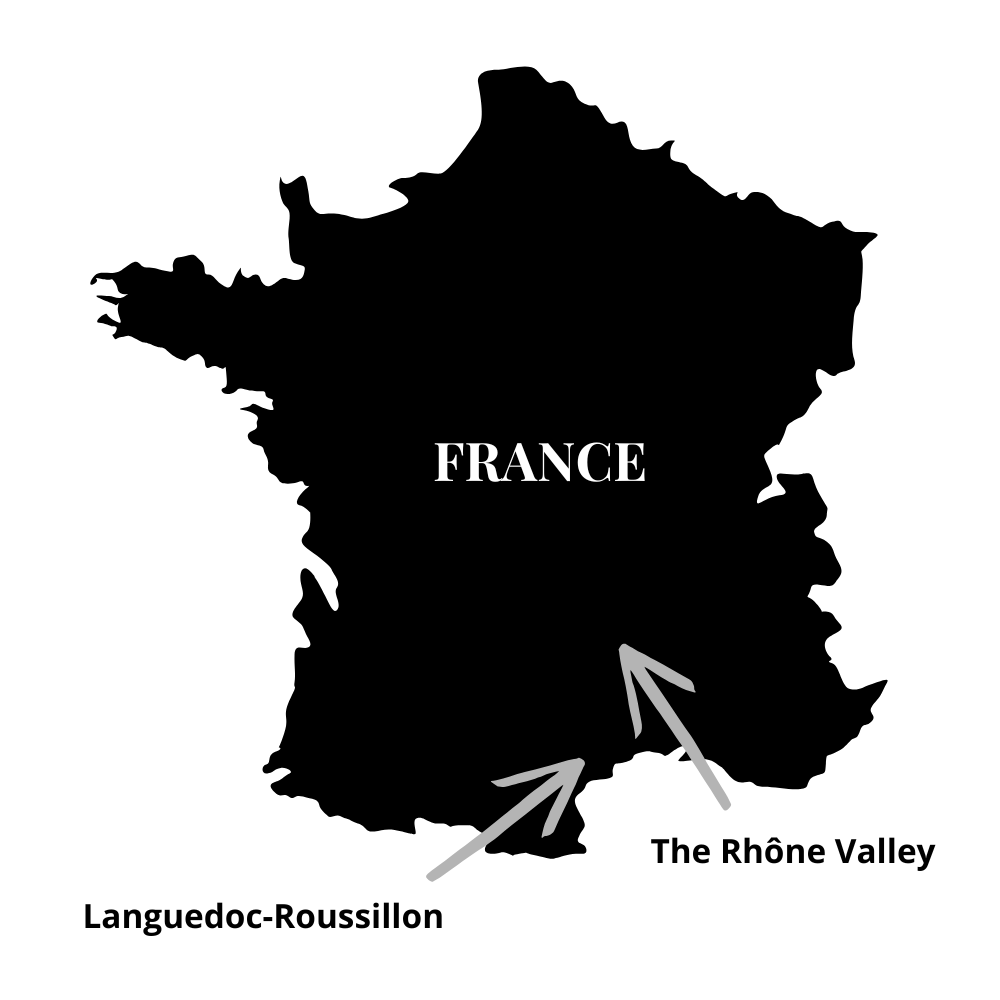
Roussillon, Southern Rhône
Grenache Blanc has been established in southern France for centuries, becoming particularly important in the Southern Rhône, Languedoc, and Roussillon. It thrives in the region’s hot, dry Mediterranean climate, where its natural heat and drought tolerance allow it to ripen fully. In the Southern Rhône, it is an important blending grape, adding body, richness, and texture to white wines such as Châteauneuf-du-Pape Blanc. In Roussillon, the landscape is more rugged, with mountains, elevation, poor soils, and strong winds helping to balance Grenache Blanc’s naturally full, low-acid style. Think: warm climate = ripeness and alcohol; cooler sites and elevation = freshness and balance.
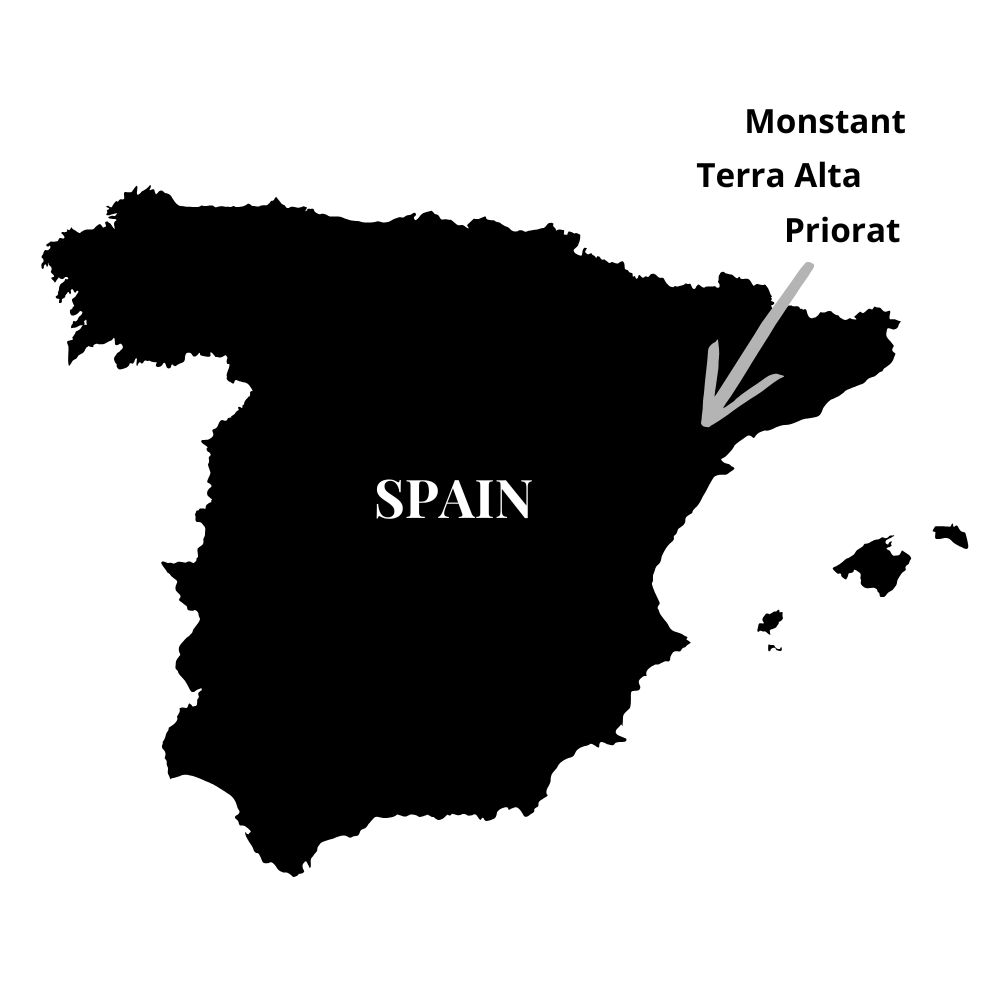
Terra Alta, Priorat
Grenache Blanc, known as Garnacha Blanca in Spain, has deep roots in northeastern Spain, particularly Catalonia, where it is an important traditional variety. It is especially associated with Terra Alta, Priorat, and Montsant, where the hot, dry Mediterranean climate suits its natural heat and drought tolerance. Terra Alta is particularly important, producing rich, textured Garnacha Blanca from limestone and clay soils and often from old vines. In the more mountainous areas of Priorat and Montsant, elevation and cooler nights can help preserve freshness in an otherwise warm climate. Historically, Garnacha Blanca was often used in blends, but today you’ll find increasingly impressive varietal wines, showing its characteristic full body, moderate acidity, herbal notes, and ability to develop with age.
Other important producing areas include Rioja, Navarra, Aragón, California, South Africa, and Australia, where style depends heavily on altitude, cooling influence, and harvest timing.
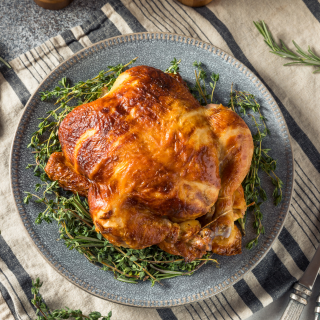
Grenache Blanc’s medium-plus to full body makes it comfortable with roast chicken, while its herbal and savory notes echo thyme, fennel, or rosemary. If the wine has enough acidity or citrus-pith grip, it keeps the pairing from feeling too soft.
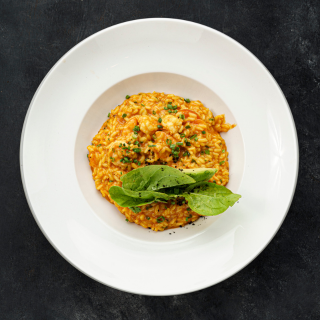
This works especially well with a lees-aged or textural style. The wine’s palate weight can match the creamy texture of risotto, and its moderate acidity plus savory finish help cut through richness without fighting delicate seafood flavors.
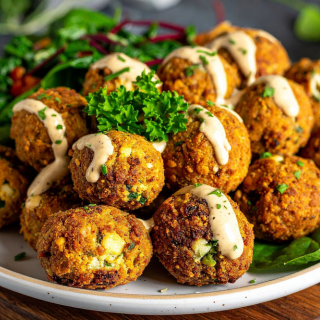
A more phenolic or skin-contact Grenache Blanc can handle smoky edges, earthy chickpeas, and warm spice surprisingly well. The grape’s bitterness, body, and savory length give it enough grip for the dish without needing red-wine tannin.
For spicy food, fresher and lower-alcohol examples tend to work better than the broadest, warmest styles.
(common confusions)
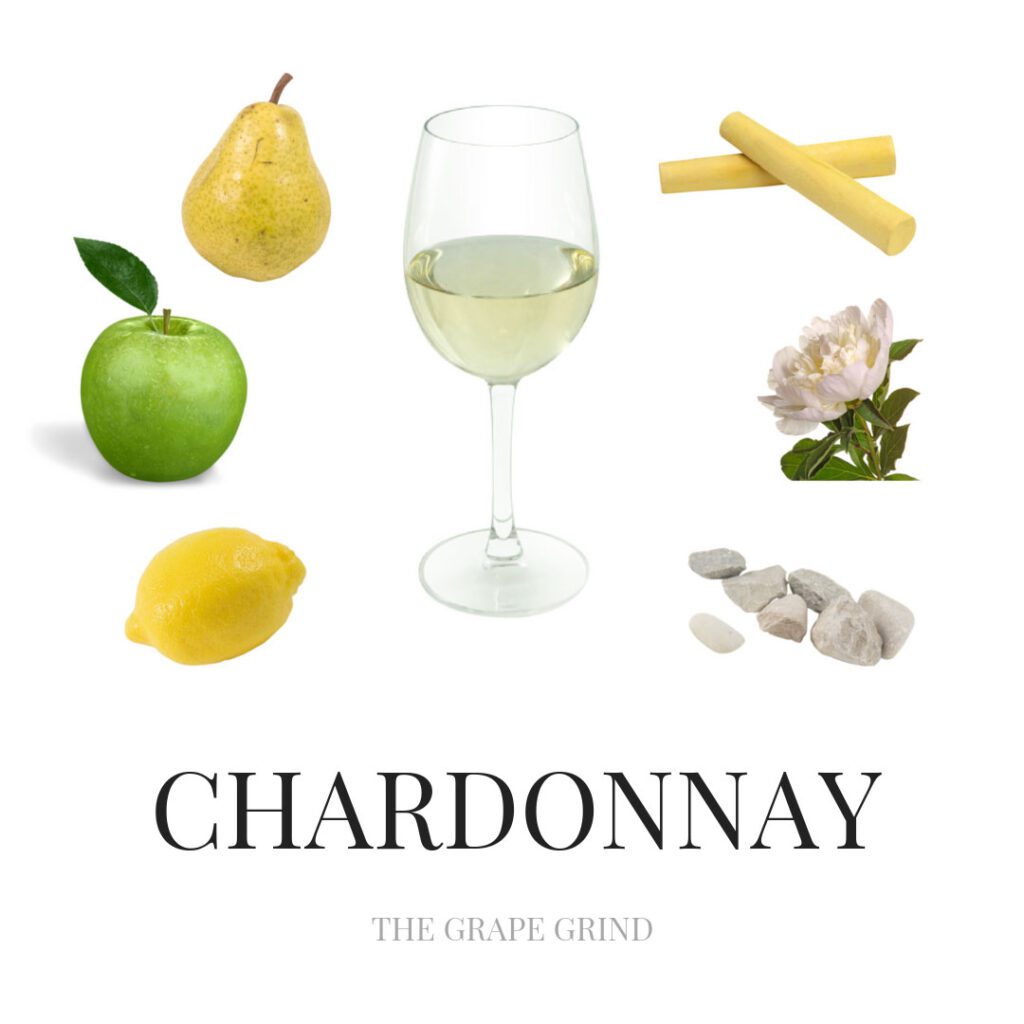
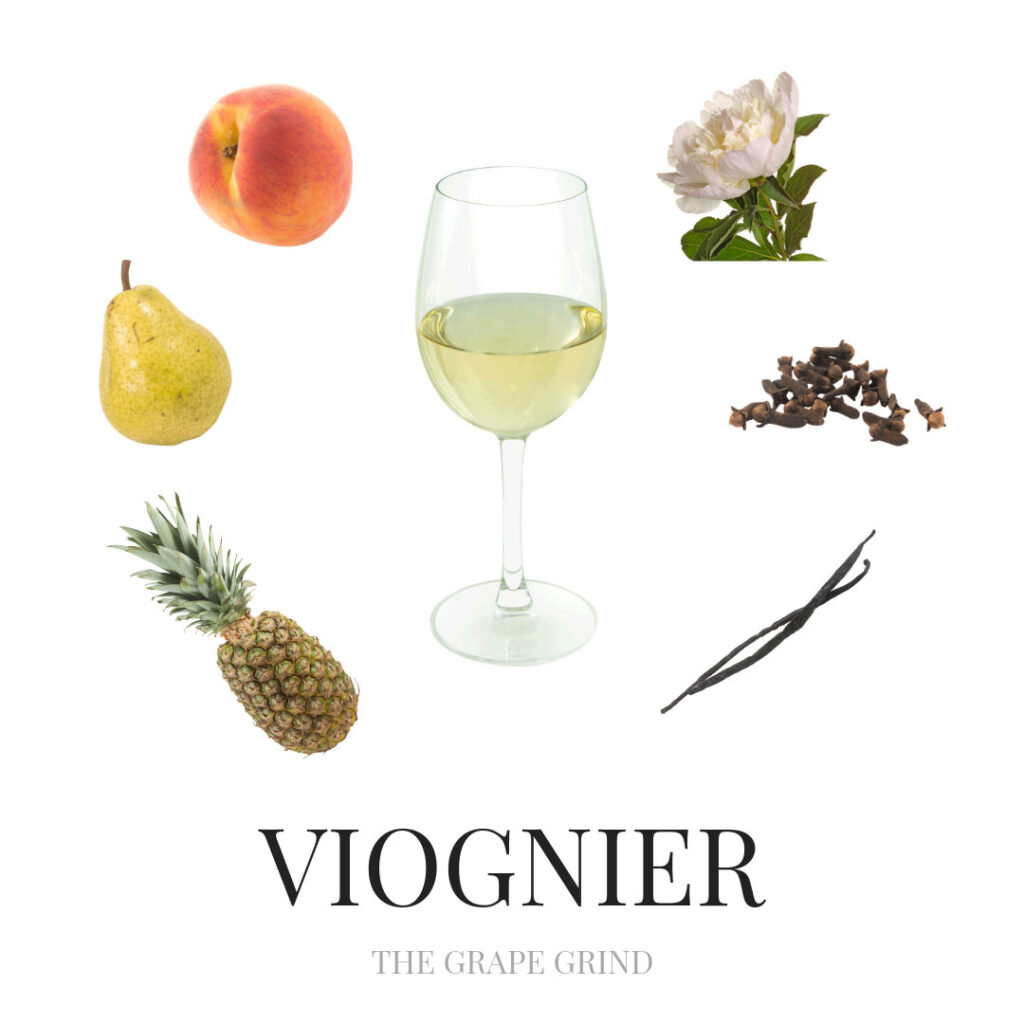
(Learn to Taste or Refresh Foundations)
(Ask, Discuss, & Connect)
(Gain Tasting Confidence)
Join our totally free community, which includes:
Just submit your info to receive your invite!
By submitting, you are consenting to receive marketing emails from The Grape Grind, including much of the core educational content you’re specifically signing up for now. You can unsubscribe at any time.
Joining the free Grape Grind community means your wine tasting journey begins NOW!
STEP 1 of 2 – Fill this out:
After you click the button above, you’ll be asked to enter your email again to set up your free account. Please use this same email address to create your account.
By submitting, you are consenting to receive marketing emails from The Grape Grind, including much of the core educational content you’re specifically signing up for now. You can unsubscribe at any time.
Learn & improve your wine tasting skills for free!