Marsanne
Make 2026 THE year.
Take 10% OFF your first 12 months of Tasting Group!
Code:
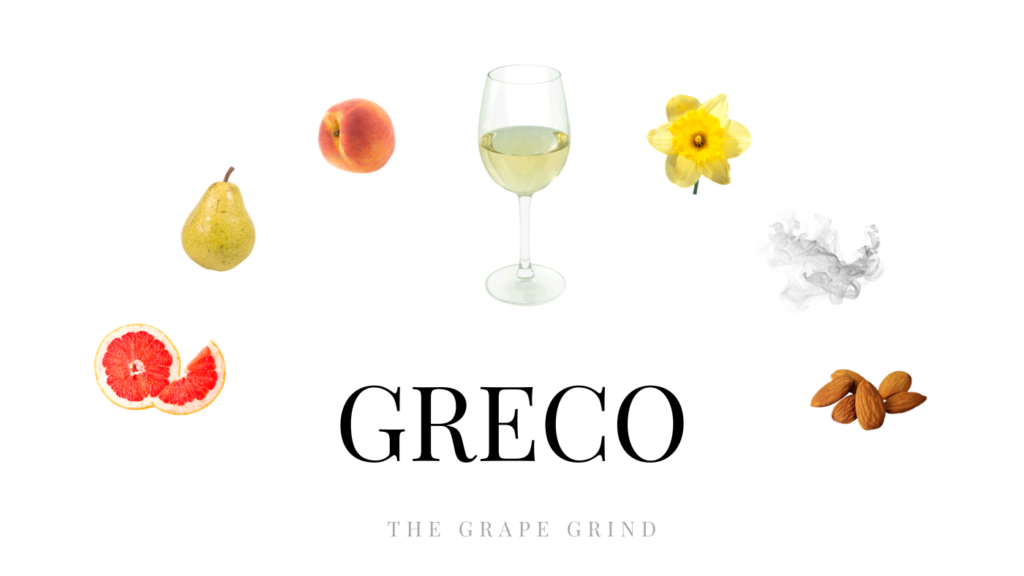
Greco is a white grape mainly grown in southern Italy, especially in Campania, where it’s most famously made into Greco di Tufo wines.
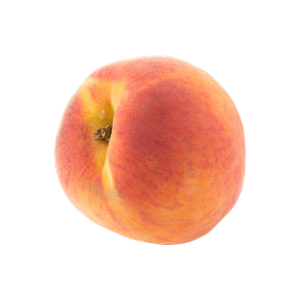
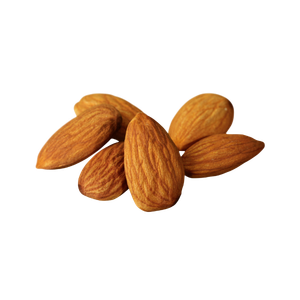
It is a semi-aromatic variety and it stands out for how it feels in the mouth: it has fresh acidity, a fuller texture, a salty, mineral edge, and a dry finish with light bitter almond notes.
This is a grape with a serious side. Greco can be fresh and citrusy when young, broader and more textural with lees or oak influence, and impressively ageworthy in stronger examples from inland Campania.
A few more notes on Greco:
From here, we will look at Greco’s aroma and flavor profile, its structure, where it comes from, what foods it suits, and which other grapes it is most often confused with.
Greco often tastes more savory than overtly fruity, with salinity, almond-toned bitterness, and dry spice playing a central role in its identity.
This is a white grape with real structure. Its acidity, extract, and slight phenolic grip give it a dry, decisive shape on the palate.
Greco can combine citrus and orchard fruit with flowers, herbs, smoke, and nutty notes, especially as site and winemaking choices become more visible.
STANDARD TASTING NOTES: These are your benchmark exam-style tasting notes.


There is no “one size fits all” when it comes to structure for every grape, however, there IS a general range when it comes to body, acid, alcohol, and tannin for each. Below are general guidelines for classic representations. Growing conditions and winemaking techniques can impact each of the following.
Typical range: Medium to Full. Greco often has notable body and dry extract, giving it breadth on the palate without making it feel soft or creamy by default.

Typical range: Medium (+) to High. Acidity is one of Greco’s defining features, often showing as a firm, saline line that keeps the wine tense and ageworthy.

Typical range: Medium to Medium (+). Alcohol usually supports the wine’s weight rather than leading it, though later harvests can push it higher.

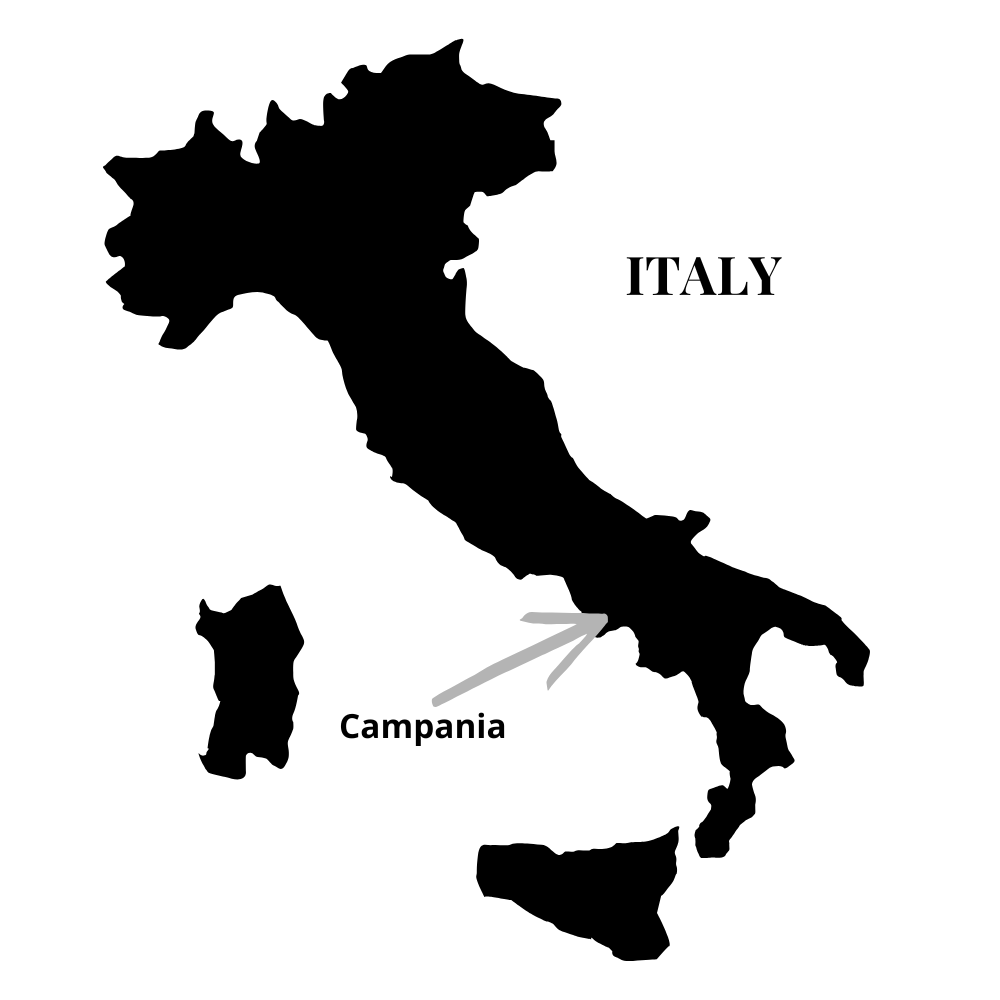
Campania, especially Irpinia and Greco di Tufo
Greco is a native white grape of southern Italy, now most strongly rooted in Campania’s inland hills of Irpinia. Its name (“Greco,” meaning Greek) hints at an ancient tradition linking it to Greek settlers in southern Italy, though its modern identity was ultimately shaped by centuries of adaptation to Campania’s rugged interior.
In Irpinia, especially the Greco di Tufo zone, vineyards are tied to inland hills, Apennine influence, and a complex mix of clay, limestone, volcanic material, and sulfur-rich tuffaceous soils. These conditions help produce wines marked by citrus, pear, salinity, almond, and often a flinty or smoky firmness. Within the area, Tufo and Prata di Principato Ultra are associated with harder-edged, more mineral wines, while Santa Paolina and Montefusco often show rounder fruit and broader texture.
Other producing areas mentioned for Greco include Puglia, Basilicata, and parts of Lazio, though Campania remains its clearest qualitative home.
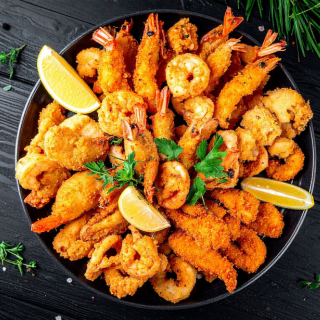
This is where Greco’s structure really shows off. Its bright acidity cuts through richness, while the slight phenolic grip keeps it from disappearing next to the crunch and oil. The saline edge also echoes the sea-fried character, making each bite of calamari or fritto misto feel cleaner, sharper, and more lifted.
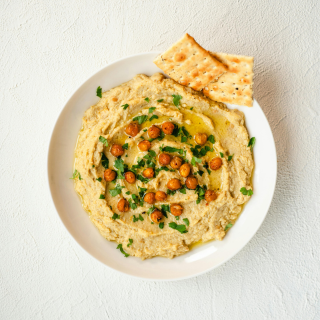
Greco works here through texture and weight rather than contrast. The wine’s firm acidity and subtle bitterness match the earthy, creamy depth of chickpeas, while its savory, slightly almond-tinged finish mirrors the nutty character of tahini or olive oil. It keeps richer preparations feeling balanced instead of heavy.
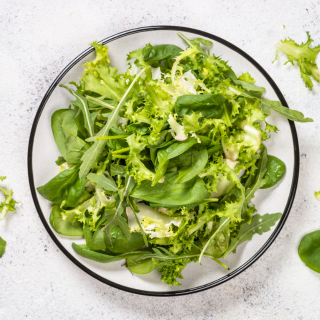
Greco is one of those whites that actually embraces bitterness instead of fighting it. The wine’s saline drive and citrus tension lift cooked greens like chicory, rapini, or spinach, while its phenolic edge finds common ground with their natural bite. Rather than softening the bitterness, it frames it, making the whole dish taste more vivid and structured.
Broader, lees-influenced examples can also work well with richer fish, roast chicken, or creamier risotto.
(common confusions)
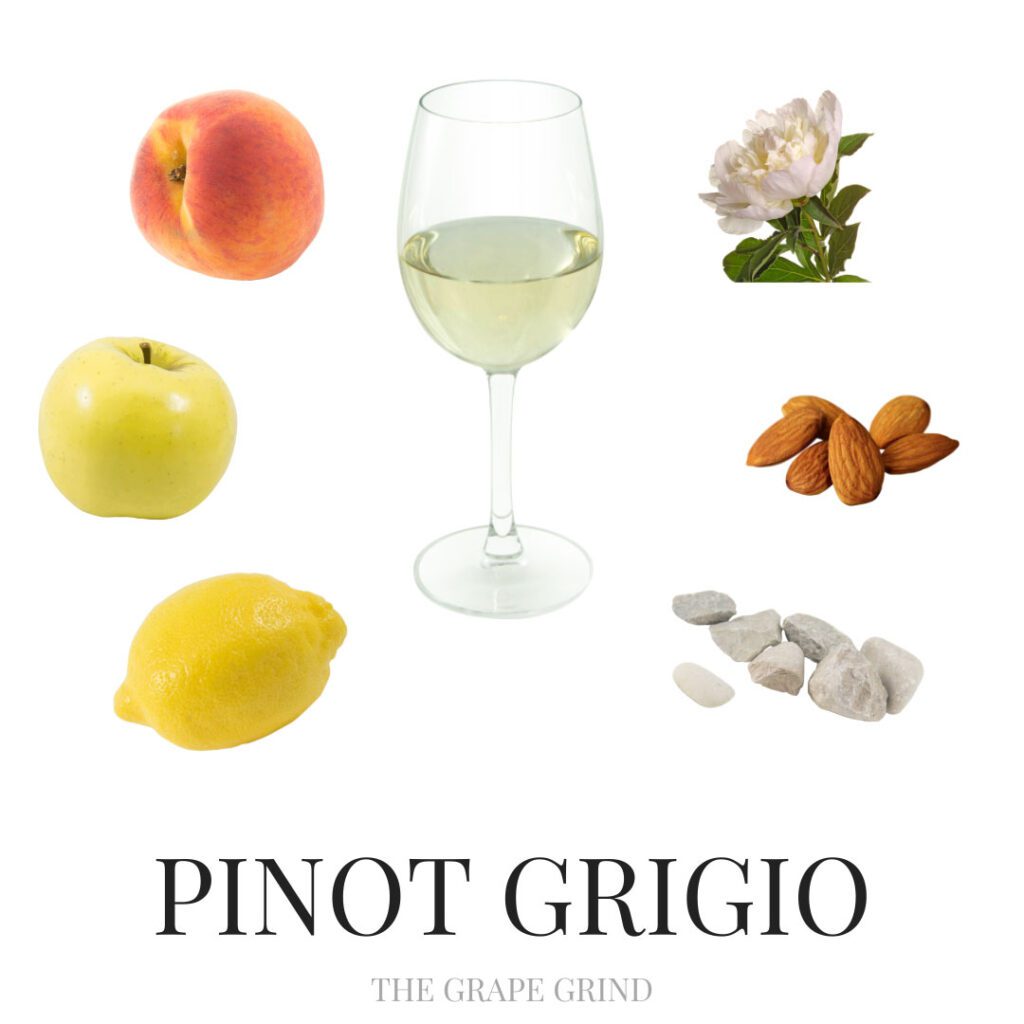
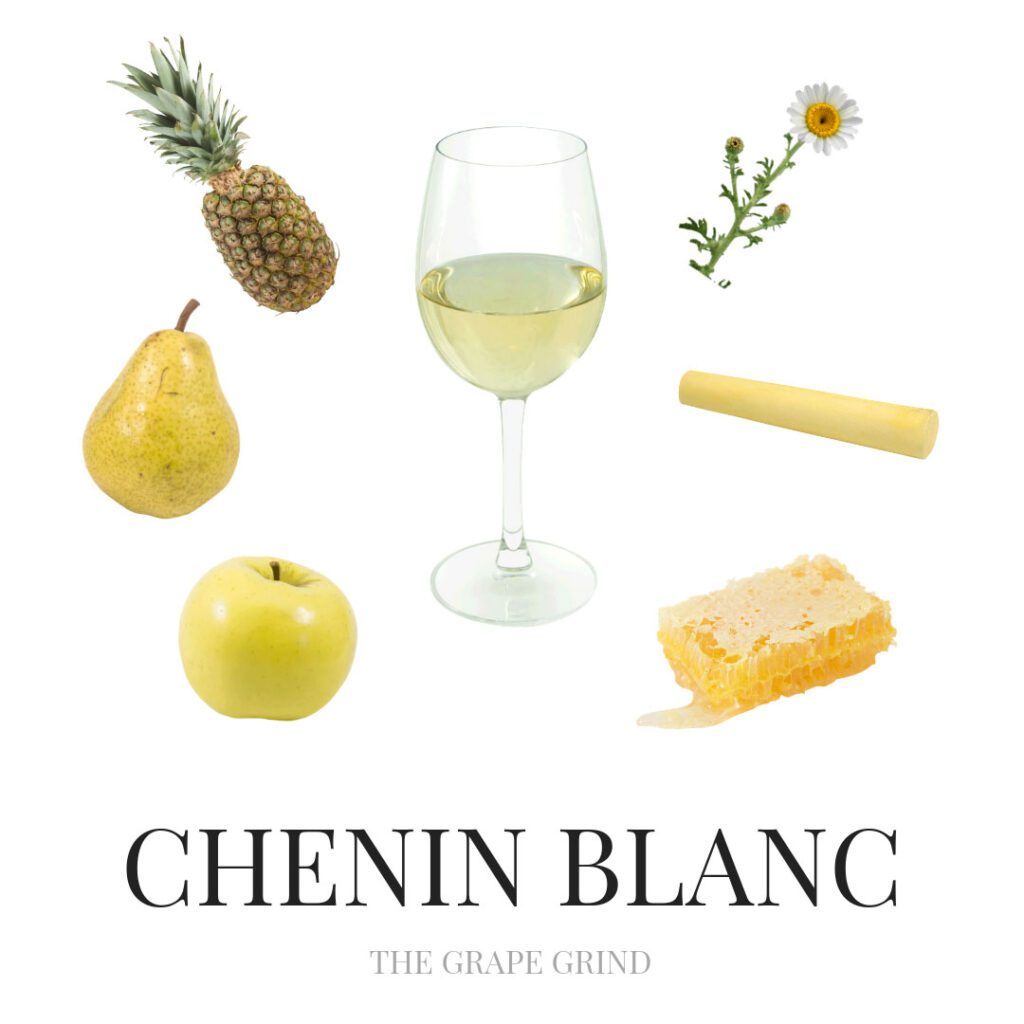
(Learn to Taste or Refresh Foundations)
(Ask, Discuss, & Connect)
(Gain Tasting Confidence)
Join our totally free community, which includes:
Just submit your info to receive your invite!
By submitting, you are consenting to receive marketing emails from The Grape Grind, including much of the core educational content you’re specifically signing up for now. You can unsubscribe at any time.
Joining the free Grape Grind community means your wine tasting journey begins NOW!
STEP 1 of 2 – Fill this out:
After you click the button above, you’ll be asked to enter your email again to set up your free account. Please use this same email address to create your account.
By submitting, you are consenting to receive marketing emails from The Grape Grind, including much of the core educational content you’re specifically signing up for now. You can unsubscribe at any time.
Learn & improve your wine tasting skills for free!