Grenache Blanc
Make 2026 THE year.
Take 10% OFF your first 12 months of Tasting Group!
Code:
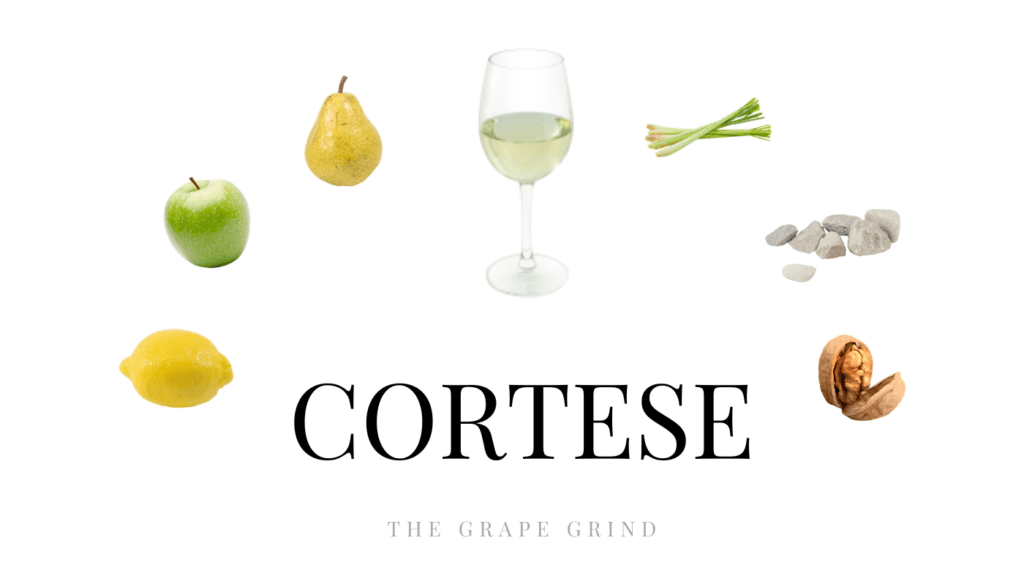
Cortese is a white grape variety best known for producing crisp, restrained wines with high acidity and subtle flavor. It is most closely associated with southeastern Piedmont in Italy, where it forms the backbone of Gavi wines.
If you appreciate fresh, food-friendly whites that shine through nuance rather than power, Cortese is a grape to know. It is not showy. It is precise, linear, and quietly expressive when grown and handled well.
A few more notes on Cortese:
This guide walks through how Cortese typically smells and tastes, how it is structured on the palate, where it comes from, what foods it works with, and which other grapes it is most often confused with.
Cortese is driven by acidity. It feels bright and refreshing, often with a zesty edge that keeps the palate alert from start to finish.
Aromas and flavors tend to be restrained rather than loud. Cortese rewards attention, offering nuance instead of intensity.
The wine usually moves cleanly from start to finish, with little mid-palate weight and a focused, mineral-tinged close.
STANDARD TASTING NOTES: These are your benchmark exam-style tasting notes.
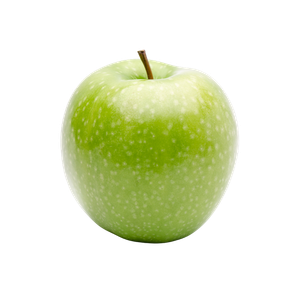
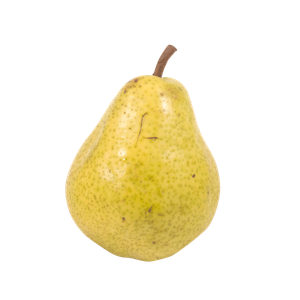
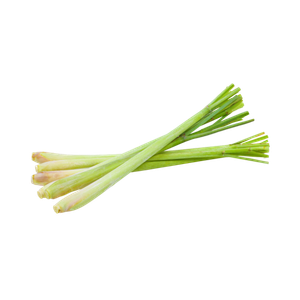
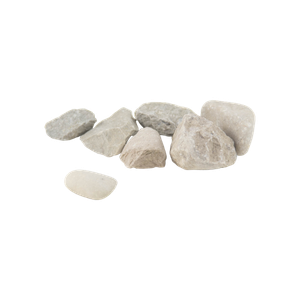
There is no “one size fits all” when it comes to structure for every grape, however, there IS a general range when it comes to body, acid, alcohol, and tannin for each. Below are general guidelines for classic representations. Growing conditions and winemaking techniques can impact each of the following.
Cortese typically feels light and streamlined, with just enough weight to avoid thinness, especially when lees contact is used.

Acidity is a defining feature. It comes across as crisp and mouthwatering, often giving the wine a lively edge.

Alcohol levels are usually lower to moderate, supporting balance and freshness without adding heat or richness.


Piedmont, especially Gavi
Gavi
This is the reference point for Cortese. Gavi is a DOCG in southeastern Piedmont, where it has been cultivated for centuries. The grape thrives on the region’s limestone and marl rich soils, which, combined with the temperate climate near the Liguria border, help preserve its bright acidity and subtle minerality. Within this zone, Gavi di Gavi refers specifically to wines from the town of Gavi itself, often considered the benchmark for Cortese: these vineyards, often on south- and southwest-facing slopes, produce slightly riper, more aromatic wines with the signature almond-tinged finish that exemplifies the grape at its best.
Outside Gavi, Cortese appears in other parts of Piedmont and in smaller amounts in Lombardy and Veneto, often in simpler or blended styles.
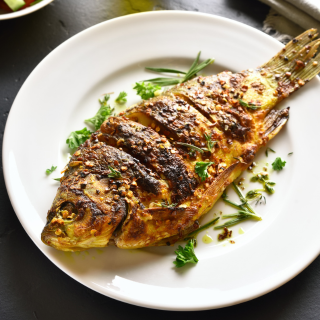
Cortese’s high acidity and light body lift delicate fish dishes, cutting through olive oil and highlighting clean, savory flavors without overpowering them.
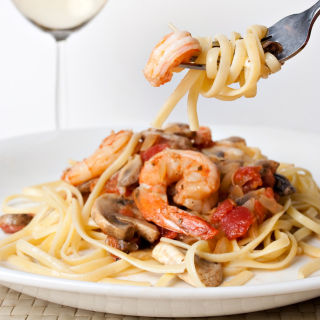
The wine’s citrus-driven profile and saline notes echo the natural sweetness of shellfish and balance garlic- or oil-based sauces.
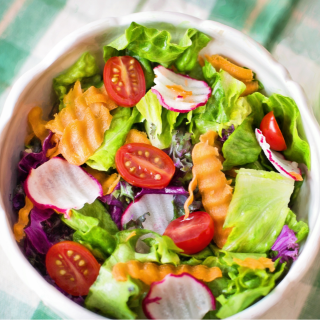
Herb-forward preparations, spring vegetables, or lightly dressed salads work well, as Cortese stays fresh and does not clash with green flavors.
(common confusions)
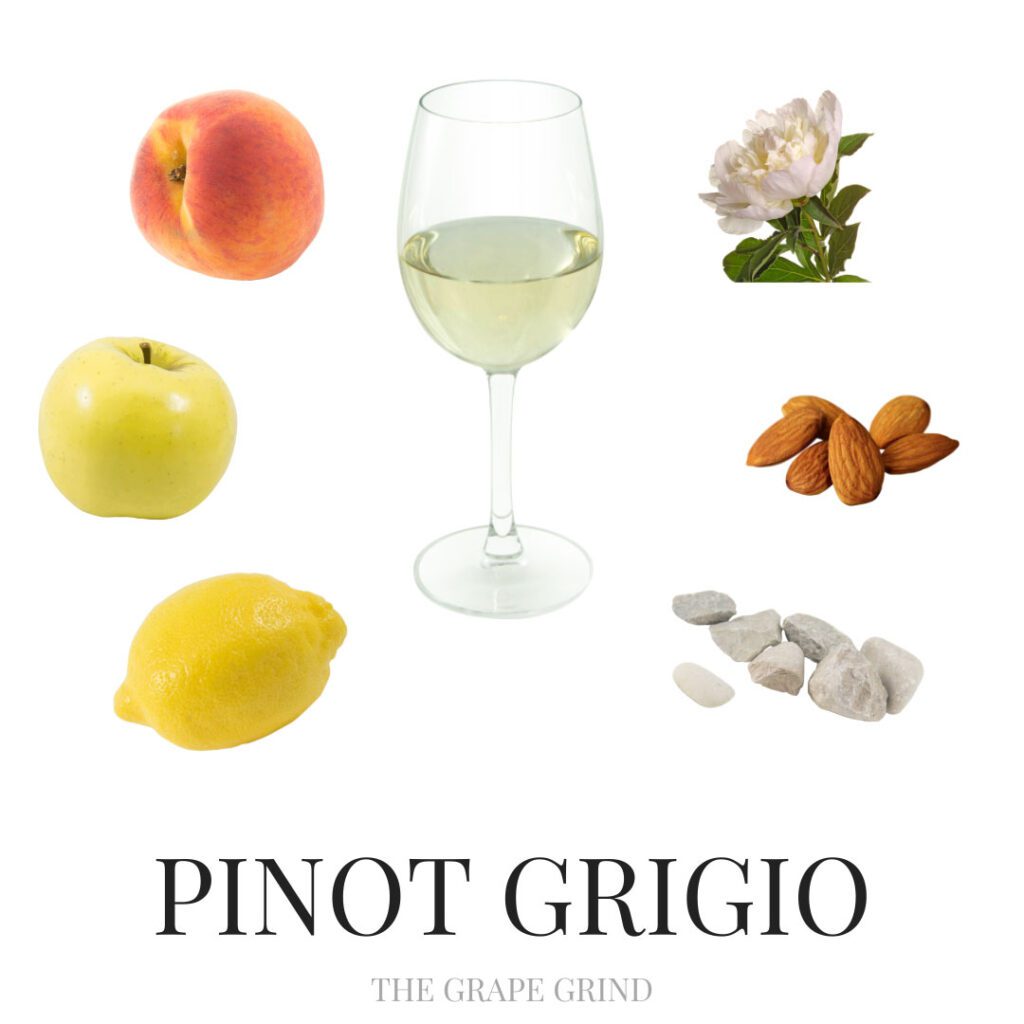
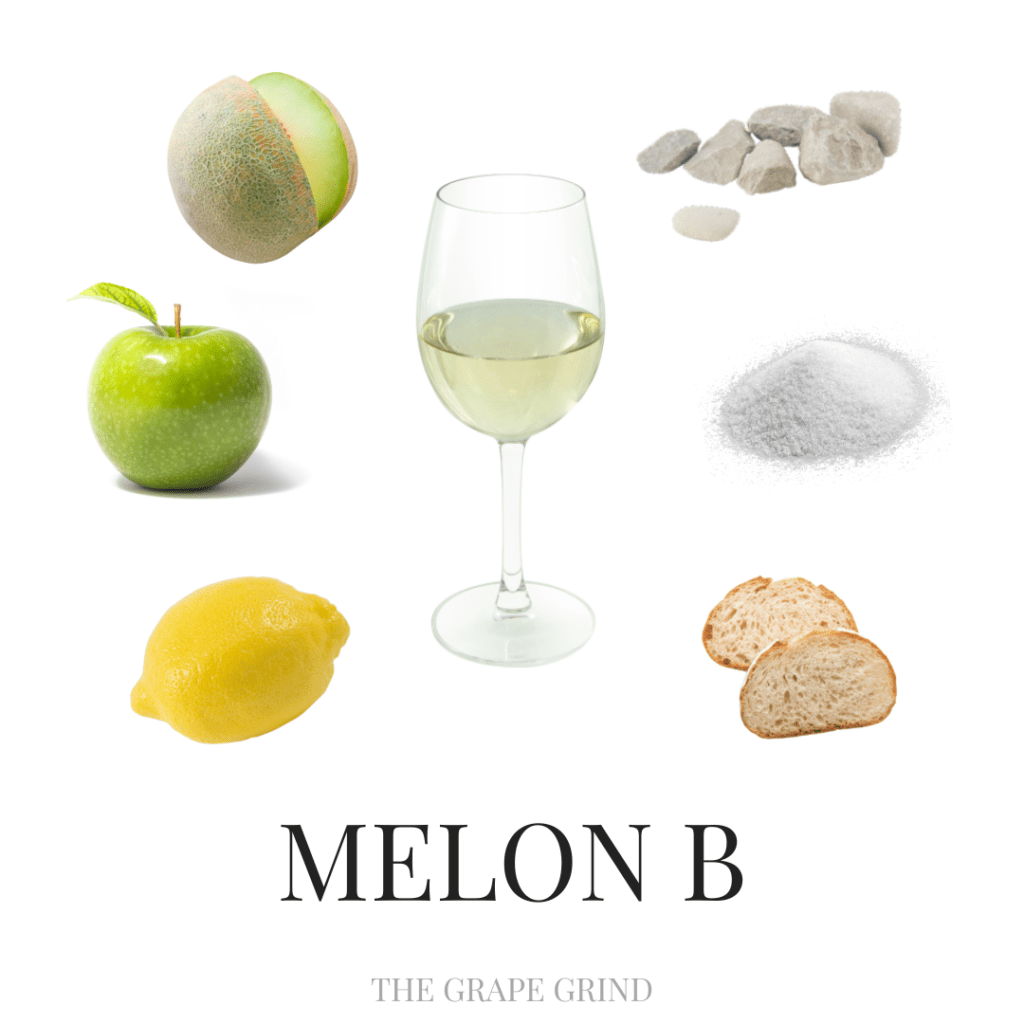
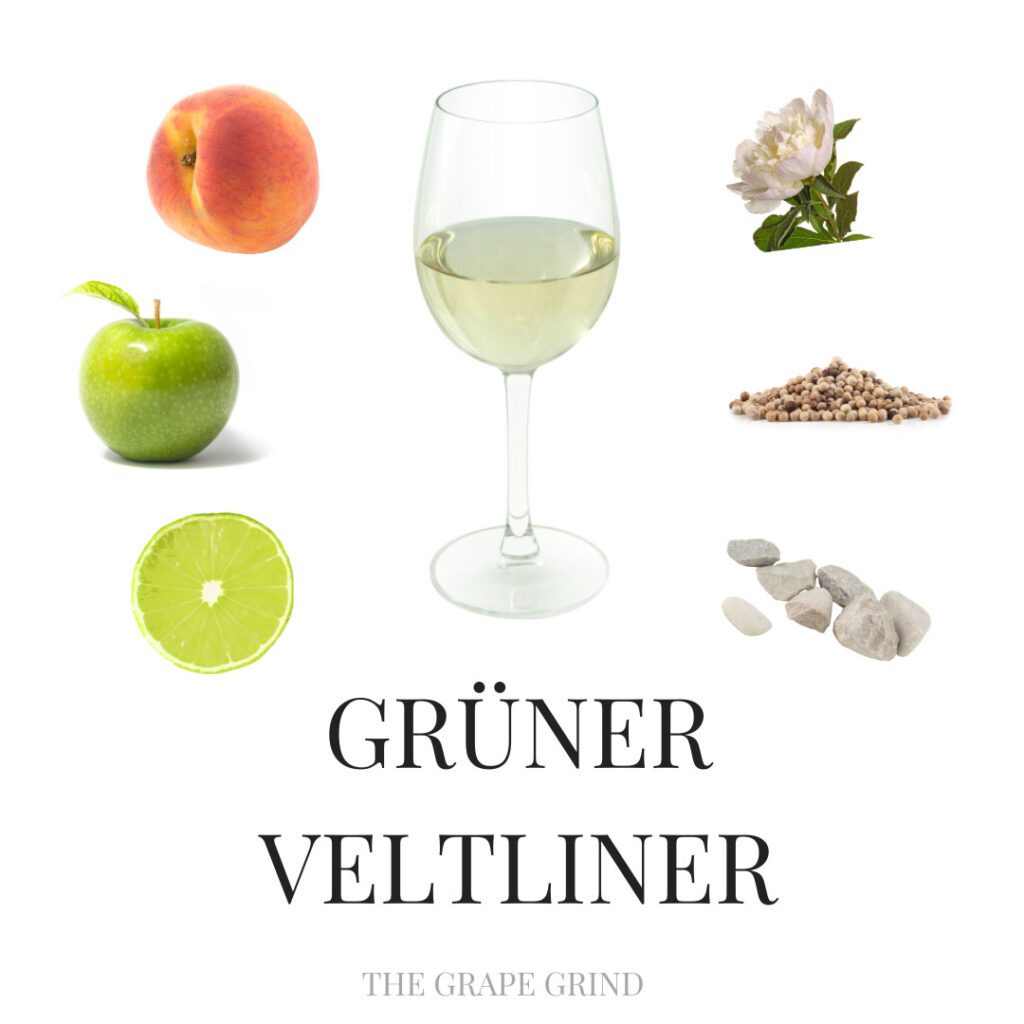
↑ Wine.com is an affiliate partner. We earn a small referral commission at no extra cost to you! I will never recommend anything that isn’t valuable to me or something I have no experience with. If you’d rather shop local, just jot these wines down – most stores are happy to order them if they can!
(Learn to Taste or Refresh Foundations)
(Ask, Discuss, & Connect)
(Gain Tasting Confidence)
Join our totally free community, which includes:
Just submit your info to receive your invite!
By submitting, you are consenting to receive marketing emails from The Grape Grind, including much of the core educational content you’re specifically signing up for now. You can unsubscribe at any time.
Joining the free Grape Grind community means your wine tasting journey begins NOW!
STEP 1 of 2 – Fill this out:
After you click the button above, you’ll be asked to enter your email again to set up your free account. Please use this same email address to create your account.
By submitting, you are consenting to receive marketing emails from The Grape Grind, including much of the core educational content you’re specifically signing up for now. You can unsubscribe at any time.
Learn & improve your wine tasting skills for free!