Tempranillo
Make 2026 THE year.
Take 10% OFF your first 12 months of Tasting Group!
Code:
Assyrtiko is a white grape variety indigenous to Greece, most closely associated with the island of Santorini. It is known for producing dry white wines with striking acidity, firm structure, and a strong sense of place.
Most famously grown in Santorini’s volcanic soils, Assyrtiko has built a reputation as one of the few white grapes that retains high acidity even in very warm, dry climates, making its wines distinctive and age-worthy.
A few more notes on Assyrtiko:
This guide walks through how Assyrtiko typically tastes, how it feels on the palate, where it comes from, how it pairs with food, and which other grape varieties it is most often compared to.
Assyrtiko wines are known for their firm framework, combining high acidity with notable extract and phenolic grip, giving the wine a sense of weight and tension uncommon for many white varieties.
Even when fully ripe and grown in warm climates, Assyrtiko consistently shows pronounced acidity, creating a sharp, mouthwatering profile that defines the grape’s character.
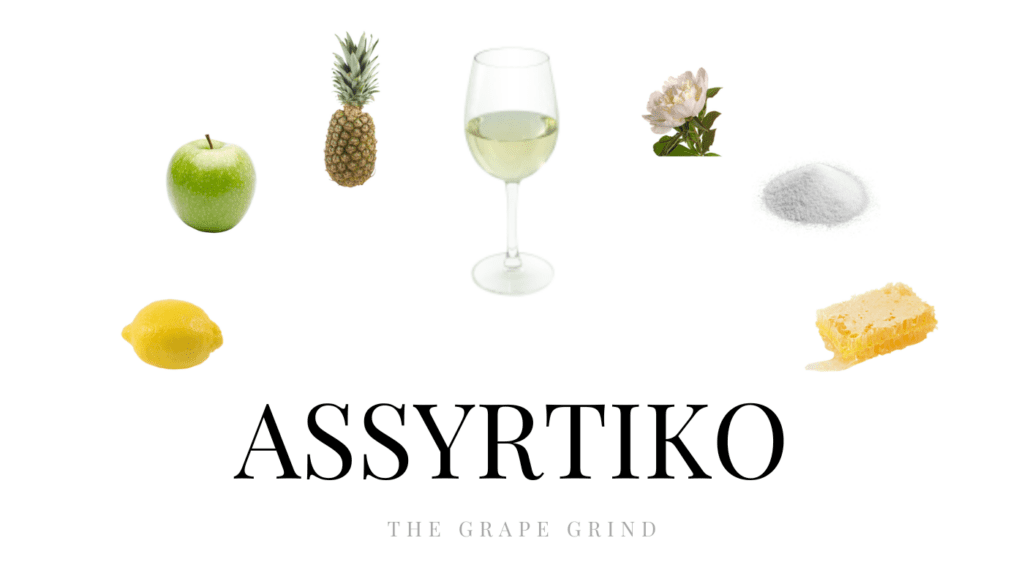
Rather than relying on overt fruitiness or aroma, Assyrtiko expresses itself through mineral, saline, and smoky notes that often dominate both aroma and palate. Salty is a common descriptor.
STANDARD TASTING NOTES: These are your benchmark exam-style tasting notes.
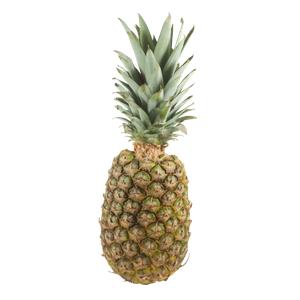
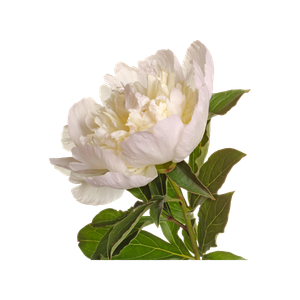
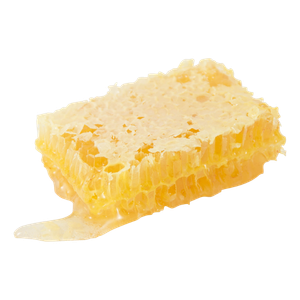
There is no “one size fits all” when it comes to structure for every grape, however, there IS a general range when it comes to body, acid, alcohol, and tannin for each. Below are general guidelines for classic representations. Growing conditions and winemaking techniques can impact each of the following.
Assyrtiko typically feels light to medium in body with substantial dry extract and density that can give the wine a broad, mouth-coating presence despite its dryness.

Acidity is a defining feature, presenting as sharp, linear, and palate-cleansing, often described as steely or piercing, and remaining prominent even as the wine ages.

Alcohol levels are usually medium to high, contributing warmth and body, but are generally well balanced by the grape’s naturally high acidity.


Santorini, Aegean Islands, Northern Greece
Santorini is the historical home and benchmark for Assyrtiko. Grown on volcanic, sandy soils in an arid, windy climate, wines from here are defined by lemon, saline minerality, and smoky flint, with intense acidity and concentration.
On the Aegean Islands beyond Santorini, Assyrtiko retains its acidity and mineral profile but often shows slightly more fruit expression and a softer structure.
In Northern Greece, particularly in regions like Macedonia, Assyrtiko wines tend to be more fruit-forward, with clearer citrus and stone fruit notes, while maintaining high acidity but a less austere structure.
Beyond Greece, small plantings exist in countries such as Australia, the United States, and South Africa, where the grape is valued for its heat and drought tolerance.
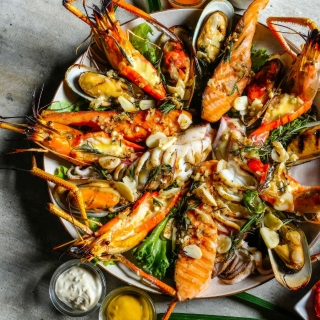
Assyrtiko’s high acidity and saline character cut through olive oil and char, while echoing the natural brininess of fish and shellfish prepared simply over heat.

The wine’s sharp acidity refreshes the palate after oily textures, making it a natural partner for fried seafood or vegetable fritters without overwhelming the dish.
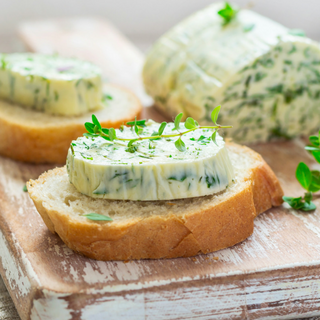
Its acidity balances salt and creaminess, while the wine’s mineral profile complements the savory, tangy character of goat-based cheeses.
(common confusions)
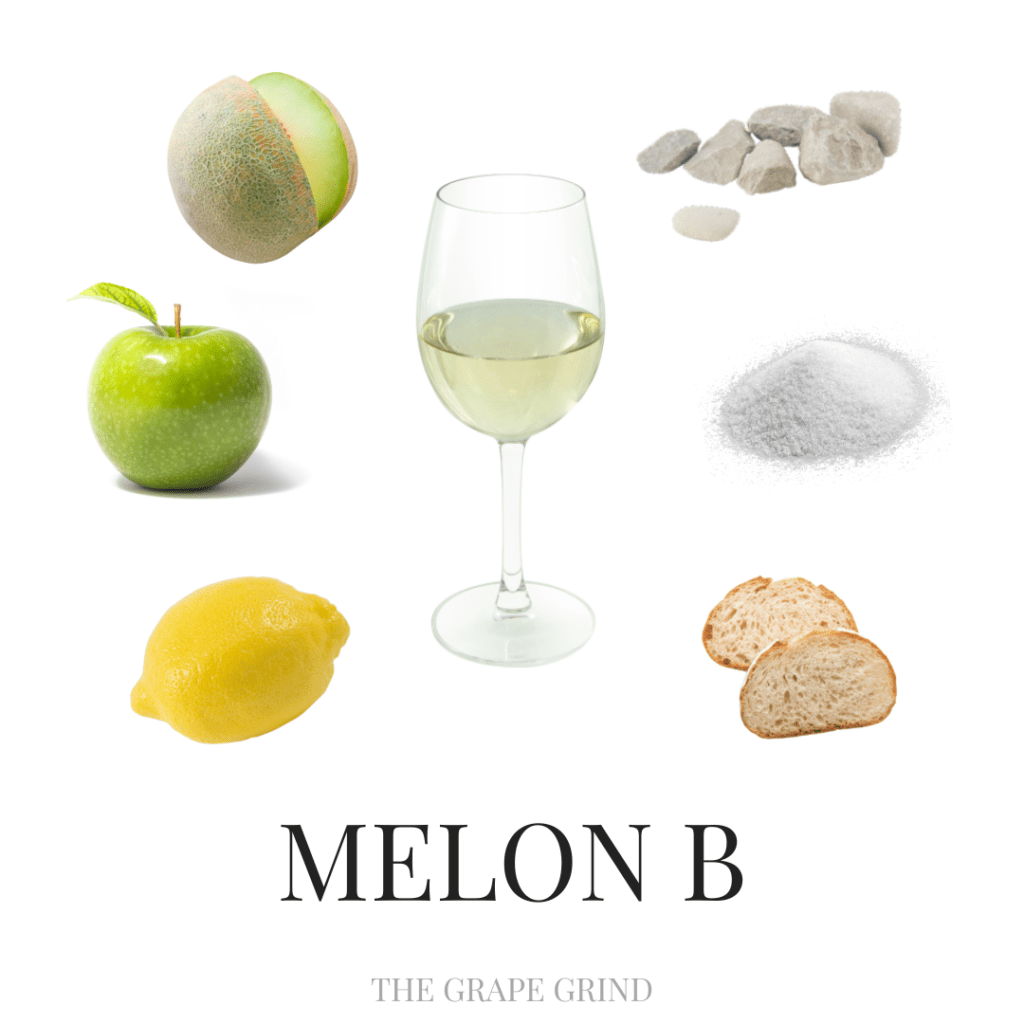
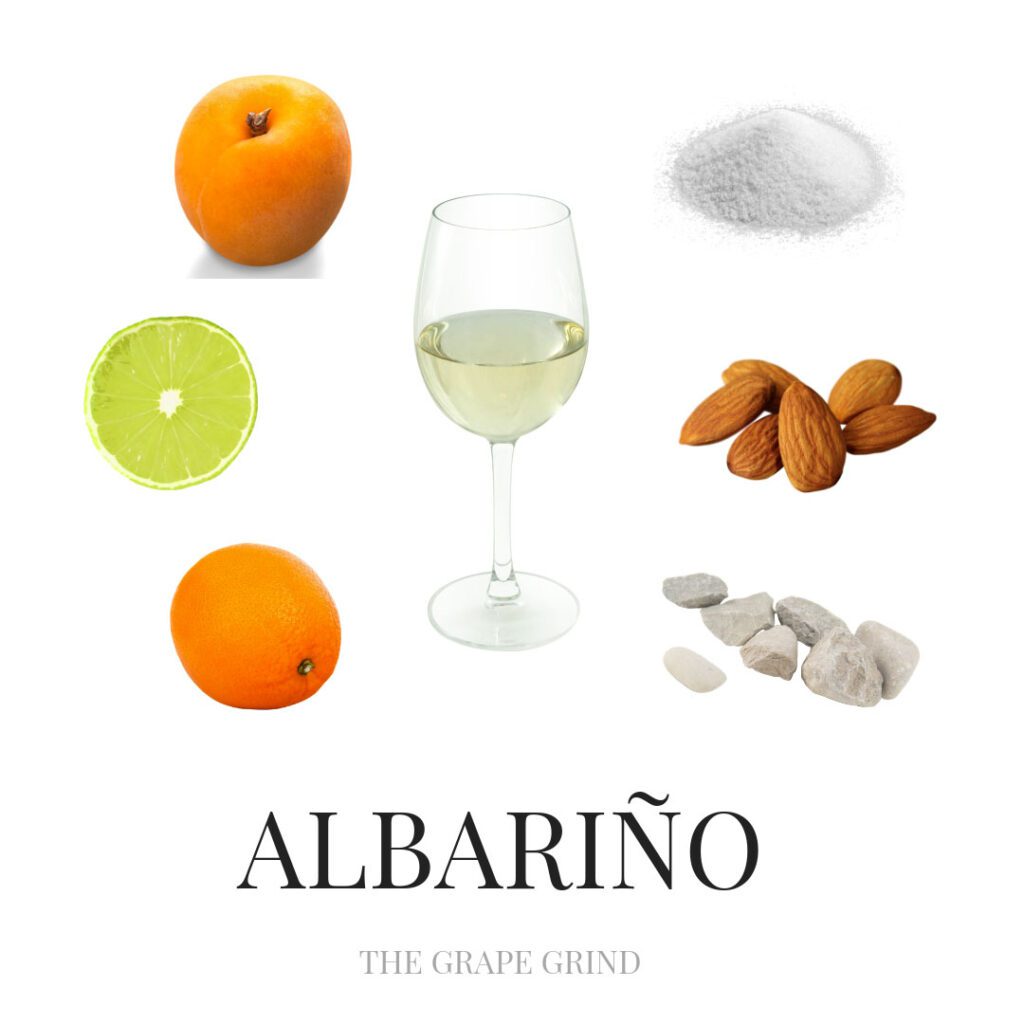
(Learn to Taste or Refresh Foundations)
(Ask, Discuss, & Connect)
(Gain Tasting Confidence)
Join our totally free community, which includes:
Just submit your info to receive your invite!
By submitting, you are consenting to receive marketing emails from The Grape Grind, including much of the core educational content you’re specifically signing up for now. You can unsubscribe at any time.
Joining the free Grape Grind community means your wine tasting journey begins NOW!
STEP 1 of 2 – Fill this out:
After you click the button above, you’ll be asked to enter your email again to set up your free account. Please use this same email address to create your account.
By submitting, you are consenting to receive marketing emails from The Grape Grind, including much of the core educational content you’re specifically signing up for now. You can unsubscribe at any time.
Learn & improve your wine tasting skills for free!