
Wine Industry Trends for 2024
Trends bubbling beneath the surface: native grapes, bold vessels, mindful drinking, smaller producers rising, language evolving.
Make 2026 THE year.
Take 10% OFF your first 12 months of Tasting Group!
Code:
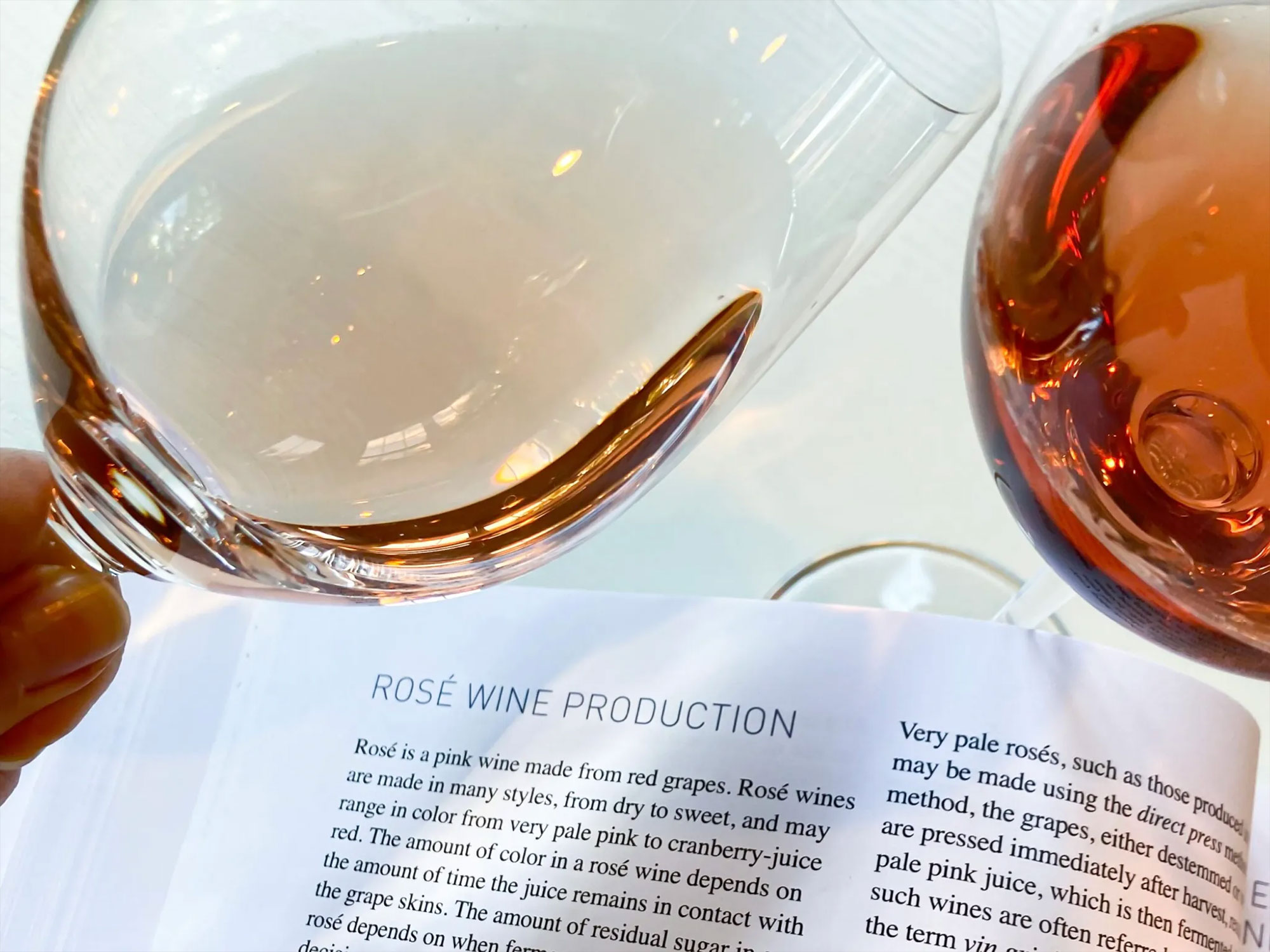
We all know rosé gets its color from red grape skins, right?
Outside of that, there are a few main processes that give wines that pink color…
Black grapes are crushed and PRESSED IMMEDIATELY just like white wine! This extracts as little color as possible from the grapes (and little tannin). These wines are the palest and most delicate examples. …Water-like color!
Black grapes are crushed and have A LITTLE TIME TO MACERATE, and gain a little flavor and some color! This maceration can extend into fermentation. The free-run juice is drained off the skins eventually and continues to ferment in cooler temps, like white wine!
This is in the same category as short maceration, but TRUE Saignée production is actually a by-product of making red wine!
Black grapes are used to make red wine, which macerate followed by a small portion of THE RED WINE JUICE REMOVED “bled off” early in fermentation. The removed juice is then fermented in a white wine style, but it has a lot more concentration of flavor and color since it began the red winemaking process.
***This technique dates back centuries before rosé was even invented. Because it’s such a buzz word with rosé now, you’ll often find it on the labels of rosé made using short maceration! True styles are likely to be richer and sometimes slightly darker.
A small amount of already fermented RED WINE IS ADDED TO WHITE WINE. This is not permitted in the EU except for rose Champagne (hello consistency)!
Many new world regions will do this and wines can be lighter or darker in color!
This question showed up in one of my recent past exams 😉
Oh and since hit on marketing, here are a few other terms you might see on a label:
Vin Gris can be shown on a French label illuding to a VERY LIGHT style (translates to gray wine), it’s basically Direct Press method and made from more “delicate” varieties, but it’s not regulated.
Gris de Gris is similar to Vin Gris, but has to be made from lightly tinted varieties with the gris mutation (ex: Pinot Gris, Grenach Gris, etc.)
Trends bubbling beneath the surface: native grapes, bold vessels, mindful drinking, smaller producers rising, language evolving.

Explore six commonly used yet vague wine terms like “natural,” “clean,” and “small production” and learn why they often lack clear definitions or regulations.

Dive into the Finger Lakes’ Riesling culture through an immersive four-day program, blending tastings, blending trials, and insights from top winemakers.
(Learn to Taste or Refresh Foundations)
(Ask, Discuss, & Connect)
(Gain Tasting Confidence)
Join our totally free community, which includes:
Just submit your info to receive your invite!
By submitting, you are consenting to receive marketing emails from The Grape Grind, including much of the core educational content you’re specifically signing up for now. You can unsubscribe at any time.
Joining the free Grape Grind community means your wine tasting journey begins NOW!
STEP 1 of 2 – Fill this out:
After you click the button above, you’ll be asked to enter your email again to set up your free account. Please use this same email address to create your account.
By submitting, you are consenting to receive marketing emails from The Grape Grind, including much of the core educational content you’re specifically signing up for now. You can unsubscribe at any time.
Learn & improve your wine tasting skills for free!