Cheap vs Expensive Wines: Can you taste the difference?
Explore how factors like grape quality, winemaking techniques, and aging potential influence the taste and value of wines at different price points.
Make 2026 THE year.
Take 10% OFF your first 12 months of Tasting Group!
Code:
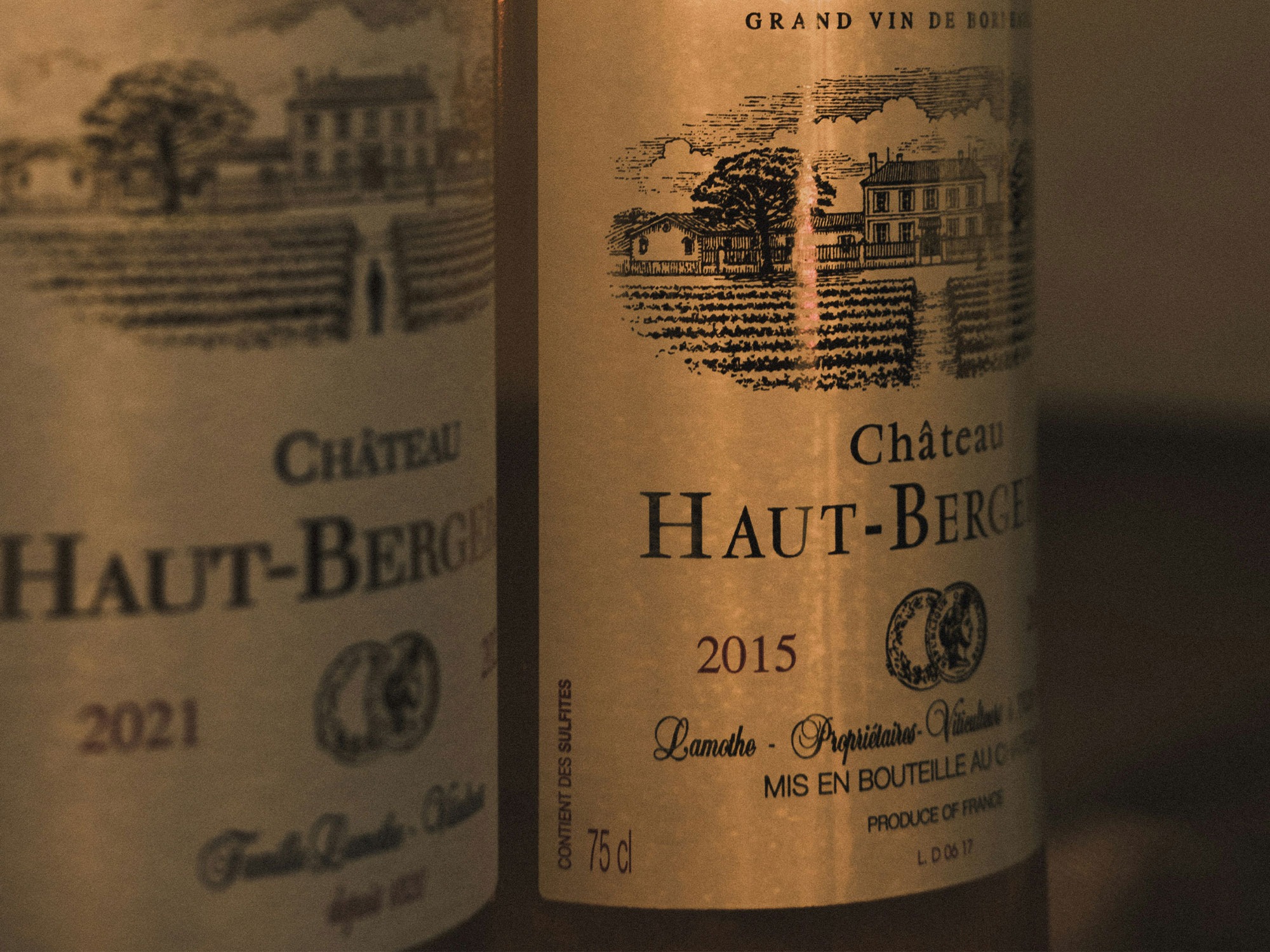
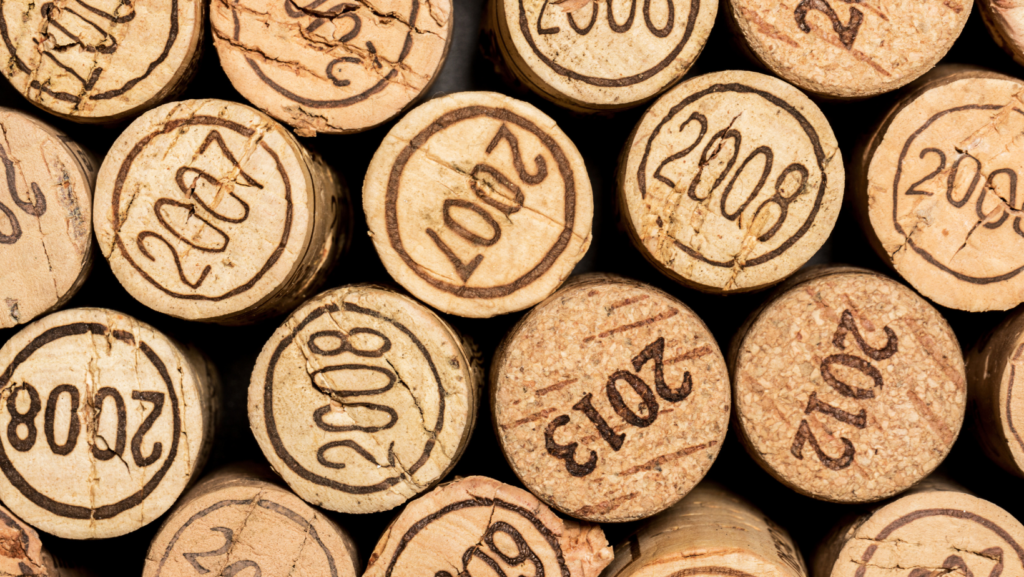
The year a wine was made (its “vintage”) may, at first glance, appear to be the least interesting detail of the wine. Yet to the trained eye, it is one of the most consequential facts on the label.
Those four numbers indicate not only what year the wine was made, but also the quality of the grapes, the ageability of the wine, and often, the price tag. Good vintages in renowned regions like Burgundy, Oregon, and Piedmont are not guaranteed. When the weather and timing are truly perfect, these wines receive high accolades and are quickly sold to the highest bidder — literally.
So, what exactly makes a good vintage or a bad vintage, and how can we use this information to our advantage? In my guide, I’ll explain the importance of understanding a wine’s vintage and how you can get the most out of your cellar…and wallet!
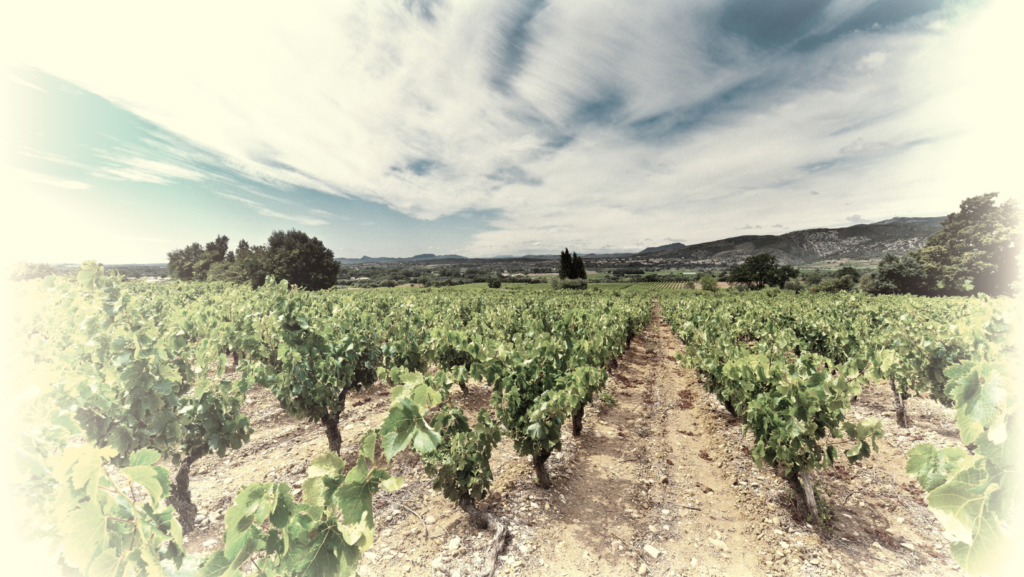
In short, a wine’s vintage refers to the year the wine was made. In the northern hemisphere, harvest takes place from late August to the end of October. In the southern hemisphere, harvest occurs between February and April. The year the harvest occurs is the year the wine gets labeled, regardless of how long before it is actually bottled.
Wines without a vintage: It’s not unusual to see a wine without a vintage, especially if it’s a fortified wine or Champagne. It means the wine was blended over several years. These wines tend to be more consistent in style and can alleviate the pressure on winemakers from having to guarantee a “perfect harvest.” These wines typically have “NV” or “Non-Vintage” included on the label.
The short answer is: the weather. After all, the weather is usually the only variable promised to change from year to year. Other occurrences, such as disease on the vines or animals feasting on the grapes, can also play a role in determining a “good” or “bad” vintage, but these problems tend to be vineyard-specific.
Generally, a vintage is best determined by what is known about the weather in the region that year. Here are some examples of how the weather impacts the vines.
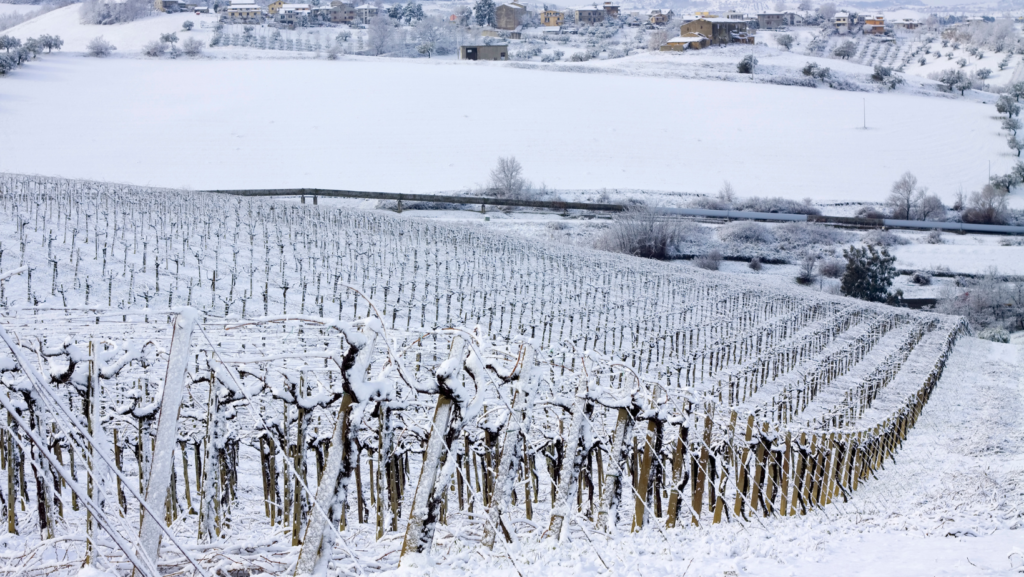
The summer is hot, the winter is cold, the fall is…you see where I’m going with this. But what happens when you get a freak cold storm in the middle of March? Any green thumb can tell you this does not bode well for the vines, especially if they’re preparing for bud break.
A few days of unseasonably hot weather can cause the grapes to overripen, resulting in cooked and dried fruit flavors and loss of acidity. Conversely, a few days of frost can damage the buds and destroy an entire vintage.
Any region is prone to natural disasters, be it wildfires, earthquakes, or snowstorms. These events are often the most detrimental, leading to hundreds or thousands of acres of damaged or unusable vines.
With wildfires specifically, even if the vines aren’t burned, they’re usually contaminated with “smoke taint” and are often destroyed or sold to large producers for pennies on the dollar.
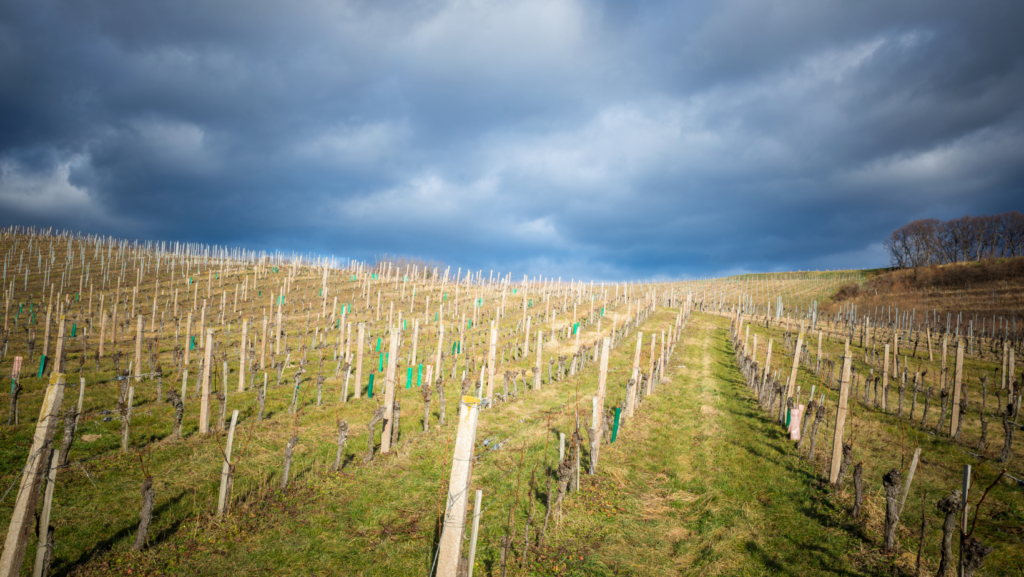
Many of our most-prized wine regions are the most temperamental in terms of weather. Bordeaux, Burgundy, and Northern Italy are a few examples. The weather in these regions varies wildly due to their continental climates and high temperature fluctuations.
Because these regions are highly acclaimed, their price tags generally reflect the quality of the vintage. That being said, it’s worth memorizing a few good or underrated years when visiting your local bottle shop. If you find a 2014 Bordeaux–buy it!
Not all vineyards in a wine region are affected equally. For example, one vineyard lower at the base of Washington’s Columbia Valley may experience a settling of cool air, helping to offset a heat spike.
Meanwhile, a vineyard with a high aspect to the sun may absorb more heat and cool off slowly, leading to greater ripening of the grapes. In an exceptionally hot year, this may not bode well for higher elevation vineyards.
What happens to a bad vintage? Some producers prefer not to make wine at all so as not to soil the reputation (no pun intended) of the region. Others may sell the grapes/wine to be used in wine blends or added to large-scale, bulk wines. Champagne is a notable exception, as producers often blend a range of vintages to create consistent, balanced non-vintage wines.
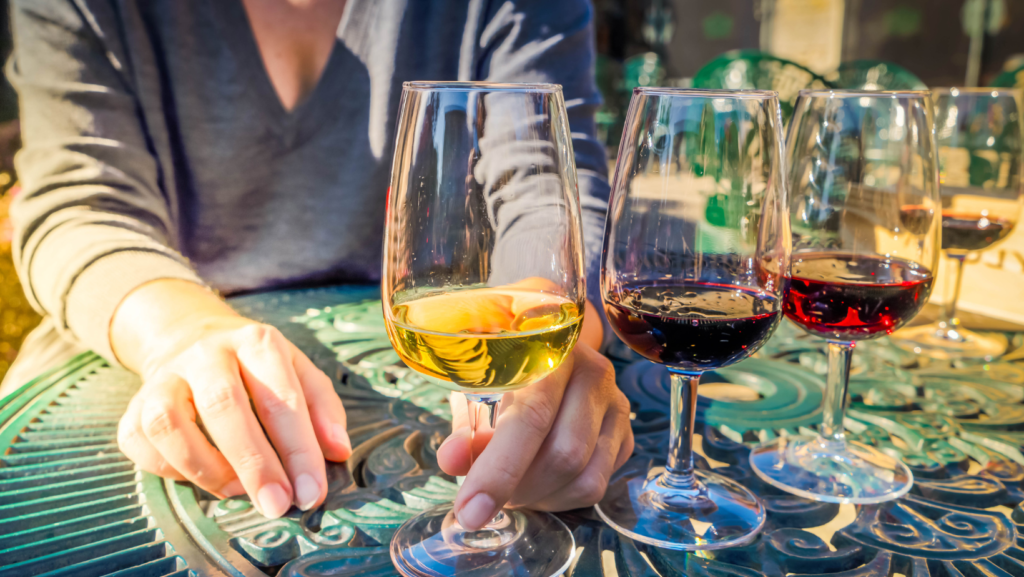
Vintages are not the be-all-end-all of a wine. Many times winemakers can intervene and use many advances to craft a wine that still tastes good, despite being less age-worthy. You can use tidbits of information like this to help you decide what wines to buy and what wines in your cellar you should open today rather than age.
Vintage charts like this one from Wine Spectator are helpful for keeping track of your wines so you don’t miss out on a bottle at its peak. Ultimately, knowing a few good (or bad) vintages for your favorite wine regions can help educate your palate and help you snag good deals on underrated wines.

Explore how factors like grape quality, winemaking techniques, and aging potential influence the taste and value of wines at different price points.
Explore Tokaji’s diverse wine styles, from the intensely sweet Eszencia and Aszú to the refreshing dry Furmint, each showcasing unique flavors and aging potential.
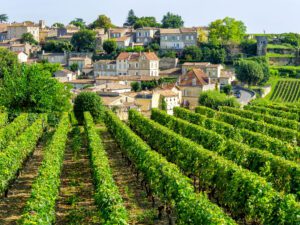
Discover Bordeaux’s diverse terroirs, from the Cabernet Sauvignon-dominant Left Bank to the Merlot-rich Right Bank, and explore its renowned sweet wines and classifications.
(Ease into wine tasting basics!)
(Build on basics & learn to blind taste!)

By submitting, you are consenting to receive marketing emails from The Grape Grind. You can unsubscribe at any time.
Grab our two totally FREE courses:
(Ease into wine tasting basics!)
(Build on basics & learn to blind taste!)
Just enter your email and we’ll send them right away!
By submitting, you are consenting to receive marketing emails from The Grape Grind. You can unsubscribe at any time.
Learn to taste & BLIND taste wine: