
What is Biodynamic Wine?
Explore how biodynamic farming integrates lunar cycles, cosmic rhythms, and holistic vineyard practices to produce wines that reflect a deep connection to nature.
Make 2026 THE year.
Take 10% OFF your first 12 months of Tasting Group!
Code:
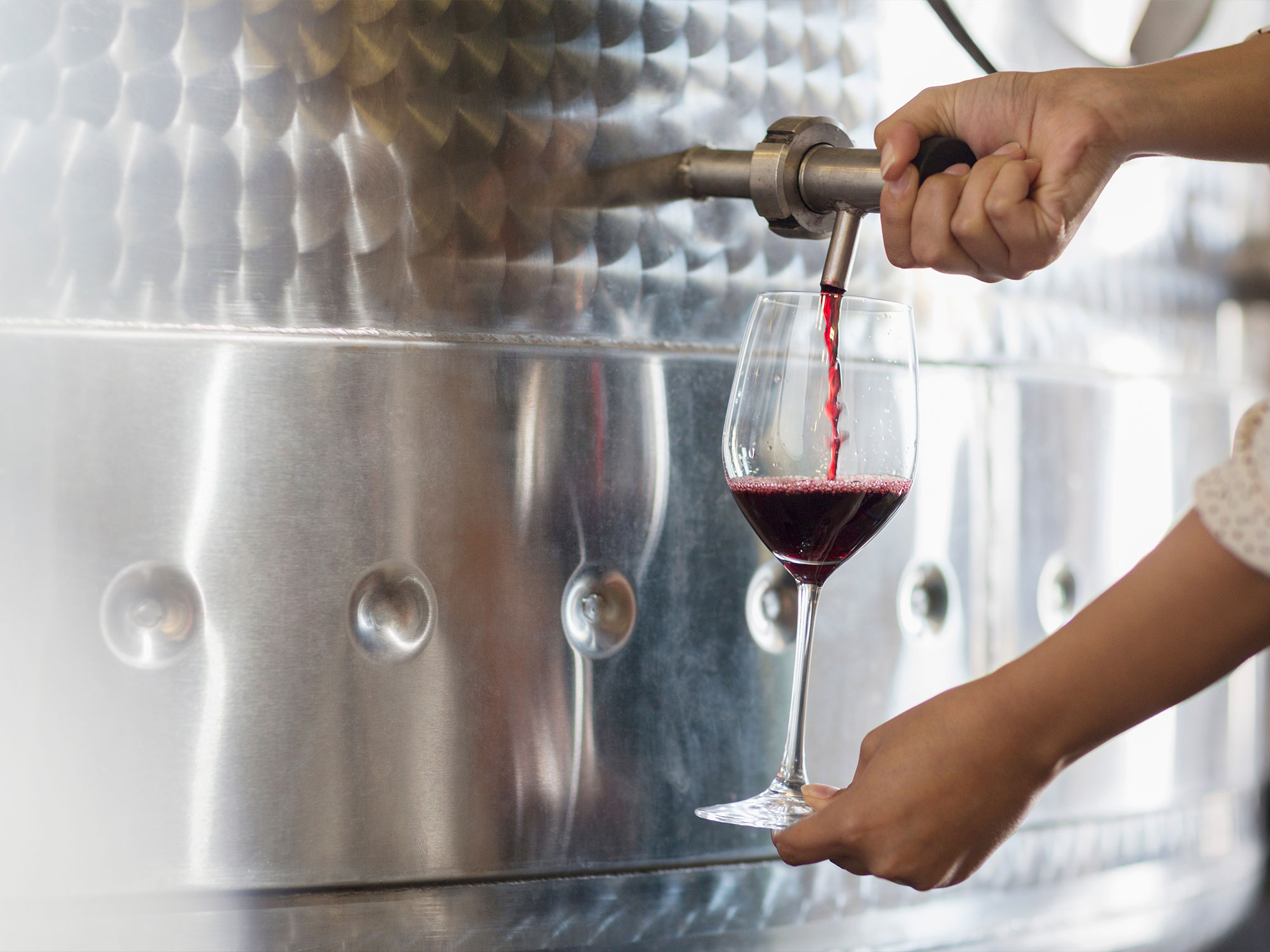
Stainless steel tanks aren’t as sexy as oak barrels or clay amphoras, yet they’re the essential tool for modern winemaking.
In the grand scheme of things, stainless steel is brand new to winemaking. It first emerged in the 1950s, becoming essential for today’s winemakers. Many varietals and regions rely solely on this method for producing wines with a level of precision that was previously impossible.
In this post, I’ll break down the history and purpose of using stainless steel in winemaking, as well as notable varieties and styles that have built their reputation on this modern tool.
According to the Blooming Grape, Californian and select European winemakers first implemented stainless steel in winemaking in the 1950s. By the 60s and 70s, it was commonplace.
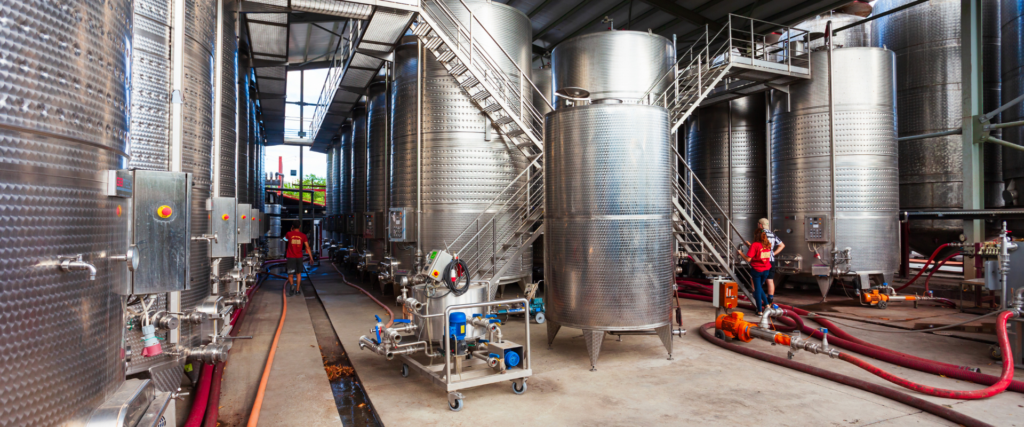
Today, using stainless steel to make wine is virtually a given, and it’s used throughout the process. Whole grapes and freshly pressed juice are often stored in tanks before being racked into barrels–a process also referred to as “barrel downs.”
Once the wine is considered finished (fully fermented, dry, and delicious), it’s racked back into tanks for blending and bottling. Winemakers may also choose to ferment wine in tanks without ever touching a barrel if they want to preserve the wine’s nuances or minimize added flavors and aromas from oak.
Much like oak barrels, there is a big difference between storing a finished wine in tanks versus fermenting in tanks. Any wine can be aged in oak and then transferred to tanks, and you’d never be able to tell.
Fermenting is a different story since the omission of oak drastically changes the flavor, aroma, and texture of wine. Make sure to read my guide on oak barrels for more on the subject.
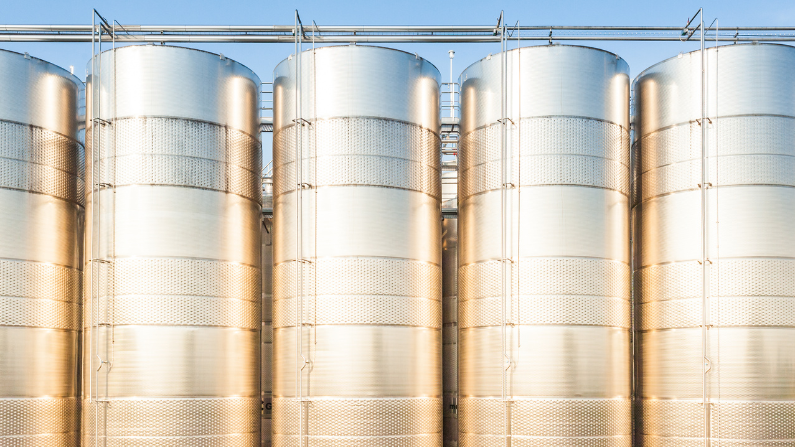
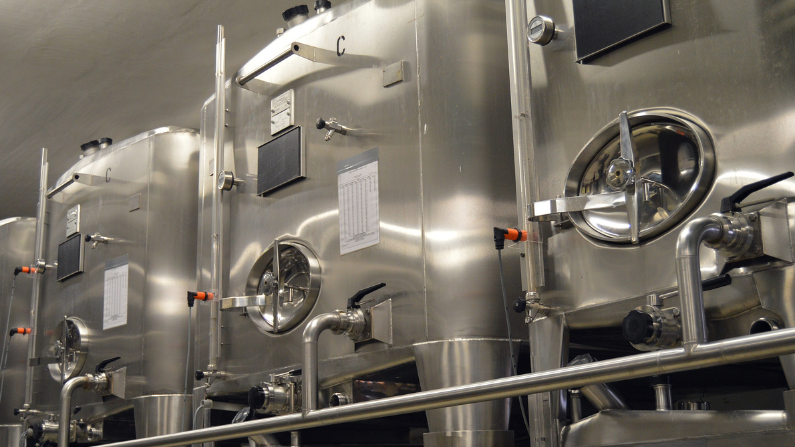
Tanks can be sealed airtight, whereas barrels and concrete eggs are not. This allows for an oxygen-free environment where the winemaker has complete control over the juice. Minimizing oxidation helps preserve fresh, crisp fruit flavors and aromas.
In addition, tanks can also be jacketed or cooled via a glycol system to keep the fermenting grapes from overheating and developing flaws.
Because we have an airtight seal and zero oak influence, you will only taste the precise flavors of the grape. Stainless steel is also easier to clean, so you can maintain a sterile surface that’s unlikely to develop any “off” flavors from unwanted bacteria.
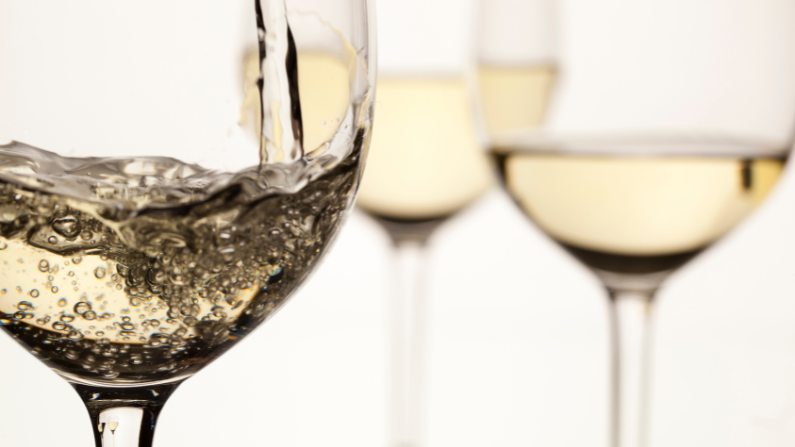
As mentioned, tanks are ideal for storing large quantities of wine and or unfermented juice. They’re also cheaper than oak, and you can use them indefinitely. This means you can store fully finished wine virtually forever, so long as it’s deprived of oxygen.
If you’ve ever had a cheap bottle of red and thought, “Wow, this tastes really smooth!” that’s no accident. Bulk wine producers rarely age or store wine in oak barrels due to the cost and labor required.
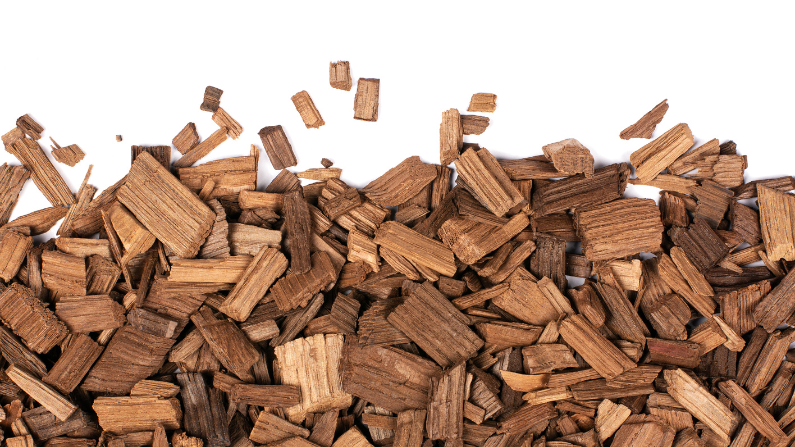
Instead, they ferment in tanks and then add oak flavor in the form of oak chips or oak extract. This gives the wine its roundness and full body, minus the added cost and labor of oak barrels.

Explore how biodynamic farming integrates lunar cycles, cosmic rhythms, and holistic vineyard practices to produce wines that reflect a deep connection to nature.
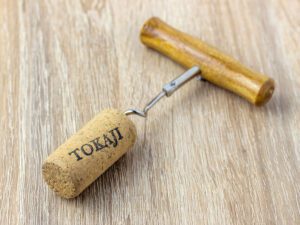
Explore Tokaji’s diverse wine styles, from the intensely sweet Eszencia and Aszú to the refreshing dry Furmint, each showcasing unique flavors and aging potential.
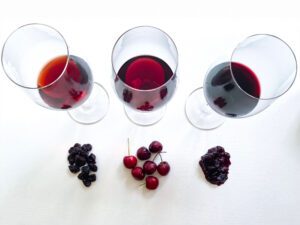
In blind tasting, assess if the fruit flavors are ripe, tart, or dried to infer climate and region—cooler climates often yield tarter profiles.
(Ease into wine tasting basics!)
(Build on basics & learn to blind taste!)

By submitting, you are consenting to receive marketing emails from The Grape Grind. You can unsubscribe at any time.
Grab our two totally FREE courses:
(Ease into wine tasting basics!)
(Build on basics & learn to blind taste!)
Just enter your email and we’ll send them right away!
By submitting, you are consenting to receive marketing emails from The Grape Grind. You can unsubscribe at any time.
Learn to taste & BLIND taste wine: