

5 Top Tips for the CSW Exam
Boost your Certified Specialist of Wine exam success with expert strategies, study techniques, and practical advice to confidently navigate theory and tasting challenges.
Make 2026 THE year.
Take 10% OFF your first 12 months of Tasting Group!
Code:
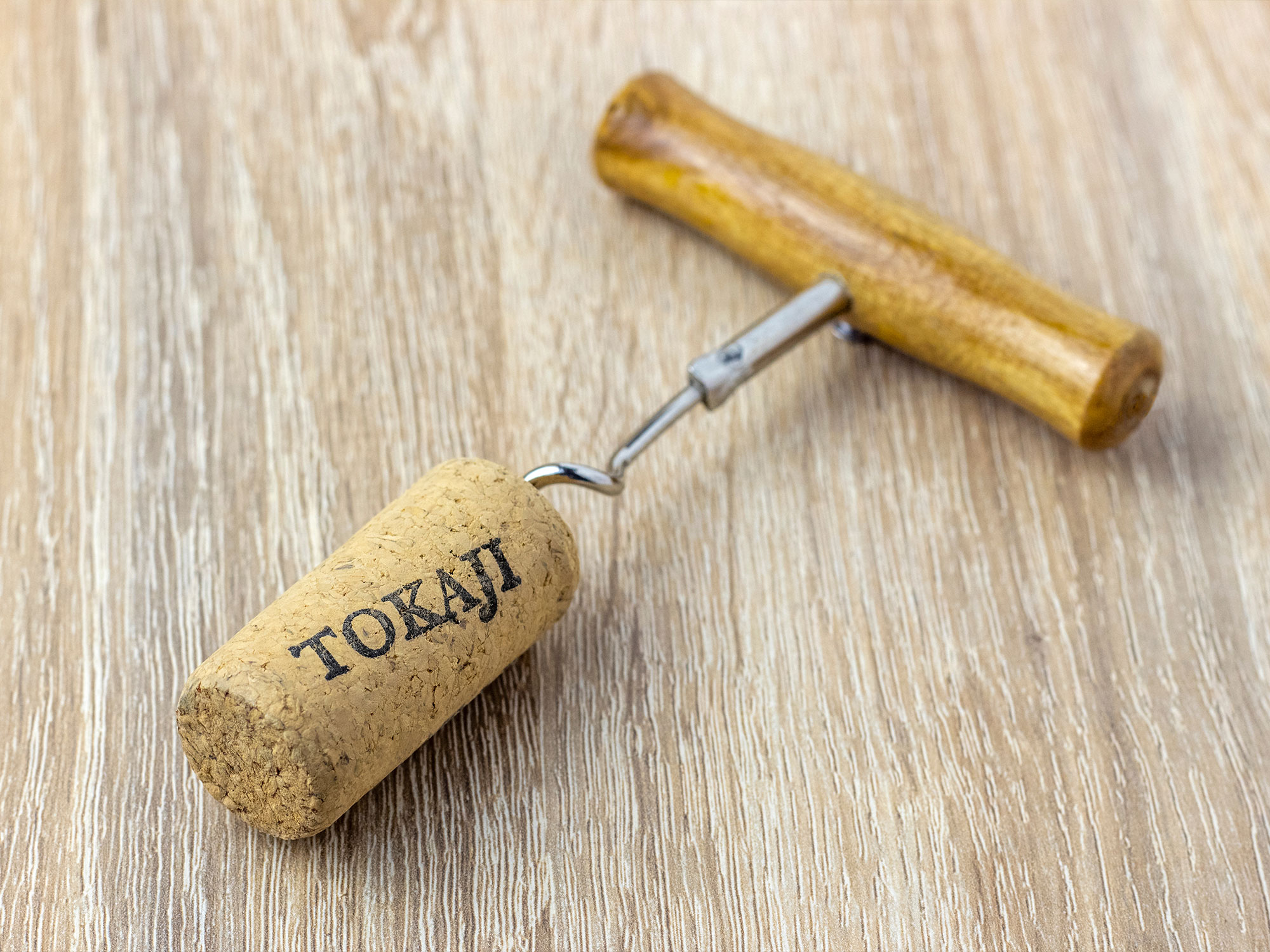
I’m a big fan of sweet wines made from noble rot or botrytis mold. Complex and unique (they can’t be made every year), a recent trip to Budapest sparked my desire to dive into Hungary’s Tokaji wines.
Curious about tasting the range of the region beyond the Tokaji aszú, I booked some time with Carolyn Banfalvi owner of Taste Hungary, a tasting room and tour company. Here’s what I learned.
King Louis XIV declared Tokaji aszú the wine of kings and king of wines.
While sweet Tokaji aszú wine has been known and prized for centuries (the sweet wines of Tokaj were a symbol of status), there is much more to the Tokaj region nowadays than aszü wines. Let’s explore.
Tokaj is Hungary’s most popular wine region. It’s located in the northeastern part of Hungary. It borders Slovenia and Ukraine.
Tokaj = The region
Tokaji is the name that encompasses all of the wine produced within this region.
Tokaji = The wines
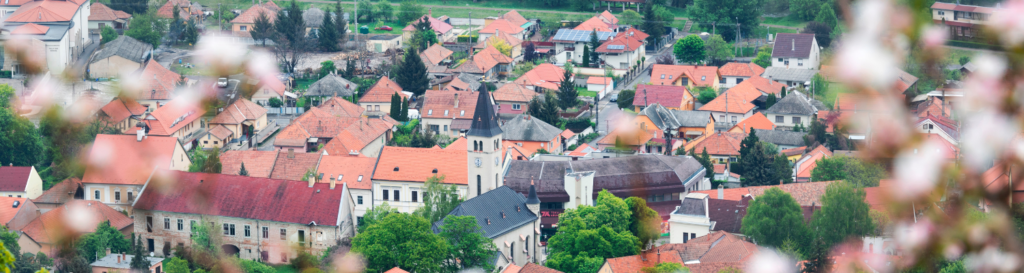
Ripka Gergely, author of the Tokaj Guide states that for centuries Tokaji wines were favored by important historical figures–czars, politicians, poets, and artists. “Tokaj’s history, tradition, natural and geographic features, and quality of the sweet wines deliver a poignant experience via the tiniest of messages.” Marked by rolling hills, rivers, and the remains of ancient castles, it is a beautiful land with a rich past and a promising present.
Tokaj was one of the world’s first demarcated wine regions dating back to 1737. The region is also known for its subterranean cellars, every farmhouse has one whether they are producing wines or not. Many of these cellars are hundreds of years old.
The unique microclimate in Tokaj provides the perfect conditions for the botrytis fungus necessary to produce the Tokaji aszú wines.
Tokaj’s many rivers and streams provide sufficient humidity to attract the fungus. Two major rivers, the Bodrog, and the Tisza, join together right outside the town of Tokaj. Second, the long and dry autumn season helps the fungus-affected grapes to dry out and concentrate.
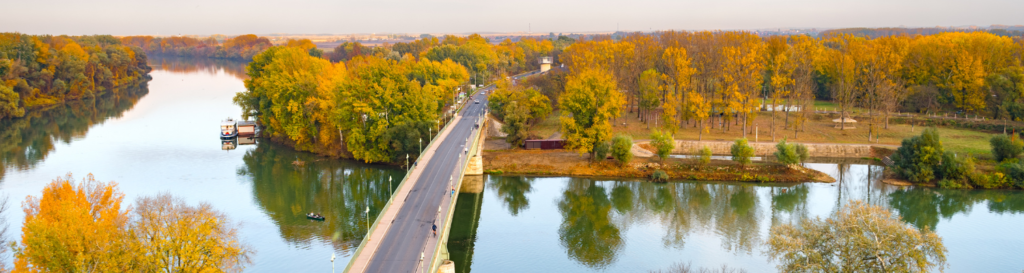
The short answer is Tokaji is both a dry and sweet wine, though it is most known as the golden and amber-hued sweet aszú style wines, some of the most memorable sweet wines in the world.
According to noted wine critic Hugh Johnson, “Despite being sweet, these wines aren’t cloying because their acidity offsets the sweetness. “Sweetness so balanced and held in check by the sharp-tasting furmint grape that they leave your mouth whistle-clean.”
There are six indigenous grape varieties permitted to make Tokaji wine. The most important grape is furmint. A late-ripening white grape, it is most susceptible to botrytis, perfect for making sweet Tokaj wine. Today, it is also being used to make dry single-variety Tokaji wine. Furmint makes up two-thirds of the vineyard area.
Master of wine Ronn Wiegand has this to say about furmint: “From classic method sparkling wines to single vineyard dry wines and late harvest aszú wine, furmint is unmatched by any other white wine variety except riesling.”
Hárslevelű is also prone to botrytis and while most often used in blending with furmint, today many winemakers are using it for single-variety wines. Other grapes permitted here are sárga muscotály, kövérszőlő, zéta, and kabar.
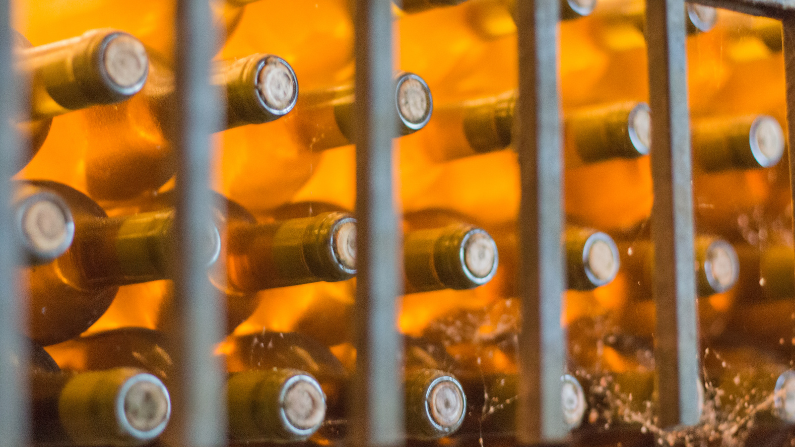
Descriptions for the many styles of Tokaji are from Carolyn Banfalvi. I tried all of these wine styles at the tasting room in Budapest.
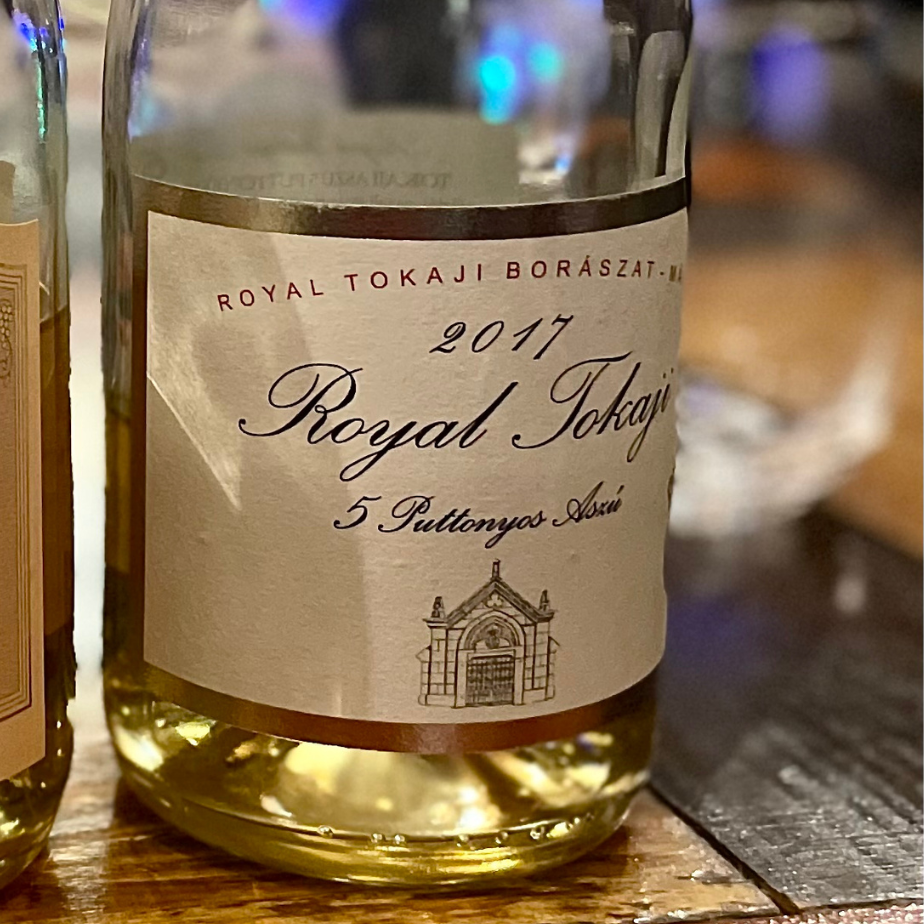
“This complex golden-colored wine is what brought Tokaj its fame. Aszú is an extremely concentrated wine, high in both sugar and acidity, with more flavors than you could imagine possible in one wine. Making aszú starts with the harvest, which only happens when the grapes have achieved botrytis (also known as ‘noble rot’). They turn into shriveled raisin-like berries with concentrated levels of sugar and aroma, and then they are selectively harvested—one at a time, by hand—multiple times.
A 2013 law requires that one kilogram of aszú berries make no more than 2.2 liters of aszú wine. Aszú is measured by its residual sugar (which has to be a minimum of 120 grams per liter).” From the Taste Hungary website
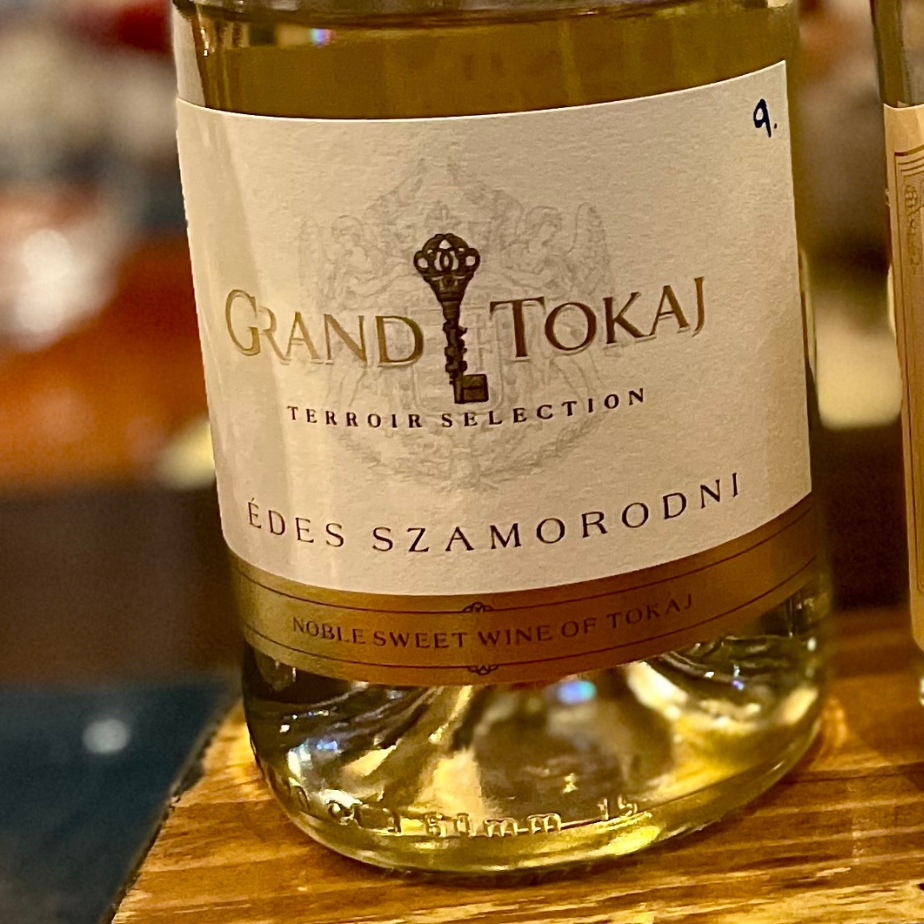
Whole clusters of grapes, which contain a mixture of both botrytized and healthy grapes, are harvested late (without the individual berry selection as in aszú). The resulting wine can be either dry or sweet depending on the sugar content of the grapes.
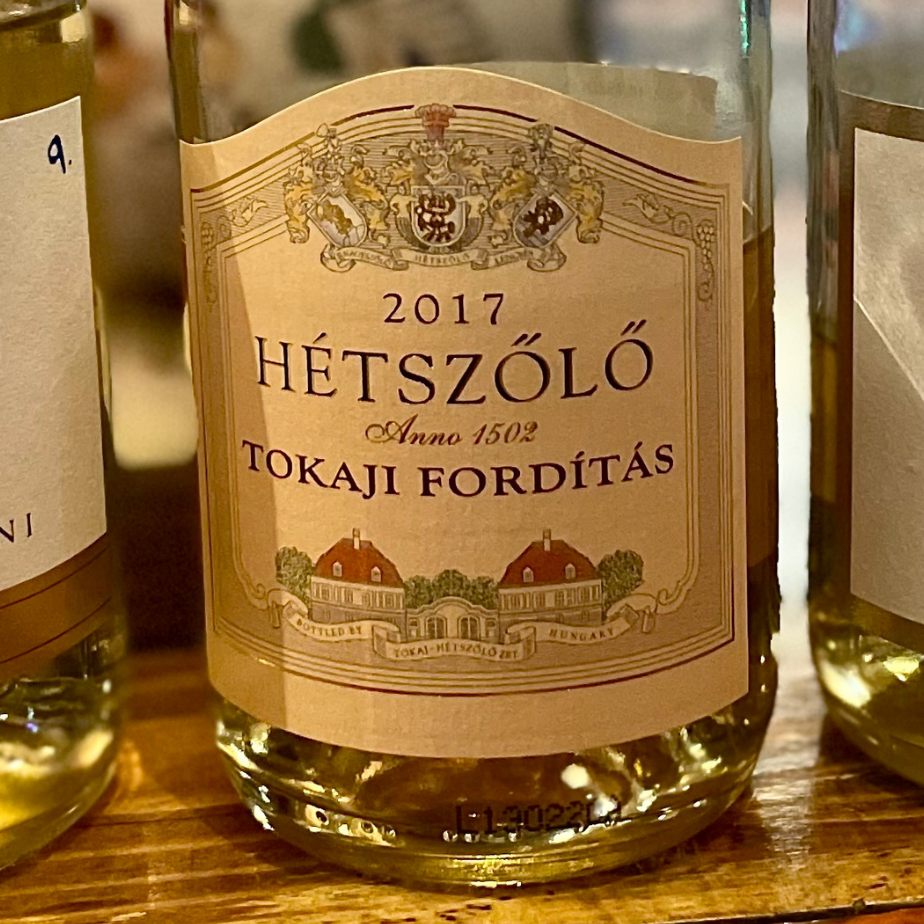
Forditás means “turning over.” The wine is made from the second pressing of the aszú must, soaked a second time in a fresh or base wine. According to Carolyn, “Forditás is not as elegant or full-bodied as the aszú or szamorodni, but it does have all of the wonderful botrytis character and flavors, and it has plenty of tannins. The sugar level must be at least 120 grams per liter.
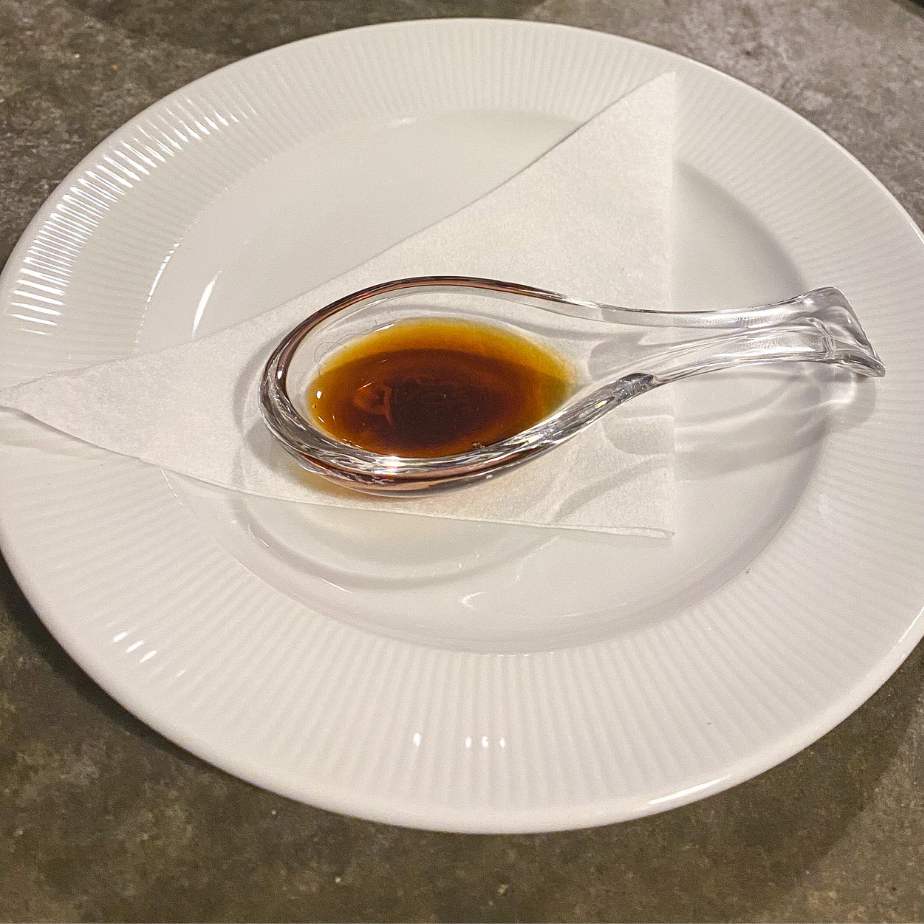
Essencia is not made often and therefore not easy to find. It is only made during the best aszú vintages. It is a sweet, dense, almost like syrup product made from the free-run juice of the hand-picked berries used to produce Tokaji aszú. In the 1700s it was referred to as the most prized wine and sold in pharmacies.
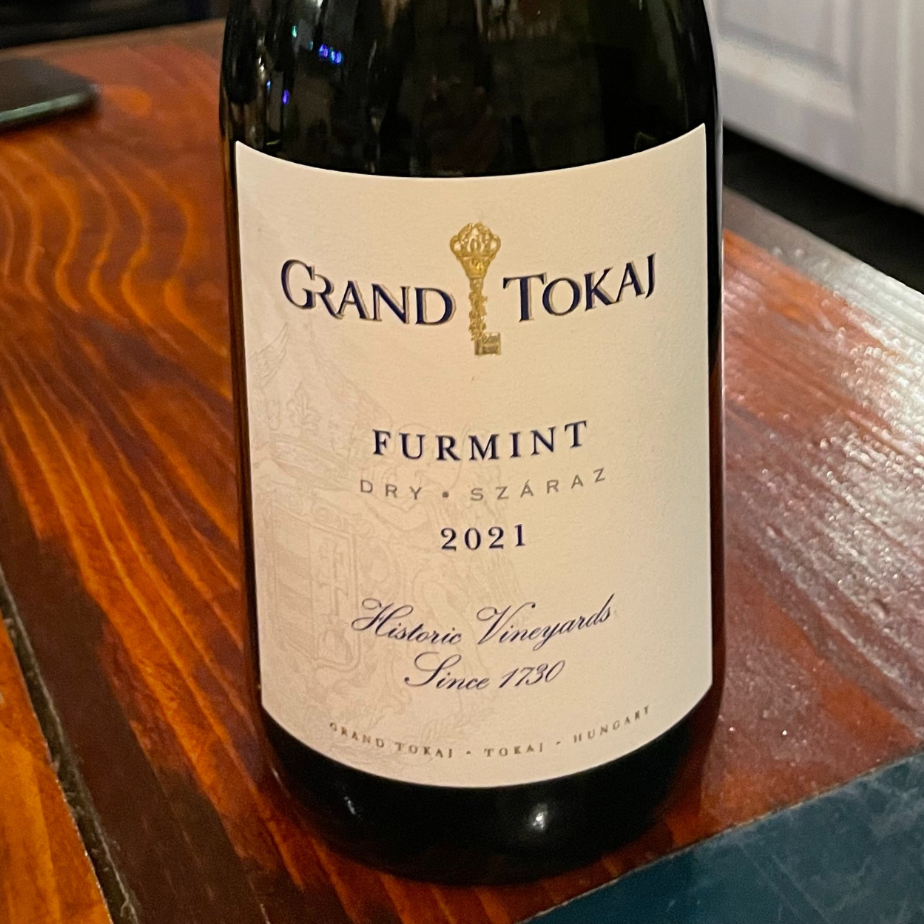
Young winemakers in Hungary today are using furmint to make a dry, crisp, and aromatic white wine that is gaining global attention. A key factor is not only do they desire to make something fresh and new, but dry furmint is not dependent on the weather conditions that sweet Tokaji wines need. Aromas of orange peel, ripe pear, lemon, pineapple, and apricot.
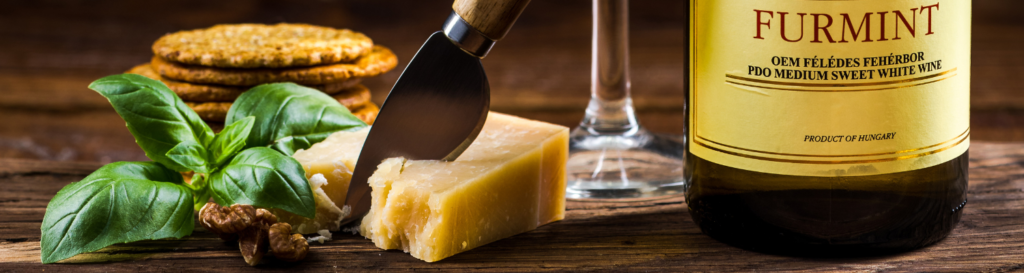
This versatile wine pairs with everything from rich cheeses and cured meats to spicy Asian desserts like nut tartlets. Traditional pairings include blue cheese and foie gras. Dry furmint pairs well with seafood, chicken, and vegetarian dishes.

Boost your Certified Specialist of Wine exam success with expert strategies, study techniques, and practical advice to confidently navigate theory and tasting challenges.

Discover six lesser-known grape varieties that offer distinctive flavors and are worth exploring beyond the classics.
Experience the revival of ancient winemaking: amphoras offer natural fermentation, micro-oxygenation, and a pure expression of terroir, all while reducing tannin bitterness.
(Learn to Taste or Refresh Foundations)
(Ask, Discuss, & Connect)
(Gain Tasting Confidence)
Join our totally free community, which includes:
Just submit your info to receive your invite!
By submitting, you are consenting to receive marketing emails from The Grape Grind, including much of the core educational content you’re specifically signing up for now. You can unsubscribe at any time.
Joining the free Grape Grind community means your wine tasting journey begins NOW!
STEP 1 of 2 – Fill this out:
After you click the button above, you’ll be asked to enter your email again to set up your free account. Please use this same email address to create your account.
By submitting, you are consenting to receive marketing emails from The Grape Grind, including much of the core educational content you’re specifically signing up for now. You can unsubscribe at any time.
Learn & improve your wine tasting skills for free!